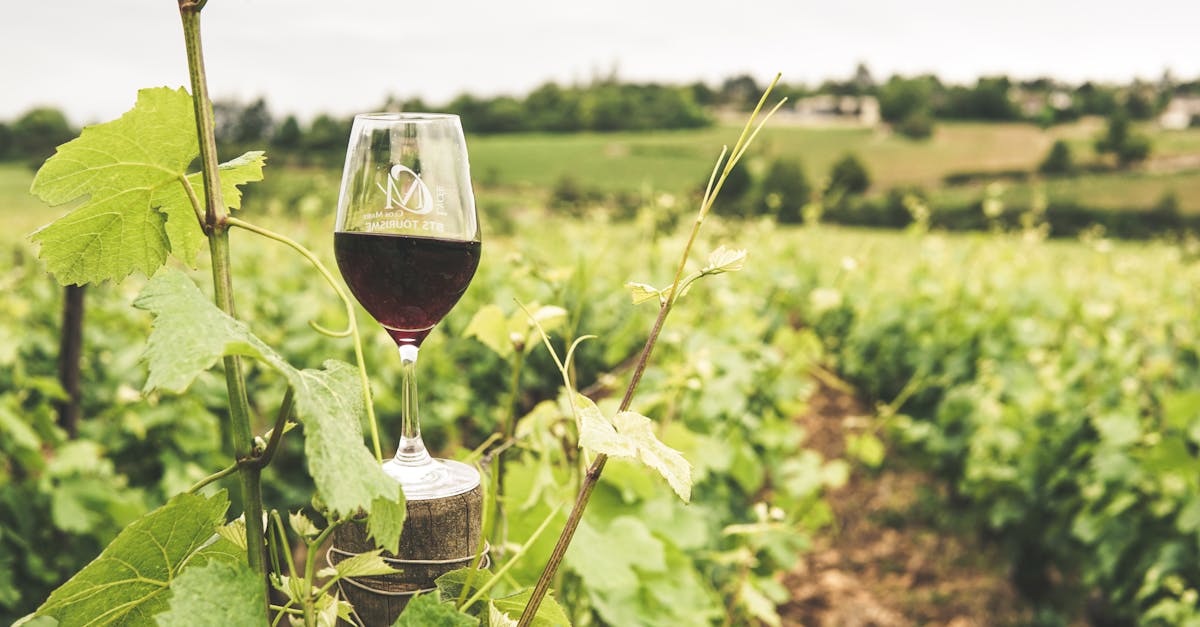
El valle de Rhône es mucho más que un simple corredor de vino en Francia: encarna un verdadero tesoro en teenológico conformado por sus terroirs múltiples y contrastantes. Se extiende de norte a sur durante casi 200 kilómetros, esta región combina la diversidad geológica, climática y humana que influye profundamente en los vinos producidos allí. Aquí, no es solo la variedad de uva la que marca la diferencia, sino toda una combinación de elementos naturales y experiencia que se entrelazan para producir cosechas únicas. Ya sea que seas fanático de los poderosos vinos de cuerpo completo del Southern Rhône o los elegantes vinos minerales del Northern Rhône, sentirás el toque del terroir en el que todos están de acuerdo con cada sorbo. 🍷✨
Los suelos de granito, los suelos pedregosos, las pendientes empinadas, el viento distral, el cálido clima continental mediterráneo o moderado … tantos ingredientes que no solo crean el escenario, sino que también dan forma a cada botella de Château de Beaucastel, Domaine de La Janasse, E. E. Guigal y Domaine Paul Jaboulet Aîné. These great names are just a glimpse of the local richness. Además, la biodiversidad también contribuye con su grano de sal para administrar de manera sostenible los viñedos, un punto crucial en un momento en que preservar los ecosistemas se está convirtiendo en una prioridad. 🌿🐝
Si tiene curiosidad por comprender cómo este mosaico natural influye y mejora el fruto de la uva, hemos reunido esta guía sin problemas, completa con ejemplos y gráficos convincentes para ayudarlo a comprender. Para transmitir el punto, revisaremos los elementos terroires que marcan la diferencia, luego su impacto directo en la calidad, la estructura y la longevidad de los vinos, al tiempo que analizarán los ejemplos concretos del valle de Rhône y sus apelaciones icónicas. Let’s uncover the secrets hidden beneath the corks of your favorite bottles! 🍇🔍
How do soils shape Rhône Valley wines? A dive into the heart of the terroir
In the Rhône Valley, the soil is a true wine maestro. Each plot, each gravel pit, each mineral vein directly influences the characteristics of the grapes and therefore the final profile of the wine. This soil is a complex blend of textures and chemical compositions. ⚡ Geológicamente, hay dos amplias categorías: en el norte, el terreno está dominado por granito, particularmente en denominaciones como Côte-Rôtie y Hermitage. This steep, mineral-rich soil brings finesse, minerality, and a certain aromatic elegance to Syrah wines, for example.
🌞 Further south, clay-limestone soils and especially rounded pebbles dominate, particularly around Châteauneuf-du-Pape. These pebbles accumulate solar heat during the day and release it at night, a real boost for grape ripeness. The result: generous, rounded wines with impressive aromatic power.
The importance of soil goes beyond its physical nature. Actúa como un filtro y un depósito: algunos suelos retienen el agua, otros lo drenan, lo que influye en el vigor de la vid y la concentración de las uvas. It’s a true masterpiece, with each local situation changing the result in the bottle.
🪨
- Granite (North): balance between minerality and elegance, ideal for high-altitude Syrah. 🥾
- Rounded pebbles (South): promote warmth and maturity, perfect for wines rich in Grenache. 🟫
- Clay-limestone: conveys finesse and complexity, often the source of robust, age-worthy wines. A table to better understand this diversity: 🗺️ Area
🟤 Soil Type
| 🍇 Dominant Grape Varieties | 🍷 Wine Profile | 🏅 Examples of Estates | Northern Rhône | Granite, Schist |
|---|---|---|---|---|
| Syrah, Viognier | Mineral, Elegant, Structured | E. Guigal, Domaine Paul Jaboulet Aîné, Domaine Ogier | Southern Rhône | Round Pebbles, Clay-Limestone |
| Grenache, Mourvèdre, Syrah | Powerful, Fruity, Rich | Château de Beaucastel, Domaine de la Janasse, Domaine Saint Préfert | The soil is therefore a fundamental point of reference for understanding the spectacular variety of the valley’s wines. To learn more, take a look at an article on the richness of the terroirs | which highlights the region’s geological diversity. Descubra la esencia del terroir a través de nuestros productos auténticos y deliciosos, combinando la tradición y la experiencia artesanal para una experiencia gastronómica inolvidable. |
What role do climate and terrain play on Rhône Valley wines? In the Rhône Valley, the weather doesn’t just dictate the weekend weather; it also governs the ripeness, health, and ultimately the quality of the grapes. The climate here is warm but variable, with a clever mix of Mediterranean influence in the south and continental climate in the north. 🌞 In the South, summers are hot and dry: this means the grapes benefit from maximum sunshine, perfect for reaching optimal ripeness quickly. The effect of the Mistral wind, this typical ingredient, acts as a natural cleaner, limiting mold and disease, which is a significant advantage. Los vinos de Châteauneuf-Du-Pape o Gigondas a menudo reflejan este clima generoso con su alto contenido de alcohol y potentes aromas de frutas y especias maduras.
Summer temperatures:
influence sugar, alcohol, and aroma content.
💧
Precipitación:
- Juega un papel clave en el vigor de la vid y la salud de la uva. 💨 Viento Mistral:
- Promueve la higiene del racimo y la concentración aromática. 🗻 Terreno:
- Proporciona variación en la exposición y la altitud, lo que contribuye a la diversidad aromática. Here’s a detailed table to help you understand the difference between the two zones: ☀️ Climate ❄️ Special Features
- ⚖️ Effects on Wine 📍 Examples of Appellations Mediterranean (South)
Strong sunshine, hot summers, low rainfall
| Powerful, fruity, and high-alcohol wines | Châteauneuf-du-Pape, Gigondas, Vacqueyras | Continental (North) | Cold winters, moderate summers, hilly terrain |
|---|---|---|---|
| Elegant, fresh, structured, and balanced wines | Côte-Rôtie, Hermitage, Condrieu | https://www.youtube.com/watch?v=bwLK2hDak4E | El terreno no solo afecta el paisaje, sino que también modula directamente la luz y el calor recibidos por las vides, lo que influye en la forma y la calidad de la fruta. Well-exposed slopes produce more concentrated grapes, and therefore more aromatic wines. This contrast is perfectly visible at producers like Domaine Vieux Télégraphe or Château Gigognan. |
| How does biodiversity influence the terroir and Rhône wines? | We often tend to talk about terroir by considering only the stone, water, air, and sun. However, biodiversity—the presence of living beings in and around the vineyard—is just as crucial. This natural wealth acts as a regulator, a protector, and also an enricher of the soil and the vines. | 🐝 Companion plants, insects, and even small animals form a living ecosystem that encompasses the vineyard. This biodiversity helps limit the use of chemicals by promoting natural mechanisms to combat pests and diseases. For example, the presence of bees and other pollinating insects indirectly contributes to soil health. Este vínculo entre la biodiversidad y el terroir está siendo explorado cada vez más por propiedades como Domaine La Soumade y Domaine Saint Préfert, que adoptan una viticultura ecológica. | 🦋 |
biological pest control.
🌱
Ground cover plants:
prevent erosion and promote microfauna.
- 🐞 Beneficial insects: balance the vineyard ecosystem.
- 🌾 Vegetation rotation: improves soil quality.
- Este sistema vivo estimula el vigor de las vides sin causar enfermedad, que se refleja en la calidad de las uvas y la profundidad aromática final del vino. If you would like to learn more, feel free to browse this resource dedicated to The impact of terroir on organic wines, which highlights this precious connection. Discover the essence of authentic terroir flavors, a journey to the heart of culinary traditions. Explore the richness of local products, typical recipes, and a love of gastronomic heritage.
- Terroir and the typicity of Rhône Valley wines: what effects on aromas and structure? Terroir not only influences vine growth; it is also the very soul of the aromas and texture of Rhône Valley wines. It’s clear that depending on where the grapes grow, the wines have distinct flavor signatures. 🍇 Terroir first influences the
primary aromas that come directly from the fruit. A Syrah growing on granite soils may reveal peppery, violet, or even smoky notes, typical of the high northern slopes. To the south, the same Syrah, grown on the rolled pebbles of Gigondas, produces ripe red fruits, licorice, and a beautiful roundness.🛠️ Regarding the secondary aromas, resulting from fermentation, the terroir also plays a role by influencing the indigenous yeasts. These small natural bacteria vary from one location to another and contribute to the aromatic complexity and texture of the wine.
Tannins:
Their concentration and finesse are directly related to the nature of the soil and the exposure.
⚖️ Acidity: Depends mainly on the climate, producing fresh or rounder wines.
⏳ Aging potential:Depends on the terroir and the growing practices that define the structure of the wine. A continuación, se presenta una tabla que resume el impacto de los terroirs en estas dimensiones principales del vino:
- 🔍 Elemento 🌍 Terroir del Norte 🌞 Terroir del Sur
- 🍷 Efecto en el Vino Aromas Primarios Notas florales, especiadas y minerales (Syrah, Viognier)
- Frutos rojos maduros, especias, garriga (Garnacha, Monastrell) Tipicidad y fuertes características locales Estructura (taninos y acidez)
Taninos finos, acidez marcada, frescura
| Taninos potentes, acidez baja, vigor | Equilibrio y potencial de envejecimiento | Potencial de envejecimiento | Alto gracias a suelos minerales y un clima templado |
|---|---|---|---|
| Bueno, pero con mayor potencia inmediata | Diferente evolución en botella | Esta diversidad ha permitido a bodegas como | Domaine du Puy |
| o | Château Gigognan | desarrollar añadas con un lenguaje local fuerte pero distintivo. Esto es lo que hace que descubrir los vinos del Valle del Ródano sea emocionante y lleno de sorpresas. | https://www.youtube.com/watch?v=hb8s5VHDBSI |
| Preguntas frecuentes: Preguntas frecuentes sobre el impacto del terroir en el Valle del Ródano | ❓ | ¿Qué es exactamente el terroir? | El terroir abarca todos los elementos naturales (suelo, clima, relieve, biodiversidad) que influyen en la vid y la calidad del vino producido. ❓ |
¿Por qué son importantes los suelos graníticos en el norte del Ródano? El granito aporta una mineralidad y finura particulares, favoreciendo vinos elegantes y bien estructurados como los de E. Guigal. ❓ ¿Cómo influye el viento Mistral en la vid? El Mistral seca los racimos y elimina hongos y parásitos, lo que ayuda a producir uvas sanas y concentradas.
¿Es realmente importante la biodiversidad en la viticultura?
- Sí, permite una viticultura más natural y sostenible, a la vez que protege el suelo y la salud de la vid, una prioridad adoptada por fincas como Domaine la Soumade. ❓
¿Cuáles son las variedades de uva emblemáticas del Valle del Ródano?
- Syrah, Garnacha y Monastrell para los tintos; Viognier, Marsanne y Roussanne para los blancos son las estrellas de la región.