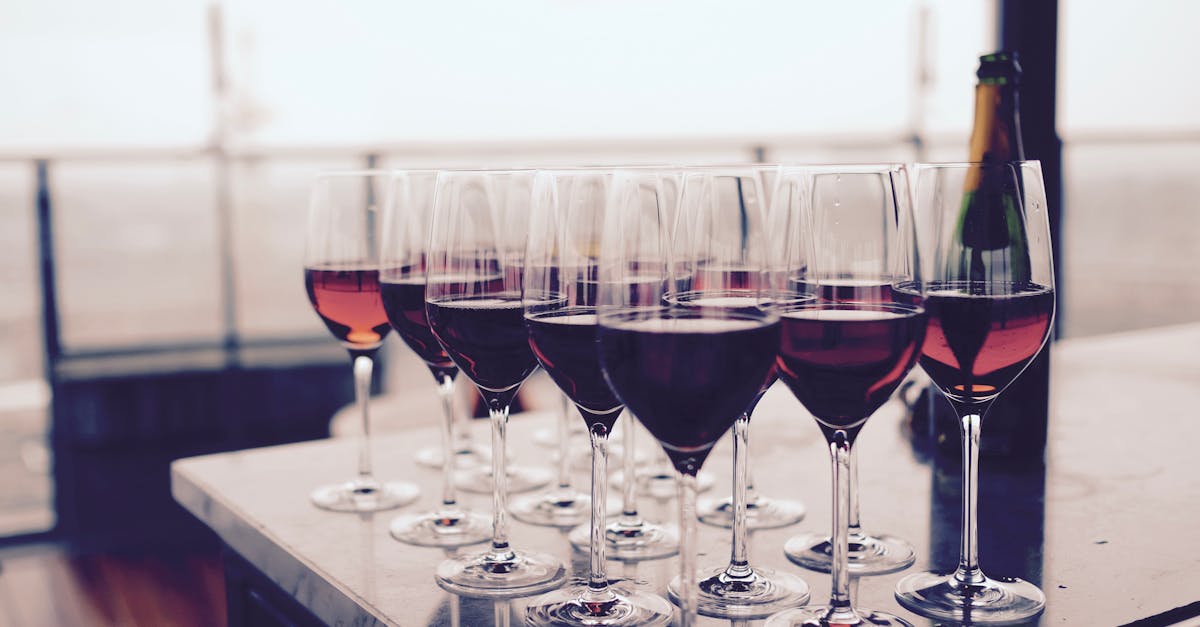
In 2025, the global wine landscape is at a turning point. Between global warming, constantly rising production costs, and changing consumer expectations, the industry must adapt to continue to attract consumers. The trend toward affordable wines, particularly those priced under €10, is emerging as a strategic response to these challenges. Even in iconic regions like Bordeaux, the Loire, and Provence, the search for accessible wines while maintaining a certain quality is becoming a priority. By 2050, this development could profoundly transform the wine economy, strengthening the democratization of wine tasting and further diversifying emerging markets. The complexity of the challenges is pushing experts to envision scenarios where simplicity and authenticity prevail, while remaining economically viable. This vision, centered around more responsible consumption and the preservation of terroirs, charts a path that promises a dynamic future for viticulture, provided that a balance between tradition and innovation is maintained. Wines under 10 euros: a necessary development for the global market
In recent years, the wine industry’s move upmarket has often overshadowed the affordable wine segment. However, in a context of economic crisis and inflation, these wines priced under €10 are gaining in importance. Demand has continued to grow, particularly in lesser-known markets such as Africa and Asia, where young people are seeking wines to accompany everyday meals or convivial gatherings. The globalization of tastes, combined with a search for simplicity and immediate pleasure, is pushing producers to reposition their offerings. It is vital to understand that these wines are not limited to simple Aligoté or Vin de Pay d’Oc, but can also come from prestigious terroirs such as Château de Pizay or Vins de Provence, provided that appropriate winemaking methods are adopted. Experts point out that competition between Languedoc wineries, Beaujolais wines, and Côte du Rhône wines is intensifying to attract a broad audience, often insensitive to price but demanding in terms of taste. The underlying trend indicates that, by 2050, the market for affordable wines will need to combine technological innovation, organic and biodynamic production, while maintaining a certain accessible simplicity. Many experts believe that, if this strategy is well executed, these wines will be able to continue to delight all palates, even in times of crisis.
Discover the fascinating world of wine: cultures, flavors, food and wine pairings, and tasting tips to enrich your wine experience.
The economic factors shaping wine affordability before 2050
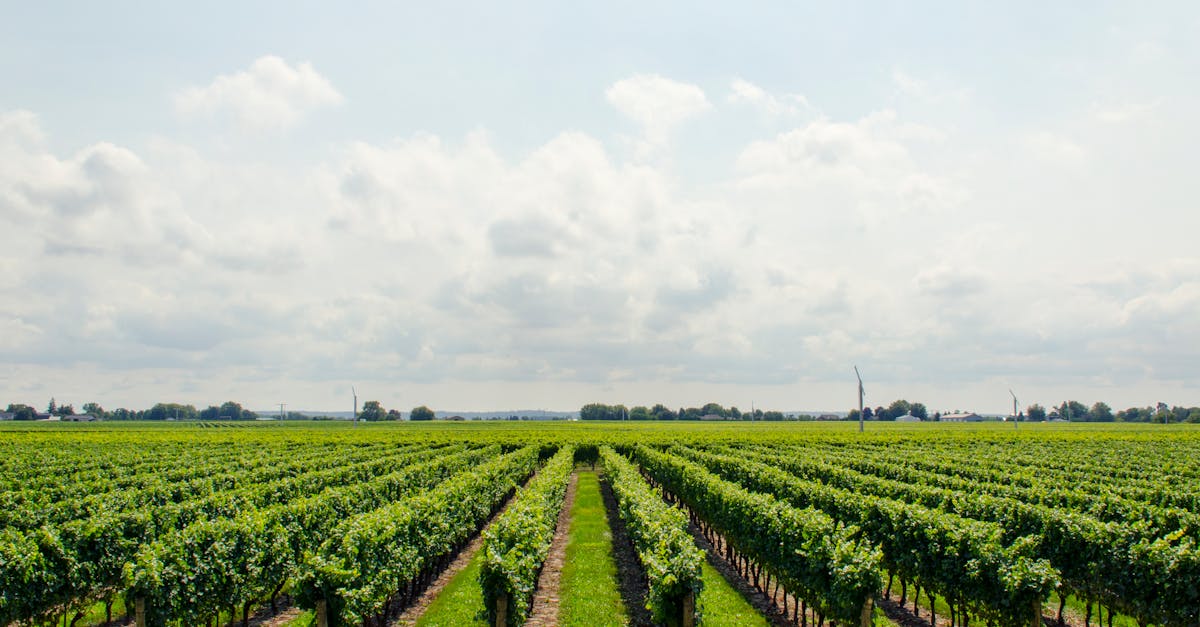
Fluctuations in the international market also play a key role. The competitiveness of Loire Valley wines and Bordeaux wines in emerging African and Asian markets requires an innovative trade policy. Lower taxes and adjustments to customs duties could also help maintain attractive prices for a wide variety of wines. Factors
Influences
Consequences
| Global warming 🌡️ | Impact on grape maturity | Pressure on innovation in viticulture |
|---|---|---|
| Production costs 💰 | Increasing overall spending | Research on cost reduction and new techniques |
| Emerging markets 🌍 | Increasing demand for affordable wines | Expansion of international distribution networks |
| Discover the fascinating world of wine: types, tasting, food pairings, and tips for choosing your bottles. Dive into wine culture and learn to appreciate every sip. | Innovative strategies for maintaining quality at low prices | To ensure that wines priced under €10 remain attractive in 2050, innovation will be essential. The digitalization of the sector optimizes traceability, reduces intermediaries, and ensures fair pricing. Online platforms such as Épicure Wines and the digital cellars of Languedoc have already proven that excellent value for money can be maintained through direct vineyard-to-consumer channels. Selecting terroirs, particularly in estates such as Domaine des Vignes or Vins de Provence, using modern winemaking techniques, enriches the taste profile without increasing the price. |
Use of new, resilient grape varieties
🌱
- Deployment of digital winemaking 💻 Promotion of biodynamic terroirs
- 🌱 Promoting authenticity through the stories of local vineyards Strengthening direct sales channels
- 🚀 Discover the fascinating world of wine: grape varieties, wine-growing regions, food and wine pairings, and tasting tips for wine lovers and novices. The role of public policies and regulations in favor of affordable wines
- Public policies play a decisive role in price stability. Reducing alcohol taxes, simplifying administrative procedures for exports, and implementing responsible labels all help balance costs. Initiatives such as organic or biodynamic certification, encouraged by government agencies, also offer levers to ensure sustainable viticulture is accessible while remaining competitive.At the same time, supporting innovation through subsidies or preferential credit rates, especially in regions such as Vins de la Loire or Caves de Languedoc, limits price increases and allows for investment in new technologies. For example, the development of precise irrigation or soil analysis tools could significantly reduce costs while respecting the environment. Cooperation between stakeholders, institutions, and winegrowers remains key to ensuring an affordable yet high-quality supply. Public Policies Effects
- Expected Results Tax Reduction 🏛️ Less Costly for Producers, More Stable Prices
Support for Innovation 🚀
Improved Production Techniques
Increased Yield and Controlled Costs
| Organic and Biodynamic Labeling 🌿 | Support for Sustainable Viticulture | Diversified Offerings and Respect for the Environment |
|---|---|---|
| Consumer Trends and Price Perceptions in 2050 | By 2050, the perception of wine as a luxury product could evolve toward a more ethical and responsible form of consumption. The global population, more aware of environmental and social issues, will favor wines produced with respect for the terroir, at affordable prices. The search for “guilt-free pleasure” will be accompanied by a preference for simple and honest wines, particularly Loire Valley wines or Provence wines, often valued for their authenticity. | The younger generations, family-oriented and connected, will likely be less price-conscious than their elders, as they will value recyclable packaging or labels of origin and sustainability. Consumption of wines from regions such as Alsace or Cahors could increase, their image being reinforced by eco-responsible marketing campaigns. The general trend will be toward a democratization of pleasure, with wines priced under €10 continuing to delight a diverse clientele, sometimes even demanding wine lovers looking for good value for money. |
| FAQ: Wines under €10: Myths and Realities | Can wines under €10 be good quality? | Indeed, with mastery of techniques and good terroirs, some affordable wines offer a very satisfying tasting experience, especially if you choose committed producers like Vins de Bordeaux or Vins de Provence. |
| How can you recognize a good wine at a low price? | You need to look at the label, look for recognized appellations, or consult guides like the one published by the Revue des Vins de France. Tasting remains the best way to judge. | Are budget wines at risk of disappearing in the near future? |
On the contrary, their position is set to strengthen, as demand influences the strategies of winegrowers, who will have to continue to innovate to maintain a balance between price and quality.
Which French regions offer the best wines for under 10 euros?
Regions like the Rhône Valley, the Loire Valley, and Languedoc offer impressive diversity, notably thanks to estates like Château de Pizay and Épicure Wines.