
Risks Associated with the Freshness of Wine by the Glass in Restaurants in 2025
Ordering a glass of wine with a restaurant meal remains a common practice, appreciated for its simplicity and conviviality. However, this habit now masks certain insidious dangers related to the freshness and quality of wine. In 2025, vigilance is required in the face of often non-transparent practices that jeopardize the authenticity of each tasting. The deterioration of wine after opening and the frequent practice of questionable storage fuel doubts about the freshness of the glass. Many are still unaware that, according to the Œnologue Conseille, an opened wine loses its finesse and liveliness in just three days, especially if it is not optimally stored.
Not all restaurateurs are aligned with the priority of transparency at the bar, which can lead to situations where a wine by the glass, which seemed promising, actually turns out to be degraded. The increasingly publicized phenomenon of the Vigilante Winery highlights how some establishments handle their inventory carelessly, notably by using bottles that have already been opened or leaving wines open for several days. Accurate tasting then becomes essential to avoid these pitfalls. It sometimes feels like a lottery: between the risk of drinking a wine whose freshness has disappeared and a desire to save money, the consumer can end up with a disappointing sensory experience.
To mitigate these risks, a few tips are worth putting into practice: ask to see the bottle being opened, buy a bottle rather than relying on the glass, or opt for establishments certified by the “Au Verre Sûr” label. By remaining vigilant, it becomes possible to preserve the freshness and quality of the wine, while avoiding the loss of its subtle aromas. The issue of transparency at the bar is not trivial, as accurate tasting requires precise traceability of each step. In 2025, the majority of informed wine lovers will turn to these precautions to ensure their uncompromising tasting pleasure.
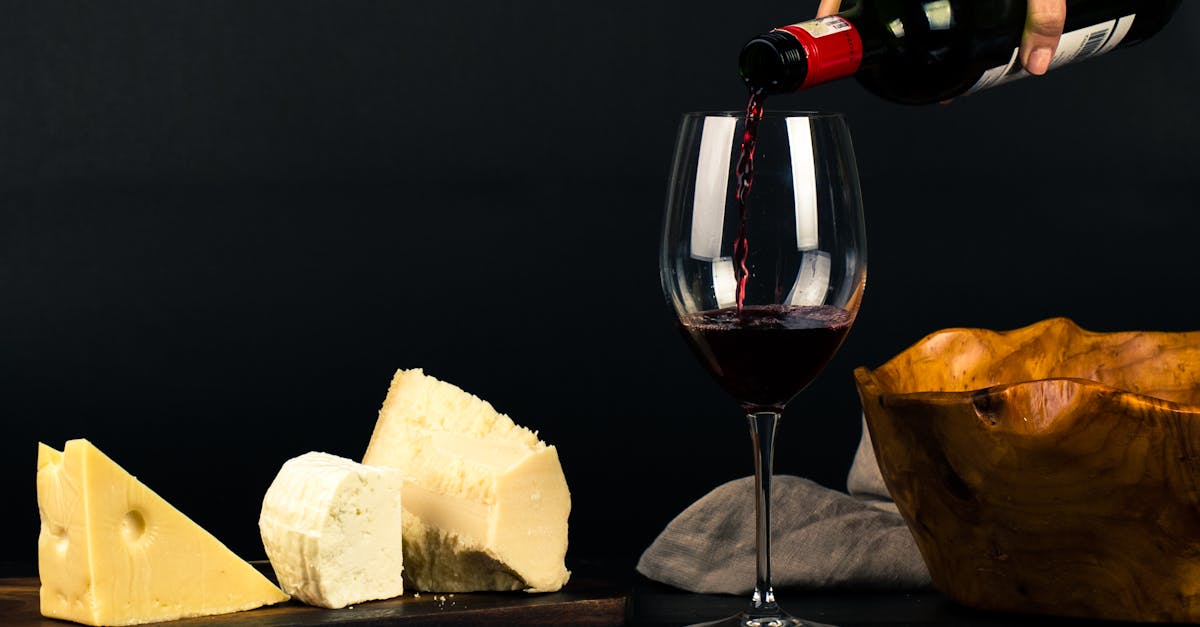
Wine deterioration after opening may not seem obvious at first glance, but it can be a real nightmare for lovers of quality wines. In 2025, several studies highlighted that the difference between a fresh wine and an aged one may simply lie in the length and method of storage. The main enemy is oxidation, which alters the molecular structure of the wine, reducing its aromas and transforming its flavors into a more acidic and less pleasant blend.
To better understand this chemical evolution, two key factors come into play: ventilation (exposure to air) and storage temperature. When a glass of wine is left exposed to the air or improperly stored, its aromatic components evaporate or become duller. Controlling the freshness of the glass, through careful tasting, therefore becomes an essential step for any connoisseur or simply curious wine lover. Proof of this is that a simple bottle left exposed to the air for a day can see its qualities drop by half, especially without a proper preservation system like a vacuum stopper or a vacuum pump.
According to the Œnologue Conseille, an opened wine must be consumed quickly, ideally within 48 hours, if its original qualities are to be preserved. However, some restaurateurs still ignore this essential rule, which explains why wine can lose its qualities as early as the first day after opening. So, how can you tell if a bottle is still fresh? Transparency at the bar is becoming crucial: a competent server must understand and guarantee the freshness of the wine served, avoiding serving a glass whose exact origin and condition remain unclear. Accurate tasting, essential for judging, sometimes requires a glass to be tested to ensure quality before ordering a full bottle.
In the face of these risks, several strategies have emerged to ensure the freshness of wine by the glass. The first is to prioritize a trusted selection, where inventory management and transparency at the bar help avoid unpleasant surprises. Some establishments are even promoting their “Au Verre Sûr” label, guaranteeing service based on the freshness and traceability of each bottle. The choice of winemaker is also crucial: when a restaurant works directly with a winemaker who respects local businesses, the safety of the bottle is often improved.
Next, the adoption of Precise Tasting allows you to verify the condition of the wine before making a decision. Asking to see the bottle open or to taste a glass firsthand is becoming a recommended practice. In 2025, the trend is even moving toward the implementation of innovative systems: when ordering, you can use electronic solutions to learn the history of each bottle, its opening date, and its optimal storage time. Establishments that prioritize Transparency at the Bar are generally equipped with a Wine Cellar, a monitoring system that ensures proper wine preservation. In addition, some highlight their ability to sell whole bottles, allowing consumers to limit deterioration and enjoy wines in perfect condition. Wine by the glass then becomes an option to consider with a certain amount of caution, especially if the tasting reveals that the freshness or noble complexity of the vintage is still preserved. The key lies in the selection of these venues, which promote responsible moderation and allow you to savor each glass with complete confidence.
Discover the world of wine: stories, grape varieties, food and wine pairings, and advice for choosing the perfect bottle. Deepen your knowledge of the world of wine and find ideas for every occasion.
Impact of Restaurant Practices on the Quality of Wine by the Glass in 2025
Furthermore, the price of wine, often inflated by hand to achieve a higher profit margin, can mislead consumers. The focus on sales by the glass rather than by the bottle fuels this atmosphere of quality deterioration, where transparency becomes a key issue. The ease with which degraded wine is served damages the very reputation of the sector. The best solution, therefore, remains to adopt a rigorous verification stance: ask for the bottle to be opened in front of you, inquire about the opening date, or favor establishments that have obtained certifications that guarantee the freshness of the glass.
Economic issues also play a role: some restaurateurs, to cope with the decline in per capita wine consumption, are seeking to artificially increase their profitability on affordable wines. Despite this, the trend is reversing in 2025, with a clientele increasingly vigilant and concerned about quality. Ongoing team training in accurate tasting and better cellar management remain the keys to improving service quality and maintaining wine lover loyalty. A careful selection of trusted wines and increased transparency inevitably result in a satisfying and authentic tasting experience for every customer.
FAQ: What you need to know to avoid the pitfalls of wine by the glass in 2025
How can you tell if a wine by the glass is still fresh?
The best method is to ask when the bottle was opened and to favor establishments that offer a detailed tasting. Drinking within two to three days of opening often guarantees optimal freshness.
Why is it better to order a bottle rather than a glass? The bottle allows you to control the wine’s preservation, preventing it from deteriorating after opening. If you return to the glass practice, transparency at the bar becomes essential to avoid disappointment. What are the risks of drinking a degraded wine?
The main consequences include the deterioration of aromas, increased acidity, and an unpleasant or bland taste. This can also lead to stomach aches or burning sensations. How can you trust an establishment with the freshness of its wine?
Look for a place that has a Safe Glass certification, practices Precise Tasting, or uses systems like Cave Vigilante. Recommendations from colleagues or friends are also a good indicator. Source:
www.mariefrance.fr
