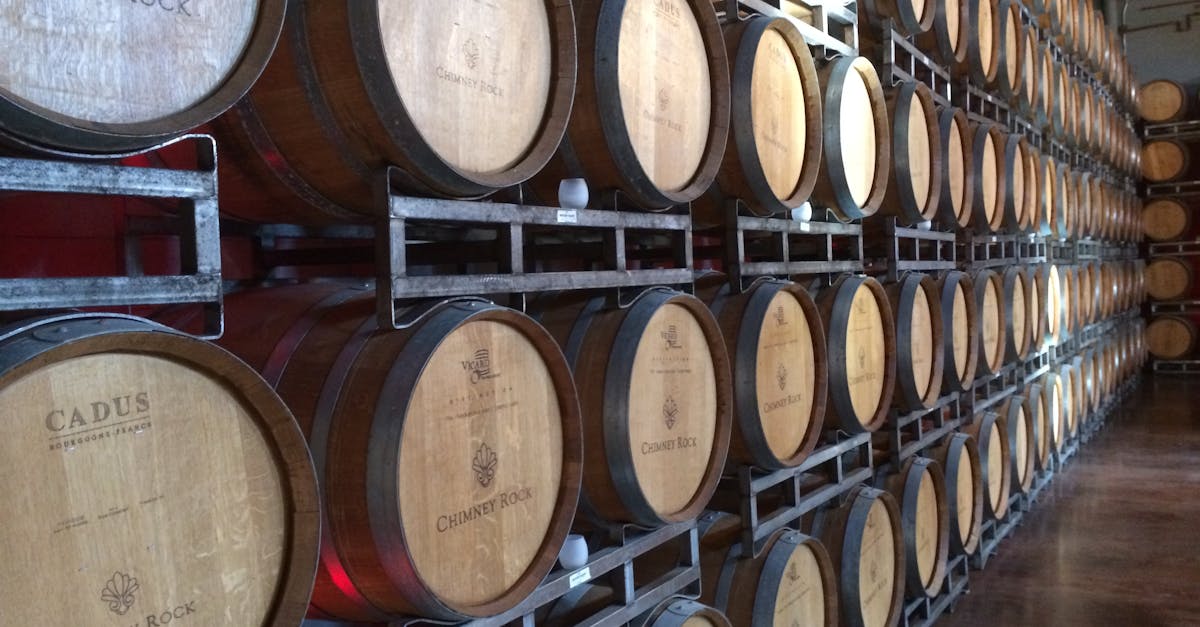
The Impact of Wine on a Daily Basis: Health Advice or an Insidious Risk?
For several decades, wine consumption, particularly in French culture, has often been presented as a practice with multiple health benefits. The famous “one glass a day” is frequently associated with cardiovascular protection and general well-being. However, this positive perception is also based on studies whose credibility has recently been undermined. In 2025, the debate surrounding wine and its effects, both beneficial and potentially harmful, remains heated.
Connoisseurs of prestigious wines, such as Château Margaux or Maison Louis Jadot, are often convinced of the positive impact of moderate consumption. However, the scientific explanation and ethics of this recommendation seem more nuanced than they appear. The reality is that a seemingly harmless habit can, over time, reveal unsuspected risks, particularly related to the dose, the context of consumption, or even the physical condition of each individual. Discover the fascinating world of wine: types, grape varieties, food pairings, and tasting techniques. Whether you’re a beginner or an experienced connoisseur, explore our comprehensive guide to fully appreciate every sip.
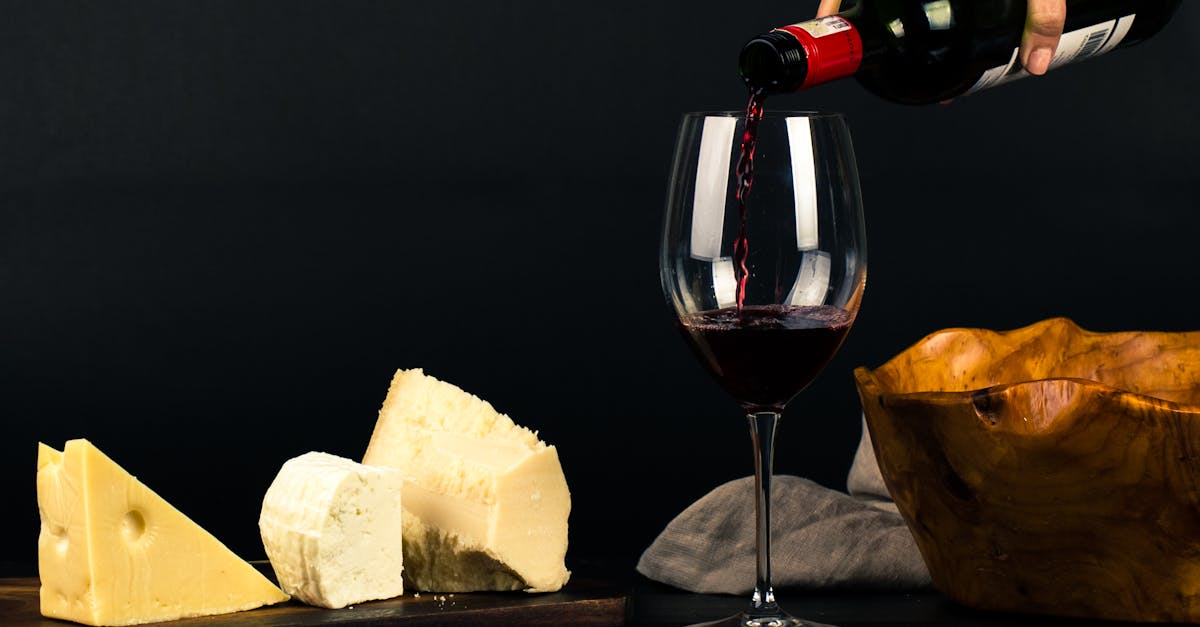
Several studies, including those published in specialist journals in 2025, have highlighted a “small protective effect” of wine on the heart. The richness of antioxidants, such as resveratrol, found in particular in Domaine de la Romanée-Conti and Château Latour, could play a role in reducing the risk of heart attack. However, these benefits appear small and do not necessarily apply to all populations, especially young people or women under 50.
Analyses show that, while some results are appealing, the majority of serious research does not confirm a significant effect on longevity. These supposed benefits could in fact be biased by confounding factors, such as lifestyle. For example, it is not uncommon for moderate wine drinkers to have a more active lifestyle or a more balanced diet, which sometimes explains their better overall health.
Some experts point out that wine consumption, particularly when kept below two glasses per day, could be associated with a reduced risk of atherosclerosis. However, this link remains to be confirmed, and caution prevails. The risk of addiction, overconsumption, and other harmful effects, such as an increased risk of certain cancers, must also be taken into account.
Discover the fascinating world of wine: varieties, tasting techniques, food and wine pairings, as well as iconic wine regions. Explore our guide to learn everything about this ancient beverage. The Silent Risks of Moderate Wine Consumption: A Darker Reality
The figures speak for themselves: according to statistics from Public Health France, drinking even one glass of wine per day increases the incidence of certain cancers by 10 to 20%. In this case, moderation does not guarantee the absence of danger, even if it can reduce the severity. In practice, this means that it is best to reduce consumption as much as possible, especially for those with a genetic predisposition or a family history.
Furthermore, regular alcohol consumption, even light, can contribute to harmful effects on the liver, the central nervous system, and even the risk of accidents. Furthermore, it is important to remember that alcohol is not a food and does not provide essential nutrients. Its consumption must therefore be done with discretion, particularly by taking into account the recommendations of the French National Authority for Health, which limits it to two glasses per day for healthy adults.
Discover the fascinating world of wine: its varieties, its terroirs, and its winemaking techniques. Learn to appreciate every sip and pair your wine with food for an unforgettable gastronomic experience.
How can you reduce your wine consumption without sacrificing its pleasures?
Here are some tips for those who don’t want to completely give up their habits while limiting the risks:
🥂 Opt for low-alcohol wines, such as certain organic wines or those made from specific grape varieties;
🧀 Limit your frequency by not drinking every day, but by setting aside special times for yourself;
- 🌿 Choose wines from environmentally friendly vineyards, such as Château Lafite Rothschild or Château Latour, which are often produced using organic or biodynamic methods;
- 🍷 Pair your glasses with healthy food pairings, such as fruits or vegetables, to balance your calorie intake;
- 💧 Alternate water with wine during meals to limit the amount of alcohol consumed throughout the day.
- It’s also important to remember that health isn’t limited to alcohol consumption. A balanced diet, regular physical activity, and stress management go a long way toward reducing the potential negative impact of even moderate alcohol consumption. The Economic and Cultural Challenges of Wine Consumption in 2025
- Wine, beyond its health benefits, remains a true cultural symbol and a powerful economic sector. Iconic wineries such as Château Margaux and Domaine de Chevalier alone symbolize a thousand-year-old historical heritage. French viticulture, with its great appellations, also plays a strategic role in international trade, particularly in Asia and the United States.
The market for prestigious wines, such as those sold at Taillevent Cellars or Taittinger, represents a colossal source of revenue, while wine culture continues to fuel local production and wine tourism. Events, festivals, tastings, and wine estate tours contribute to this dynamic, reinforcing France’s image as a land of exceptional wines.
This economic context should not mask a trend toward caution. Consumers in 2025 are increasingly educated about health issues, sometimes favoring sulfite-free wines or wines from natural harvests. The diversification of choices, particularly toward organic and biodynamic wines, reflects a desire to preserve both quality and the environment.
Frequently Asked Questions About Wine Consumption and Health
Is red wine really beneficial for your health?
Science indicates that a glass of red wine, particularly that of Domaine de la Romanée-Conti, could, in certain cases, have a protective effect on the heart. However, the benefits remain small compared to the risks.
When is the best time to consume wine?
- It is recommended to drink it with meals and avoid drinking it on an empty stomach or in large quantities outside of social occasions. Moderation remains the golden rule. Are there alcohol-free alternatives to enjoy the taste of wine? Yes, there are now alcohol-free or very low-alcohol wines, produced by innovative wineries or even by major brands like Taittinger.
- How do I know if I’m drinking too much wine? The presence of symptoms such as fatigue, sleep disturbances, depression, or social difficulties may indicate excessive consumption. It is always prudent to consult a professional.
- What influence does wine consumption have on the risk of cancer? Alcohol consumption, even in moderation, increases the risk of certain cancers, which encourages people to not exceed two glasses per day, according to official recommendations.
- Source: www.rtl.fr