
The Wine by the Glass Phenomenon: A Modern Solution or an Illusion of Savings?
At a time when wine consumption is rapidly evolving, serving wine by the glass is becoming a widely adopted practice in restaurants and bars, now accounting for nearly 64% of consumption. Yet, behind this popularity lies a key question: is wine by the glass truly a more economical option for consumers, or is it an illusion created by the practice itself? In reality, while it appears to offer welcome flexibility, its pricing mechanisms, business strategies, and implications for the quality of the experience can lead one to believe it’s saving money, even though the total cost sometimes turns out to be higher than buying a bottle. This trend, much more than simply a practical choice, is part of a profound shift in consumption habits, fueled by the search for diversity and moderation. However, it is essential to closely examine the financial reality behind this practice. By analyzing its mechanisms, hidden costs, and profitability strategies, it becomes clear that, paradoxically, wine by the glass is not always the most economical option, despite the attractive flexibility. This paradox, further reinforced by sales pressures and the impact on waste rates, deserves special attention so that no consumer or restaurateur is left with the illusion of more rational management.
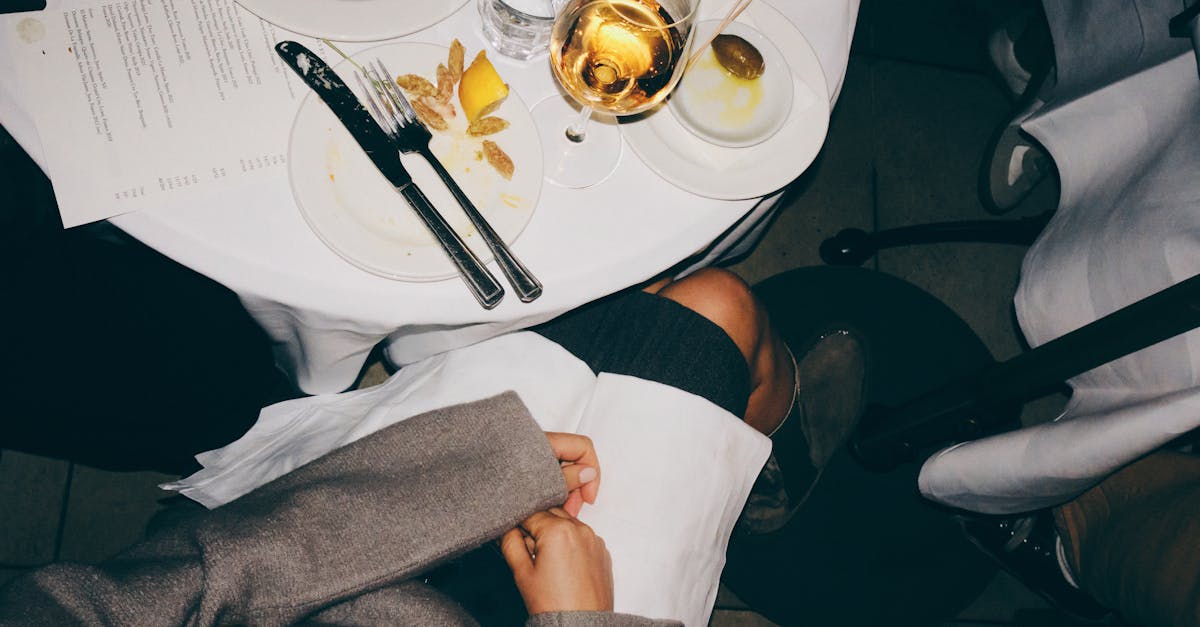
The reasons behind the success of wine by the glass in modern restaurants
In response to changing consumer behavior, the popularity of wine by the glass continues to grow. Consumers, more curious and demanding than ever before, often seek a number of advantages that only this method of serving can offer. Flexibility is undoubtedly the central point: it allows access to an infinite variety of choices without committing to an entire bottle. More concretely, during a dinner or tasting, it becomes possible to pair several types of wine with dishes, to make discoveries without major financial risk, or simply to adapt their consumption to their mood. One of the main factors driving this trend, directly linked to the consumption philosophy of moderation and diversity, also reflects an expectation of superior quality. Consumers want to explore new vintages, taste rare or fine wines at an affordable price, at every opportunity. Wine bar and restaurant owners often mention that wine by the glass perfectly meets this requirement, offering countless food pairing possibilities while controlling the portion size and alcohol content. Additionally, this method allows customers to limit their alcohol consumption while avoiding the waste of precious wines. Strategically, this practice promotes the promotion of lesser-known wines or private collections, while maintaining a focus on product quality and presentation, which boosts customer loyalty and satisfaction. 🎯 Diversity of choice for the consumer🧪 Discovery and experimentation without commitment
- 🍷 Possibility of pairing several wines with a single meal
- 🚶♂️ Flexibility in quantity and frequency of consumption
- 📉 Limiting waste through personalized consumption
- Discover our selection of wines by the glass, offering a range of flavors and aromas for every palate. Enjoy a unique tasting experience in a friendly atmosphere.
- The Mysteries of Cost and Economic Perception in Wine by the Glass
Price per glass
Price per bottle
| Comparison | 📈 Average cost of a glass | €3.20 | – |
|---|---|---|---|
| – | 📦 Volume of a glass | 12 cl | 75 cl for 6 glasses |
| Price per volume often comparable or higher for a glass | 💰 Total cost of a bottle | €19.20 | – |
| Often more cost-effective when purchased in bulk | 🤔 Misconception | Save money by choosing a glass | 〉 |
| In reality, several glasses can cost more than a whole bottle | Some restaurateurs insist that the price of a glass, multiplied by the number of glasses in a bottle, often exceeds the cost of purchasing the bottle. Consequently, the illusion of saving money doesn’t hold up under rigorous analysis, especially when considering the profit margin or the actual cost of service. Moreover, the debate is fueled by the fact that, for some establishments, selling by the glass is a strategy to increase their profit margin by leveraging the perception of affordable prices. A look at this economic analysis tool clearly shows that this practice promotes flexibility for the customer more than it benefits the restaurateur, also taking into account the waste rate often increased by poorly calibrated consumption. For those who think they’re saving money by choosing wine by the glass, it’s advisable to carefully study the displayed price and portion sizes. The majority of consumers, for their part, remain convinced that buying a bottle remains more cost-effective—unless they need to try several wines or want to moderate their consumption. | https://www.youtube.com/watch?v=nBp4GAC9P1Y | Economic challenges for restaurateurs when it comes to wine by the glass: strategies and margins |
For professionals, serving wine by the glass isn’t just about customer satisfaction. It’s also a key business strategy. Selling wine in single portions optimizes margins and provides flexibility in the face of new consumer trends, while also enhancing the value of their wine inventory. The golden rule for a restaurateur is to ensure that the price of the first glass covers the cost of purchasing the bottle, or at least partially, from the first drink. While this practice seems simple in theory, it actually relies on precise calculations, including cost control, quality management, and customer perception of value. 🧾 Ensure that the price of the first glass at least covers the cost of the bottle 💼 Diversify the offering to attract a diverse clientele 📊 Optimize inventory management and reduce waste
🤝 Build loyalty through a balanced wine selection
This business model encourages rapid sales, allowing for regular stock rotation without the risk of excessive waste. However, care must be taken not to fall into the trap of sales pressure, which could harm perceived quality and lasting customer satisfaction. The challenge is to reconcile profitability and the pleasure of tasting, as a greater diversity of choices often encourages the discovery of new wines, while avoiding excessive waste due to an inadequate portion. Transparency in pricing, combined with effective communication, becomes an essential lever for the customer to understand that, paradoxically, the real savings are sometimes hidden in cost control and not in the price displayed per portion.
- Discover our selection of wines by the glass, offering a unique experience for every palate. Savor carefully selected vintages, perfect to accompany your meals or for a refined tasting. Awaken your senses with our varied options, from classic varietals to bold discoveries.
- Perceptions vs. Reality: Deciphering Price and Economy in Wine by the Glass
- What may appear to be a matter of economy in wine by the glass often hides a complexity of costs and business strategies. For restaurateurs, it’s all about optimizing profitability while delivering a quality experience. The price by the glass is generally calculated to cover the direct costs of the wine, but it also includes margins to cover service, maintenance, and staff training costs. Element
- Role in Price
- Aspects to Monitor
💸 Cost of Wine

Quality, Origin, Grape Variety
🔧 Service Charges
| Inclusion in the Final Price | Staff Management, Equipment | 💎 Margins |
|---|---|---|
| Ensuring Profitability and Investment | Differences by Establishment | 🎁 Customer Perception |
| What Often Justifies the High Price | Perceived Value, Accompaniments | With this logic, customers may be led to believe they are saving money by ordering multiple glasses, but the reality is quite different. Most restaurateurs strive to ensure that each glass is profitable enough to cover the cost, often by playing on perceptions of quality and price. |
| The goal is also to reduce waste, as overserving or poorly calibrated wine can jeopardize profitability. Ultimately, the strategy relies on a detailed understanding of costs, which are often obscure to the consumer but essential for the establishment’s sustainability. The real question remains: at what cost do diversifying choices and offering wine by the glass compensate for the apparent cost difference compared to buying a bottle? | Frequently Asked Questions: Wine by the Glass: A Wise Investment or a Scam? | Is wine by the glass always more expensive than buying a bottle? |
| No, not necessarily. Depending on the establishment, the price of a glass can exceed the proportional cost of the bottle. The comparison must take into account the portion served and waste management. To better understand this concept, visit this article. | Why do some restaurateurs favor wine by the glass? Because it diversifies the offering, attracts a diverse clientele, and increases profitability through careful inventory and portion management. It also responds to the trend toward more moderate consumption. More explanation in this article. | Is wine by the glass truly economical for the customer? |
Not always. The perception of savings is often based on volumetric comparison, but reality shows that buying a bottle can be cheaper. The key lies in the consumption context and the price/value ratio displayed. See this article for more details. What impact does the price of wine by the glass have on margin management in an establishment?A higher margin, but careful waste management and a pricing strategy focused on customer perception are essential to ensure sustainable margins without compromising satisfaction. Learn more in this article.
