
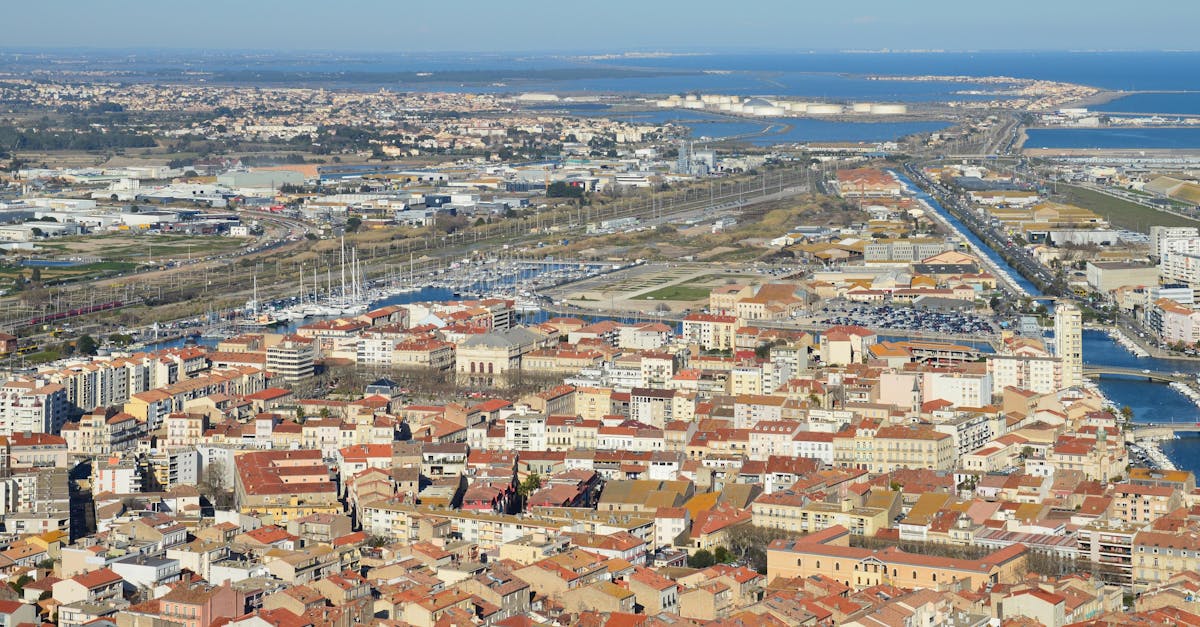
Languedoc-Roussillon isn’t just a vast expanse of vineyards in the south of France. This region, rich in its millennia-old history, boasts a range of terroirs that rival each other in complexity and flavor. Between generous sunshine, invigorating winds, and geological diversity, the vineyards stand out as an incomparable mosaic of flavors. In a world often monopolized by Bordeaux or Burgundy, the wines of Languedoc-Roussillon stand out with panache thanks to their boldness, authenticity, and ability to blend tradition and modernity. These often overlooked wines are gaining recognition, notably thanks to estates like Domaine de la Grange des Pères and Mas de Daumas Gassac, which are gaining momentum on the international scene. A quick detour through the vineyards is enough to understand this richness: the region stretches from Nîmes to the Spanish border, crossing landscapes ranging from schist plateaus to limestone plains, through granite and clay-limestone soils. It is this diversity of terroirs that allows winemakers to offer a range of wines with varied profiles, from powerful reds to fine and elegant whites, not to mention the region’s famous natural or organic cuvées. In 2025, Languedoc-Roussillon, with its environmentally friendly principles and bold winemaking practices, will establish itself as a major player capable of competing with the most established vintages. As we shall see, this region is not content with being the largest; it knows how to play all the cards to attract a demanding and curious public.
The varied terroirs of Languedoc-Roussillon: a unique geographical and climatic advantage
The secret of Languedoc-Roussillon wines lies largely in the richness and diversity of its terroirs. This region is much more than just a winegrowing region; it’s a veritable kaleidoscope of soils and climates that coexist and complement each other to offer unique expressions to the grape varieties cultivated.
The vineyards span nearly four departments: Gard, Hérault, Aude, and Pyrénées-Orientales. Let’s quickly review the specific characteristics of the terrain:
🌿
- Schist soils – These black and brown soils, very common in Roussillon, provide an intense minerality. They favor red wines rich in structure and beautiful aromatic complexity. 🪨 Pebble Terraces
- – Typical of Mediterranean regions, why not mention the terroir of Domaine Paul Mas, which cultivates these light soils, ideal for grape varieties such as Grenache Noir? 🧱 Sandstone and Marl
- – These clayey soils offer greater freshness, ideal for aromatic white wines such as those produced by Château de la Negly. ⚪ Limestone and Alluvium
- – Particularly in Languedoc, these soils produce balanced, natural wines with good acidity. Compared to other French regions, the characteristic Mediterranean climate of Languedoc-Roussillon plays a key role. Hot, dry summers ensure optimal grape ripeness, while winds, particularly the Tramontane and Marin, prevent the vines from developing disease and provide a refreshing coolness. This climatic cocktail allows the grapes to achieve a remarkable balance between sugar, acidity, and aromas, guaranteeing wines with character. 🔎 Special Features
🌍 Location
| 🥂 Influence on the Wine | Shale Soils | Roussillon Vineyard |
|---|---|---|
| Brings power, structure, and aromatic complexity to the reds 🍷 | Rolled Pebbles | Languedoc, particularly around Mas de Daumas Gassac |
| Promotes concentration and finesse, ideal for Grenache and Carignan 🎯 | Limestone soil | Aude and Hérault |
| Gives freshness and liveliness to white wines, such as those from Domaine de l’Arjolle 🍏 | Clay-limestone soil | Corbières, Minervois |
| Produces balanced and elegant wines, highly sought-after for their aging potential ⏳ | Like other Mediterranean vineyards, Languedoc-Roussillon combines all these influences to produce wines that are far from monotonous. It is this geographical variety that allows, for example, Domaine Manson to play on several terroirs, and Domaine de la Mandeline to successfully cultivate different red and white grape varieties adapted to their specific soils. | Discover Languedoc-Roussillon, a region rich in landscapes, culture, and history. Between the Mediterranean Sea and the mountains, let yourself be seduced by its famous wines, picturesque villages, and local gastronomy. |
What are the emblematic grape varieties that make Languedoc-Roussillon shine?
🍇
Carignan
- – Long the local star, it produces wines with color, structure, and good ageing. It is found in estates such as Château St. Martin de la Garrigue. 🍓 Grenache Noir
- – King of dry soils, it produces warm, generous, and rounded wines, very present in blends. 🌶️ Syrah
- – Bringing intensity and spicy notes, it produces colorful and perfectly balanced wines. 🌿 Mourvèdre – A later-ripening grape variety, it produces elegant, age-worthy and highly aromatic wines.
- 🌺 Cinsault – Essential for rosés, it adds freshness and a beautiful roundness.
- 🍋 Grenache Blanc and Picpoul – The whites are not left out with these grape varieties allowing to obtain round, fruity and fresh wines, perfect for a summer aperitif.
- 🍯 Muscat of Alexandria and Muscat à petits grains – Essential for natural, very fragrant and delicious sweet wines.
- Many producers like Domaine Paul Mas have been able to take advantage of this palette, by blending these grape varieties to create wines that are both modern and anchored in their terroir. Furthermore, certain areas such as Villa Minna Vineyard Or
Negly Castle stand out by offering vintages that are very representative of native grape varieties, often favoring natural vinification. 🍷 Grape variety 🎯 Importance 🌿 Aromatic notes
| 🍾 Wine style | Carignan | Historical key, structure | Black fruits, liquorice, spices |
|---|---|---|---|
| Red, powerful, long in the mouth | Black Grenache | Very popular, generosity | Ripe red fruits, garrigue |
| Red and rosé, fruity | Syrah | Complexity and power | Pepper, spices, black fruits |
| Red, aromatic | Mourvèdre | Aging, depth | Plum, leather, game |
| Full-bodied red | White Grenache | Freshness, roundness | Sweet fruity, a little nutty |
| White, ample and bold | Moreover, if you wish to better understand these grape varieties and their specificities, a detour through this | guide dedicated to Languedoc grape varieties | will open the doors to an exciting aromatic universe for you. |
Discover the beauty and richness of Languedoc-Roussillon, a sunny region in the south of France, famous for its varied landscapes, exquisite wines, and fascinating cultural heritage. explore its beaches, its mountains, and its charming medieval villages for an unforgettable experience. What are the flagship appellations that put Languedoc-Roussillon at the forefront? Languedoc-Roussillon is not just a single vineyard, but a patchwork of appellations, each telling a story and cultivating unique styles and traditions. Among the best known are:

Corbières
– The largest, with often powerful and spicy red wines made mainly from Carignan, Syrah, and Grenache.
- 🍷 Minervois – Rather elegant, with a balance between power and finesse. The terroir combines clay and limestone, favoring wines that are both complex and easy to drink.
- 🌄 Côtes du Roussillon – This appellation demonstrates the diversity of Roussillon, with concentrated reds, fruity rosés, and refreshing whites.
- ⛰️ Faugères – Schist terroir that lends exceptional minerality to the red and rosé wines, highly prized by discerning wine lovers. 🌳
- Saint-Chinian – Known for its smooth and full-bodied wines, each produced in a specific terroir, allowing for great diversity within a single appellation. 🍾
- Blanquette de Limoux and Crémant de Limoux – For bubbly lovers, these sparkling wines cultivate the region’s ancestral tradition of sparkling wines. Each of these appellations has its own rules of production and authenticity, contributing to the region’s rise in popularity on the national and international markets. The table below provides a clear overview of the appellations and their main characteristics:
- 📛 Appellation 🌄 Location 🍇 Dominant Grape Varieties
🏅 Special Features
| Corbières | Aude, hills | Carignan, Grenache, Syrah | Full-bodied, spicy red wines |
|---|---|---|---|
| Minervois | Languedoc, around the Canal du Midi | Grenache, Syrah, Carignan | Elegant, complex wines |
| Côtes du Roussillon | Pyrénées-Orientales | Grenache, Syrah, Carignan | Various red, rosé, and white wines |
| Faugères | Northern Hérault | Grenache, Syrah, Carignan | Marked minerality, powerful wines |
| Saint-Chinian | Southern Hérault | Syrah, Grenache, Mourvèdre | Diversity of styles depending on the terroir |
| Blanquette and Crémant de Limoux | Aude, Limoux | Chardonnay, Mauzac, Chenin | Historic sparkling wines |
| Iconic estates play a leading role in regional growth. We think in particular of | Domaine de la Grange des Pères | renowned for its powerful reds, or even | Château St. Martin de la Garrigue |
for its elegant and refined wines. Without forgetting the essential role of Esclans Cellars , champion of high-end rosés, who has been able to redefine the image of rosé wines. https://www.youtube.com/watch?v=QRFP0yUoBT8 Languedoc-Roussillon, cradle of natural and organic viticulture For several years, the region has established itself as a fervent defender of practices that respect nature. The winegrowers of Terre du Sud have taken the gamble of drastically reducing chemical intervention, favoring organic or biodynamic cultivation methods. This is not new, but in 2025, collective efforts will finally bear fruit spectacularly.Why this increase in power? The dry Mediterranean climate, strong winds and diversity of terroirs facilitate organic viticulture without compromising on quality. This paradigm shift benefits the wine, which asserts itself with more frank profiles, a vibrant expression of the terroir and a richer aromatic palette. This is the magic recipe adopted by areas like
or even
Manson Estate
. 🌱 > Organic and biodynamic : reduction of chemical fertilizers, working the soil by hand, respecting natural cycles🍇 >
- Natural wine : spontaneous fermentation, minimal use of sulfur and limited interventions 🌍 >
- Respect for the land : better expression of the place, protection of local biodiversity 🛡️ >
- Quality and typicality : longer vinifications, authentic expression that delights connoisseurs For all this, the region is now held up as a model, attracting oenophiles eager to discover healthy wines born from a sustainable and committed approach. For those who want to ignite their curiosity, this guide on
- how to choose your Languedoc-Roussillon wine sheds light on this new vision blending tradition and innovation. Discover the cultural and natural richness of the Languedoc-Roussillon region, a place where the Mediterranean Sea meets winegrowing and historical landscapes. Explore its picturesque villages, fine sandy beaches, and renowned wines for an unforgettable experience in the heart of southern France.
https://www.youtube.com/watch?v=D6lOOHY_2bU How do Languedoc-Roussillon wines appeal to an ever-widening audience? Beyond their diversity, what’s striking about Languedoc-Roussillon wines is their ability to offer excellent value for money. While other iconic regions often boast very high prices, Languedoc knows how to seduce without putting pressure on the wallet. It’s simple: you can find gems at all price points.
: wines that deliver value for their price, ideal for everyday consumption or special occasions
🌍
Variety of profiles : powerful reds, fresh whites, indulgent rosés, sparkling wines, and naturally sweet wines🧪 Innovation and tradition : unexpected blends, modern winemaking techniques, and respect for the terroir ✈️Tourist attraction: winery tours with tastings, often in stunning natural settings.
- It would be a shame to miss out on the Languedoc rosés, which are to be discovered without moderation. The local specialty of rosé wines offers a perfect balance between freshness and power, widely celebrated throughout the world. The growing recognition of the 2025 red wines can also be found on the website Languedoc Red Wines 2025 , a way to always be at the forefront of current trends. 🔝 Advantages of Languedoc-Roussillon
- ⭐ Impact on the consumer Wide range of styles, from red to rosé and white Multiple choices to suit tastes and occasions 🍷🥂
- Affordable prices without compromising on quality Guaranteed accessibility, perfect for all budgets 💸 Creative freedom of winemakers
- Bold and original wines that stand out from the crowd 🎨 Rich terroirs Authentic expression, depth on the palate 🌿
FAQ – Your questions about Languedoc-Roussillon wine What are the most emblematic wines of Languedoc-Roussillon? Powerful red wines like those produced by Mas de Daumas Gassac and Domaine de la Grange des Pères, naturally sweet wines such as Banyuls and Rivesaltes, and the sparkling wines of Limoux are among the must-try wines. What is special about the soils in this region? The region offers a wide variety of soils, ranging from schist to limestone, alluvial to clay-limestone, which enriches the distinctive character of the wines.How is organic viticulture integrated into the region?
| Languedoc-Roussillon has massively adopted organic and biodynamic viticulture, favoring more natural, authentic, and environmentally friendly wines, driven by a new generation of winemakers. | What type of wine is ideal for discovering the region? |
|---|---|
| To begin, the region’s rosé or crisp white wines are perfect for enjoying the typical freshness of Languedoc-Roussillon, available in appellations like Pic Saint-Loup. | Where can you quickly find information about Languedoc-Roussillon wines? |
| Specialized websites like | Vin et Chocolat |
| offer comprehensive resources for choosing and understanding the wines of this region. | |
