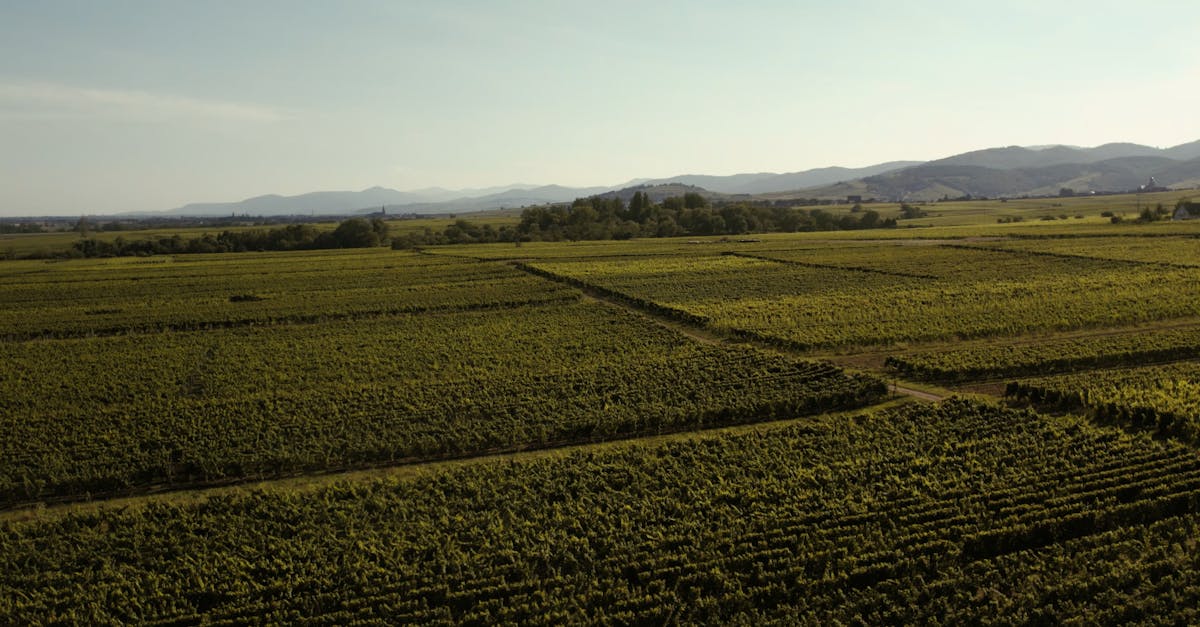
In the heart of eastern France, Alsace wine displays its unique character with a history and expertise that captivate wine lovers and novices alike. While most French wine regions cultivate a wide range of grape varieties and appellations, Alsace has maintained a strong identity focused on the purity and finesse of its wines, particularly its essential white grape varieties. But it’s not just about grape varieties: the Alsatian terroir, with its unique climate and varied geology, brings an unexpected depth to each bottle. Between ancestral tradition and progressive innovations, Alsace winemakers cultivate a dynamic that delights the senses without ever falling into pretension. Far from resting on its laurels, this region knows how to seduce with wines that are both accessible and complex, perfect for accompanying a meal with friends or for indulging in a more sophisticated tasting. This is why, year after year, Alsace wines continue to earn their stripes as exceptional wines, with a singular focus on grape varieties like Riesling, Gewurztraminer, and Pinot Gris. Whether for their freshness, liveliness, or great aptitude for aging, these wines are now more than ever worth discovering, particularly through wine tourism tours that showcase this region beyond its borders. Between finesse, diversity, and a hint of organic rebellion with biodynamic wine, Alsace wine has plenty to amaze and surprise, so why not give it a chance?
The Alsatian terroir, a unique playground for Alsace wines 🌍
The secret that makes Alsace wine so special begins with its exceptional territory
The vineyard stretches from Strasbourg to Mulhouse, covering approximately 100 kilometers, occupying an area where the cold, dry, and sunny climate directly influences grape ripeness. This continental climate is reinforced by the natural protection of the Vosges Mountains, which creates a sheltering effect and promotes sunshine. It is this context that allows for slow ripening, giving the grapes time to develop intense aromas while maintaining remarkable freshness—a balance that is not so easy to find in other regions. The geological richness of the Alsatian terroir is another strong point. The extremely varied soils offer a very specific mineral cocktail: white, yellow, and gray limestone, as well as schist, granite, and siliceous rock. These variations in the soil translate into a notable aromatic diversity in the wines. For example, schist soils promote floral aromas and a pronounced minerality, while limestone soils produce robust wines with long aging potential. Yellow limestone terroirs: powerful wines with ageing potentialSchist and siliceous sandstone: freshness and finesse
Granite and gneiss: floral and mineral aromas
- The Vosges effect: dry and sunny climate, slow ripening
- Vineyards on hillsides with southeast to southwest exposure for optimal sunshine
- Climatic / geological factor 🍃
- Effect on the wine
- Example of an impacted grape variety
| Dry and cold continental climate | Late harvest, freshness, preserved acidity | Riesling, Sylvaner |
|---|---|---|
| White and gray limestone soils | Power, ageing potential | Pinot Gris, Gewurztraminer |
| Siliceous and schist soils | Mineral and floral notes | Riesling, Muscat |
| Vosges effect | Protection against humidity and wind, increased sunshine | All Alsatian grape varieties |
| Discover the wines of Alsace, a renowned wine-growing region in France, famous for its aromatic grape varieties and picturesque landscapes. Explore the richness of the terroirs and let yourself be seduced by great vintages that combine tradition and innovation. | Alsace grape varieties, undisputed stars of white and red wines 🎉 | The strength of Alsace wines lies in their grape varieties, and here, they play the single-varietal card without any fuss. The terroir serves as a backdrop, but it’s varieties like Riesling, Gewurztraminer, Pinot Gris, Muscat, and Sylvaner that steal the show. Also of note is Pinot Noir, which remains the only red grape variety widely used in the region, but not in large numbers, since excellence is mainly discussed in white wines. |

Gewurztraminer, on the other hand, focuses on powerful and exotic aromas: lychee, rose, and spices—a true olfactory firework. It’s a wine that thrives on indulgence and can pair seamlessly with foie gras or desserts. Pinot Gris produces a richer, sometimes full-bodied wine with a length that delights curious palates, while Muscat, drier than its southern cousins, offers a surprising freshness, almost like biting into fresh grapes. Don’t forget the more discreet Sylvaner, which seduces with its dry and lively wines, perfect for oysters or fish. Riesling: 21% of the vineyard, finesse and minerality Gewurztraminer: 18% of the vineyard, exuberant aromasPinot Gris: 12% of the vineyard, fleshy and rich Sylvaner: 12% of the vineyard, fresh and fruityMuscat: 2% of the vineyard, dry and floral Pinot Noir: 9% of the vineyard, the only Alsatian red Grape variety 🍇 Percentage of the vineyard Dominant characteristics
Food and wine pairings 👩🍳 Riesling 21%
Fresh, mineral, marked acidity Fish, seafood, wines for agingGewurztraminer
18% Fruity and spicy aromas, full-bodied Foie gras, spicy dishes, desserts Pinot Gris12% Rich, round, oakySaucey dishes, white meats
- Sylvaner
- 12%
- Dry, lively, fruity
- Shellfish, fish
- Muscat
- 2%
| Dry, floral, powerful | Starters, aperitifs | Pinot Noir | 9% |
|---|---|---|---|
| Fruity, light, moderate tannins | White meats, charcuterie | https://www.youtube.com/watch?v=HwJZk5vFmU4 | Winemaking methods and the importance of biodynamic wine 🍷🌿 |
| Beyond the terroir and grape varieties, the way wines are made in Alsace adds an extra dimension to the experience. Respect for the grape and the purity of its expression are central to the concerns of Alsace winegrowers. Thus, winemaking is often geared toward enhancing fruit and freshness, with less industrial intervention. | Over the years, a strong trend has emerged: biodynamic wine. This method, based on agriculture that respects nature, seeks to strengthen the vitality of the soil and vines by relying on almost ancestral natural practices. In Alsace, many producers are adopting these approaches, convinced that it brings real aromatic added value and a unique elegance to the wine. | This philosophy is reflected in: | Manual harvesting for rigorous selection |
| The use of natural composts and herbal infusions to care for the vines | Minimalist cellar work without excessive sulfites | A holistic approach recognizing natural cycles | These commitments allow Alsatian wines to gain in personality, aromatic precision, and power. Biodynamic wine also gives Alsace wines a modern and committed image, attracting customers concerned with both quality and ethics. To get started, check out the biodynamic wines from Alsace to discover. |
| In 2025, this could be an excellent starting point. | Biodynamic Practices 🌱 | Impact on Wine | Example of Benefits |
| Hand-picked Harvests | Selection of Ripe and Healthy Grapes | Clean Wines, Consistent Quality | Natural Preparations (Compost, Plants) |
| Better Soil-Plant Balance | Frank and Stable Aromas | Low-Intervention Vinification | Pure Expression of the Grape Variety |
A Holistic Approach
Respect for Natural Rhythms
Optimized Aging Discover the refined wines of the Alsace region, blending tradition and innovation. Explore the unique grape varieties and exceptional terroirs that make Alsatian wines famous, combining freshness and complexity with every sip. https://www.youtube.com/watch?v=T1w-EqjaMiwThe appellations and special mentions that distinguish Alsace wines ⭐
To make the right choice when buying an Alsace wine, you need to know how to decipher the appellations and mentions that speak volumes about style and quality. Since 1984, Alsatian wines have benefited from a strictly regulated AOC classification. Four main categories emerge:
- Alsace AOC: wines made from a single grape variety, often named after their grape variety, sometimes supplemented by a specific lieu-dit.
- Alsace Grand Cru: wines produced in 51 privileged lieux-dits, with only four authorized grape varieties (Riesling, Gewurztraminer, Pinot Gris, Muscat). These are the stars for connoisseurs. Crémant d’Alsace: Sparkling wines made using the traditional method, perfect for aperitifs or special occasions.
- Vendanges Tardives and Sélection de Grains Nobles: Rare labels highlighting highly concentrated, sweet or mellow wines made from grapes harvested at peak ripeness, often with noble rot (botrytis).
- It’s a classification that takes into account both expertise and geology, with great respect for typical grape varieties and production methods. These appellations guarantee a more than satisfying experience, with every sip. Appellation 🍷
Authorized Grape Varieties Style & Characteristics Tasting Advice
| Alsace AOC | All Alsatian grape varieties | Single-varietal wine, dry to medium-dry |
|---|---|---|
| Everyday wines, easy to drink | Alsace Grand Cru | Riesling, Gewurztraminer, Pinot Gris, Muscat |
| Expressive, complex wine for laying down | Pairs very well with gourmet dishes | Crémant d’Alsace |
| Pinot Noir, Pinot Blanc, Pinot Gris, Riesling | Sparkling wines, fine bubbles, refreshing | Ideal as an aperitif or for celebrations |
| Vendanges Tardives / SGN | Riesling, Gewurztraminer, Pinot Gris, Muscat | Sweet, concentrated, and complex wines |
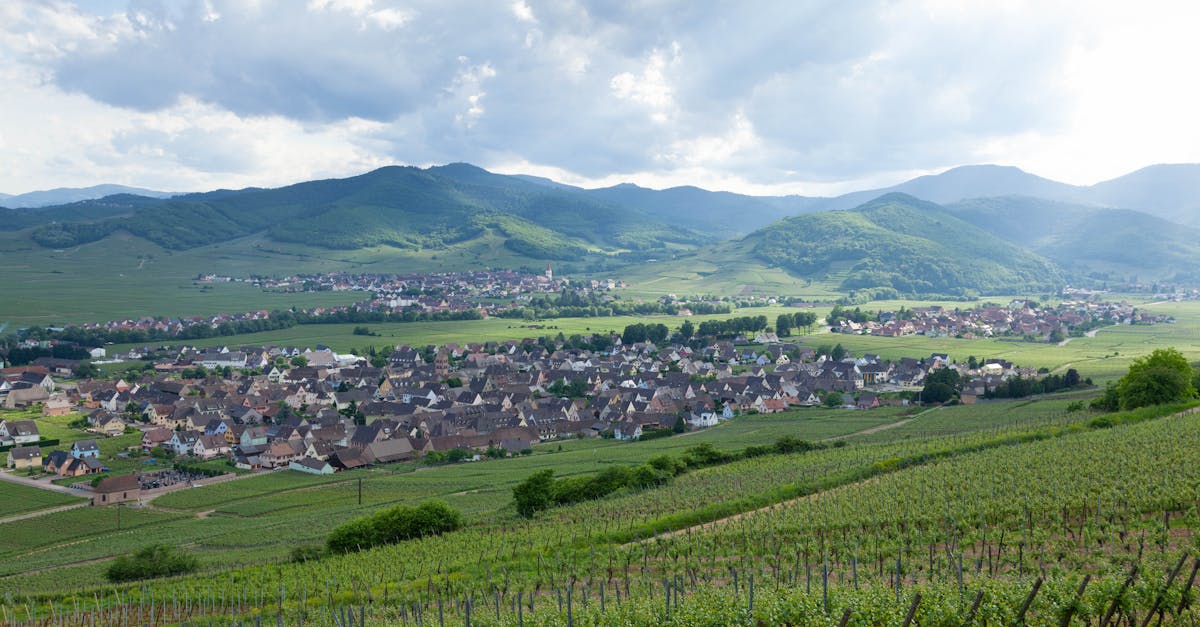
choose the ideal season to taste an Alsace wine, click here! Food and Wine Pairings: How to Enhance Alsace Wines at the Table 🍽️
No need to complicate things: Alsace wines are incredibly versatile at the table thanks to their freshness and aromatic diversity. Playing with their balance and aromas to complement dishes makes all the difference. Here are a few easy-to-follow ideas to ensure everyone is happy:🥂 Aperitif: a
- Muscat d’Alsace
- or a
- Crémant
- to open the taste buds
🍗 White Meats & Charcuterie: Pinot Gris or Pinot Noir, depending on the richness of the dish
| 🐟 Fish & Seafood: Riesling or Sylvaner; the freshness and mineral notes are a perfect match | 🍰 Desserts: Gewurztraminer or late harvest wines for a smooth finish | The possibilities are endless, whether for a simple meal or a grand gourmet tasting. Dish Type 🍽️ | Recommended Alsace Wine 🍷 |
|---|---|---|---|
| Why? 🎯 | Aperitif | Muscat, Crémant | Freshness, bubbles, and fruity aromas |
| White Meats | Pinot Gris, Pinot Noir | Structure and roundness to balance | Fish, seafood |
| Riesling, Sylvaner | Freshness and minerality | Desserts | Gewurztraminer, Late Harvest |
| Sugar and spices for a sweet treat | To find the best bottles without the hassle, explore | online purchasing options | and discover the advice of |
expert wine merchants specializing in Alsace wines .Practical FAQs for choosing and appreciating Alsace wines 🧐
Why are Alsace wines mostly white?
The dry, cool climate favors white grape varieties, which retain freshness, acidity, and fine aromas. Pinot Noir remains the only red grape variety, but a very small minority.
How can you recognize a Late Harvest designation?
- It involves a late hand-harvested harvest with very ripe grapes, often affected by noble rot, which produces sweet and complex wines. Is biodynamic wine really better? It’s not a question of absolute taste, but Alsatian biodynamic wine often offers a more intense aromatic palette and a beautiful expression of the terroir. Which Alsace wine should you choose for a convivial meal? A Crémant d’Alsace as an aperitif and a Pinot Gris or Riesling as a main course can perfectly satisfy most guests. Where to taste Alsace wines in 2025?
- Many estates and wineries offer tourist tours, perfect for a stress-free immersion in the region (
- discover here).