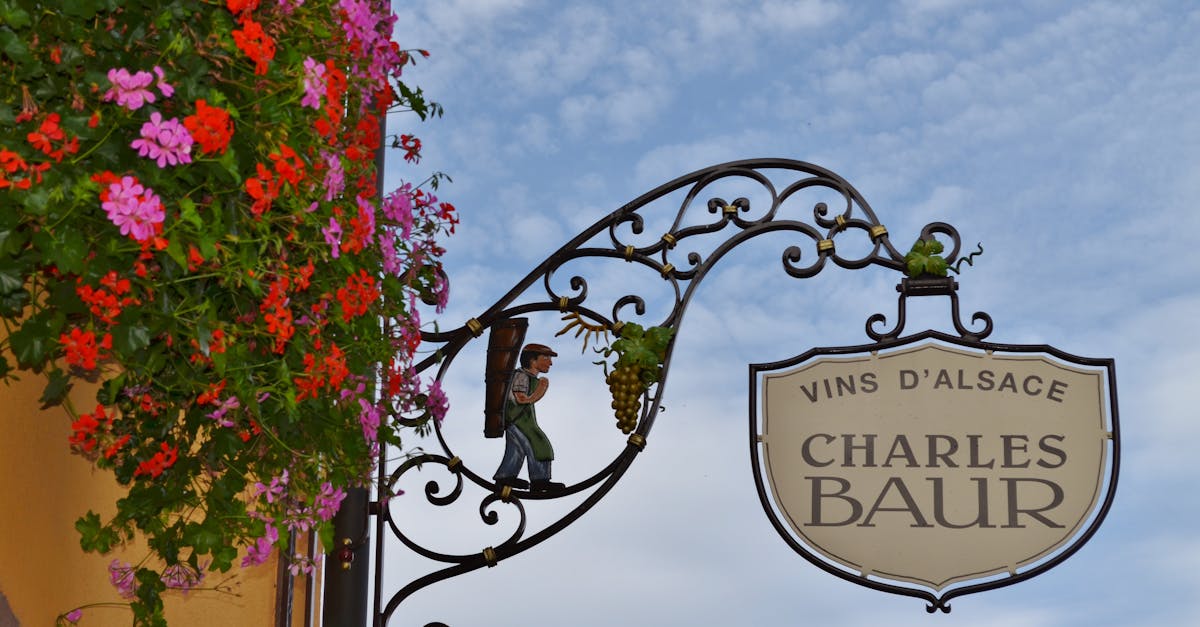
When we talk about wines that satisfy everyone at the table, Alsace often comes in pole position. This region in northeastern France, long and dotted with small, postcard-perfect villages, boasts a unique vineyard. Here, the wines aren’t just liquids to be uncorked as an aperitif, but true ambassadors of a rich tradition and an exceptional terroir. Yet, despite all their qualities, they sometimes remain in the shadow of more high-profile regions like Burgundy or Bordeaux. So why does Alsace wine stand out so much and why does it deserve a special place in our glasses and our hearts?
We’ve put together a hassle-free overview, with simple keys to understanding what makes these wines so charming and original. The Alsatian vineyards benefit from a semi-continental climate, between the Rhine and the Vosges Mountains, which favors slow grape ripening. This unique climatic circumstance allows the grape varieties to reveal a floral and mineral bouquet that few other regions can boast.
But where Alsace truly stands out is in its appellation system and the very clear way in which the grape variety is indicated on the label. It’s arguably the only place in France where this transparency is so well respected, making life easier for both wine connoisseurs and novices. It’s a great way to find the perfect bottle to accompany your ratatouille, a spicy curry, or even your favorite dessert, like a chocolate chip cookie.
We invite you on a journey to the heart of Alsatian grape varieties, from grands crus to late-harvest wines, from the secrets of the most famous vineyards to smart purchasing strategies. All this is complemented by concrete examples and favorites from iconic wineries like Domaine Zind-Humbrecht and Cave de Ribeauvillé, true benchmarks in the field. Are you ready? Let’s go and find that little gem of a wine that’s sure to awaken your taste buds and dazzle your eyes.
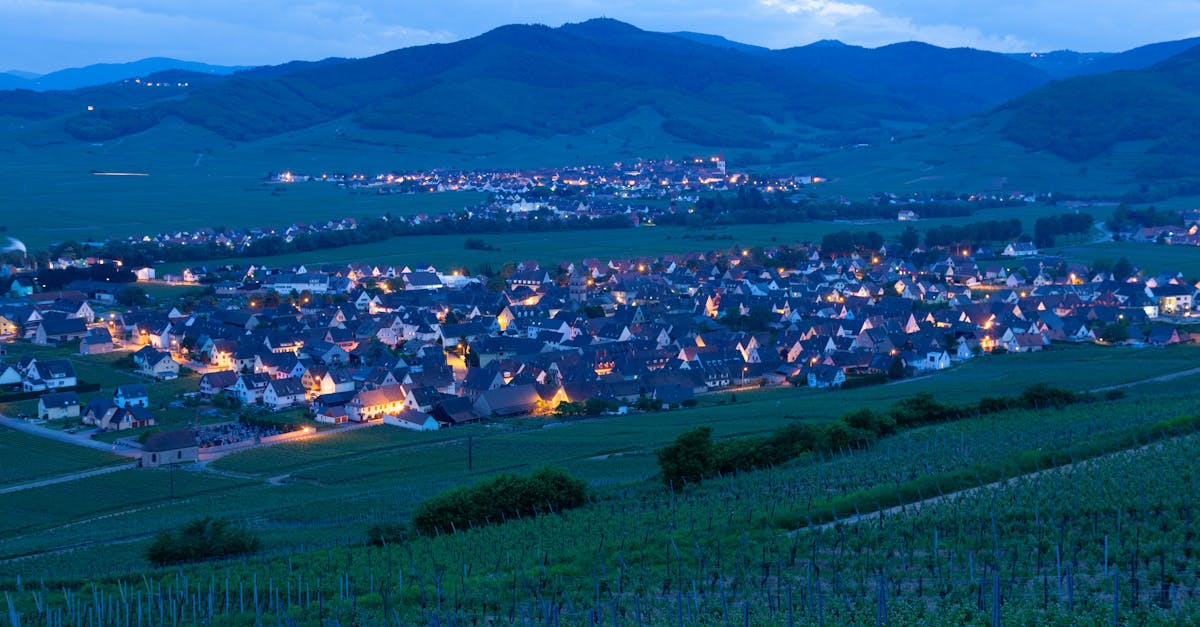
In the French wine landscape, Alsace stands out thanks to its array of noble grape varieties that are unlike anything else. Here, the wines proudly display their grape variety clearly on the label, which is not at all the norm in other regions where blending reigns supreme. This transparency is a real boost for consumers who want to get it right from the very first purchase.
To help you get it right, here is a list of the main grape varieties that are the pride of Alsace: 🍇
Riesling
- : The undisputed king of Alsace, it produces dry, powerful, and mineral wines, with that famous delicate and floral “petroleum taste.” Gewurztraminer
- : A wine with intense aromas of lychee, rose, and spices, almost theatrical but irresistible as an aperitif or paired with foie gras. Pinot Gris: Rich and full-bodied, it exudes smoky and fruity notes that rival the world’s finest white wines. Muscat: Aromatic and refined, it charms even the most discerning palates, perfect with spicy dishes.
- Pinot Blanc : Light and lively, perfect for those looking for an uncomplicated dry white wine with sweet fruity notes.
- Sylvaner : Somewhat overlooked, this is a more neutral wine, often used in blends to add freshness.
- Pinot Noir : The only red color in the area, sometimes criticized for its lack of depth, but which reveals its charms in the hands of estates like
- Domaine Marcel Deiss or the
- Famille Schmitt . Alsatian white wines often stand out for their aromatic power and a balance between freshness and sweetness, which makes them easy to pair with a wide range of dishes. Speaking of pairings, they can be just as effective with seafood as with exotic cuisine. 🍷 Grape Variety ⭐ Typical Flavors ⏳ Aging Potential🥘 Food Pairings
Riesling
| Citrus, mineral, petroleum | 3 to 15 years (20+ years for late harvest) | Fish, poultry, Asian cuisine | Gewurztraminer |
|---|---|---|---|
| Exotic fruits, rose, spices | 5 to 15 years (up to 25 years for late harvest) | Foie gras, spicy dishes, strong cheeses | Pinot Gris |
| Ripe fruit, smoky, creamy | 4 to 10 years (longer for late harvest) | Elaborate dishes, fish in sauce | Muscat |
| Floral, muscaté | 3 to 5 years | Indian, Chinese cuisine, spices | Pinot Blanc |
| Apple, flower, honey | 4 to 5 years | Starters, salads, light fish | And that’s just the beginning. The diversity of the soils—granite, schist, marl-limestone—allows each grape variety to express itself uniquely according to the chosen terroir. It’s as if Alsace offers an infinite palette of nuances for each of them, inviting discovery and renewed pleasure. |
| https://www.youtube.com/watch?v=ncj_HJjazQA | What Makes Late Harvests and Selections of Noble Grains So Special | Let’s talk about another reason why Alsace wines leave no one indifferent: the famous Late Harvests and Selections of Noble Grains | These special appellations are synonymous with rich, concentrated wines with explosive aromas and often impressive longevity. |
Late harvests are truly a fine art. Here, the grapes are left on the vine a little longer, until they reach optimal, almost indulgent ripeness. The result is powerful, full-bodied wines that can naturally reach up to 16% alcohol. These vintages reveal noble flavors of honey, dried fruit, and sometimes even saffron or gingerbread… enough to please everyone as an aperitif or with dessert.
Late Harvest:
Fruit harvested very ripe, powerful, and rich, but can be dry or sweet. 💡 Noble Grain Selection: Grapes affected by noble rot, sweet wines, very concentrated and long on the palate.💡
Aging Potential:
Up to 30 years for SGN, 5-25 years for late harvest. These exceptional wines pair wonderfully with gourmet dishes, from foie gras to rich cheeses, and even chocolate desserts (yes, an Alsace wine pairs wonderfully with chocolate; we highly recommend this guide for top pairings). Château du Domaine Weinbach is a perfect example of a house that excels in this category, as is Domaine Zind-Humbrecht, which enhances its grape varieties by producing ultra-precise vintages, marked by remarkable finesse and elegance.Discover the fascinating world of Alsace wines, a wine-growing region renowned for its aromatic grape varieties and picturesque landscapes. Explore the richness of Alsatian terroirs and winemaking traditions, and benefit from tips on tasting and pairing these exceptional wines with your favorite dishes. The 3 key points for recognizing a good late harvest wine or Sélection de Grains Nobles:
- Clear label with the mandatory mention “Vendanges Tardives” or “Sélection de Grains Nobles” A balance between aromatic richness and freshness (acidity) that prevents the wine from being heavy Good aging potential – be careful not to drink them too early
- https://www.youtube.com/watch?v=PJWX44n9rYE The Grands Crus of Alsace: exceptional terroirs to discover Like Burgundy, Alsace boasts some fifty Grands Crus, which demonstrate how this region knows how to take advantage of its varied terroirs. These 51 vineyards are meticulously delineated and selected to produce superior quality wines, particularly from the classic Riesling, Gewurztraminer, Pinot Gris, and Muscat grape varieties. Among the most famous are names like:
- Altenberg de Bergbieten with its full-bodied, deep wines that combine salinity and elegance Brand
in Turckheim, known for its citrus notes and impeccable balance Eichbergin Eguisheim, which offers full-bodied, honeyed wines, perfect for lovers of powerful wines
These grands crus often require careful aging and time to reveal their full complexity. The terroir is a determining factor: between granite, limestone, clay, or volcanic soils, each vineyard has a personality that makes it unique.

📍 Location
- 🍇 Main Grape Varieties
- 🔑 Special Features
- Altenberg de Bergbieten
Riesling, Gewurztraminer
Massive acidity and length on the palate
Brand
- Turckheim Riesling, Pinot Gris, Gewurztraminer
- Salty Freshness and Citrus Notes Eichberg
- Eguisheim Riesling, Gewurztraminer, Pinot Gris
Dense and Full-Bodied, Honeyed Notes
| Moreover, the | history of wine in Alsace | is intimately linked to these exceptional terroirs, to which a few renowned estates such as | Trimbach |
|---|---|---|---|
| or | Domaine Ostertag | have infused their expertise and passion for wines that age well… and that make a name for themselves with every tasting. | We cannot talk about Grands Crus without mentioning the famous clos – these walled plots that concentrate quality and character. Gems like |
| Clos des Capucins | at | Domaine Weinbach | or |
| Clos Saint-Urbain | at | Domaine Zind-Humbrecht | not only possess a fascinating history, but also vintages capable of dazzling for a long time to come. Why Alsace wines remain a well-kept secret and how to discover them without making a mistake. |
Despite all their quality, Alsace wines don’t always enjoy the reputation they deserve. Several reasons explain this somewhat paradoxical phenomenon. First, the slender and distinctive shape of their bottles—the famous Alsatian flutes—can put off some consumers. They sometimes evoke German wines, which in the collective imagination are associated with bland or low-end vintages. This preconceived notion hinders the discovery of these gems. Second, the massive influx of high-yield, often standardized, and lacking character, blurs the image of an entire region, capable of producing wonders. Finally, the sometimes overly technical labels, with unclear information about residual sugar, disconcert less knowledgeable wine lovers. Here are some tips to avoid pitfalls and choose Alsatian wines that live up to this fabulous terroir: 🔎 Look for the “Grand Cru,” “Vendanges Tardives,” or “Sélection de Grains Nobles” labels, which guarantee high quality. 💡 Look for renowned wineries such as Domaine Marcel Deiss, Cave de Turckheim, or Famille Schmitt, which boast truly recognized expertise. 🛒 Opt for affordable Alsace white wines, perfect for beginners without breaking the bank, by choosing “affordable and amateur white wines” (more information here). 🍽️ Don’t hesitate to pair these wines with specific dishes: they shine just as well with fish dishes as they do with Asian, spicy, or sweet and savory cuisine. 🎯 For a bold pairing, dare to try a Gewurztraminer with white chocolate; it’s a combination that works wonderfully (discover it for yourself).
The market currently offers a source of excellent bargains, although sometimes still under-exploited, particularly thanks to tastings organized by certain estates and wineries, such as the Cave de Ribeauvillé . Taking the time to explore, ask questions, and benefit from the winemakers’ advice is an excellent way to unearth gems at affordable prices. https://www.youtube.com/watch?v=7r798us-MAc A sustainable and evolving vineyard: organic Alsace and its major players It would be a shame to forget that Alsace is also at the forefront of organic farming. This region, with more than 2,200 hectares of organic vines, is now the third largest organic vineyard in France. This responsible approach not only respects local biodiversity, with its bees and other essential pollinators, but also contributes to producing more authentic and expressive wines. Respect for nature goes hand in hand with meticulous and patient viticulture, which fully reflects the color of the terroir without artifice. Estates like Domaine Ostertag and Cave de Turckheim embody this exemplary approach, combining tradition and modernity to offer wines that are both lively and delicious. 🌱 Organic vineyards favoring biodiversity
🍃 Fewer chemical inputs to preserve soil and plants
🐝 Promoting pollinators – a passion for those who, like some winegrowers, are also beekeepers in their spare time…
🌞 Pure expression of the terroir thanks to slow and controlled maturation
If Alsace has sometimes suffered from a somewhat static image, today it is reinventing its viticulture with ever more respectful productions and ever more exciting wines, like the vintages from the estates mentioned above.
- To learn more about this winemaking philosophy and its effects on final quality, you can consult this
- complete guide to Alsatian grape varieties which also gives some keys to recognizing organic wines.Discover the wines of Alsace, a renowned wine region in France, famous for its unique grape varieties and picturesque landscapes. explore the delicate flavors of Riesling, Gewürztraminer and Pinot Gris, and let yourself be seduced by the authenticity of Alsatian winegrowers. FAQ: Your questions about Alsace wines ❓ Why does Alsace always indicate the grape variety on its bottles? It’s an Alsatian specificity that helps you better understand wine and choose according to your tastes. Transparency is key for the consumer.❓ What do the terms “Vendanges Tardives” and “Sélection de Grains Nobles” mean?
- These are very qualitative appellations: the first designates grapes harvested very ripe, the second grapes affected by noble rot, very rich and sweet.❓ What are the best areas to discover Alsace?Domaine Weinbach, Domaine Zind-Humbrecht, Trimbach, Domaine Ostertag and Cave de Ribeauvillé are safe bets.
- ❓ Do Alsace wines age well?
- Yes, especially Riesling, Gewurztraminer, and Tokay-Pinot Gris, as well as late harvests and Sélection de Grains Nobles.❓ How to pair Alsace wine with chocolate?Sweet or semi-dry white wines pair very well with white or dark chocolate. To learn more, check out this wine and chocolate guide.