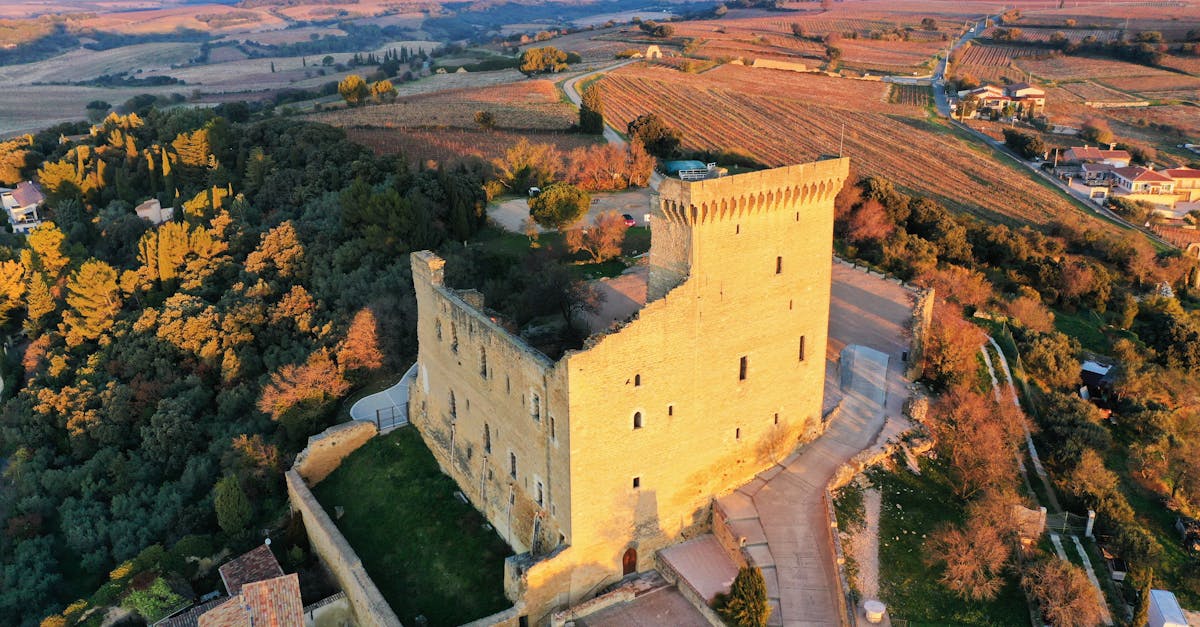
Provence instantly evokes sun-drenched landscapes, lavender fields dancing in the wind, and the song of cicadas. Yet, behind this idyllic setting lies a true oenological gem that deserves your full attention: Provence wine. Blending tradition and modernity, these wines from the South of France offer a unique aromatic palette and diversity that appeals to both novices and seasoned connoisseurs. Whether you’re looking for a crisp rosé to accompany a summer meal with friends or a structured red to enjoy at a more intimate gathering, Provence has something to delight your taste buds.
The growing popularity of the region’s wines is no coincidence. In 2025, we’re seeing a rise in the popularity of Provençal appellations, driven by renowned estates such as Château Sainte Marguerite, Domaine du Paternel, and Château de Berne. These vineyards, combining ancestral know-how and innovation, know how to seduce by offering balanced, fresh, and aromatic wines. More than just a beverage, Provence wine is part of an art of living that is both authentic and convivial. It invites you to discover a region rich in winemaking traditions, where each bottle tells a story: that of the terroir, the climate, and the passion of the winemakers. Ready to embark on this tasting adventure? We’ve put together this guide to help you understand why you should include a Provence wine in your selection, how to find the one that suits you best, and, above all, how to fully enjoy its flavors in a relaxed atmosphere or at a festive gathering. No hassle, just something everyone can agree on over a good glass.Understanding the protected designations of origin (A.O.P.) in Provence and their impact on wine quality The first step in choosing the right Provence wine is to navigate the protected designations of origin, or AOPs. These labels, far from being simple labels, are true guarantees of respect for tradition, terroir, and quality. They assure you that the wine you’re tasting comes from a specific terroir, with strict production regulations. In Provence, several AOPs clearly stand out: 🍇Côtes de Provence
: The largest and most popular appellation, best known for its fresh rosés with fruity and floral notes, but also produces some very fine reds.
🍷
Bandol
: Renowned for its powerful and tannic red wines, rich in black fruits and spices, but also for its beautifully crafted whites and rosés. 🌿
- Cassis : Specializing in white wines, these balanced vintages with delicate floral and citrus aromas are perfect with seafood. 🏞
- Palette : A more intimate appellation that offers complex reds and elegant rosés. These appellations are more than a guarantee; they reflect a strong identity, a distinctive character linked to the Mediterranean climate and varied soils, from limestone to schist. This microclimate, along with the generous sunshine and the famous Mistral wind that purifies the air, makes all the difference. Each region contributes its own style and aromatic signature, which is what makes Provence so rich. 🍷 Appellation
- 🍇 Type of wine 🌞 Terroir characteristics 👨🌾 Iconic estates
- Côtes de Provence Rosé, Red, White Mediterranean climate, varied soils (limestone, clay)
Château Sainte Marguerite, Domaines Ott, Château La Dorgonne
| Bandol | Red, Rosé, White | Limestone rocks, southern exposure | Mas de Cadenet, Château de Roquefort |
|---|---|---|---|
| Cassis | White, Rosé | Maritime climate, clay-limestone soils | Domaine de la Bégude |
| Palette | Red, Rosé, White | Clay-limestone, specific microclimate | Château des Demoiselles |
| Choosing a wine from a well-defined appellation ensures consistency in taste and quality. To learn more, don’t hesitate to consult specialized guides or visit estates like Château de Berne to understand the richness of each appellation. | Discover the fascinating world of Provence wines, where tradition and terroir combine to produce exceptional vintages. Explore the local grape varieties, winemaking techniques, and enchanting landscapes of this iconic wine region. Provence wine is an invitation to taste and embark on a sensory journey to the heart of southern France. A closer look at the essential appellations to kick off a wonderful tasting adventure | Because it’s not easy to navigate, here’s a quick overview of these grapes that create all the magic: | 🍓 |
| Côtes de Provence Rosés | : Perfect for summer days, light and fresh, with hints of strawberry, raspberry, and citrus. | 🍒 | Bandol Reds |
: Complex and dense, full-bodied with character, particularly thanks to the Mourvèdre. 🍋 Cassis Whites

https://www.youtube.com/watch?v=-bg3aL8Nw28
The key grape varieties of Provence: keys to choosing the right wine
- To make the right selection, you need to understand the composition of Provence wine, particularly through its grape varieties. This region boasts a beautiful botanical diversity that contributes to the aromatic richness of its wines, whether red, white, or rosé. The most common red and rosé grape varieties: 🍇
- Grenache : The hero of fruity and floral notes, it lends roundness and richness. 🌶
- Mourvèdre : It provides robust tannins and a beautiful structure, ideal for aging reds. 🌱
: Spices and intensity are its hallmarks, enhancing blends with panache.
🌸
Cinsault : The perfect ally for light, sweet, and fruity rosés, often used in blends.
- Regarding white wines and their specific grape varieties: 🍐 Rolle (Vermentino)
- : Brings freshness and fruity notes, with a slightly mineral character. 🍏 Ugni Blanc
- : Produces clean, fresh, and lively wines, perfect for light whites. 🍯 Clairette
- : Offers sweetness and roundness, with a touch of honey and flowers. 🍾 Grape Variety 🍷 Wine Color 🌟 Aromatic Characteristics
🍽 Ideal Pairing Grenache
- Red, Rosé Fruity, floral, sweet Light dinner, salad, aperitif
- Mourvèdre Red Strong tannins, spices, black fruits
- Red meats, spicy dishes Syrah Red, Rosé
| Peppery notes, spices, complexity | Grilled meats, charcuterie | Cinsault | Rosé |
|---|---|---|---|
| Light red fruits, freshness | Aperitif, salads | Rolle (Vermentino) | White |
| White fruits, mineral | Seafood, fish | Ugni Blanc | White |
| Bright acidity, freshness | Light appetizers, salads | Clairette | White |
| Roundness, sweetness, honey | Starters, light dishes | Learning to recognize these grape varieties allows you to better target your taste desires and guide your purchase according to the occasion. You can also play the blend card with estates that offer balanced and distinctive blends, such as Château La Dorgonne or Domaine Pierre Gimonnet, renowned for their harmonious vintages. | https://www.youtube.com/watch?v=BdxpUFdX99I |
| Adapt your Provence wine selection to your tastes and occasions. | Your palate is unique, so it’s best to choose a wine that perfectly matches your preferences. Provence, with its extensive range of wines, offers something for just about everyone. Here are a few taster profiles: | 🍓 | Fans of light and fruity wines: Choose Côtes de Provence rosés, a sure bet for an aperitif or simply to accompany a summer barbecue. |
| 🍷 | Fans of powerful and complex reds: | Turn to Bandol, with big names like | Mas de Cadenet |
| that deliver everything you need in terms of flavor and structure. | 🍋 | Fans of fresh and aromatic whites: | Cassis whites, such as those from |
Domaine de la Bégude , provide the perfect freshness for seafood or a light dish. 🥳 Party and convivial meal planners:A fruity and easy-drinking rosé, like those from
, will please everyone without any hassle.
Here are some tips to prolong the pleasure, whatever the bottle you choose:
- 🧊 Chilled and attentive service: Serve your rosés well chilled, around 8-10°C; a well-chilled white will enhance its aromas. 🥂 Thoughtful food and wine pairings: Trust your instincts, but know that Provence wines thrive on simplicity. Salads, grilled fish, and Mediterranean vegetables are perfect partners.
- 📅 Consider the vintage : Don’t hesitate to check reviews of recent vintages; sometimes a bad year can affect your taste buds. 👥 Profile 🍷 Wine Type 🍽 Suggested Dishes
- 🍇 Recommended Wineries ❄️ Serving Temperature Light Wine Lover RoséBarbecue, Salads, Appetizers
- Domaines Ott, Château Sainte Marguerite 8-10°C Complex Red Wine Lover RedRed Meat, Spicy Dishes
Mas de Cadenet, Château de Roquefort
- 16-18°C White Wine Lover White
- Seafood, Fish Domaine de la Bégude, Domaine Pierre Gimonnet 8-10°C
- Party Organizer Easy Rosé Appetizers, Buffet
| Domaines Ott, Château des Demoiselles | 8-10°C | Discover the wines of Provence, a sunny region famous for its refined nectars. Explore the unique flavors of rosés, reds, and whites that reflect the distinctive terroir and Mediterranean art of living. | Labels and certifications: how to use them to choose your Provence wine? | In the vast world of wine, labels and certifications are often used as benchmarks to guarantee quality and authenticity. But in the jungle of acronyms, sometimes you need a little help to know what to prioritize without making a mistake. Here’s a look at the labels to explore in 2025 to easily add a good Provence wine to your selection. |
|---|---|---|---|---|
| 🍃 | AOP (Protected Designation of Origin): Guarantees a strong connection between the wine and its terroir, with strict standards on yields and production methods. A true testament to tradition. | 🌱 | PGI (Protected Geographical Indication): More flexible and accessible, perfect for discovering wines with character, often at a lower price. | 🤝 |
| Independent Winemaker: A label that highlights artisans, those who manage everything from the vineyard to the sale, often possessing a genuine passion. 🌿 | High Environmental Value (HVE) | & | Terra Vitis | : For those who want a wine produced with a careful eye for nature, these labels guarantee respect for biodiversity and very limited use of chemicals. |
| 🍏 | Organic Farming (AB): The classic French organic wine, a wine without synthetic pesticides or chemical fertilizers. | Keep in mind, however, that the presence of a label is not always synonymous with perfect taste quality. Some renowned winemakers choose not to engage in these processes, favoring other, more artisanal or biodynamic approaches. This is also why visiting estates like | Château Sainte Marguerite | or discovering the wines of |
| Domaine du Paternel | allows you to fully appreciate the authenticity and creativity of Provençal winemakers. 📛 Label | 🔍 Major guarantees | 💰 Impact on price | 🌍 Environmental friendliness |
AOP
Respect for the terroir, strict regulations
- Moderate to high Varies depending on the producer Château de Berne, Domaine Pierre Gimonnet
- PGI Geographical origin, more flexible standards Often more affordable
- Variable Château La Dorgonne Independent Winemaker
- Artisan know-how, complete product management Variable Often committed Château des Demoiselles HVE & Terra Vitis
- Respect for biodiversity, sustainable viticulture Slightly more expensive High
Domaine du Paternel AB No synthetic chemicals More expensive Very high
| Mas de Cadenet | The best ways to buy and store your Provence wines | Now that you have all the keys to choosing your Provence wine, you also need to think about its purchase and storage. These steps are crucial to maintaining the quality and freshness of this Provençal nectar. | Where to buy your Provence wine? | 🏪 |
|---|---|---|---|---|
| At the wine merchant | : This is the preferred choice for unearthing gems, benefiting from personalized advice, and discovering small producers. 🛒 | In supermarkets | : Convenient, often well-priced, but beware of the limited selection. Read our article on | sales trends in supermarkets |
| to understand the issues. | 🍇 | Directly at the winery | : An immersive experience that allows access to exclusive vintages while discovering the estate. | 📦 |
| Specialized online sites | : Increasingly popular for their convenience, but be sure to check the provenance and shipping conditions. | Storing your wine properly | : | 🌡 |
| Stable temperature | : Avoid fluctuations; wine likes a constant temperature of around 12-15°C, away from direct light. | 💧 | Controlled humidity | : A level of 60-70% is ideal for preserving corks and preventing oxidation. |
| 🔇 | Absolute quiet | : Vibrations affect wine, so avoid storing it near electrical or noisy appliances. 🚫 | Lying position | : For corked bottles, otherwise keep screw caps upright. |
🚩 Buying Tip
💡 Why?
🛒 Recommended locations
- Personalize a wine merchant Expert advice and a variety of options Château Sainte Marguerite, Domaines Ott (via wine merchants)
- Buy at the estate Access to exclusive vintages and advice Château de Berne, Domaine du Paternel Beware of provenance To avoid spoiled wines
- Supermarkets, verified online sites https://www.youtube.com/watch?v=A6idD959spY FAQ – Everything you need to know to choose your Provence wine 🍷
- ❓ What makes Provence wine so special? Its Mediterranean climate, the Mistral wind that purifies the air, and its varied soils give it a unique, fresh, and aromatic style.
❓ Which appellation should you choose for an easy-drinking, fruity rosé?
- The Côtes de Provence is a must-visit for its light and indulgent rosés. ❓ Do labels guarantee quality?
- They guide but do not replace the producer’s personal taste and knowledge. ❓ How should I store an opened bottle? Keep refrigerated, with an airtight cap, and consume within 2-3 days.
- ❓ Where can I find organic Provence wines? Many estates, such as Mas de Cadenet, offer AB-certified vintages, available at wine merchants and wineries.