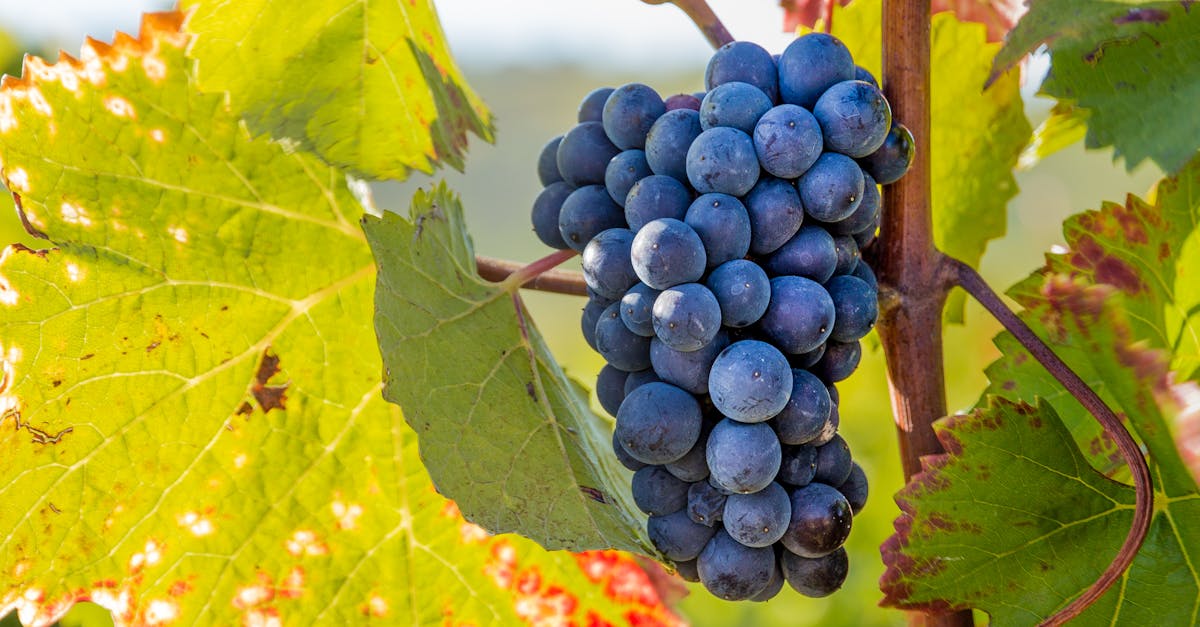
In the heart of Burgundy, wine lovers will find their happiness among the vineyards stretching across exceptional terroirs. Here, each plot, called a “climat,” tells a centuries-old story, where grape varieties have thrived over time. This unique vineyard—between gentle slopes, varied soils, and a temperate climate—offers an incredibly rich palette of both red and white grape varieties. Whether it’s the famous Pinot Noir, the undisputed king of Côte de Nuits red wines, or Chardonnay, which shines equally in Côte de Beaune and Chablis, the flavors, aromas, and expressions never fail to surprise. Other grape varieties such as Gamay and Aligoté complete the picture, bringing freshness and personality to certain vintages and appellations. For enthusiasts and novices alike, discovering Burgundy’s grape varieties means diving into a world where complexity rhymes with finesse, where tradition rubs shoulders with innovation, and where each bottle is an invitation to a sensory journey. We’ve put together this guide to help you easily uncover the stars of Burgundy’s vineyards, presenting their characteristics and preferred terroirs, as well as some of the lesser-known grape varieties that deserve to be explored.
Ready to dazzle your eyes, and especially your taste buds? Let’s discover the great stars of Burgundy’s vineyards together and understand the magic of these wines, which are both an art and a heritage.
The essential red grape varieties of Burgundy: Pinot Noir and Gamay at the top
When it comes to Burgundy’s red wines, it’s impossible not to immediately fall under the spell of Pinot Noir.
This grape variety is the true star of the Côte de Nuits and Côte de Beaune, where it reigns supreme. But make no mistake: Pinot Noir is a real character. Its cultivation is renowned for its capriciousness, and its sensitivity to terroir is such that each wine reveals a unique expression depending on the location and vintage. Pinot Noir wines are distinguished by their often light color with purple highlights, remarkable finesse and elegance. On the palate, they offer incredible aromatic complexity: red fruits (cherry, raspberry, strawberry), delicate spices, and sometimes notes of undergrowth that appear with aging. This grape variety is so closely linked to its terroir that Burgundy labels often highlight villages or climats rather than the name of the grape variety itself. It is this subtle interplay that so fascinates oenophiles. But Pinot Noir doesn’t roam alone in these regions: Gamay also plays an important role, especially in the Mâconnais and Beaujolais regions. This more lively grape variety produces very fruity wines with refreshing acidity and softer tannins. Its purplish-red color and vibrant red fruit aromas make it an easy-drinking wine, often appreciated for its youth and conviviality. This is the cuvée to bring out without fuss, perfect with simple dishes or aperitifs with friends.A small bonus in this family of reds, César is a Burgundy specialty. This rare grape variety, found mainly in Auxerrois, is available in small quantities. It produces powerful, full-bodied, and tannic wines, enhancing the color and structure of blends with Pinot Noir, particularly in the Irancy appellation. 🍒
Pinot Noir
: finesse, complexity, and eternal elegance 🍓 Gamay
: fruity, supple, and light 🍇 César
- : power, color, and tannic structure 🍷 Red grape variety🍇 Dominant region
- 🔍 Main Characteristics 🍽 Classic PairingsPinot Noir
- Côte de Nuits, Côte de Beaune Light color, aromas of red fruits, spices, complex developmentRed meats, game, mature cheeses
| Gamay | Mâconnais, Beaujolais | Purple-red color, fresh fruit, light tannins | Charcuterie, white meats, convivial dishes |
|---|---|---|---|
| César | Auxerrois (Irancy) | Intense color, powerful flavor, pronounced tannins | Full-bodied dishes, meats in sauce |
| For those curious about red grape varieties from other French regions, there are some fine examples, particularly in Provence or the Rhône Valley, with varieties like Tressot or Gamaret, which are also worth a visit. | Discover Burgundy grapes, a renowned variety with a rich and complex flavor. Learn all about their cultivation, their use in winemaking, and how they influence the character of the region’s famous wines. | The Whites of Burgundy: Chardonnay, King of the Terroirs and the Expression of Other Little-Known Grape Varieties | The Burgundy vineyard wouldn’t be what it is without its emblematic white grape variety: Chardonnay. It is quite simply one of the most widely planted white grape varieties in the world, but it is in Burgundy that it finds its historical cradle and its finest expressions. This grape variety is a true chameleon that transforms itself upon contact with its terroirs: from here, three main families can be distinguished depending on the region. |
| In the northern region, particularly in Chablis, Chardonnay produces dry, lively, mineral, and often salty wines. These are the grands crus we recognize, such as Blanchot or Les Clos, which perfectly embody this purity and vivacity, almost as sharp as a blade. Further south, in the Mâconnais, the wines are soft and fresh, with a lovely floral bouquet, particularly of white flowers, easy to appreciate for beginners. Finally, in the Côte de Beaune, Chardonnay expresses all its density, volume, and complexity, becoming more distinguished, with notes of hazelnut, honey, and even brioche after aging in oak barrels. | But Burgundy also boasts less prominent white grape varieties that are worth a look. For example, | Aligoté | is a more discreet but historic wine, cultivated since the 17th century. It is best discovered in Bouzeron, its dedicated cru, where it produces lively and straightforward wines, perfect for chilled aperitifs or the famous Burgundy kir (with a touch of crème de cassis). |
Sauvignon Blanc, meanwhile, surprises in Auxerrois, with the Saint-Bris appellation, the only Burgundy AOC produced exclusively from this grape variety. This lively and aromatic white wine exudes herbaceous and flinty notes, providing a refreshing alternative to Chardonnay. Finally, we shouldn’t forget certain rarer white grape varieties such as Pinot Blanc and Pinot Grigio, as well as the subtle Chardonnay Musqué, which bring an additional nuance of freshness and floral scents to certain blends or specific vintages. 🍋 Chardonnay : Varieties according to terroir, richness and complexity 🍏
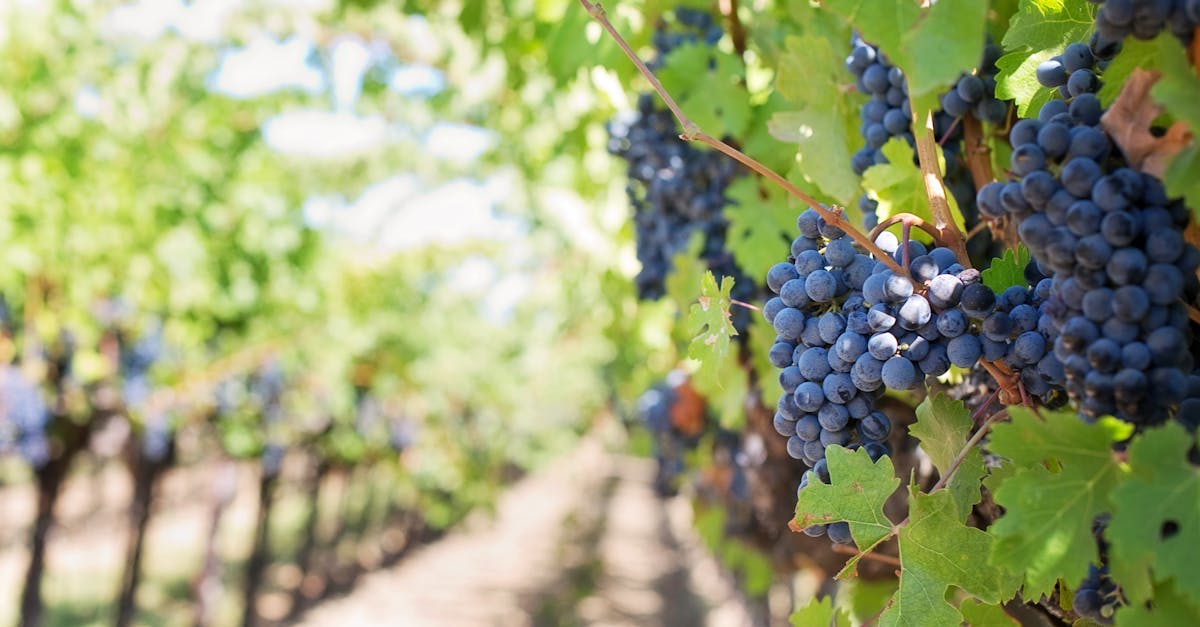
: Freshness, liveliness, and Burgundian tradition
🌿 Sauvignon Blanc: Aromatic and herbaceous alternative
🌼
Pinot Blanc & Pinot Grigio: Rare but present grape varieties ✨
Chardonnay Musqué : Finesse and delicate floral aromas🍇 White grape variety 📍 Region and appellations 🟢 Aromatic profile 🍽 Food and wine pairing tipsChardonnay Chablis, Mâconnais, Côte de BeauneMineral, fruity, floral, notes of brioche, honey
- Fish, poultry, mild cheeses Aligoté Bouzeron, Burgundy region
- Lemon, green apple, white flowers Aperitifs, seafood Sauvignon Blanc
- Saint-Bris (Auxerrois) Herbaceous, flint, boxwood Salads, grilled fish
- Pinot Blanc & Pinot Grigio Various regions, Auxerrois area Fresh fruit, light floral
- Starters, light aperitifs Muscular Chardonnay Mâconnais, Côte de Beaune
| Floral aromas, delicacy | Refined dishes, dairy desserts | Want to explore more of France’s white grape varieties? Discover fascinating specimens in other regions, such as Alsace or the Loire Valley, where Sauvignon Blanc and Chardonnay also play a remarkable role. | Discover Burgundy grapes, renowned for their exceptional quality and aromatic richness. Ideal for winemaking, these grapes offer unique flavors that have made the great wines of this historic wine-growing region famous. |
|---|---|---|---|
| The importance of Burgundy’s terroirs in revealing the potential of grape varieties | The secret behind the magic of Burgundy wines is undoubtedly the notion of terroir. Here, we don’t joke about this concept. The climate, the nature of the soil, and the exposure of the vines play a fundamental role in ensuring that each grape variety can fully express itself. It’s these small details that make all the difference and give Burgundy wines their unique character. It’s worth noting that Burgundy has more than 1,400 listed climats, spread mainly along the Côte d’Or, the historic birthplace of the grands crus. These climats are very specific plots of land, with specific geological and climatic conditions that influence both vine growth and grape ripening. | 🌞 Sun exposure: the best angle for Pinot Noir to acquire finesse | 🌱 Soil type: limestone, clay-limestone, granite… each grape variety pairs better with certain ones. |
| 💧 Drainage and humidity: ideal conditions to prevent disease and promote quality. | 🍃 Microclimate: late frosts or winds, which affect the harvest. | For example, | Pinot Noir |
| thrives in the clay-limestone soils of the Côte de Nuits, where it can reveal a wide range of aromas, while | Gamay | prefers granite soils with more pronounced acidity, particularly in the Mâconnais and Beaujolais regions. As for | Chardonnay |
| , it spans the boardwalk: in the Kimmeridgian soils of Chablis, it draws inspiration from a crystalline minerality, while in the richer soils to the south, it boasts roundness and complexity. In 2025, the Cité des Climats et Vins de Bourgogne will continue to offer tours where visitors and wine enthusiasts can grasp the tangible impact of each little corner of nature. This sensory immersion helps us understand why the same grape variety, planted just a few meters away, can produce such different wines. After all, a great wine is also, and above all, the legacy of a respected and glorified terroir. 🌿 Elements of the Terroir | 🍇 Favored Grape Varieties | 🌞 Effect on Wine | 🎯 Famous Example |
| Clay Limestone | Pinot Noir, Chardonnay | Finess, balance, aromatic complexity | Vosne-Romanée, Meursault |
Granite Soil Gamay Intense fruitiness, freshness, marked acidity Beaujolais, Mâconnais Kimmeridgian Soils

Sharp minerality, iodine notes
Chablis
For wine lovers who wish to broaden their winemaking horizons, sometimes all it takes is a look at other terroirs equally rich in nuances, such as those in Savoie with Pinot Blanc or in Languedoc where
- Chardonnay Musqué produces original and joyful wines. https://www.youtube.com/watch?v=wim7cQ7A_Mk Forgotten grape varieties and their specific contributions to Burgundy wines
- Burgundy isn’t just about Pinot Noir and Chardonnay. There is a small group of ancient grape varieties, sometimes little-known or endangered, that play a valuable role in the diversity of the vineyard.
- Among them, Tressot is a rare red grape variety that you’ll only find in a few plots. Combined with Pinot Noir and Gamay, it provides a beautiful color and an interesting tannic texture. Its wines are often full-bodied and marked by deep red fruit aromas.
- Pinot Grigio, also called Pinot Gris in other regions, is a Burgundy grape variety and produces slightly more aromatic white wines, with notes of exotic fruits and a touch of minerality. However, it remains discreet compared to its cousin Pinot Blanc, which is sometimes used in blends to enhance roundness and freshness. Gamaret, while not a historic Burgundy grape variety, is beginning to gain recognition thanks to its resilience and rich aromas. It is primarily used in other regions, but some Burgundy producers are beginning to experiment with this variety to diversify their offerings and adapt to climate change. 🎯
Tressot : intense color, supple tannins 🍐 Pinot Grigio : aromatic, exotic fruit 🛡Gamaret
: robust, fruity expression
| 🔎 Rare grape variety | 📍 Location | 🧴 Aromatic profile | 🍽 Typical uses |
|---|---|---|---|
| Tressot | Isolated plots, Côte Chalonnaise | Dark red fruits, supple tannins | Blend, full-bodied wines |
| Pinot Grigio | Some vineyards in Auxerrois | Exotic fruits, minerality | Light white wines, blends |
| Gamaret | Experimental tests in Burgundy | Red fruits, spicy notes | Vinification as a single or blended wine |
For those curious to discover surprising grape varieties outside of Burgundy, don’t hesitate to explore what’s happening in the Southwest or the Rhône Valley, rich in often-overlooked but characterful varieties: A journey to the land of rare grape varieties and Exploring the wonders of the Rhône .
Food and wine pairings: How to choose the right Burgundy grape variety for your meal?
Do you often wonder which wine to choose without the hassle? Burgundy offers a wide enough selection to hit the mark every time, and this is precisely where knowledge of grape varieties can save you.
To get it right, you must first observe the structure and aromas of the wine. Pinot Noir-based reds pair perfectly with delicate red meats, poultry in sauce, game, and even certain hard cheeses like Époisses. They reveal a balance between tannic finesse and fruity freshness, which makes all the difference. Gamay, on the other hand, is the star of convivial meals and simple dishes. Its lightness and pleasant acidity make it an ideal companion for charcuterie, grilled meats, or more rustic cuisine. It is often enjoyed chilled, perfect for beautiful summer evenings.
As for white wines, Chardonnay expresses itself in all its splendor with fish in sauce, shellfish, poultry, or mild cheeses. For a fresher, tangy touch, an Aligoté is a good option, perfect for an aperitif or a seafood dish. Sauvignon Blanc from Saint-Bris, born somewhat unexpectedly in Burgundy, will also add a touch of originality and energy to your salads or green vegetables.🍷
Pinot Noir : game, red meats, mature cheeses🌞
- Gamay : charcuterie, grilled meats, convivial meals 🐟
- Chardonnay : fish, poultry, shellfish 🍤
- Aligoté : seafood, light appetizers 🥗
| Sauvignon Blanc | : salads, green vegetables | 🍽 Main Course | 🍾 Recommended Grape Variety |
|---|---|---|---|
| 🔎 Reason | Beef Fillet with Wine Sauce | Pinot Noir | Fine tannins and fruity aromas balance the power |
| Roasted Chicken with Herbs | Chardonnay | Round texture and complementary aromatic richness | Charcuterie Platter |
| Gamay | Lightness and freshness to complement the diversity | Seafood Platter | Aligoté |
Vivacity and freshness to balance the flavors Green Salad with Goat Cheese Sauvignon Blanc Herbaceous aromas that liven up the dishTo further refine your selection and discover other French grape varieties, you can take a look at the wines of Languedoc or Provence, which also offer a surprising range of reds, whites, and rosés:
and
Rosé Grape Varieties for Sunny Days
. FAQ: Everything you need to know about Burgundy grape varieties ❓
Why is Pinot Noir so renowned in Burgundy? Because it reflects the local terroir with finesse and complexity, producing elegant and highly varied wines depending on the climate.❓
Is Burgundy Chardonnay different from other regions? Yes, its ability to reflect the terroir produces very distinct wines from Chablis, Mâconnais, and Côte de Beaune. ❓ Which Burgundy grape varieties are suitable for a light aperitif? Aligoté and Sauvignon Blanc are perfect for their freshness and acidity, which stimulate the appetite. ❓ Are there any rare Burgundy grape varieties worth discovering?
- Yes, particularly César, Tressot, Gamaret, and Pinot Grigio, which bring variety and uniqueness. ❓ How does terroir influence the taste of Burgundy wines? Soil, climate, and exposure influence flavors and structure, making each wine unique.