There’s something intriguing about Champagne: beyond its festive reputation, this unique wine harbors an often overlooked complexity, and the choice of glass can make all the difference in the subtle interplay of flavors and bubbles. Forget the clichés of the classic flute: today, connoisseurs seek to combine aesthetics and precision to reveal all its aromatic richness. The question of glass is not just a matter of style, but rather a faithful ally for tasting. Riedel, Baccarat, and Schott Zwiesel are among the artisans who, for years, have been refining the shape and material to magnify this exceptional beverage. Whether you’re a fan of vintages like those from the prestigious Louis Roederer or Taittinger, or more curious about the creations of Champagnes de Vignerons, choosing the right glass is a must for an extraordinary sensory experience. The diversity of glasses is impressive and sometimes disconcerting: wide coupes, slender flutes, delicate tulips… But how do you choose between these classics and more contemporary models, such as those by Zalto or La Rochère? And what impact do they really have on your tasting? Combining history, innovation, and expert advice, we’ve put together this comprehensive guide to preserving the sparkle while enhancing the unique aromas of Champagne. So, are you ready to find the perfect glass that will delight your taste buds?
Which glass shape should you choose to enhance the bubbles and aromas of Champagne?
Find the right balance in the shape of the glass to enjoy your Champagne without any hassle. The first step is to understand what each shape offers: balance between effervescence, aroma diffusion, and temperature retention.
The Champagne Coupe
, a major 19th-century invention, is often associated with grand celebrations and ceremonies. Its wide rim and generous volume provide a veritable visual theater where the bubbles dance brilliantly. However, this rapid explosion of bubbles can quickly cause the fizz to disappear, thus altering the aromatic release essential for fine tasting.The flute, on the other hand,
is narrower and taller, keeping the drink chilled while slowing the loss of bubbles. It has been the undisputed star of receptions since the second half of the 20th century. It allows one to contemplate these delicate pearls rising in a long ballet, but the downside is that it leaves little room for the wine to aerate, somewhat stifling its aromatic potential.The tulip,
a true tasting joker, combines the advantages of the two previous glasses: a wider bowl than the flute, narrower towards its opening, which concentrates the bouquet while allowing the bubbles to develop more slowly. This glass has quickly become a favorite with sommeliers and connoisseurs, thanks to its ability to balance the liveliness of the effervescence with the richness of the aromas.🍾 Coupe: Ideal for a visual spectacle, but avoid if you’re looking for aromatic finesse.
- 🍾 Flute: Classic and elegant, but a little restrictive for the aromatic palette.
- 🍾 Tulip: Perfect for displaying both bubbles and aromas, more versatile.
- Note that the material also plays a role: crystal is favored by many brands such as Baccarat and Riedel for its finesse and transparency, allowing you to fully admire the color and movement of the bubbles. The purity of the glass, without streaks, also prevents stray bubbles. Glass Type 🥂
Pros ⭐ Cons ⚠️ Brand Example 👑 Cup Visual effect, wide opening
| Rapid loss of bubbles, less concentrated aromas | Baccarat, La Rochère | Flute | Maintains freshness and effervescence, slender aesthetic |
|---|---|---|---|
| Reduces aeration and aromatic diffusion | Schott Zwiesel, Riedel | Tulip | Better balance of bubbles and aromas, narrow bowl |
| Less visually spectacular | Zalto, Clotilde | To achieve the perfect balance when tasting vinous champagnes (vintages, for example), opting for a tall-stemmed tulip or a specific white wine glass can make all the difference. It’s no coincidence that | Louis Roederer |
| and | Taittinger | often recommend this type of glassware in their service codes. | How do exceptional glasses like those from Riedel or Zalto enhance the Champagne tasting? |
Luxury glassware has its place in the magic of Champagne. When you buy a top-brand glass, it’s not just to impress, but to ensure a better sensory experience. Riedel, a pioneer in wine glass shapes tailored to each grape variety, applies the same philosophy to Champagne. Their crystal models challenge tradition by offering tulip-shaped shapes with carefully designed proportions to fully release the most delicate aromas and maintain the effervescence at its peak. Designed to last, each Riedel glass preserves the purity of the liquid, and its shape guides the nose towards the typical fruity and brioche notes. Zalto, for its part, seduces with the extreme finesse and lightness of its creations. Crafted using an artisanal technique, its tulip-shaped glasses allow for an impeccable grip without overheating the Champagne. They strike a true balance between tradition and modernity, perfect for tasters with flair who like to match their glassware with a beautiful range of Champagnes, from Taittinger to Champagnes from independent winemakers. 💎 High-quality crystal for better interaction with light. 💎 Ergonomic shapes to avoid heating the wine with your hand. 💎 Maximum purification to prevent the glass from altering the taste or texture. 💎 Aesthetic accents that enhance the tasting experience.
These brands clearly embody the alliance between art and technical expertise, offering precision work that transforms each sip into an almost ritualistic moment. And for those looking to invest in something solid, certain Stölzle or Baccarat models remain sure classics, offering excellent value for money and unfailing durability.
Discover our elegant selection of champagne flutes, perfect for celebrating your special moments. Enjoy finesse and style to enhance your celebrations with our glasses designed to enhance each sip.
What glass sizes and quantities for a successful Champagne tasting?Choosing the right size and number of glasses is key to sharing a good time, whether during an evening with friends or a gourmet meal. Contrary to popular belief, it’s not recommended to fill a glass to the brim, as this can drown out the aromas and bubbles. The secret is to measure the amount to dazzle the viewer without losing the essentials.
For a 750 ml bottle, which is the standard size, you can generally serve between 5 and 6 glasses. Be careful, the tulip glass offers a more generous volume than the classic flute, which requires less filling. Therefore, it’s best to plan ahead based on the number of guests and the type of glass you have on hand. Bottle Capacity 🍾Average Number of Glasses 🍷
- Recommended Glass Type 🍸
- 187.5 ml (Quarter Bottle)
- 1 to 2
- Flute or Tulip
750 ml (Standard Bottle)

Tulip or Flute
1.5 L (Magnum)
10 to 12
| Tulip or Wine Glass | 3 L (Jeroboam) | 20 to 24 |
|---|---|---|
| Wide Tulip or Wine Glass | Logically, choose a glass with a long stem, like those from | La Rochère |
| , helps prevent premature heating of the contents. The stem also invites elegant tasting and provides appreciable stability, especially when the evening heats up. | To maintain the ideal temperature, Champagne should generally be served between 8 and 10°C, a recommendation that appears in several guides, such as | this guide to the ideal temperature |
| . The glass plays a key role in maintaining this freshness during tasting. To learn more about the essential steps of serving and keeping the wine in the best condition, | the essential tips can be found here. | https://www.youtube.com/watch?v=gpZGFmcAPI0 |
| The special advantages of tulip glasses and why they appeal to connoisseurs | Beyond their obvious charm, tulip glasses offer technical benefits that are not just selling points. They are a true Swiss Army knife of tasting, capable of playing with the effervescence and delicacy of aromas. The slightly rounded shape of the bowl allows enough space for the wine to breathe, which is vital for sparkling wine. The narrow opening at the top concentrates the aromas, ensuring that each inhalation is an olfactory journey, without the aromas quickly evaporating. | 🌟 Allows the wine to remain sparkling longer without suffocating it. |
🌟 Offers better aromatic restitution than a classic flute. 🌟 Suitable for both traditional champagnes and more complex vintage cuvées.🌟 Provides a comfortable grip, preventing the liquid from overheating.
You can find high-quality models by Clotilde on the market; their glasses are particularly appreciated for their minimalist and functional design. Artisans like Stölzle are also diving into this trend, combining quality and affordability. For a memorable and well-paired tasting, don’t hesitate to turn to several vintages from both prestigious houses andWinegrower Champagnes that are increasingly gaining popularity.Discover our elegant selection of champagne flutes, perfect for celebrating special moments. Whether for a wedding, a birthday, or a reception, our refined glasses will add a touch of sophistication to your events.
Mistakes to Avoid When Choosing a Champagne Glass
You might think it’s just a detail, but choosing the wrong glass is a bit like missing a key step in a gourmet recipe. It works quite well if you follow these few tips to keep your Champagne from sinking into taste anonymity. First mistake: choosing a glass that’s too wide, like a traditional coupe, when you want a refined tasting. You risk quickly losing all the magic of the bubbles and seeing the aromas escape prematurely. Conversely, the flute, while attractive, can overemphasize the rapid rise of the bubbles under the nose, creating an overly lively sensation that masks the aromatic complexity.
Second mistake: forgetting the purity of the glass. A poorly cleaned or scratched glass can cause the bubbles to disperse haphazardly and alter the flavors. Transparency and finesse are the key words.
- Third pitfall: not considering the type of Champagne served. A brut nature often requires more aromatic concentration, so a tulip-shaped glass is preferable. For a rosé or sweeter champagne, a flute could better flatter the flavor without saturating the senses.
- ❌ A glass that’s too wide kills the effervescence.
- ❌ A glass that’s too narrow stifles the aromas.
- ❌ Dirty or scratched glasses disrupt the sparkling experience.
❌ Poor choice of glass depending on the vintage served. To avoid getting lost, you can take a look at specialized websites, which discuss bothsavoring Champagne wine and the more special vintages available in 2025 for current vintages. Discover our elegant selection of champagne flutes, perfect for celebrating every moment in style. From refined designs to modern options, find the ideal glasses for your festive evenings or special occasions.
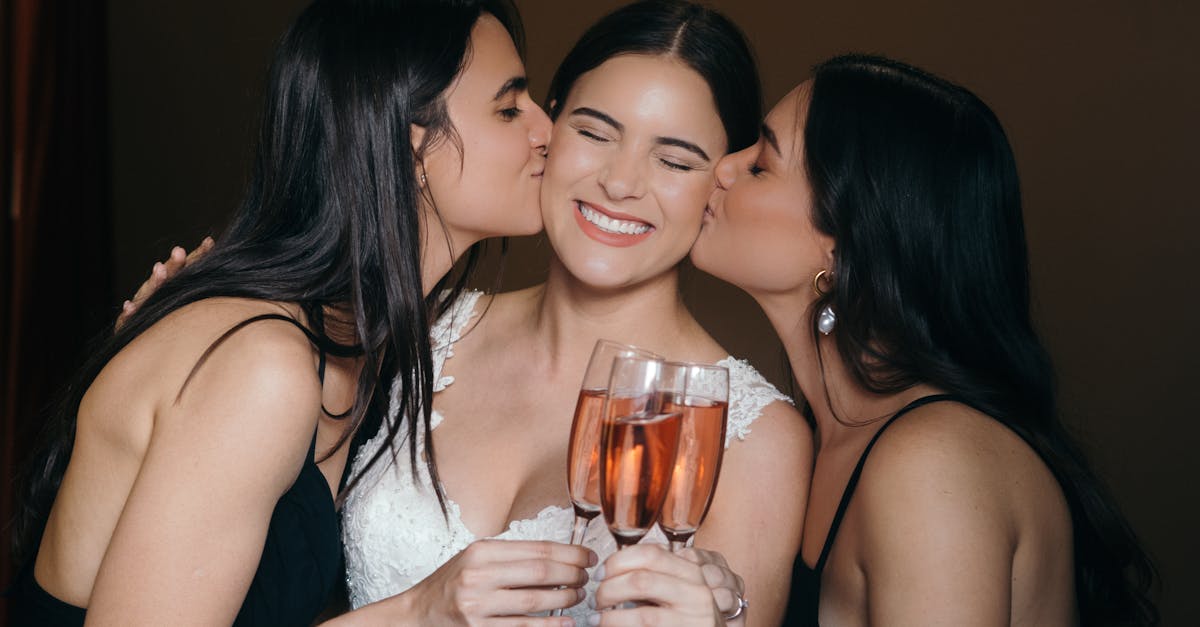
A slightly flared flute or a tulip-shaped glass will delicately bring out the fruity aromas without overwhelming the finesse of the bubbles.
Is crystal preferable to classic glass? Not necessarily, but crystal offers better visual purity, increased finesse, and appreciated longevity, especially for high-end models like those from Baccarat.
Can you use a white wine glass for Champagne? Yes, especially if the glass is tulip-shaped or has a narrow rim. This is often recommended for vintage or vinous champagnes.
How many glasses do you get from a standard bottle? Between 5 and 6 glasses, depending on the type and size of glass chosen.
Why do bubbles rise faster in a flute? Because the narrow shape concentrates the gas release in a specific point, which makes the bubbles rise more quickly than in a tulip or coupe glass.