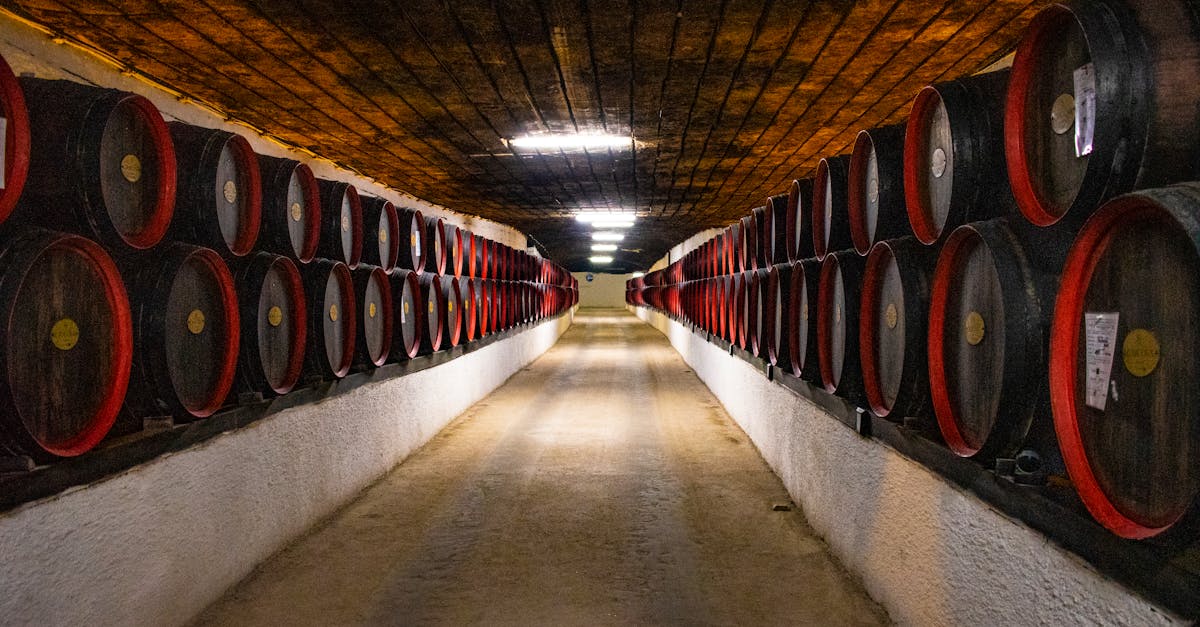
In Provence, a sun-drenched region rich in prestigious vineyards like Château de Pibarnon and Domaine Tempier, wine preservation is a true art. But simply buying an excellent bottle isn’t enough to guarantee its quality over time. The secret is first finding the right place to store it. Just leaving it lying around is out of the question, especially in this Mediterranean climate where heat and humidity can play tricks. Between natural cellars, wine cabinets, and apartment cellars, there’s no shortage of tips. However, certain criteria must be met: a stable temperature, controlled humidity, adequate darkness, and a total absence of vibrations. These elements are the key to ensuring your wines from Domaine de la Bouverie, Domaine des Masques, or Clos Sainte Magdeleine mature in the best conditions. Looking for hassle-free and effective advice? We’ve put together this practical guide to help you find the perfect spot in Provence to store your wine without damaging it, so you can truly enjoy it when the time comes to uncork it.
What temperature should you choose for storing your wine in Provence? Essential tips
Temperature is key when it comes to preserving your wine at its best. A magnificent bottle of Château Saint-Maur or Domaine de Saint-Jean stored improperly is wasted potential. In the soft Provençal light, it’s crucial to avoid temperature fluctuations that cause the wine to age too quickly. To get it just right, the ideal temperature for a wine cellar is generally around 12°C to 14°C. This warm little corner will allow the wine to gently age and await the perfect moment for tasting. Beware of large fluctuations! A burst of heat in summer followed by a sudden cool spell can cause serious thermal shocks that disrupt maturation. For example, in older homes with a semi-underground cellar, the temperature naturally remains more stable, promoting harmonious rest for bottles, like those at Château Prieuré de Montézargues. For those who aren’t so lucky, a high-performance wine cabinet will do the job perfectly while preventing vibrations that can cause the cork to dance.What tools should you choose to regulate the temperature?
❄️
Specific air conditioners for cellars
- : very practical for maintaining a constant temperature when the cellar is exposed to climatic variations. 📟 Digital thermometers and connected probes
- : to monitor in real time without opening the door, avoiding fluctuations. 🛠️ Thermal insulators
- : insulating mats, panels, or curtains to limit seasonal heat loss or excess heat. Optimal Temperature Effect on Wine Example: Provence
| 12°C | Slow aging, ideal for long-term storage | Semi-underground cellar at Domaine ONG |
|---|---|---|
| 14°C | Good compromise for wines to be consumed within 5 years | Wine cabinet at Château la Dorgonne |
| 15-18°C | Rapid aging, risky for long-term storage | Improvised storage, to be avoided |
| Controlled temperature is therefore the first step to ensuring everyone is happy. This works quite well with both red and white wines, whether at Domaine Tempier or a more exclusive selection at Domaine des Masques. To learn more about the best storage methods in Provence, take a look at this comprehensive guide. | Discover our wine storage solutions, designed to preserve the quality and flavor of your bottles. Whether you’re a wine enthusiast or a collector, find the ideal space to store your wines in optimal conditions. |
Controlling Humidity: The Often Overlooked Factor in Storing Your Wine in Provence A wine cellar is a bit like a well-regulated beehive. Humidity plays a major role in the health of the bottles, particularly to prevent the corks from drying out and allowing air to seep in. In Provence, where the climate is often dry, you need to be extra careful. An ideal humidity level is around 70%, neither too dry nor too humid. Below this, you risk quickly observing evaporation and oxidation, which will ruin the aroma, whether for a delicate red wine like a Clos Sainte Magdeleine or a more fragile white.On the other hand, excessive humidity, above 80%, isn’t catastrophic for the bottle itself, but it can damage the beautiful labels of your Château la Dorgonne or Domaine ONG, which is a shame if you enjoy collecting wines. A simple tip: installing a reliable hygrometer will help you keep an eye on this key factor. Lightly water the cellar floor if necessary—a small gesture that makes a big difference. 💧
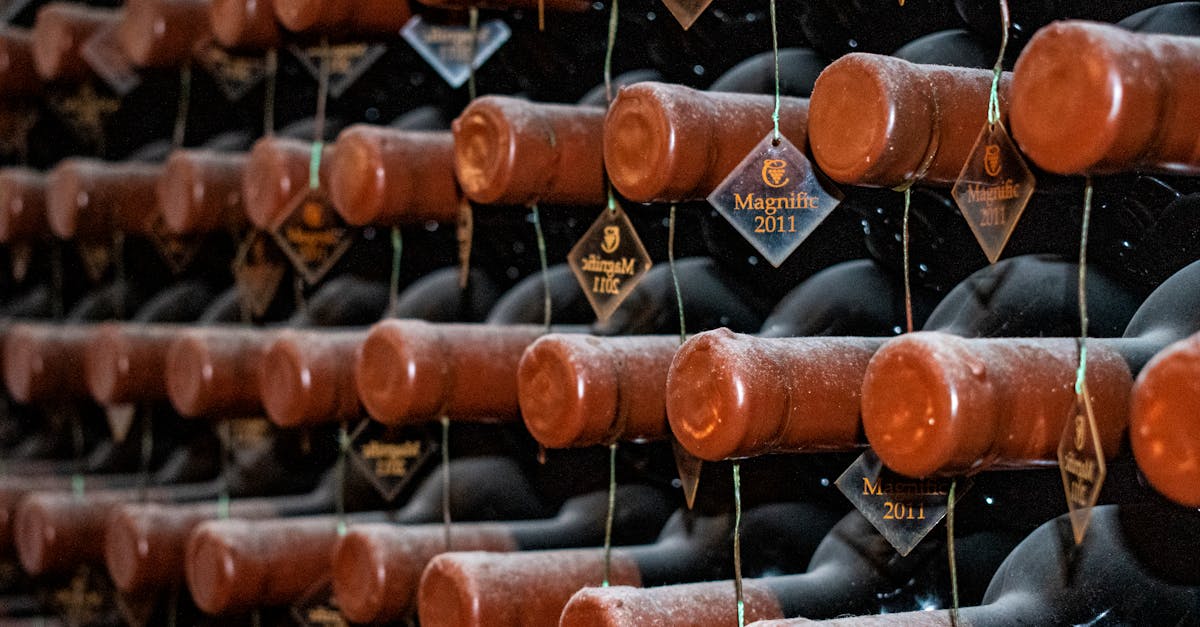
: between 65% and 75%
💧 Effect of low humidity: dry corks, accelerated oxidation
💧
- Excessive humidity : damaged labels, possible mold 💧
- Simple tip : place basins of water in the cellar to increase humidity 💧
- Caution : check regularly with a hygrometer Humidity level
- Consequences on the wine Recommended measure < 60%
- Drying corks, air entry, oxidation Moisten the soil with water or use a humidifier 60–80%
| Optimal conditions for slow aging | Maintain with ventilation and humidity control | > 80% |
|---|---|---|
| Mold, damaged labels, unpleasant odor | Improve ventilation to reduce humidity | For wine lovers who don’t live near a natural Provençal cellar or who want to optimize their storage, there are also devices specifically designed to monitor this parameter in real time, often offered by high-end wine cabinet manufacturers. Consider this if you’ve acquired precious vintages from Château Prieuré de Montézargues or Domaine Tempier, where every detail counts for optimal storage. |
| https://www.youtube.com/watch?v=AMaVHDowvT8 | Why is darkness crucial for properly storing your wine in Provence? | Imagine a bottle of white wine from Domaine de la Bouverie placed on a shelf bathed in light. Not great, is it? Light, especially ultraviolet rays, is a real poison for wine. It causes what’s called a “light taste,” an aromatic defect that radically alters the flavor, especially in very fine white and rosé wines, such as those from Château la Dorgonne. This is why many producers use dark glass bottles or wrap them in special paper, a way of playing the trump card against the Provençal sun. The ideal cellar must therefore be a true sanctuary, dark, away from neon lights and harsh lighting that can degrade wines over time. 🌑 |
| Store away from direct light, even avoid natural light. | 🌑 | Use tinted glass bottles, especially for Domaine ONG white wines. |
🌑
🌑
Never place bottles near a light source, no strong lighting or neon lights. Type of light.Impact on the wine.
Tips.
- UV rays. Damage aromatic molecules, light taint.Completely dark cellar or wrapped bottles.
- Fluorescent lighting. Gradual deterioration of the cork and wine. Low-intensity LED lighting.
- Low-intensity LED lighting Minimal impact Recommended for wine cellars
- So, whether you have an archive of precious wines from Domaine des Masques or have just acquired a few bottles from Château Saint-Maur, don’t leave any of them exposed to direct light, which is essential for flawless aging. For more storage techniques in other French regions, also explore this article dedicated to storage in Burgundy. Discover the best storage solutions for your wines. Learn how to store your bottles in ideal conditions to preserve their aromas and quality. Whether it’s a wine cellar, a special refrigerator, or designer shelves, find tips and tricks to optimize the storage of your wine collection.
| How to set up a wine cellar in Provence? Tips that make your life easier | You don’t need an old underground cellar to store your wine in Provence. Many are turning to modern solutions like wine cabinets, perfect for apartments or small homes, especially near the magnificent vineyards of Château la Dorgonne or Domaine ONG. When making your choice, you must first determine whether you simply want to store your wine for a few years or age it over the long term. | High-end models offer specific features: |
|---|---|---|
| 🧊 | Permanent humidity control | to prevent dry corks |
| 🔇 | Total absence of vibration | to prevent the wine from waking up |
| 🌡️ | Multi-temperature | to optimize the preservation of reds, whites, and champagne |
🌿 Charcoal filtersto balance the air and limit unpleasant odors
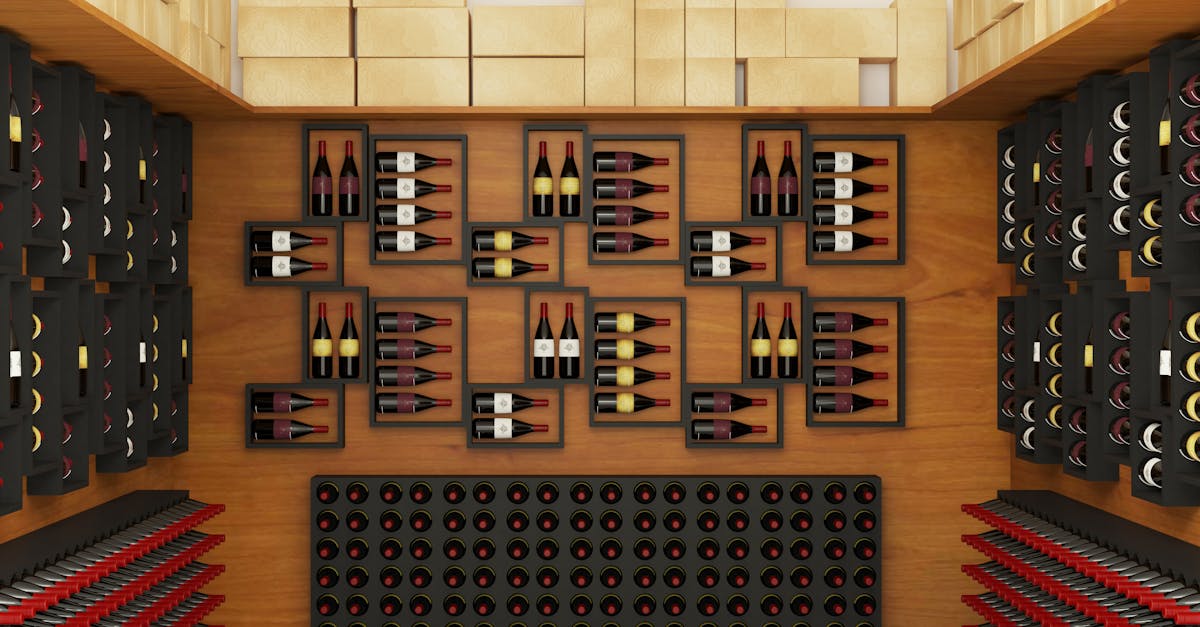
Adapted design
that allows for organized storage by type or region
The rest of the time, you can tinker with what already exists: an old, well-ventilated tool cellar or a dark interior cupboard are interesting alternatives, particularly for storing a few bottles of Domaine des Masques or Domaine Tempier before tasting.
- Storage type BenefitsDisadvantages
- Traditional buried cellar Stable temperature, natural humidityDifficult to find, maintenance required
- wine cabinet Precise, multi-temperature control Expensive, often limited in volume
- Closet or dark room Easy to access, economical Often unstable temperature, low humidity
- Cellar rental in town Professional safety, controlled climate High costs, limited availability
| How to organize your wine cellar to optimize conservation in Provence? | In this beautiful southern region, where the Provençal art of living rubs shoulders with great wines, organizing your wine cellar is not done by chance, especially if you dream of quickly finding your bottles from Domaine Tempier or Château Prieuré de Montézargues when the time comes. Storing your wines is also a question of everyday simplicity. | Here are a few points to keep in mind to organize your space without any hassle: |
|---|---|---|
| 📚 | Sort by type of wine | (red, white, rosé) to avoid errors when serving |
| 🌍 | Group by region or domain | for local lovers, which facilitates stock management |
| ⏳ | Note the bottling date | and the date of purchase to follow the progress |
| 🍾 | Place the bottles lying down | to keep the cork moist and the air away from the wine |
Use labels or a register
so as not to lose track of your nuggets, whether they come from Domaine ONG or Château Saint-Maur
Criteria
- Practical advice Advantage Type of wine (Red / White)
- Separate into different bins Better organization and conservation Region / Domain
- Classify by Provence, Bordeaux, etc. Facilitates research and food-wine pairing Bottle positioning
- Store lying down Keep corks moist, prevent air from entering Tracking inventory
- Keep a notebook or a simple app Anticipate consumption and purchases You’re now ready to manage your cellar like a pro, whether you’re a passionate lover of Château de Pibarnon or curious about the nuances of Domaine de la Bouverie. Also discover in this article the longevity of wine according to regions such as Bordeaux or the Southwest:
| Storing wine in Bordeaux | , | Storing wine in the Southwest |
|---|---|---|
| . | How long can you store wine in Provence? The keys to choosing the right time | The question that keeps coming up: how long should you keep this treasure at the bottom of your cellar? The answer isn’t universal. It all depends on the type of wine, its initial characteristics, and especially the conditions in which it’s stored. Managing this patience is an art, especially when it comes to excellent wines like those of Château la Dorgonne or Domaine ONG. |
| In an ideal cellar—dark, cool, and humid—aging time can extend over a decade, sometimes much longer. The bottle can thus evolve, developing complex tertiary aromas that delight discerning palates. Conversely, when stored simply in a heated cupboard or subjected to significant variations, the wine deteriorates more quickly. ⏱️ | Short aging | (2–5 years): Light, fresh rosé or white wines, where the aromas are prominent |
| ⏳ | Medium aging | (5–10 years): Balanced red wines or complex whites like certain Burgundies |
| 🏆 | Long aging | (10 years and more): Prestigious vintages worthy of Château de Pibarnon, Domaine Tempier, or Château Prieuré de Montézargues |
⚠️ Warning: Always check the condition of the corks and the level in the bottle 🍾Bottle size
: Choose magnums for optimal storage
Type of wine
Recommended cellaring time
- Recommended format Fresh rosé and white wines 2 to 5 years
- Standard bottle Balanced red wines 5 to 10 years
- Standard bottle or magnum Great vintages and collectible wines 10 years and over
- Magnum or larger This is why you will see a number of enlightened amateurs choosing magnum formats for their special occasions, in particular to keep their champagne very cold, like those recommended in this specialized file
- . To discover the richness of the aromas of red wines, particularly in Savoie, let yourself be guided by this focus on the aromas of red wines .
| https://www.youtube.com/watch?v=b-sDRZcV0xc | FAQ on wine conservation in Provence 🍷❓ | What is the best location for a wine cellar in Provence? |
|---|---|---|
| A dark place, temperate between 12 and 14°C, with a stable humidity level around 70%, ideally in a buried cellar or an isolated room. | Can you use a classic fridge to store wine? | No, the classic fridge is too dry and generates vibrations, which harms the quality of the wine. A specific wine cabinet is preferable. |
| How to prevent corks from drying out? | By maintaining a humidity of around 70% in the cellar. Otherwise, you can regularly moisten the soil or use a humidifier. | Should bottles be stored upright or lying down? |
| It is important to keep the bottles lying down so that the cap remains moist and tight. | Which bottles to choose for long cellar storage? | Magnum or larger formats are preferable, particularly for the grands crus from Domaine ONG or Château de Pibarnon. |