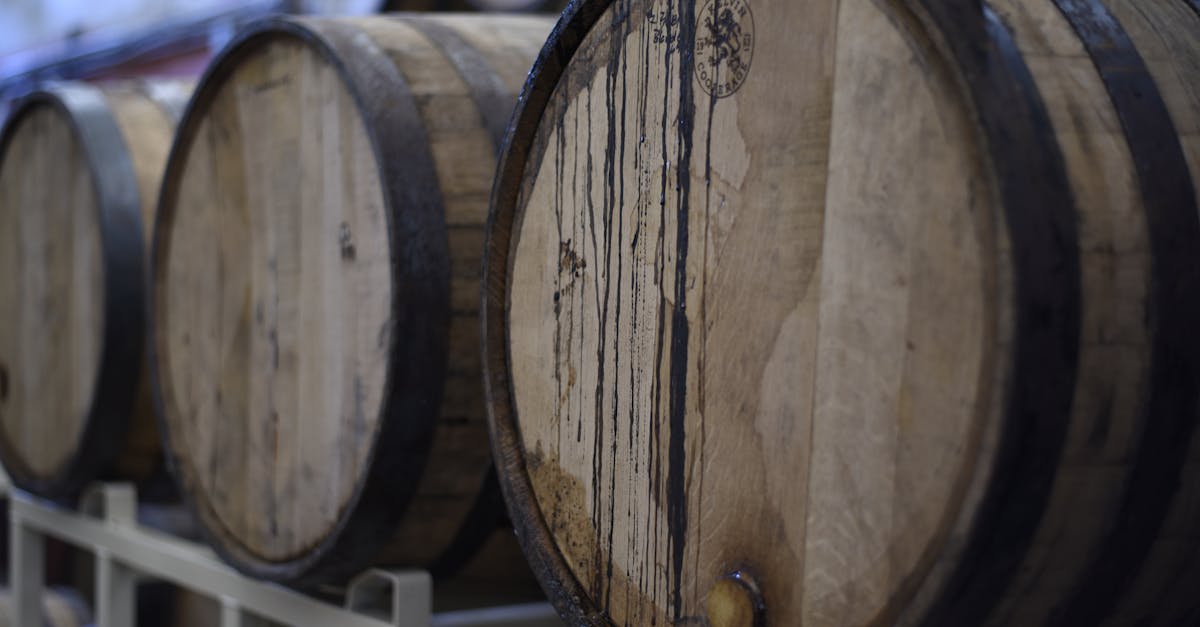
The Rhône Valley, France’s winemaking jewel, continues to reinvent itself. In 2025, a veritable flurry of technical innovations is transforming this historic vineyard, blending ancestral tradition with technological modernity. With iconic names like Domaine de la Janasse, Château de Beaucastel, and Domaine Michel Chapoutier, the region is demonstrating a remarkable ability to adapt to climate challenges and new consumer expectations. From the deployment of drones flying over the vineyards to the integration of autonomous winemaking robots, to the use of blockchain to ensure bottle traceability, winemaking practices are reinventing themselves without losing their soul.
At the heart of this revolution, artificial intelligence is establishing itself as the winemaker’s right-hand man, offering precise yield predictions and detecting the slightest threats to the vines. Between digital technology, innovative cultivation methods like hydroponics, and a winemaking experience enhanced by augmented reality, the Rhône Valley wine sector is experiencing an unprecedented dynamic for the future. Major players like E. Guigal, Domaine Paul Jaboulet Aîné, and Domaine Bernard Gripa are embracing these innovations to deliver higher-quality, sustainable wines adapted to the demands of the contemporary world.
In short, 2025 marks a crucial stage where the alliance between cutting-edge technical tools and ancestral know-how promises to redefine Rhône wine, while respecting its terroir and history. To dive into the heart of this metamorphosis, we’ve put together this guide that dissects the key innovations and their tangible impact on local viticulture.
How artificial intelligence is revolutionizing viticulture in the Rhône Valley
Artificial intelligence (AI) is playing an increasingly central role in Rhône vineyard management, and this trend is clearly set to intensify in 2025. Major wineries such as Domaine de la Janasse and Château La Nerthe are already using machine learning-based tools to anticipate yields and adapt their practices as accurately as possible. Thanks to precise analyses of climate data, soil composition, and the growing cycle, AI provides each winegrower with a detailed, almost surgical, view of their estate.
One of the major benefits of AI lies in production forecasting. Rather than relying on rough estimates, winegrowers can now base their decisions on predictive models that take into account several hundred parameters in real time. This ability to anticipate prevents waste and guides harvest logistics. For example, Domaine Paul Jaboulet Aîné reports that these accurate forecasts facilitate team planning and the transport of grapes to the cellars with tenfold efficiency.Fighting Diseases with AI and Satellite Imagery
Diseases such as mildew and powdery mildew have long been the bane of Rhône winegrowers, particularly at estates like Domaine les Aphillanthes. Now, thanks to drones equipped with multispectral cameras coupled with artificial intelligence, it is possible to detect whether a part of the vineyard is infected well before the visible appearance of symptoms. This early detection allows for rapid and local intervention, thus limiting the overuse of phytosanitary products.
We’re also seeing AI systems continuously alerting winegrowers when conditions are favorable to disease development, prompting targeted action. These tools promote more environmentally friendly viticulture, and wine quality also benefits from this real-time monitoring.
Optimizing Wine Quality with AI
By analyzing a large amount of data—from terroir to winemaking methods—AI now offers winegrowers technical approaches to enhance taste. At Domaine Michel Chapoutier, this approach encourages adjustments to fermentation, aging times, and even blends to meet consumer expectations while respecting the identity of the terroir. 🤖 Grape growth monitoring
📊 Detailed analysis of soils and microclimates
- 🎯 Personalized recommendations for winemaking
- 💡 Early warnings to manage climate risks
- 🌱 Less pesticide use thanks to precise targeting
- Use of AI
- Benefits
| Areas concerned | Yield forecasting | Harvest optimization and logistics |
|---|---|---|
| Domaine de la Janasse, Domaine Paul Jaboulet Aîné | Early disease detection | Reduction in chemical treatments, improved vine health |
| Domaine les Aphillanthes, Château La Nerthe | Vinification optimization | Better wine quality, responsiveness to market expectations |
| Domaine Michel Chapoutier, Caves Tain | https://www.youtube.com/watch?v=AG6yJRscMxs | Drones: eyes in the sky for high-performance vineyard management |
These flying machines, equipped with high-definition cameras and multispectral sensors, are capable of:
📸 Mapping each vineyard plot in high resolution
🌿 Detecting plant health using multispectral imaging
- 💧 Assessing water stress and thus optimizing irrigation
- 🚜 Monitoring the spread of diseases and infestations
- 🕒 Saving time and reducing costs associated with manual monitoring
- This aerial surveillance allows for rapid and targeted surgical interventions. For example, at Domaine Bernard Gripa, winegrowers report a significant improvement in the overall health of the vines and better resource allocation since adopting drones.
- Functionality
Benefits
| Example of use | High-resolution mapping | Precise visualization of problem areas |
|---|---|---|
| Domaine de la Janasse | Multispectral imaging | Early detection of diseases and pests |
| Château La Nerthe | Water stress assessment | Irrigation optimization, water savings |
| Caves Tain | Finally, some drones are even used for targeted application of phytosanitary treatments, reducing environmental impact and costs. This is a promising way to reconcile economic performance and actions to promote biodiversity. | discover the latest innovations in the wine industry that are transforming the production, distribution and consumption of wine. explore the cutting-edge technologies, sustainable practices and emerging trends that are redefining the world of wine. |
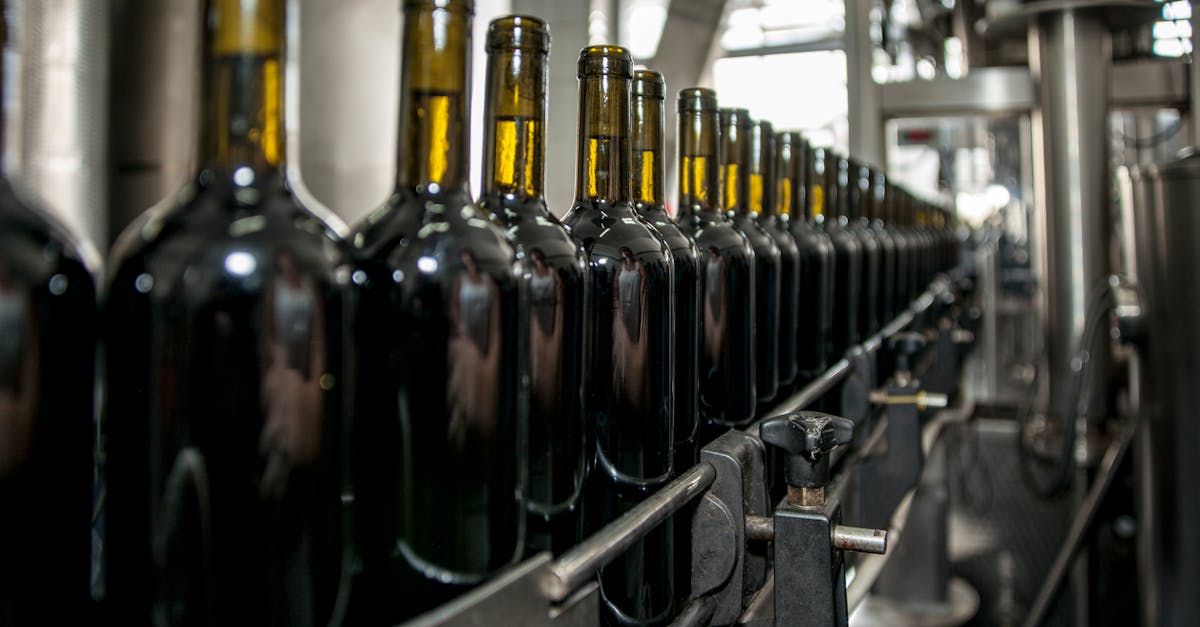
make everyone agree on the origin and quality of the product
. Concretely, each bottle is associated with a digital file recorded in the blockchain, tracing:🍇 The origin of the grapes
⚙️ The different stages of winemaking
- 📦 The journey from wine to distribution
- 🔒 The certificate of authenticity and quality
- Thanks to this innovation, consumers can easily check the history of the bottle they buy, thus avoiding counterfeiting which sometimes affects the market. A unique digital token functions much like a tamper-proof passport, providing irrefutable proof.
- This approach appeals to both traditional estates and cooperatives like the Cave de Tain l’Hermitage, who see it as an asset for promoting their know-how without any hassle, and strengthening their brand image.
Aspect of traceability
Key advantage
| User domains | Recording every step | Total transparency of the final product |
|---|---|---|
| Domaine Paul Jaboulet Aîné, Château de Beaucastel | Single digital certificate | Effective fight against counterfeiting |
| Cave de Tain l’Hermitage | Simplified access for the consumer | Building Trust and Value |
| Domaine Michel Chapoutier | Enhancing the Experience through Augmented Reality | Blockchain is often combined with augmented reality to offer an immersive experience into the world of wine. By scanning the label, wine lovers can discover production methods, terroir characteristics, and even food and wine pairing tips. |
Vineyard Robots and Hydroponics: Mechanical and Agricultural Innovations Making Rapid Progress
Nothing seems to be stopping the technological revolution in the Rhône vineyards. Robots such as the Wall-Ye V.I.N., already adopted by farms like Domaine Bernard Gripa, are capable of pruning, disbudding, and even harvesting with impressive precision. This robotization reduces dependence on labor while improving the quality of care provided to the vines. These multifunctional machines work 24/7, create 3D maps of the plots, and adapt their actions to each vine using advanced sensors. The benefit is twofold: less fatigue for winegrowers and better final quality.
🤖 Differentiated pruning according to maturity
🌿 Optimized harvest for targeted maturity
📊 Continuous analysis of health status
- ⚙️ Automation of repetitive tasks
- ⏱️ Time savings and lower costs
- At the same time, hydroponics is gaining ground. Although still relatively new, this technique involves growing vines above ground in a controlled environment with enriched water. This allows for complete control of nutrition, drastically reduces water consumption—up to 90% less according to some reports—and allows for almost year-round cultivation. Experiments such as those carried out by Rhône-Alpes start-ups show enormous potential for optimizing yields when traditional land becomes difficult to exploit, particularly in the face of
- climate change. However, winegrowers are still conflicted due to the high costs and the need for precise management of these systems.
- Innovation
Advantages
Limitations Areas of ApplicationVineyard Robots
| Precision, reduced labor, time savings | Significant initial investment | Domaine Bernard Gripa, Château La Nerthe | Hydroponics |
|---|---|---|---|
| Water savings, nutritional control, soilless cultivation | Management complexity, high cost | Experimental Operations in Rhône-Alpes | Discover the latest innovations in the wine industry that are transforming wine production, technology, and sustainability. Explore how new techniques and equipment are improving vineyard quality and efficiency while preserving the environment. |
| What benefits are Rhône vineyards reaping from digitalization and how are they adapting to the market? | Digital technology is driving the vineyard’s engines like never before. Big names like E. Guigal, Domaine Michel Chapoutier, and Château La Nerthe are investing in digitalization to quickly adapt to market demands and anticipate changing consumer tastes. | Data collection via a multitude of sensors allows for millimeter-precise water and nutrient management. This is a key lever for preserving the quality of terroir units, whether in Tain-l’Hermitage or other Rhône appellations. | Key applications include: |
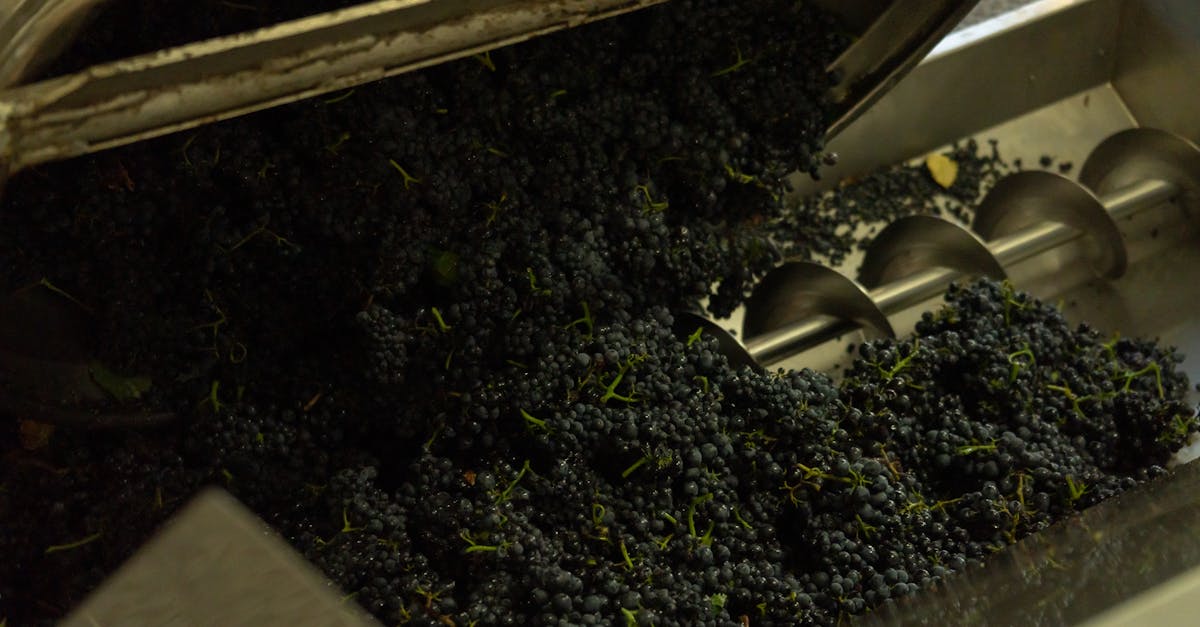
🎯 Personalization of wines based on specific requests
⚙️ Precise volume planning before harvest
💬 Direct interaction with customers via digital platforms
🛒 Digitalization of distribution with complete traceability
- These technological tools avoid unpleasant surprises and allow us to stay on track, even if it means adjusting production according to demand and weather conditions. It’s also a step towards more sustainable and responsible viticulture.
- Digital Technology
- Function
- Impact on the Estate
- Big Data and AI
Trend Analysis and Vineyard Management
| Better Anticipation of Needs, Production Adjustment | IoT Sensors | Real-Time Vineyard Monitoring |
|---|---|---|
| Optimization of Irrigation and Reduction of Treatments | Digital Customer Platforms | Interaction and Loyalty |
| Strengthening User Relationships | FAQ: Wine Innovations in the Rhône Valley | ❓ |
| How does AI help improve wine quality? | AI analyzes terroir, weather, and winemaking data to recommend precise adjustments, optimizing grape flavors and ripeness. | ❓ |
Can Drones Completely Replace Human Monitoring? No, drones complement surveillance by providing precise aerial data, but the winegrower’s judgment remains essential for final decisions.
- ❓ Is blockchain accessible to all farms?
- Currently, it is used more by large estates and cooperatives, but its adoption is expected to expand thanks to falling costs and consumer demand for traceability. ❓
What are the main challenges of vineyard robots? - The investment cost and the complexity of integration in vineyards, which are sometimes steep or fragmented, remain significant obstacles.
❓ - Is hydroponics viable for all Rhône-Alpes estates?
Not yet. It is especially useful for experiments or in difficult areas, but requires significant know-how and investment. -