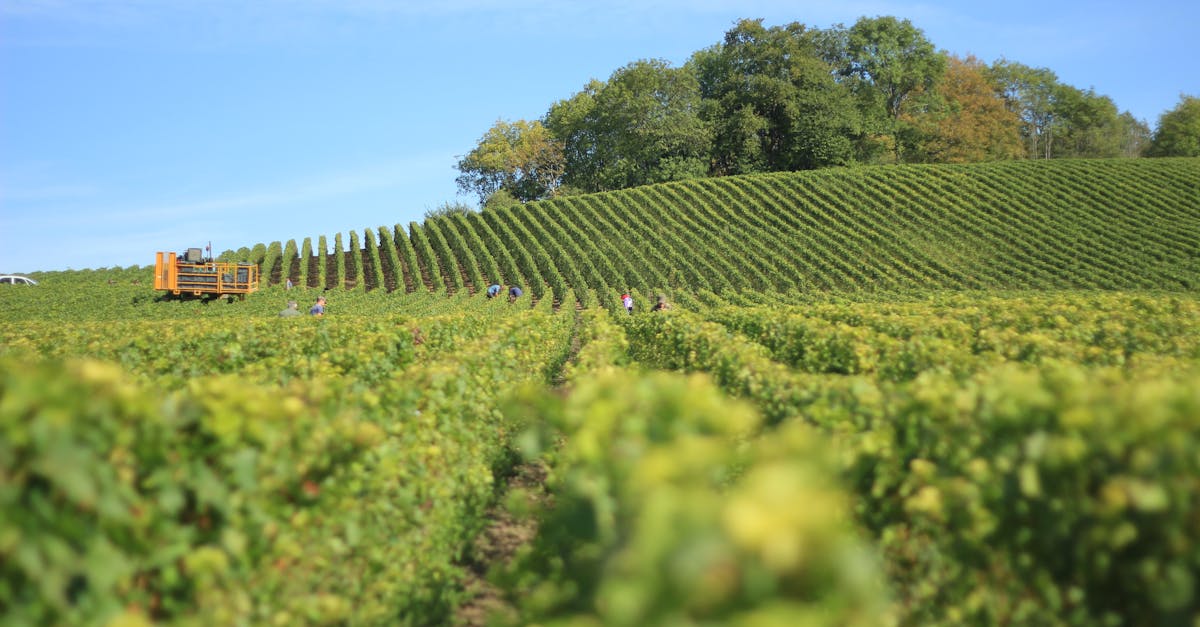
We’ve put together this guide to immerse you in an exceptional terroir: the Bandol region, located on the Mediterranean coast between Marseille and Toulon. Bandol is a true natural amphitheater with the sea as its backdrop, a corner where vines flourish under a generous sun, bathed in the sea breeze, and protected by the reliefs of the Sainte-Baume Massif and Mont Caume. This combination of proximity to the Mediterranean, the diversity of its clay-limestone soils, and the warm climate tempered by the mistral wind creates a unique microclimate, conducive to the production of powerful, structured, and aromatic wines. In 2025, the region is famous for its red, rosé, and white wines, perfectly representative of this remarkable alliance between nature, ancestral know-how, and winemaking passion. Bandol isn’t just a Provençal postcard; it’s also a terroir that delights the taste buds with its powerful vintages, notably thanks to Mourvèdre, the king of grape varieties renowned for its ability to extract the best from this land. At prestigious estates such as Domaine Tempier and Château de Pibarnon, you’ll find wines that capture this magic, combining intensity and finesse. The vineyard, spread across eight communes, features a mosaic of fascinating soils, from Red Sands to Black Marls, including Triassic Pebbles and the famous Restanques—dry stone terraces that sculpt the landscape and protect the vineyard from erosion while helping the vines find water deep below.
To get it right and understand why Bandol wines have this particular signature, we must decipher these elements carefully, keeping in mind that here, each plot offers a separate micro-terroir, the nuances of which reveal their secrets in each bottle. Whether to savor a full-bodied red, an elegant rosé or a fresh and aromatic white, the Bandol terroir never ceases to surprise and delight. Types of Bandol wines and their link with the unique terroir If you are looking to discover the exceptional terroir of Bandol, you must first take in its wine diversity. Three major styles of wine coexist harmoniously there: the Red Bandol , THE
Bandol rosé
and the
White bandol . Each of them is the result of a well-thought-out blend and winemaking adapted to local characteristics. This varied palette allows you to explore different expressions of the same very particular terroir.To better understand, here is an overview of Bandol wines and their specificities: 🍷 Red Bandol : The undeniable star, which is based at least 50% on the Mourvèdre grape variety, often accompanied by Grenache, Cinsault and Carignan. This wine, displaying a dark ruby color, seduces with its notes of black fruits, spices and sometimes leather. It offers a powerful tannin structure and a nice length on the palate.🌸
Bandol rosé
- : Lighter, it is based on the same grape varieties but favors Grenache and Cinsault for more fruitiness and freshness. Its shades vary from pale pink to delicate orange, with aromas of fresh red fruits, citrus fruits and white flowers. ✨ White bandol
- : More confidential, this wine made from Clairette, Ugni blanc and Bourboulenc reveals a golden color with exotic, floral and honey notes. On the palate, it is a lively, mineral and persistent wine. Type of Wine 🍇 Main Grape Varieties 🍃
- Features 🍷 Examples of Domains Red Bandol
| Mourvèdre (≥50%), Grenache, Cinsault, Carignan | Ruby color, aromas of black fruits, spices, strong tannic structure | Domaine Tempier, Château de Pibarnon, Domaine Bunan | Bandol Rosé |
|---|---|---|---|
| Mourvèdre, Grenache, Cinsault | Pink to orange hue, aromas of red fruits, citrus fruits, white flowers, freshness | Domaine de la Bégude, Domaine Saint-André de Figuière | Bandol Blanc |
| Clairette, Ugni Blanc, Bourboulenc | Golden color, fruity and floral aromas, liveliness and minerality | Domaine de l’Olivette, Château Pradeaux | Estates such as |
| Domaine Bunan | or | Domaine de La Vière | bring a contemporary touch while respecting tradition. The diversity of the wines is also explained by the winemakers’ priority in preserving the local character, which makes all the difference, especially when you visit their cellars or when they talk to you about their methods at trade shows like the Organic Wine Fair in Libourne. |
… Discover the essence of the terroir through its authentic flavors and local products. Immerse yourself in a culinary journey that highlights the traditions and heritage of France’s regions. Unique Soils: A Palette of Terroirs Shaping Bandol Wines The unique character of Bandol wines lies, above all, in the story told by the land itself. Here, we are not in a homogeneous terrain, but rather in a mosaic where each type of soil brings its own particular touch. Blending on some estates often draws on several different plots to create a complete range revealing these specificities. A closer look at these terroirs that make Bandol so rich: 🔴 Les Sables Rouges: soils rich in iron oxide, with mixed limestone pebbles, which bring depth and structure to the wines.
Les Marnes Noires
: very hard, these restrictive soils force the vines to dig deep, producing more concentrated, distinguished wines with true nobility.
- 🦪 Les Calcaires à Rudistes : formed by the fossilized remains of marine animals (from the Jurassic and Cretaceous periods), they provide minerals that give a lovely freshness and minerality to the wines.
- 🪨 Triassic Pebbles : located to the south of the vineyard, on clay-limestone soil, they store the heat of the day and release it at night, promoting optimal grape ripening.
- 🌱 Sandy Marls : a light subsoil that encourages the vine to spread its roots and resembles a lush garden, perfect for a good balance of fruit and freshness.
- These terroirs are carefully maintained, notably thanks to the famous restanques, dry stone terraces that regulate water and protect the roots, preserving both local biodiversity and a natural balance, highly appreciated in such a hot and dry climate. The constant presence of the sea is also not insignificant, providing a sea breeze in summer that calms the sun’s scorching heat and prevents the grapes from over-ripening. Terroir 🌍 Soil Composition 🪨 Impact on Wine 🍷
- Main Areas / Municipalities 📍 Red Sands Iron oxide, limestone pebbles
Provides structure and depth
| Cadière d’Azur, Bandol | Black Marl | Hard clay soil | Provides concentration and tannic finesse |
|---|---|---|---|
| Ollioules, La Cadière | Rudist limestone | Jurassic marine fossils | Freshness and fine minerality |
| Le Beausset | Triassic pebbles | Clay-limestone, pebbles | Optimal ripening and roundness |
| Saint-Cyr-sur-Mer | Sandy Marl | Sand, light subsoil | Fruit and freshness balance |
| Evenos | For those who like to compare and broaden their horizons, the Bandol region is a great gateway to discovering other terroirs Emblematic of the South of France, to be read in particular in this article which lists the | appellations of Languedoc-Roussillon | and their equally fascinating terroirs. |
| https://www.youtube.com/watch?v=5wxjGaUy4JQ | The Mourvèdre grape variety: a pillar of the Bandol terroir and its powerful wines | When we talk about Bandol’s terroir, it’s impossible to ignore the star grape variety that embodies its identity: Mourvèdre. This grape variety is almost king in the vineyard, so central is its role. Originally from Spain (where it is known as Monastrell or Matarò), it has acclimatized wonderfully to the local specificities. Mourvèdre loves warmth, but not just any warmth: the warmth of the Mediterranean sun, tempered by the cool night air and the sea breeze, exactly what Bandol offers. | This grape variety is able to adapt to sometimes difficult conditions thanks to its long roots, which allow it to extract moisture and minerals buried in the stony soils. It also withstands the region’s frequent winds and water stress well. |
Why is Mourvèdre so important? 💪 It gives Bandol red wines their solid tannic structure and their ability to age for years. 🌶 It brings highly distinctive spicy notes that blend with the wine’s fruity and sometimes animal flavors. ☀ It perfectly suits Bandol’s microclimate thanks to its late ripening, which benefits from prolonged exposure to the sun.
Characteristics 🍇
Impact on the wine 🍷 Frequent pairings with 🍃Late ripening
Provides rich aromas and developed tannins
Grenache, Cinsault
- Long roots
- Resistance to water stress, greater concentration
- Carignan
- Robustness to winds
Balanced vine despite climatic conditions
| Syrah (occasionally) | Iconic winemakers such as those at | Domaine Tempier |
|---|---|---|
| or | Château Pradeaux | have contributed to making Mourvèdre an essential emblem, to the point that the local saying goes: |
| “Mourvèdre must see the sea.” | This is indeed a metaphor for the beneficial effect of the Mediterranean Sea, which regulates temperatures and allows this grape variety to fully express itself. | https://www.youtube.com/watch?v=uxtrP7PPMUE |
| Winemaking methods in this unique terroir | One cannot talk about the Bandol terroir without mentioning the expertise of the winemakers who transform the grapes with passion and precision into exceptional wines. Vinification here is adapted to each type of wine (red, rosé, or white) to best bring out the characteristics of the terroir. | For Bandol red, the harvest is manual, which guarantees meticulous sorting, retaining only the perfect bunches. The grapes are then delicately destemmed before being transferred to vats for a long maceration period of between 15 and 30 days. This prolonged contact with the skins extracts the intense color, tannins, and complex aromas. Finally, aging extends for at least 18 months, often in oak barrels, allowing the wine to gain complexity and elegance. |
For rosés, the technique is gentler. After light crushing, skin maceration lasts only a few hours, just enough to capture the beautiful color and maximum fruity aromas, before fermentation at low temperature (15-18°C) to maintain freshness and lightness. For whites, there is no skin contact after pressing. Fermentation, often carried out in stainless steel vats, prioritizes freshness and aromatic expression, although some producers venture into oak barrels for greater roundness. 🏺 Hand-harvested : careful sorting to guarantee quality 🍇 Long maceration for reds : extraction of tannins and depth🌡
: preserves subtle aromas
🪵
Barrel aging
: increased complexity and finesse
- Estates such as Domaine de l’Anaïs ,
- Domaine de la Bégude and Domaine Saint-André de Figuière perfectly illustrates these techniques, combining modernity and tradition to create wines that stand out in the Var winegrowing landscape.
- Are you a fan of exploring tastes? These refined methods may remind you of other unique approaches to viticulture, such as those you can discover in this article dedicated to terroirs and wine and chocolate pairings, or about the different winemaking processes linked to soils in the Loire Valley. Discover the essence of terroir: a journey to the heart of agricultural traditions, authentic flavors, and local products. Explore our selection of regional specialties, a testament to artisanal expertise and the richness of French landscapes. The role of climate and geography in the Bandol terroir
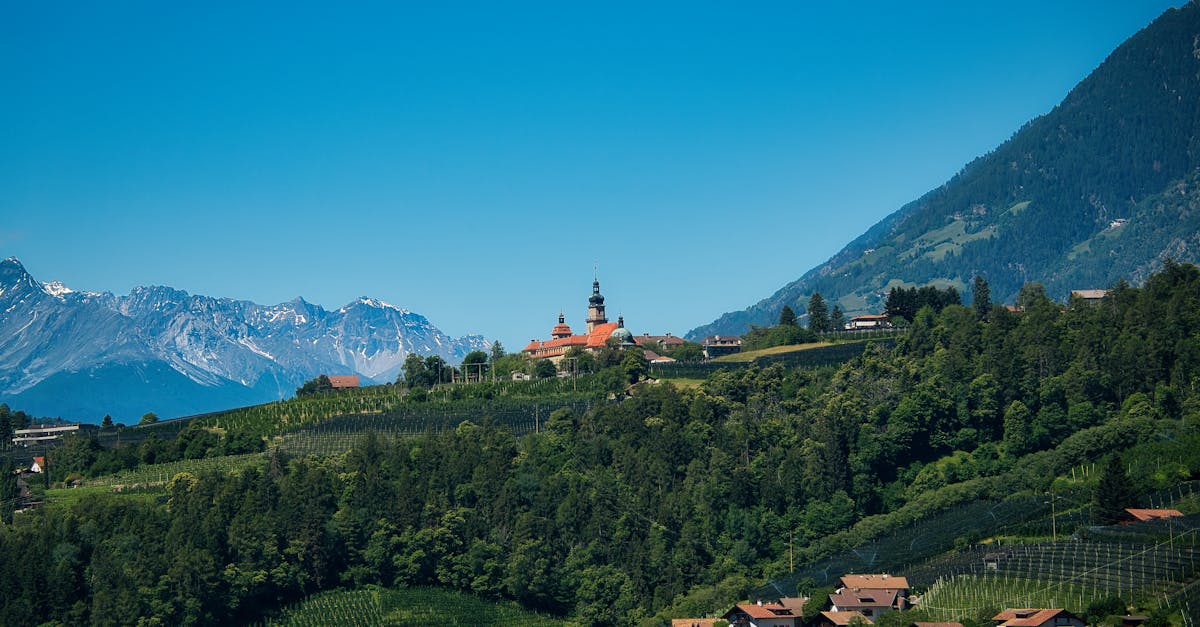
- To conclude the magic of the Bandol terroir, it’s impossible to ignore the climatic factors and the unique terrain of the area. The region is protected from the cold northerly winds by the Sainte-Baume Massif and Mont Caume, while benefiting from record sunshine and very low rainfall, which is highly conducive to the slow and steady ripening of the grapes. The Mistral wind regularly sweeps across the hillsides, thus limiting the risk of vine disease. Explore the region on foot or by bike and you’ll appreciate the unique atmosphere created by this natural setting. The proximity of the Mediterranean Sea—just a few kilometers away—plays an essential role year-round. Especially in midsummer, the sea breeze tempers the intense heat, providing the grapes with a sort of “natural air conditioning system,” preventing them from overheating. This subtle thermal regulation helps preserve the freshness and elegance of the wines, despite the sun’s power. 🌞
Intense sunshine: guarantees beautiful grape ripeness 💨Regular Mistral wind : protects the vines from disease 🌊 Sea breeze : cools the vines, especially in summer
🏞 Rest and terraces : terraces that protect and optimize the vines Climatic Factor ☀️Effect on the Vine 🍇
Sunshine
Allows optimal ripeness, especially for Mourvèdre
Concentrated wines, rich in aromas
- Low rainfall Less risk of disease Preserved grape quality and health
- Mistral wind Dries the vines, prevents mildew Fewer treatments required
- Sea breeze Tempers excessive summer heat Maintains freshness in the wines
- This unique climate contributes to the reputation of Bandol wines, such as those produced by Château Pradeaux or
| Domaine de l’Olivette | , renowned for their finesse and their elegance despite their power. This microclimate is both a valuable asset and a challenge for winemakers, who must constantly adapt their practices to these sometimes extreme conditions. | FAQ – The Unique Terroir of the Bandol Region |
|---|---|---|
| ❓ | Why is Mourvèdre so essential in Bandol wines? | Because it benefits from the Mediterranean climate, develops a solid tannic structure, expresses spicy aromas, and has great aging potential thanks to deep roots adapted to the soil. |
| ❓ | What are the main soil types found in the Bandol terroir? | Red Sands, Black Marls, Rudist Limestones, Triassic Pebbles, and Sandy Marls, each bringing a special touch to the wines. |
| ❓ | How does the Mediterranean Sea influence the Bandol terroir? | It moderates the temperature in summer thanks to the sea breeze, helping to maintain the freshness of the grapes and a balanced ripeness. ❓ |
| Which grape varieties are authorized for the production of Bandol red wines? | Mourvèdre (at least 50%), Grenache, Cinsault, and Carignan. | ❓ |
What winemaking practices are preferred for Bandol red wines? Hand-harvested, strict sorting, long maceration, temperature-controlled fermentation, and aging in oak barrels for at least 18 months.