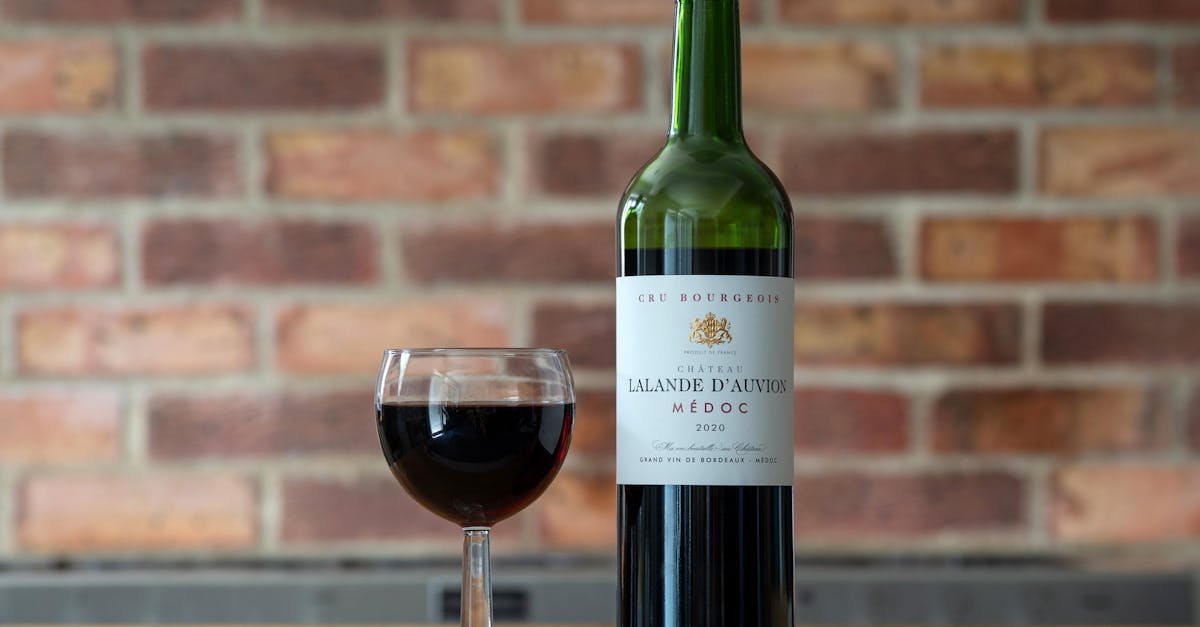
You’ve probably already heard of the Médoc, a wine region that thrills wine lovers from all over the world. It’s more than just a terroir; it’s a concentration of history, expertise, and breathtaking landscapes. Stretching over 80 kilometers along the left bank of the Gironde, this land stretches between oceans, forests, and an estuary, offering ideal conditions for growing vines. The Médoc isn’t just a name on a bottle: it’s a well-established reputation, forged by prestigious châteaux like Château Margaux, Château Latour, and Château Lafite Rothschild, but also by a diversity of terroirs and wines that satisfy everyone. If the Médoc has become the benchmark for Bordeaux wines, it’s primarily thanks to its unique blend of climate, soils, and grape varieties that have continued to inspire winemakers for centuries. But why is this corner of the Gironde so associated with the word excellence? How did this vineyard go from a marshy area to a global icon? We’ve put together this hassle-free guide to uncover all the secrets that make the Médoc an undisputed wine star, from its appellations to its grape varieties, including the expertise that gives it its distinctive character and exceptional aromatic complexity. So, whether you’re a novice, curious, or seasoned winemaker, let’s embark on a journey to the heart of a terroir that’s a feast for the eyes… and the taste buds!
Where is the Médoc located and what are its unique geographical characteristics?
The Médoc is essentially a large strip of land in Nouvelle-Aquitaine, on the left bank of the Gironde, which stretches out to conquer the Atlantic Ocean, with the Pointe de Grave being the final point. Approximately 90 kilometers long and 10 to 15 kilometers wide, it’s a territory that knows how to play the wild card in a mosaic of landscapes between the estuary, the Landes forest, and the wild ocean. To get the point right, it’s also important to understand that this area was long marshy, which long limited the establishment of vines. It was the Romans who named it “in medio aquæ,” meaning “in the middle of the waters,” before King Henry IV launched a colossal project by inviting Dutch experts to drain the region. This work lasted until the end of the 19th century, transforming a hostile territory into one of the most attractive vineyards in the world. Here’s a short list to help you better understand the Médoc’s geography:
📍 Located in the Gironde department, northwest of Bordeaux
🌊 Bordered by the Gironde estuary and the Landes forest
- 🌲 Protected by the Landes forest, which filters the sea breeze
- 🗺️ Stretches over a strip approximately 90 km long and 10-15 km wide
- ⛵ Composed of largely gravelly, very well-drained soils
- The Médoc is divided into two main appellations that define its identity: Haut-Médoc and Médoc (formerly Bas-Médoc). These appellations cover a large territory, with a few gems in the form of communal appellations such as Saint-Estèphe, Pauillac, Saint-Julien, Listrac-Médoc, Moulis, and Margaux. Each corner has its own secret recipe, its own expertise, and its own challenges, not to mention the winemaking interlude that makes all the difference. Location
- Features
Special Features
| Left bank of the Gironde | Narrow strip of land stretching over 90 km | Close to the Atlantic Ocean |
|---|---|---|
| Gironde Department | Close to Bordeaux | Adjacent Landes Forest |
| Main Appellations | Haut-Médoc and Médoc | Prestigious communal appellations such as Margaux and Pauillac |
| This region is a must-see, thanks to its perfect climate for vines. Mild in winter, warm in summer, with the tempering influence of the Gironde and the Landes forest, the region knows how to balance sunshine and freshness for grapes at optimal ripeness. | Discover the essential Médocs to take care of your health. Our complete guide helps you choose the treatments best suited to your needs. | Why does the Médoc terroir make all the difference? The secrets of its soils and climate |
The Médoc is, above all, a land that leaves no one indifferent. You know, a terroir that immediately stands out and charms you with its unique character. This vineyard wouldn’t be what it is without its famous gravel soils, that unique blend of pebbles, gravel, and stones that is the signature of the Médoc. These “gravel ridges,” sometimes several dozen meters thick, form a layer that makes drainage a breeze. The result: the vines never flounder, while benefiting from a water reserve that ensures their survival even during periods of intense heat. As is often the case in viticulture, the right balance between dryness and humidity plays a major role. These soils, sometimes enriched with clay or limestone, act as a natural thermostat.
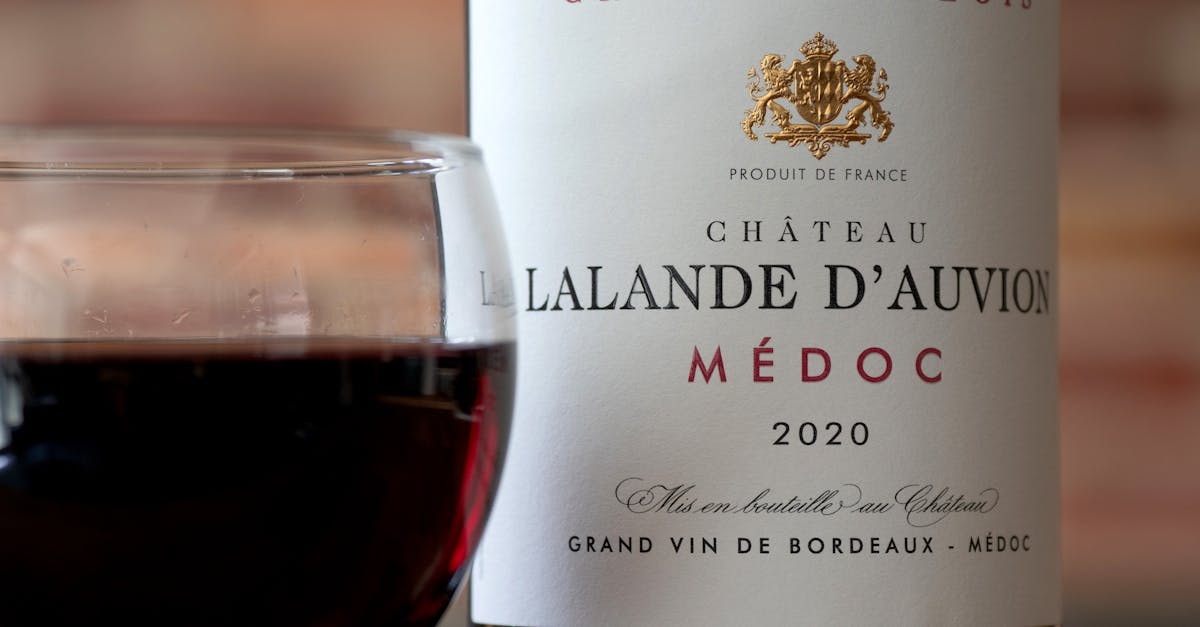
Here are some key facts about this much-vaunted terroir:
🌿 Soils mainly composed of gravel, pebbles, and gravel
💧 Excellent natural drainage thanks to the thick gravel outcrops
🌡️ Climate tempered by the Gironde and the Landes forest
- 🍇 Ideal conditions for demanding grape varieties like Cabernet Sauvignon
- 🏞️ Soil diversity with clay-limestone sections for greater finesse
- Element
- Role in the vineyard
- Impact on the wine
| Gravel (gravel, pebbles) | Drains water, retains heat | Gives the wine structure and power |
|---|---|---|
| Clay and limestone | Retains moisture | Brings finesse and elegance to the wine |
| Temperate climate | Protects the vines from extremes | Promotes regular grape ripeness |
| The Médoc terroir is a true star, also reflected in its powerful yet balanced wines. Without this perfect blend of well-drained soils and a mild climate, Château Latour, Château Mouton Rothschild, and Château Palmer would likely never have achieved the finesse that makes them cult classics. You’ll quickly understand that Médoc wine is no accident, but a skillful blend of nature and the winemaker’s expertise, and that’s what makes it so remarkable. | https://www.youtube.com/watch?v=Uq2OaCjOvCI | The emblematic grape varieties of the Médoc: the winning recipe for exceptional wines |
When we talk about Médoc, we often imagine a full-bodied, rich, and elegant red wine. What explains this magic? It’s the presence of well-chosen grape varieties that master their roles to perfection. No hassle here; we juggle four main pillars that make all the difference, and sometimes an additional joker that highlights the unique character of each vintage. Here’s the superstar of the Médoc red grape varieties:
Cabernet Sauvignon:
The undisputed star, bringing aromas of blackcurrant, pepper, and a powerful tannic structure.
🍇
- Merlot : the sweet and rounded side, with its notes of red fruits and blackberries, an essential part of balancing wines. 🌸
- Cabernet Franc : with its floral, violet, and peppery notes, a true spice of the Médoc. 🌿
- Petit Verdot : the secret spice, giving body, color, and complexity to wines. Don’t imagine that only the reds are talked about in the Médoc. Yes, the whites remain marginal, but when they exist, they amaze with their high quality. Beyond the classic reds, a little Chardonnay or Sauvignon fills the cellars with a few white gems from regional appellations like the Pavillon Blanc from Château Margaux. Grape Variety
- Aromatic Characteristics Role in the Blend Cabernet Sauvignon
Red Fruits, Blackcurrant, Pepper
| Structure and Longevity | Merlot | Red Fruits, Blackberry, Round and Smooth |
|---|---|---|
| Balance and Finesse | Cabernet Franc | Violet, Pepper |
| Aromatic Complexity | Petit Verdot | Color, Spices, Body |
| Power and Intensity | If you want to learn more about what makes wines distinctive, you can take a look at this article to understand the characteristics of Bordeaux red wines. A good refresher for connoisseurs and novices alike. And of course, to dig deeper, also discover how to choose a Bordeaux wine that suits you. | Discover the Médoc, a renowned wine region in France, famous for its rich and complex red wines. Explore its châteaux and picturesque vineyards, and immerse yourself in the art of tasting in this must-see destination for wine lovers. |
| The iconic Médoc appellations that have earned it worldwide prestige | A bottle of Médoc is no laughing matter, especially when it bears the prestigious seal of a communal appellation. These appellations not only guarantee a wine of character but also tell a story, a specific terroir, and the gestures of a long tradition. First and foremost, we obviously find the names of the must-see châteaux that make palates tingle, such as Château Margaux, Château Latour, Château Mouton Rothschild, and Château Lafite Rothschild—all names that promise exceptional bottles. Here’s a brief overview of the appellations and vintages that make the Médoc famous: | 🍷 |
Haut-Médoc : brings together several renowned estates that produce full-bodied and complex red wines🍇 Médoc: the general appellation that covers the southern part, with a beautiful sensory diversity

Pauillac
: the cradle of legends, with Château Latour, Château Mouton Rothschild, and Château Lafite Rothschild in the spotlight
🍒
- Margaux : known for its elegance and finesse, home to the prestigious Château Margaux 🛡️
- Saint-Estèphe : robust, tannic, and powerful wine, ideal for aging, with châteaux like Château Montrose in the spotlight 🌿
- Saint-Julien : finesse and balance, with flagship names like Château Léoville Barton and Château Ducru-Beaucaillou 🌄
- Listrac-Médoc : a more confidential area, this This appellation nevertheless produces full-bodied and charming wines. 🍁
- Moulis-en-Médoc: known for a supple, fruity style, to be cellared for a journey through time. Appellation Characteristics
- Iconic Estates Haut-Médoc Full-bodied, well-structured red wines
- Château Pichon Longueville, Château Palmer Pauillac Powerful, refined wines with ageing potential
- Château Latour, Château Mouton Rothschild, Château Lafite Rothschild Margaux Elegant and refined wines
| Château Margaux, Château Beychevelle | Saint-Estèphe | Robust wines with pronounced tannins |
|---|---|---|
| Château Montrose, Château Cos d’Estournel | Saint-Julien | Balanced Wines with Finesse |
| Château Ducru-Beaucaillou, Château Talbot | Looking to learn more about Médoc wines and their appellations? This practical guide to the Bordeaux wine regions will give you all the keys to navigating this fascinating world, or this comprehensive guide will teach you how to distinguish a renowned Bordeaux wine. Enough to put all the odds in your favor during your next tasting or purchase! | https://www.youtube.com/watch?v=V0XD8eHjj1M |
| When and how to drink a Médoc wine to fully enjoy its qualities? | Now that we’re a little immersed in these noble lands, we must ask ourselves the crucial question: when and how to fully enjoy Médoc wines? Make no mistake, these beverages can’t be uncorked in a hurry. They require a little time and patience—a masterstroke in the cellar and beyond. Most Médoc wines really begin to reveal their true colors after 5 to 7 years of aging. Longer is often better, provided the vintage is right. This is where you’ll find old legends ready to delight after 12 or even 15 years, or even longer. | Here are some essential reminders on how to best enjoy a Médoc wine: |
| 🍾 Store away from light and in a cool place (ideally a cellar at 12-14°C) | ⏳ Wait for the right maturity depending on the vintage (5-10 years for most, sometimes longer) | 🌡️ Serve between 15 and 17°C for ideal balance |
| 🕰️ For the grands crus, patience can exceed 15 years | 🧀 Paired with a beautiful plate, the Médoc loves dishes with character | Great vintages—2016, 2018, and 2020 are worth watching—just like classics like 1982 and 2005, produce wines of exceptional dimension, ready to thrill any tasting ceremony. It’s important to carefully time the bottle to truly dazzle. Vintage |
Estimated Quality Tasting Advice 2016, 2018, 2020 Exceptional Recent VintagesDrink Now or Keep For a Long Time
Great Classic Vintages
Perfect for Special Occasions
2014, 2015
- Very Good Years
- To be enjoyed young or after a few years
- Finally, for wine lovers who want to discover more tips, tastings, and tricks, taking a look at this guide to the 2024 vintages in Pauillac can be a great idea to prepare for the future.
- To finish on a high note, here’s a little nod to the social media that often talks about these treasures, like this Instagram post that comes straight from the heart of the region:
- FAQ: What you need to know about the Médoc and its wines
❓
| Is the Médoc only known for its red wines? No, even though red dominates, there are also some exceptional white wines, often from Bordeaux or regional appellations. | ❓ | What are the essential grape varieties in a Médoc blend? |
|---|---|---|
| Cabernet Sauvignon and Merlot are essential, followed by Cabernet Franc and Petit Verdot for complexity. | ❓ | How can you differentiate Médoc from Haut-Médoc? |
| Haut-Médoc is a broader appellation that covers a large portion of the vineyards, while Médoc refers to an area slightly further south. Both produce very high-quality wines. | ❓ | Which châteaux are worth a visit in the Médoc? |
| Château Margaux, Château Latour, Château Montrose, and Château Cos d’Estournel are all estates to discover, each with its own unique charm. | ❓ | How best to store a bottle of Médoc? |
In a cool, dark cellar, around 12-14°C, lying down to keep the cork moist.