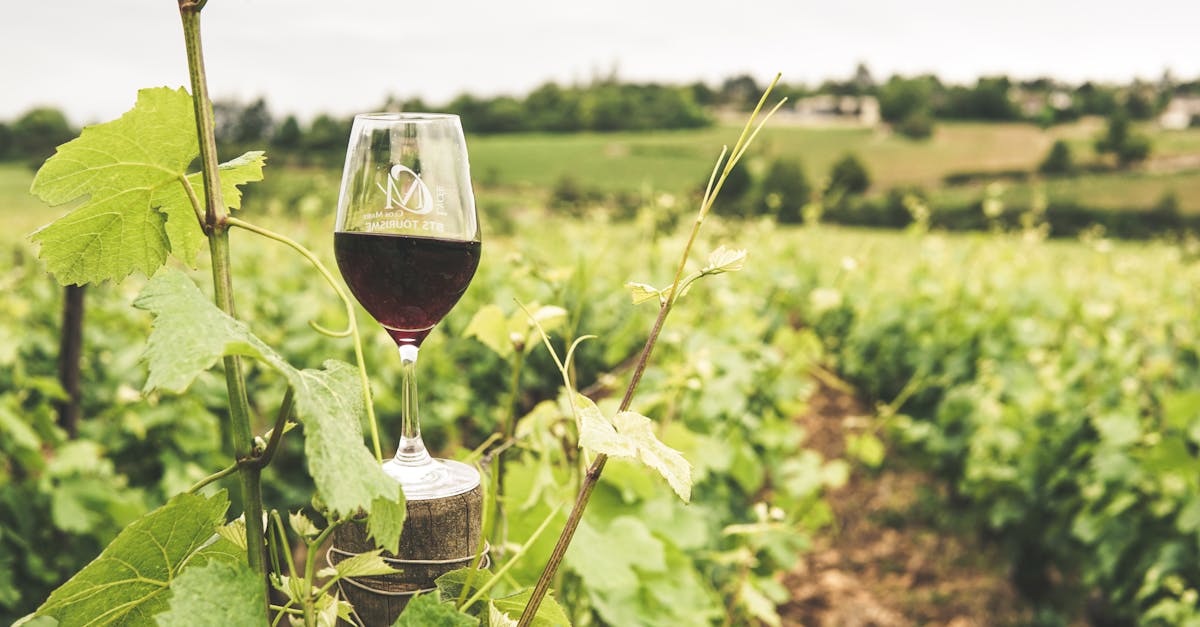
The Rhône Valley is much more than just a wine corridor in France: it embodies a true oenological treasure shaped by its multiple and contrasting terroirs. Stretching from north to south over nearly 200 kilometers, this region combines geological, climatic, and human diversity that profoundly influences the wines produced there. Here, it’s not just the grape variety that makes the difference, but a whole blend of natural elements and expertise that intertwine to produce unique vintages. Whether you’re a fan of the powerful, full-bodied wines of the Southern Rhône or the elegant, mineral wines of the Northern Rhône, you’ll feel the touch of the terroir that everyone agrees on with every sip. 🍷✨
Granite soils, stony soils, steep slopes, the Mistral wind, the warm Mediterranean or moderate continental climate… so many ingredients that not only create the setting, but also shape each bottle of Château de Beaucastel, Domaine de la Janasse, E. Guigal, and Domaine Paul Jaboulet Aîné. These great names are just a glimpse of the local richness. Moreover, biodiversity also contributes its grain of salt to sustainably managing the vineyards, a crucial point at a time when preserving ecosystems is becoming a priority. 🌿🐝
If you’re curious to understand how this natural patchwork influences and enhances the fruit of the grape, we’ve put together this hassle-free guide, complete with compelling examples and charts to help you understand. To get the point across, we’ll review the terroir elements that make the difference, then their direct impact on the quality, structure, and longevity of wines, while also taking a look at concrete examples from the Rhône Valley and its iconic appellations. Let’s uncover the secrets hidden beneath the corks of your favorite bottles! 🍇🔍
How do soils shape Rhône Valley wines? A dive into the heart of the terroir
In the Rhône Valley, the soil is a true wine maestro. Each plot, each gravel pit, each mineral vein directly influences the characteristics of the grapes and therefore the final profile of the wine. This soil is a complex blend of textures and chemical compositions. ⚡ Geologically, there are two broad categories: in the north, the terrain is dominated by granite, particularly in appellations like Côte-Rôtie and Hermitage. This steep, mineral-rich soil brings finesse, minerality, and a certain aromatic elegance to Syrah wines, for example.
🌞 Further south, clay-limestone soils and especially rounded pebbles dominate, particularly around Châteauneuf-du-Pape. These pebbles accumulate solar heat during the day and release it at night, a real boost for grape ripeness. The result: generous, rounded wines with impressive aromatic power.
The importance of soil goes beyond its physical nature. It acts as a filter and reservoir: some soils retain water, others drain it, which influences the vigor of the vine and the concentration of the grapes. It’s a true masterpiece, with each local situation changing the result in the bottle.
🪨
- Granite (North): balance between minerality and elegance, ideal for high-altitude Syrah. 🥾
- Rounded pebbles (South): promote warmth and maturity, perfect for wines rich in Grenache. 🟫
- Clay-limestone: conveys finesse and complexity, often the source of robust, age-worthy wines. A table to better understand this diversity: 🗺️ Area
🟤 Soil Type
| 🍇 Dominant Grape Varieties | 🍷 Wine Profile | 🏅 Examples of Estates | Northern Rhône | Granite, Schist |
|---|---|---|---|---|
| Syrah, Viognier | Mineral, Elegant, Structured | E. Guigal, Domaine Paul Jaboulet Aîné, Domaine Ogier | Southern Rhône | Round Pebbles, Clay-Limestone |
| Grenache, Mourvèdre, Syrah | Powerful, Fruity, Rich | Château de Beaucastel, Domaine de la Janasse, Domaine Saint Préfert | The soil is therefore a fundamental point of reference for understanding the spectacular variety of the valley’s wines. To learn more, take a look at an article on the richness of the terroirs | which highlights the region’s geological diversity. Discover the essence of the terroir through our authentic and delicious products, combining tradition and artisanal expertise for an unforgettable gastronomic experience. |
What role do climate and terrain play on Rhône Valley wines? In the Rhône Valley, the weather doesn’t just dictate the weekend weather; it also governs the ripeness, health, and ultimately the quality of the grapes. The climate here is warm but variable, with a clever mix of Mediterranean influence in the south and continental climate in the north. 🌞 In the South, summers are hot and dry: this means the grapes benefit from maximum sunshine, perfect for reaching optimal ripeness quickly. The effect of the Mistral wind, this typical ingredient, acts as a natural cleaner, limiting mold and disease, which is a significant advantage. The wines of Châteauneuf-du-Pape or Gigondas often reflect this generous climate with their high alcohol content and powerful aromas of ripe fruit and spices.
Summer temperatures:
influence sugar, alcohol, and aroma content.
💧
Precipitation:
- plays a key role in vine vigor and grape health. 💨 Mistral wind:
- promotes grape cluster hygiene and aromatic concentration. 🗻 Terrain:
- provides variation in exposure and altitude, a source of aromatic diversity. Here’s a detailed table to help you understand the difference between the two zones: ☀️ Climate ❄️ Special Features
- ⚖️ Effects on Wine 📍 Examples of Appellations Mediterranean (South)
Strong sunshine, hot summers, low rainfall
| Powerful, fruity, and high-alcohol wines | Châteauneuf-du-Pape, Gigondas, Vacqueyras | Continental (North) | Cold winters, moderate summers, hilly terrain |
|---|---|---|---|
| Elegant, fresh, structured, and balanced wines | Côte-Rôtie, Hermitage, Condrieu | https://www.youtube.com/watch?v=bwLK2hDak4E | The terrain not only affects the landscape, but also directly modulates the light and heat received by the vines, which influences the shape and quality of the fruit. Well-exposed slopes produce more concentrated grapes, and therefore more aromatic wines. This contrast is perfectly visible at producers like Domaine Vieux Télégraphe or Château Gigognan. |
| How does biodiversity influence the terroir and Rhône wines? | We often tend to talk about terroir by considering only the stone, water, air, and sun. However, biodiversity—the presence of living beings in and around the vineyard—is just as crucial. This natural wealth acts as a regulator, a protector, and also an enricher of the soil and the vines. | 🐝 Companion plants, insects, and even small animals form a living ecosystem that encompasses the vineyard. This biodiversity helps limit the use of chemicals by promoting natural mechanisms to combat pests and diseases. For example, the presence of bees and other pollinating insects indirectly contributes to soil health. This link between biodiversity and terroir is increasingly being explored by estates like Domaine la Soumade and Domaine Saint Préfert, which are adopting environmentally friendly viticulture. | 🦋 |
biological pest control.
🌱
Ground cover plants:
prevent erosion and promote microfauna.
- 🐞 Beneficial insects: balance the vineyard ecosystem.
- 🌾 Vegetation rotation: improves soil quality.
- This living system stimulates the vigor of the vines without causing disease, which is reflected in the quality of the grapes and the final aromatic depth of the wine. If you would like to learn more, feel free to browse this resource dedicated to The impact of terroir on organic wines, which highlights this precious connection. Discover the essence of authentic terroir flavors, a journey to the heart of culinary traditions. Explore the richness of local products, typical recipes, and a love of gastronomic heritage.
- Terroir and the typicity of Rhône Valley wines: what effects on aromas and structure? Terroir not only influences vine growth; it is also the very soul of the aromas and texture of Rhône Valley wines. It’s clear that depending on where the grapes grow, the wines have distinct flavor signatures. 🍇 Terroir first influences the
primary aromas that come directly from the fruit. A Syrah growing on granite soils may reveal peppery, violet, or even smoky notes, typical of the high northern slopes. To the south, the same Syrah, grown on the rolled pebbles of Gigondas, produces ripe red fruits, licorice, and a beautiful roundness.🛠️ Regarding the secondary aromas, resulting from fermentation, the terroir also plays a role by influencing the indigenous yeasts. These small natural bacteria vary from one location to another and contribute to the aromatic complexity and texture of the wine.
Tannins:
Their concentration and finesse are directly related to the nature of the soil and the exposure.
⚖️ Acidity: Depends mainly on the climate, producing fresh or rounder wines.
⏳ Aging potential:Depends on the terroir and the growing practices that define the structure of the wine. Here is a table summarizing the impact of terroirs on these main wine dimensions:
- 🔍 Element 🌍 Northern Terroir 🌞 Southern Terroir
- 🍷 Effect on Wine Primary Aromas Floral, peppery, mineral notes (Syrah, Viognier)
- Ripe red fruits, spices, garrigue (Grenache, Mourvèdre) Typicality and strong local characteristics Structure (tannins and acidity)
Fine tannins, marked acidity, freshness
| Powerful tannins, lower acidity, vigor | Balance and aging potential | Aging potential | High thanks to mineral soils and a temperate climate |
|---|---|---|---|
| Good but with more immediate power | Different evolution in the bottle | This diversity has allowed estates like | Domaine du Puy |
| or | Château Gigognan | to develop vintages that each speak a strong but distinct local language. This is what makes discovering the wines of the Rhône Valley exciting and full of surprises. | https://www.youtube.com/watch?v=hb8s5VHDBSI |
| FAQ: Frequently asked questions about the impact of terroir in the Rhône Valley | ❓ | What exactly is terroir? | Terroir encompasses all the natural elements (soil, climate, relief, biodiversity) that influence the vine and the quality of the wine produced. ❓ |
Why are granite soils important in the Northern Rhône? Granite provides a particular minerality and finesse, favoring elegant and well-structured wines like those of E. Guigal. ❓ How does the Mistral wind influence the vine? The Mistral dries out the grape clusters and eliminates fungi and parasites, which helps produce healthy and concentrated grapes.
Does biodiversity really matter in viticulture?
- Yes, it allows for more natural and sustainable viticulture while protecting the soil and vine health, a priority adopted by estates like Domaine la Soumade. ❓
What are the flagship grape varieties of the Rhône Valley?
- Syrah, Grenache, and Mourvèdre for the reds; Viognier, Marsanne, and Roussanne for the whites are the region’s stars.