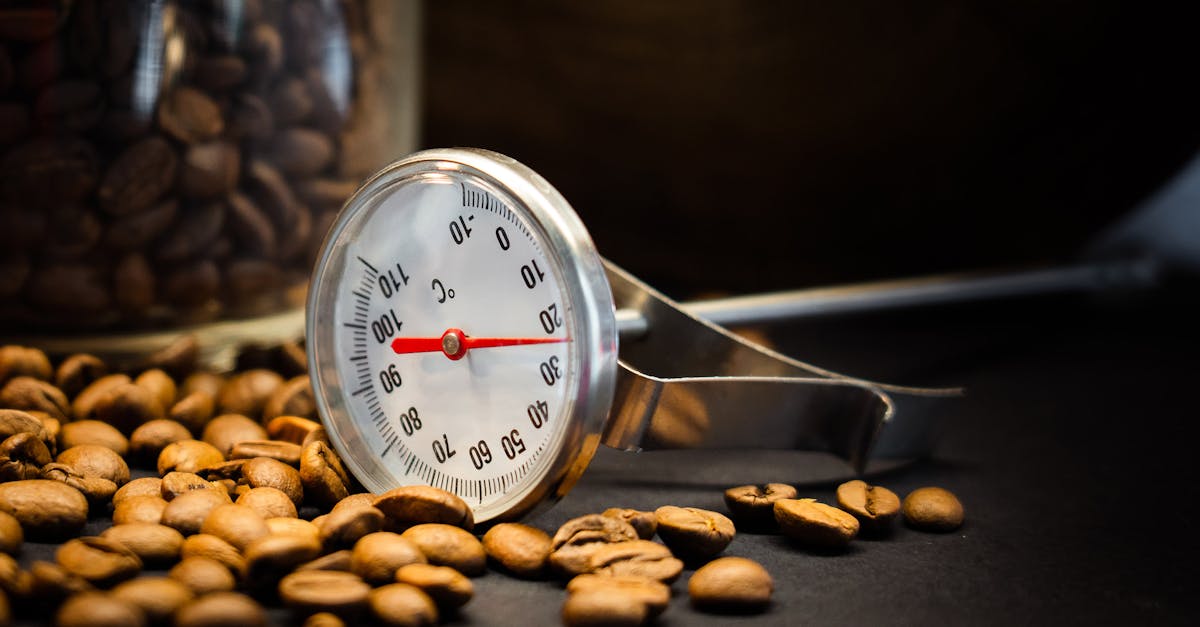
When we talk about Alsace wines, we immediately evoke this region where winemaking tradition rhymes with finesse and elegance. But for these gems to deliver their best, opening them haphazardly isn’t enough. Serving temperature plays a key role in revealing their subtle aromas and the freshness that gives them their charm. Whether you’re a fan of Riesling, Gewurztraminer, or the other marvels from Domaine Weinbach or Hugel, it’s crucial to know the right temperature to enjoy these nectars. Too cold, and you lose complexity; too warm, and the flavors don’t fully develop, and the alcohol overheats.
With this in mind, this guide will provide you with easy guidance on the different thresholds to respect for your bottles, whether it’s a young wine from Domaine Zind-Humbrecht, a Grand Cru from the Cave de Turckheim, or a selection of Dopff au Moulin’s noble grapes. We offer a detailed overview, supported by the expertise of specialists like Olivier Humbrecht, and by ideal storage methods, also drawing on cellar practices, such as those at the Cave de Ribeauvillé or Domaine Pierre Gassmann.
Get ready to discover how the right temperature can change your tasting experience and why each grape variety, each wine, requires its own specific expertise. Whether for a light aperitif, an aromatic meal, or an evening with wine lovers, we invite you to take the temperature… but not just any temperature!
At what temperature should Alsace white wine be served to enhance its flavors?
Alsace white wines, whether made from Riesling, Pinot Gris, or Muscat, require special attention when it comes to serving temperature. As you probably know, serving an Alsatian white wine at the ideal temperature is key to intensifying its fruity and floral aromas, as well as its distinctive minerality. This freshness, far from being a simple matter of taste, is also a matter of chemistry: it influences the expression of aromatic compounds and the palate. A perfect balance is what you should aim for.
In general, dry and elegant white wines, such as those from the famous Domaine Josmeyer or Albert Mann, prefer to be served around 8 to 10°C. This range is ideal so that their notes of citrus, acacia blossom, or green apple are neither smothered by the cold nor clouded by excessive heat. Riesling, for example, which is often very mineral, expresses its full vivacity at this temperature, while a Pinot Gris reveals its rich, spicy nuances without the alcohol overpowering it.
For more complex wines, such as the Grands Crus from Domaine Weinbach or Domaine Zind-Humbrecht, serving at around 10°C is also recommended. This allows the wine time to gently aerate in the glass, revealing its deep flavors without losing the necessary freshness. One could even say that this temperature coaxes the wine out of its shell, much like a bee that, after a harsh winter, begins to buzz again. Here’s an overview of the ideal temperatures for different types of Alsace white wines:
🍏
- Classic dry white wines : 8-10°C 🌼
- Grands Crus and complex wines : 10-12°C 🍯
- Vendanges Tardives and Sélections de Grains Nobles : 10-12°C to maintain sweetness and aromatic richness For impeccable service, don’t hesitate to remove your bottle from the refrigerator a moment before serving. The ideal temperature isn’t a fixed number; rather, it’s a range that can be adjusted depending on the room, the glass used (a long-stemmed tulip glass allows for better concentration of aromas), and the age of the wine. If you’d like to delve deeper into the art of tasting Alsace wines, check out this inspiring guide to the aromas of Alsace wine. Type of Alsace white wine
Recommended temperature (°C) ❄️ Main flavors highlighted 🍇Classic dry white wines (Riesling, Pinot Blanc)
| 8 – 10 | Fresh fruit, citrus, minerality | Grands Crus (Riesling, Pinot Gris) |
|---|---|---|
| 10 – 12 | Aromatic complexity, spices, finesse | Vendanges Tardives, Sélections de Grains Nobles |
| 10 – 12 | Sweet richness, honey notes, and ripe fruit | Discover everything you need to know about the ideal serving temperature for your drinks and dishes. Learn how temperature influences flavors and enhances your culinary experience. Some tips to awaken the aromas of your Alsace wines |
| To ensure tasting isn’t just a formality, follow these simple tips that work every time: | 🧊 Don’t serve the wine too cold to avoid blocking the aromas, especially for the grands crus. | 🍷 Use a long-stemmed tulip glass, specially designed for Alsace wines, as this concentrates the aromas. |
⏳ Let the bottle rest for a few minutes outside the refrigerator, especially in summer or for wines stored in the cellar.
✨ For young wines, aim for freshness, while older wines sometimes benefit from being a little warmer.
- https://www.youtube.com/watch?v=Lwo_TClWDs0
- Why does the serving temperature of Alsace wine influence its taste and aromas?
- Wine is, above all, a question of chemical balance. And serving temperature plays a fundamental role in this delicate dance between acidity, alcohol, tannins, and aromatic complexity. Especially for Alsace wines, which like to emphasize freshness and purity.
- To understand why the choice of temperature makes all the difference, imagine taking out three glasses of the same wine: one chilled at 5°C, one at the ideal temperature of around 10°C, and one at a too-hot 18°C. Same wine, but completely different flavor profiles. When cold, it’s mainly the acidity and bitterness that stand out. The alcohol and aromas remain timid, even residual. At 10°C, everything balances out; the freshness is present, but the aromas blossom, and the symphony can begin. When warm, the alcohol dominates, the tannins loosen, and the wine’s natural freshness disappears. The reason is simple: cold slows the perception of aromas and accentuates acidity, while heat accelerates chemical reactions but can be harsh on the palate and mask nuances. For discerning wine lovers, this makes all the difference in the tasting experience.
- This influence is particularly noticeable in traditional Alsatian grape varieties cultivated by experts like Olivier Humbrecht or at Domaine Josmeyer, where finesse and purity take precedence over raw power. For example:
At low temperatures
, liveliness and acidity take over. Ideal for warm days, but not always suited to the most expressive wines.
🌡️
At medium temperatures
, it’s the perfect balance between acidity, sweetness, and aromas.
- 🔥 At too high temperatures, alcohol and bitterness dominate, and aromas escape too quickly. Temperature (°C) 🌡️
- Effect on Alsace wine 🧪 Serving advice ✅5 to 7
- Heightened acidity, restrained aromas, fresh sensation Avoid except for very light sparkling or sweet wines8 to 10
| Balance between freshness and aromatic expression | Ideal for most Alsace white wines | 12 to 14 |
|---|---|---|
| Opening of aromas, loss of freshness, more alcohol | For more complex wines, but not to exceed | Furthermore, temperature also influences the tactile sensation. As a bonus, it affects the tannins and sweetness, which is very important for wines like those from Domaine Pierre Gassmann or Cave de Ribeauvillé, renowned for their subtle balance between acidity and richness. Tasting these wines at the right temperature completely changes perception. This subtle but essential enhancement will delight both discerning palates and curious novices. To further your knowledge of wines and their tasting, don’t hesitate to explore other appellations and their specificities, such as the specificities of the Faugeres AOC or Rhône wines and their associated cuisine at vin-et-chocolat.fr. |
| Discover the importance of serving temperature to enhance your dishes and drinks. Learn tips for serving your food at the right temperature and enhance your culinary experiences. | How to properly store and prepare your Alsace wine before serving? | |
| It can’t be stressed enough: storage is essential to ensure your Alsace wine retains its full potential until served. A well-preserved bottle is always more likely to be served at the ideal temperature and delight your taste buds. | The best storage method is in a cellar or a temperature-controlled wine cabinet, as recommended by Cave de Turckheim, renowned for its excellent natural conditions. The ideal storage temperature is between 10°C and 14°C. A stable environment preserves all the wine’s components, particularly its acidity, alcohol, and aromas. Humidity should be close to 70% to prevent the cork from drying out. | The position of the bottle in the cellar or cabinet also matters: the bottle should be placed horizontally to keep the cork in contact with the wine and thus prevent it from drying out, which would cause air leaks and premature aging or the development of unwanted flavors. This best practice is also recommended by the two prestigious names Domaine Josmeyer and Albert Mann, who oversee this step with unique expertise. |
When serving, avoid thermal shock. There’s no point in extracting a wine at 14°C and plunging it into an ice bucket. Ideally, you should remove the bottle from the cellar about 30 minutes to an hour before serving, allowing it to stabilize at the desired temperature. If the bottle is too warm, adding a little ice in a bucket of water will help it reach the recommended temperature quickly. 🕰
Cellar storage temperature: 10-14°C 💧 Ideal humidity:~70%
Bottle position:
lying down to keep the cork moist
⏳
Removal from the cellar:
30 minutes to 1 hour before serving
- ❄️ Ice bucket: use sparingly to avoid thermal shock
- Storage step 🍷 Recommended conditions 🌡️ Impact on the wine 🌟
- Storage in a cellar or wine cabinet 10-14°C, humidity 70% Maintains quality and aromatic balance
- Bottle lying down Moistened cork Prevents premature oxidation and drying out
- Preheat before serving Remove 30-60 minutes before serving Reduces thermal shock and allows for optimal tasting
| Want to improve your knowledge of wine storage in general? Discover practical and tailored advice on | vin-et-chocolat.fr | for all regions. |
|---|---|---|
| https://www.youtube.com/watch?v=DuEJygN8GLo | The specific characteristics of Alsace sparkling wines and their ideal serving temperature | Sparkling wines from Alsace, such as the Crémants produced by the Cave de Ribeauvillé or the fine cuvées from Domaine Josmeyer, are true explosions of freshness on the palate. However, the secret to truly appreciating them lies in their serving temperature. Too cold, and the fizz fades; too hot, and the pressure builds too quickly, risking the unpleasant “stacking.” Crémants d’Alsace are ideally served between 8°C and 10°C. This range highlights the finesse of the bubbles and delicate aromas, while maintaining a pleasant freshness. Any cooler than this, and you risk stifling the bubbles and missing out on the fruity or floral sensations that characterize them. Any warmer, and the carbon dioxide escapes too quickly, causing overflow upon opening or excessive foam in the glass. |
| For a great vintage or a high-end crémant, such as those from producers Albert Mann or Hugel, serving between 11°C and 12°C is a good idea. This allows the more complex aromas to fully express themselves, provided this temperature is not exceeded to maintain freshness. This nuance is highly appreciated by lovers of elegant and technical sparkling wines, like the finest champagnes (for an idea of the perfect temperature, see our detailed advice at vin-et-chocolat.fr). 🍾 | Classic Crémant d’Alsace | : 8-10°C |
| 🌟 | Vintage or special cuvée | : 11-12°C |
❄️ To avoid: Below 7°C or above 13°C
Optimal temperature (°C) 🎯
Effect on tasting 🌈
Classic Crémant d’Alsace
8-10 Fresh aromas, fine bubbles, good lengthVintage Crémant, special cuvée
- 11-12 Complex aromas, enhanced finesse, balance Too cold or too hot
- Less than 7 or more than 13 Loss of aromas, excessive foam, spoiled tasting This specific expertise requires special attention, particularly at renowned wineries such as Cave de Turckheim or Dopff au Moulin, known for their mastery of sparkling wines in Alsace. Serving a crémant at the right temperature guarantees a sparkling experience without frustrations or unpleasant surprises. To fully appreciate these nuances, letting the wine unfold slowly after opening can work wonders.
- Discover the ideal serving temperature for your favorite drinks and dishes. Optimize your taste experiences by learning how to serve each dish at the right temperature. https://www.youtube.com/watch?v=eL-Aqv-SK3g https://twitter.com/franceinfo/status/1877641776174866867
| How to adjust the temperature according to the various renowned Alsace producers? | In Alsace, each producer has their own unique touch, and knowing their serving temperature preferences can be a key to a successful evening. The wines of Domaine Pierre Gassmann, for example, stand out for their balance between freshness and roundness, often ideally served around 9 to 10°C to reveal this harmony. | On the other hand, the great vintages of Domaine Weinbach, renowned for their power and depth, prefer to be served a little cooler, around 10-12°C, which brings out their complex aromas and subtle spices. It’s a true invitation to a taste journey that uses temperature to change the game and surprise your guests. |
|---|---|---|
| The lighter, more fruity vintages of Cave de Ribeauvillé or Domaine Josmeyer require a marked chill (8-9°C) to enhance the fruit notes and liveliness. Subtlety is key, especially when it comes to a wine from Domaine Hugel, where elegance reigns supreme and serving at a precise temperature reveals the nuances of the terroir. 🍇 | Domaine Pierre Gassmann: | 9-10°C for balance |
| 🌿 | Domaine Weinbach: | 10-12°C for complexity |
| 🍋 | Cave de Ribeauvillé: | 8-9°C for fruity freshness |
🌸

Ideal temperature (°C) 🎯
Key aromatic impact 🔑
Domaine Pierre Gassmann
9-10
- Balance of freshness and roundness Domaine Weinbach 10-12
- Complexity and aromatic depth Cave de Ribeauvillé 8-9
- Freshness and fruity liveliness Domaine Josmeyer 8-10
- Finesse and elegance Hugel 8-10
Elegance and subtlety of the terroirs Knowing these small details gives you every chance of getting the most out of your Alsace wines. To practice or discover even more, explore wine tasting in Provence atvin-et-chocolat.fr
| , a true concentration of expertise. | FAQ about the ideal temperature for serving Alsace wine 🍷❓ | 🌡️ |
|---|---|---|
| What is the ideal temperature for an Alsace Riesling? | Between 8 and 10°C to best express its freshness and minerality. | ❄️ |
| Should Alsace wines be served very chilled? | No, they should be chilled but not iced, so as not to mask the aromas. | 🍾 |
| How should I serve a Crémant d’Alsace? | Ideally, between 8 and 10°C for a balanced sparkle and to maintain the bubbles. | ⏳ |
| How long before serving should the bottle be removed from the cellar? | 30 minutes to 1 hour, depending on the initial temperature. | 🎯 |
| Does the ideal temperature vary among producers? Yes, some more complex wines like those from Domaine Weinbach benefit from being served a little warmer (10-12°C), while others prefer cooler (8-10°C). |