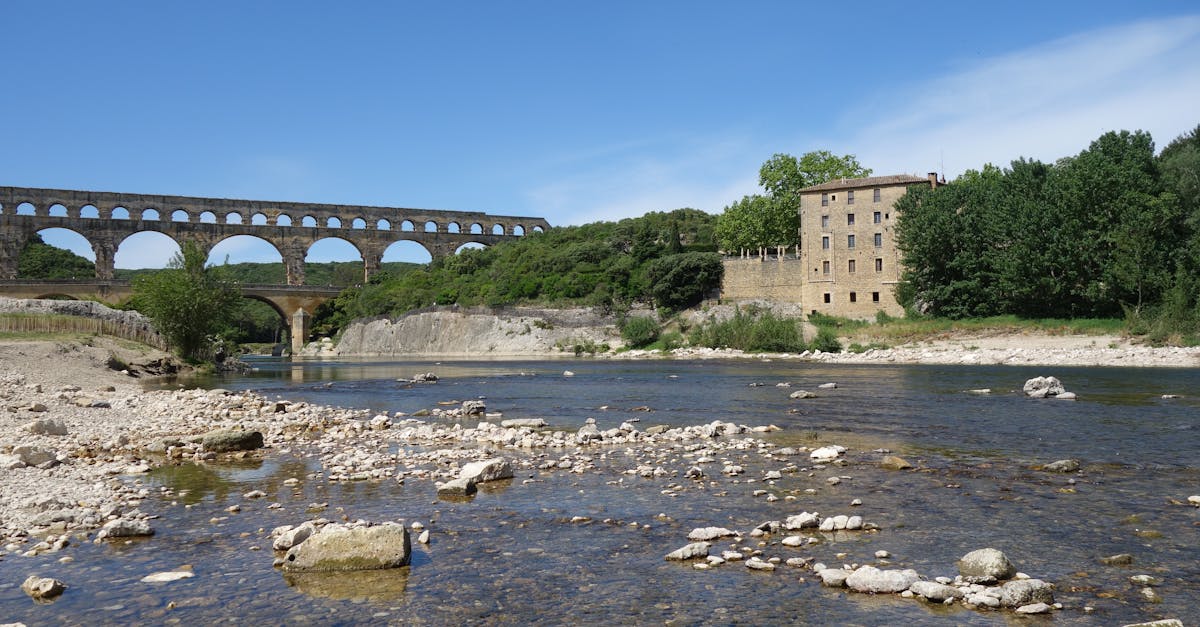
When you hear the word Provence, you immediately think of lavender, Mediterranean sunshine, and of course… rosé wine! Yet, behind this idyllic setting lies a rich history spanning over 2,600 years, giving this often underestimated wine region its depth. It was here that vines were first established in France, brought by the Phocaeans, those seafaring merchants who laid the roots of a now-legendary winemaking tradition. From unique terroirs to grape varieties from around the world, Provence isn’t just about producing rosé. Its vineyards, from Cassis to Bandol, including the Côtes de Provence, tell a story of passion, multiple cultural influences, and expertise that continues to evolve today, while remaining deeply rooted in its terroir. Whether you’re an enlightened connoisseur or simply curious, to get the right idea, you need to understand what makes this region so special, both for its exceptional climate and its diverse soils that shape wines with multiple characters. To feast your eyes, we’ve put together this guide that dissects the major chapters in the history of Côtes de Provence, taking you from its ancient origins to current trends. So, are you ready to dive into the fascinating epic of a vineyard where rosé reigns supreme, but where each bottle has its own story?
The Ancient Origins of Viticulture in Côtes de Provence
If vines speak to you as much of history as they do of culinary pleasure, it’s in the Côtes de Provence that you must trace your first true adventure. This wine-growing region is the oldest in France, with a winemaking tradition dating back over 2,600 years. It was the Phocaeans, coming from Greece, who founded the port of Massalia, now Marseille, in the 6th century BC. When they landed on these shores, they brought with them the vine and their cultivation techniques, thus ushering in a new era of winemaking in the region.
These first vineyards, designed to meet local needs but also Mediterranean trade, produced renowned wines, mainly rosés, as at that time the grapes were pressed very quickly, which gave the wine a light color. Provençal wine then became a valuable commodity, appreciated in many countries.
With the arrival of the Romans, viticulture in the Côtes de Provence experienced a real boom. The latter established wine châteaux, developed winemaking techniques, and established the commercial network that would spread Provençal wine throughout the Roman Empire. The very name “Provence” has its roots in the Latin “nostra provincia,” which translates as “our province,” emphasizing the region’s deep roots within the Empire. But the story doesn’t end there. Throughout the Middle Ages, under the impetus of monastic orders, particularly during the reign of the Popes of Avignon, vine cultivation progressed, driven by traditions and expertise that were perpetuated. It was at this time that vineyards began to be structured more closely according to terroir, with specific plots and adapted grape varieties, laying the foundations for the appellations we know today.
🌿 Founding of Massalia by the Phocaeans in the 6th century BC, introduction of the vine 🏛️ Expansion under the Roman Empire with the deployment of viticultural techniques⛪ Influence of monastic orders and popes in the Middle Ages, improvement of methods
🗺️ Beginning of the division of vineyards according to distinct terroirs
- 🍇 Production focused on clear wines, ancestors of today’s rosés
- Era
- Significant Events
- Influences
- Viticultural Characteristics
| 6th century BC | Founding of Massalia, first vines planted | Phocaeans (Greeks) | Clear rosé wine, rapid pressing |
|---|---|---|---|
| 2nd century BC 1000 BC | Expansion of the vineyard under the Romans | Roman Empire | Advanced winemaking techniques, increased trade |
| Middle Ages | Development under monasteries, European trade | Catholic Church, Avignon popes | Terroir selection, grape variety diversification |
| Discover more about the origins and specificities of the wine regions of Provence. | Discover the captivating beauty of Provence, a region in southern France famous for its idyllic landscapes, lavender fields, picturesque villages, and delicious cuisine. Immerse yourself in Provençal culture and let yourself be charmed by its pleasant climate and historical heritage. | Unique terroirs and the key role of climate in the quality of Côtes de Provence | When you taste a Côtes de Provence wine, you savor not only the subtle bouquet of the grape variety but also the unique expression of a terroir shaped by nature and time. This unique terroir boasts diverse geography and an ideal climate for vines. Provence is a true gift from Mother Nature for winegrowers. |
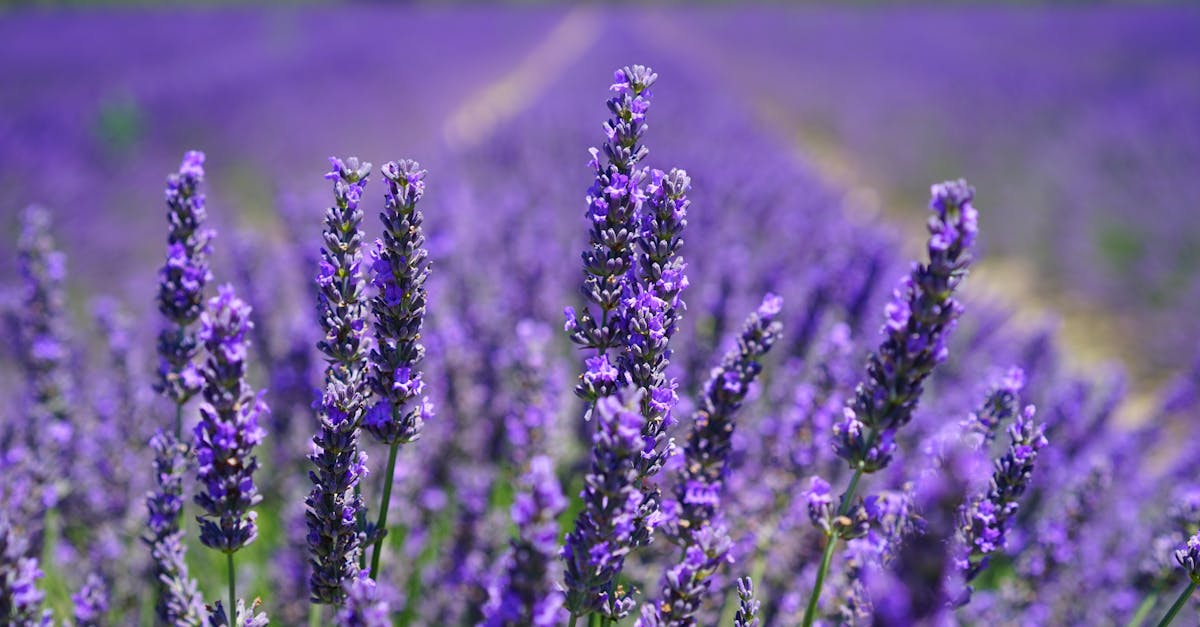
The soils vary enormously in the Côtes de Provence: limestone is predominantly found in the west, reflecting the origins of a former warm and shallow sea, while toward the east, they become more schistose and granite, with even a small volcanic zone. These differences greatly influence the personality of the wines produced, creating a rich and contrasting palette.
In this Mediterranean landscape, wild vegetation called Garrigue (rosemary, thyme, lavender, juniper) thrives in the vineyards. This fragrant maquis not only provides a distinctive backdrop but also contributes subtle, almost invisible aromatic notes that are reflected in the wines’ aromas. ☀️ Exceptional sunshine: up to 3,000 hours per year
💨 The Mistral: a natural ally against vine diseases 🌱 Diverse soils: limestone, schist, granite, volcanic 🌸 Omnipresent garrigue, aromatic influence on wines 🌙 Favorable temperature range between day and nightNatural Element
Impact on Viticulture 🍇
Soil and microclimate characteristics Mediterranean Climate ☀️ Optimizes grape ripeness
- Daytime heat + nighttime coolness
- Mistral Wind 💨
- Dries grapes, prevents rot
- Powerful and steady wind, refreshes
- Various soils 🌍
| Influences flavor characteristics | Limestone, schist, granite, volcanic areas | Aromatic Garrigue 🌿 |
|---|---|---|
| Transfers unique notes to wines | Rosemary, thyme, lavender, Juniper | Learn how terroir influences the tasting of Provençal wines. |
| https://www.youtube.com/watch?v=zOx3qCYErGQ | The emblematic grape varieties of the Côtes de Provence: between tradition and originality | It’s impossible to talk about the wines of the Côtes de Provence without mentioning their grape varieties, those stars that play a crucial role in the wines’ identity. Here, the diversity of grape varieties is a true treasure, with approximately 36 authorized varieties from different origins—France, of course, but also Spain, Italy, Greece, and even Hungary. To help you navigate, here’s the basic breakdown: |
| 🍇 | White grape varieties: | Rolle (or Vermentino), Ugni Blanc, Clairette, Marsanne, Roussanne, Bourboulenc, Grenache Blanc |
| 🍷 | Red grape varieties: | Grenache Noir, Syrah, Mourvèdre, Carignan, Cinsault, Counoise, Tannat, Cabernet Sauvignon |
🌿 Rarer varieties: Tibouren, Braquet, Calitour, Folle Noir, Barbaroux, specific to the region
Rosé largely dominates production in the Côtes de Provence, accounting for approximately 88% of the volume. This wine is generally made from blends of Grenache, Cinsault, Syrah, and Mourvèdre, although each sub-region brings its own unique touch. Whites and reds also play a full role, particularly in more niche appellations like Bandol or Cassis, which enjoy a unique reputation.
Grape Variety
Type of Wine
- Role in Provence Example of a Winery Rolle (Vermentino)
- White Main white grape variety, finesse, freshness Domaine de La Cigue
- Grenache Noir
Red/Rosé Base of rosés, powerful fruit Château Saint-Maur MourvèdreRed/Rosé
Structure, structure, and longevity
| Château de Pibarnon | Tibouren | Red | Originality, spices, finesse |
|---|---|---|---|
| Domaine du Gros ‘Noré | To find out more about Provence wine grape varieties. | discover Provence, an emblematic region of the south of France renowned for its enchanting landscapes, its lavender fields, its picturesque villages and its refined gastronomy. set off on an adventure through its historic sites, colorful markets and vineyards. explore the natural and cultural beauty of this popular destination. | Discover the flagship appellations of the Côtes de Provence vineyard |
| The Côtes de Provence wine landscape is far from homogeneous. It is organized around several appellations of controlled origin (AOC) which govern production and guarantee quality linked to the terroir and the methods used. With nine major AOCs, the region offers a range of choices that makes the discovery of its wines as exciting as it is delicious. | Here are the major appellations to know, with their distinctive features and essential areas: | 🍷 | Côtes de Provence |
| : Leading producer in the region (75% of production), responsible in particular for the majority of rosés. Domains like | Château La Dorgonne | Or | Domaine La Roubine |
| there are different sub-regions such as Sainte-Victoire, Fréjus or La Londe, each with its own soils and climate. | 🧡 | Bandol | : Renowned for its powerful reds based on Mourvèdre, and its structured rosés. THE |
🤍
Blackcurrant
: The benchmark for white wines in Provence, with Marsanne and Clairette as dominant grape varieties, famous for their citrus aromas and elegance. Wine from limestone cliffs.
- 🌿 Coteaux d’Aix-en-Provence : Vines cultivated since antiquity, vines including Bordeaux grape varieties. Rosé and white dominate here. Domaine des Masques produces very representative wines there. 🌄 Les Baux de Provence : Both warm and dry, perfect for convincing organic reds and rosés. The famous Château La Gordonne
- is illustrated here. 🍃 Palette : Small but prestigious, this AOC produces reds and rosés with great respect for tradition. Château Crémade is a renowned player. 🌸
- Bellet : At the gates of Nice, this vineyard stands out for its rare white grape varieties and the exceptional use of Chardonnay. Domaine La Roubine is worth noting. ❄️
- Pierrevert : More mountainous, bordering the Alps, with fruity and fresh wines. A style unique to northern Provence. 🌞
- Coteaux Varois : The heart of Provence, predominantly rosés, with well-defined acidity and structure thanks to the higher altitudes. Appellation Dominant Wine Type Main Grape Varieties Iconic Estates
- Côtes de Provence Rosé (89%), Red, White Grenache, Cinsault, Syrah, Rolle
- Château La Dorgonne, Domaine La Roubine Bandol Red, Rosé
- Mourvèdre, Clairette Château de Pibarnon Cassis
- White Marsanne, Clairette —
| Coteaux d’Aix-en-Provence | Rosé, White | Grenache, Mourvèdre, Rolle, Cabernet Sauvignon | Domaine des Masques |
|---|---|---|---|
| Les Baux de Provence | Red, Rosé | Grenache, Syrah, Cinsault | Château La Gordonne |
| Palette | Red, Rosé, White | Mourvèdre, Cinsault, Clairette | Château Crémade |
| Bellet | White, Rosé | Rolle, Chardonnay, Braquet | Domaine La Roubine |
| Pierrevert | Red, Rosé, White | Grenache, Syrah, Rolle | — |
| Coteaux Varois | Rosé, White | Cinsault, Mourvèdre, Rolle | — |
| For a fine selection of the best Côtes de Provence wines. | https://www.youtube.com/watch?v=UTRvFFgNnBA | Current Challenges and Developments in Côtes de Provence Viticulture | While the Côtes de Provence vineyards enjoy a prestigious past, local viticulture today faces significant challenges to preserve and strengthen its identity in a changing world. Environmental, economic, and societal issues are intertwining to transform the ways in which vines are cultivated and wine is produced. |
| In 2025, sustainability is no longer an option but a necessity. Many estates, such as Domaine des Masques and Château La Gordonne, have adopted organic and biodynamic practices, thus protecting the richness of the soil and the natural balance of the vineyards. 🌱 | Grape varieties adapted to climate change are also gaining in importance. For example, there are experiments with Tibouren, a traditional grape variety that is highly resistant to drought, perfect for Provence, which is seeing its summers become hotter and drier. | At the same time, regulations are evolving to meet stronger societal demands, such as the recent debate surrounding the banning of certain controversial pesticides or the promotion of local wine (see Ban on plant protection products in Provence). The market is also evolving, especially with the rise of Provençal rosés internationally, particularly in the United States, where sales are exploding in the face of ever-increasing demand for this type of wine. 🌿 Strong commitment of the estates to sustainable and organic viticulture | 🔥 Adaptation to climate change through resistant grape varieties |
| ⚖️ Strengthened regulatory framework for treatments and practices | 🌍 Growing international reputation for Provence rosé | 🛍️ New marketing methods and customer experience | Challenge |
| Ongoing action / Solution | Expected impact | Climate change | Use of resistant grape varieties (Tibouren, Mourvèdre) |
Better adaptation of vines, quality maintenance
Organic and biodynamic viticulture
Soil preservation and biodiversity
Regulation Progressive ban on pesticides Increased health quality, compliance with standards Market International promotion, new channels
Increased sales, strengthened image
How to perfectly pair Provence wines and gastronomy in 2025. Quick FAQ on the History and Viticulture of Côtes de Provence❓
Why is Provence the oldest wine-growing region in France?
- Because the Phocaeans introduced vines as early as the 6th century BC in Massalia, marking the beginning of viticulture in France.
- ❓
- What are the most commonly used rosé grape varieties in Provence?
- Grenache, Cinsault, Syrah, and Mourvèdre dominate the production of Provençal rosés, representing approximately 88% of the region’s production.
- ❓
| Why is the Mistral wind important for Provençal vines? | This powerful wind dries out the vineyards, limiting diseases and pests while maintaining excellent grape health. | ❓ |
|---|---|---|
| What are the current challenges facing Côtes de Provence producers? They are addressing climate change, the need for sustainable viticulture, and stricter environmental regulations, while continuing to expand their international reach. | ❓ | Which estates should you visit to taste Côtes de Provence wines? |
| Not to be missed: | Château Crémade | , |
| Domaine de l’Olivette | , | Château Saint-Maur |
| , | Domaine de La Cigue | , |
,
- Domaine du Gros ‘Noré ,
Château La Dorgonne - , Domaine La Roubine
, - Domaine des Masques and
Château La Gordonne - .
-