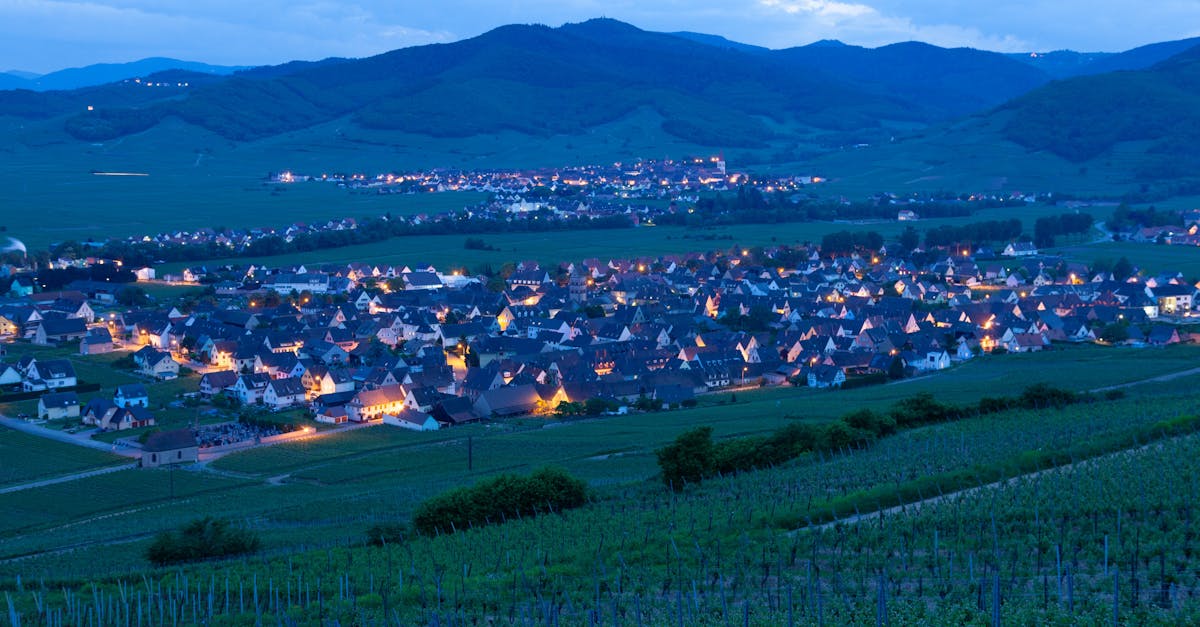
Alsace wine has a unique flavor that blends stories, terroirs, and traditions deeply rooted in time. We’ll take you on a fascinating journey, where each glass tells the story of an era, a climate, and a know-how passed down from generation to generation. From Roman times to the present day, the Alsace wine route is full of anecdotes and adaptations in the face of historical and natural hazards. Whether you’re a novice or a connoisseur, you’ll discover how a land between the Vosges and the Rhine has successfully blended nature and culture to create one of France’s most unique wine-growing regions. Without fuss, but with great emotion and finesse, this living heritage is within easy reach, starting with the splendid city of Colmar, the beating heart of this unique vineyard.
Why is the history of Alsace wine a true journey through time? The history of Alsatian wine is, first and foremost, an adventure spanning over two thousand years. The first vines were planted with Julius Caesar’s passage in 58 BC, leaving a lasting impression on this fertile territory. Indeed, one could almost say that Alsace wine is one of the oldest vineyards in France. But this longevity is the result of incredible resilience in the face of several obstacles.
The vineyards first suffered from Germanic invasions in the 5th century, temporarily slowing their progress. Then, under the impetus of monasteries, abbeys, and bishoprics, winemaking was revived, spreading to more than 160 locations by the 9th century. It was here that Alsace wines earned their reputation, at a time when Alsatian vineyards were among the most renowned in Europe.
It’s no surprise that the local architecture is still marked by this splendor, particularly with its Renaissance houses with wide porches and gables. The vineyards grew steadily until the 16th century before being weakened by the Thirty Years’ War (1618-1648), which left its deep mark. However, winegrowers knew how to bounce back: in the 18th century, they regained their momentum thanks to robust and adapted grape varieties.
Throughout this history, Alsace wine has retained its unique character, the fruit of marl-limestone soil, perfectly measured rainfall, and, above all, human talent. For example, some prestigious estates today, such as Domaine Zind-Humbrecht and Domaine Weinbach, proudly display this two-hundred-year-old tradition, combining respect for nature and passed down expertise, which has earned them international recognition.
So what should we learn from this historical epic? Alsace wine is a blend of multiple influences, but always with that terroir accent that gives it its own identity. It’s also the story of a region constantly torn between different cultural influences, particularly those of France and Germany, which has enriched its winemaking heritage without ever dulling it. For those who want to delve deeper, the site explores Alsatian grape varieties in detail, a perfect resource to begin deciphering the aromatic complexity of these unique wines. Period ⏳ Key event 🎯 Impact on the vineyard 🍇 58 BC 1500 BC
Introduction of the vine by the Romans Beginning of the Alsatian vineyard 5th century
| Germanic invasions | Temporary decline of viticulture | 9th century |
|---|---|---|
| Expansion thanks to monasteries | More than 160 localities cultivating vines | 16th century |
| Golden Age of the Renaissance | Emergence of prestigious wine-related houses | 1618-1648 |
| Thirty Years’ War | Devastation slowing production | 18th century |
| Revival of the vineyard | Establishment of robust grape varieties | 1948 |
| Phylloxera and World Wars | Vineyard reduced to 9,500 hectares | 2025 |
| Current vineyard | More than 15,000 hectares cultivated and 1.2 million hectolitres produced | Discover the wines of Alsace, a wine-growing region renowned for its aromatic grape varieties and picturesque landscapes. Explore our advice on the best wines, wineries to visit, and the art of tasting the unique flavors of this beautiful region. |
| What are the secrets of Alsatian terroirs and grape varieties that forge their uniqueness? | Alsace wine is also a story of land, terrain, and climates that play a key role in the final quality. The hills bordering the Vosges Mountains provide an exceptional environment for the vines. This geographical context gives the vineyard a diversity of soils that make all the difference: | 🌿 |
| Marly-limestone | : composed of limestone and marl, perfect for the finesse of white wines. | 🪨 |
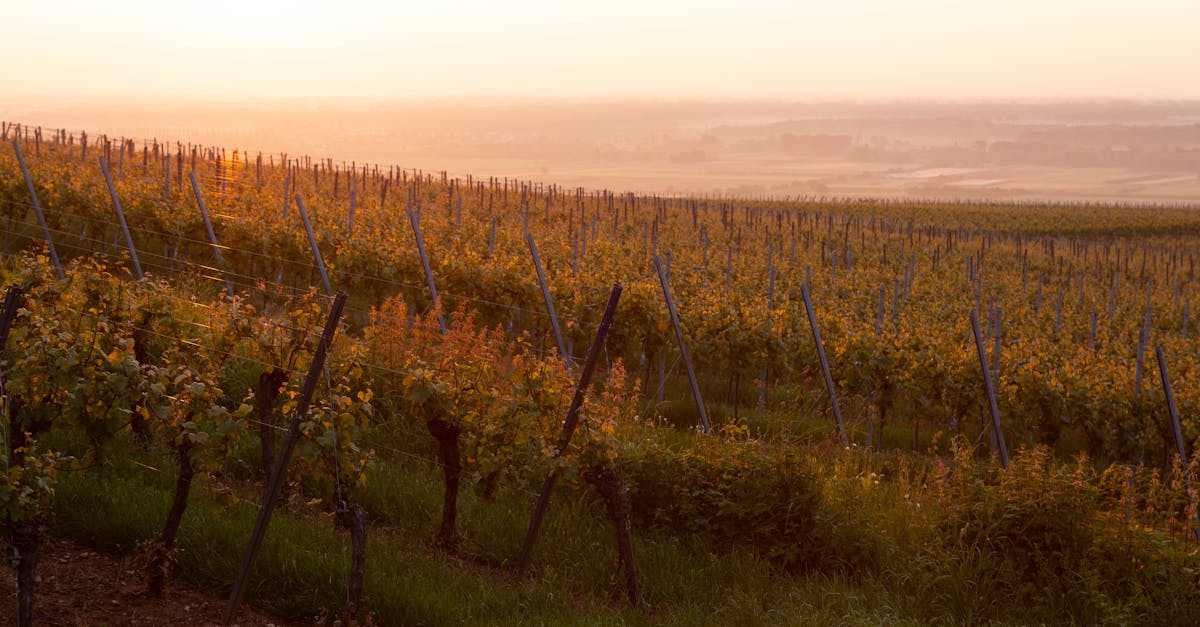
: promote freshness and minerality, highly sought after in certain grape varieties.
🥾
- Shale marl : provides depth and aromatic harmony. 🗻
- Pebble marl : excellent drainage, allowing for optimal grape ripening. Each of these soils has its own microclimate, a result of the relief between the Vosges mountains and the Rhine plain. The relatively low rainfall (between 500 and 600 mm per year) combined with a warm, sunny summer provides a perfect balance for juicy, aromatic grapes. The vineyard thus benefits from a temperate climate, cool but conducive to slow ripening—the key to expressing all the characteristic aromas of Alsace. The grape varieties themselves tell a fascinating story. There’s no fuss here: Alsace wine is one of the few regions where wines are identified by their grape varieties, with names that resonate with wine lovers as promises of authentic tastes. The most famous are:
- 🍋 Riesling : The king of white wines, it delivers freshness, minerality, and powerful floral and fruity aromas.
- 🌶️ Gewurztraminer : A little more opulent, marked by spicy and graphic aromas in both dry and sweet white wines.
🍏
Sylvaner
- : Fresh and light, perfect for simple, unpretentious moments. 🍓 Pinot Noir
- : An exception, as it is the only major red grape variety in this cold region. To expand your palette, Domaine Albert Mann and Domaine Josmeyer offer vintages that highlight the differences between soils and exposures. You can even unearth gems in the selection of grands crus like Altenberg de Bergheim or Kaefferkopf, where the complexity of the soil and the expertise combine to produce exceptional wines that truly dazzle! Soil Type 🌍 Key Characteristics 🔍
- Effect on Wine 🍷 Estates that use these soils 🏡 Marly-limestone
- Dominant limestone, clay, fine marl Finess, balanced acidity Domaine Zind-Humbrecht, Domaine Schlumberger
Granite sands Sandy granite soil Freshness, minerality Domaine Josmeyer, Domaine Paul Blanck Shale marl
| Clay mixed with schist | Aromatic depth, length | Domaine Hugel, Domaine Weinbach | Pebble marl |
|---|---|---|---|
| Good permeability, natural drainage | Slow ripening, aromatic concentration | Domaine Marcel Deiss, Domaine Gustave Lorentz | https://www.youtube.com/watch?v=2wCykknEw00 |
| How has the Alsatian winemaking tradition evolved in the face of modern challenges? With all this historical and natural wealth, you’re probably wondering how Alsatian viticulture is adapting to the realities of the 21st century. It’s quite fascinating, as it balances tradition and innovation without losing its soul. | Faced with recent climate change, Alsatian winegrowers have had to rethink certain aspects to maintain quality. Domaine Trimbach, for example, has taken steps toward sustainable viticulture, significantly reducing pesticide use and initiating practices that respect local biodiversity. | In a different vein, some estates such as Domaine Gustave Lorentz and Domaine Marcel Deiss encourage biodynamics, a holistic approach where the vine is treated as a living organism in harmony with nature. This method, although demanding, offers real added value in terms of aromatic complexity and expression of the terroir—qualities that are attracting more and more wine enthusiasts, particularly for export. | It’s important to remember that Alsace is also France’s leading producer of crémant, with a reputation that rivals the biggest names. Alsatian crémant is often produced on these historic estates with great respect for tradition, combined with an eye for modern expectations of freshness, lightness, and balance. |
| Alsace wine is also ideal for creating simple and gourmet pairings, such as those discovered on this website dedicated to the marriage of wine and chocolate. | This shows that winemakers are not simply guardians of the past; they are transmitters who know how to ride the wave of the present while keeping an eye on history. 🌱 Transition to organic and biodynamic agriculture | ||
| 💧 Sustainable management of water and natural resources | 🍷 Maintaining traditional grape varieties with innovation | 🔍 Emphasizing traceability and quality | 🛒 Developing exports to open new markets |
Viticultural response 💡
Concrete example 🏅
Climate change
Adapting cultivation practices Domaine Trimbach – sustainable viticulture Threatened biodiversity Reintroduction of natural biodiversity Domaine Gustave Lorentz – biodynamics
Request for natural wines
Respect for grape varieties and single-varietal wines Domaine Marcel Deiss – natural wineExport and image
- Strengthened communication and quality
- Domaine Albert Mann – international renown
- https://www.youtube.com/watch?v=bBjgUlT_XOk
- Discover the exceptional wines of Alsace, a winegrowing region renowned for its unique terroirs and iconic grape varieties. Explore the floral and fruity aromas of these authentic vintages, perfect to accompany your favorite dishes or for a refined tasting.
- How to discover the living heritage of Alsace wine in Colmar?
| For those who want to feast their eyes, the Alsace Wine Museum in Colmar is a true cultural and educational gem. This hassle-free tour immerses you in the fascinating history of Alsace wine through several well-designed sections. | The first part of the museum reveals the origins of this vineyard, notably by exhibiting a Klipfel collection from a family of passionate winegrowers. You’ll understand how grape cultivation has evolved and how traditional techniques have been passed down through the ages. | Right after, it’s time for the terroir and the winemaking professions. You’ll discover the artisans behind the label: coopers, sommeliers, glassmakers, and, of course, those who cultivate the vines. It’s enriching, especially since the museum doesn’t just exhibit; it also engages visitors with a sensory introduction where you pair eight aromas with Alsatian grape varieties. It’s the icing on the cake for learning while having fun. 🍷 Tasting of iconic wines: Riesling, Gewurztraminer, Pinot Noir |
|---|---|---|
| 🗺️ Interactive map of the famous Alsace Wine Route to plan your own itinerary | 🎥 Interactive activities and audio guide in several languages | 🍫 Combined ticketing with the Choco-Story Colmar Chocolate Museum is available |
| to prolong the pleasure of tasting. | To top it all off, the museum is super accessible, located in the heart of Colmar, at 12 Place de la Cathédrale, between the Saint-Martin Collegiate Church and Old Colmar. It’s easy to get there, whether by bike, public transport, or even by car. In fact, the peripheral parking lots will save you the hassle of navigating the pedestrian mall. Tour Highlights 🏛️ | Description 📚 |
| Key Highlight ⭐ | Klipfel Collection | Historical Objects and Testimonies about Alsatian Vines |
| Immersive Time-Lapse Experience | Wine Trades | Presentation of Artisans (Cooper, Sommelier, Glassmaker) |
Discovery of 8 Wine Aromas
Playful Learning
Alsace Wine Route
Interactive Map of Vineyards and Villages
- Easy Visit Planning
- Tastings
- Three Glasses to Try: Riesling, Gewurztraminer, Pinot Noir
- First Live Tasting Experience What are the essential food and wine pairings for appreciating Alsace wines?
A good bottle of Alsace is also an invitation to enjoy a meal and simple pleasures without stress. The local cuisine pairs wonderfully with these fine and elegant wines. Their freshness and aromas make pairings easy, even for those who don’t want to worry.
| Here are 5 must-try options: | 🧀 | Munster cheese |
|---|---|---|
| : The strength of this cheese balances perfectly with a dry Gewurztraminer or Pinot Gris. | 🍗 | Sauerkraut garnie |
| : An Alsatian classic not to be missed with a lively and mineral Riesling. | 🐟 | Freshwater fish |
| : Riesling or Sylvaner pair perfectly with the delicate flavors of pikeperch or trout. | 🥟 | Pâté en croûte |
| : Treat yourself to a fruity and light Pinot blanc, which lightens this rich specialty. | 🍫 | Sweet and savory pairing with chocolate: |
| For those who love a taste experience, Alsace wines pair elegantly with white or dark chocolate. To learn more, check out this post on wine and chocolate pairings and discover how this duo can surprise you. | You can also find excellent recipe ideas and pairings on the website for traditional mulled wine. This typical warming drink not only enhances the enjoyment of the holiday season, but it’s also a great way to introduce novices to the aromas of Alsace. | Dish 🍽️ |
Suggested Alsace wine 🍷
Why does it work? 🤔
Munster Cheese
- Gewurztraminer, Pinot Gris Balances power and creaminess Sauerkraut
- Dry Riesling Freshness counterbalances richness Freshwater Fish (trout, pikeperch)
- Riesling, Sylvaner A subtle aroma enhances the flavor Pâté en croûte
- Pinot Blanc Light and fruity White or dark chocolate
- Gewurztraminer, sweet Riesling Sweet and contrasting, an innovative pairing https://www.youtube.com/watch?v=0lspJqgMl2Y FAQ – Everything you need to know about Alsace wine 🍇❓ What is the most common grape variety in Alsace?
Riesling is the emblematic grape variety, known for its freshness, minerality, and floral aromas. Are Alsace wines always white?The majority are white (80%), but
| Pinot Noir | produces excellent reds and rosés. | What is a grand cru in Alsace? |
|---|---|---|
| It’s a terroir defined by precise soil and climate criteria, where viticulture adheres to strict specifications. | Is Alsace wine suitable for export? | Yes, more than a quarter of sales go abroad, with a well-established image of quality. |
| Can you visit wine estates in Alsace? | Absolutely. Several estates, such as | Domaine Hugel |
| or | Domaine Paul Blanck | open their doors to visitors eager to learn about local secrets. |