The Loire Valley, often called the “Garden of France,” is more than just a majestic river flowing through the French countryside. It’s a true kingdom for wine lovers, where every sip tells a story. If you’re looking to understand what makes Loire Valley wines so rich, you’ve come to the right place. We’ve put together a comprehensive guide, perfect for everyone to agree on. With its diverse terroirs, iconic grape varieties, and a historical heritage reminiscent of the Renaissance, these wines display a diversity and freshness that delight even the most discerning palates. The vineyards spread across landscapes dotted with châteaux, small villages, and gently rolling hills, creating unique vintages in white, red, rosé, and sparkling wines. And with the growing number of organic and biodynamic wineries, such as Domaine Huet and Domaine des Baumard, Loire Valley wine is also part of a sustainable approach that is increasingly appealing.
By stepping through the doors of its cellars, whether in Saumur, Angers, or Tours, visitors are immersed in a world where tradition and innovation intertwine to offer an unparalleled sensory experience. The grape varieties, from the famous Chenin Blanc to Cabernet Franc, reveal an impressive aromatic palette, suited to all styles and occasions. Whether you’re an experienced connoisseur or simply curious, this comprehensive guide will help you navigate this mosaic. Without any hassle, sometimes all it takes is playing the Loire Valley wines’ wild card to impress your guests or find your favorite. Let’s uncover the secrets, stories, and tips that will make you fall in love with these exceptional wines. Delving into the fascinating history of Loire Valley wine: where does it come from?
To begin to understand what makes Loire Valley wines so special, we need to go back in time. Vine cultivation here is nothing new! The Romans planted the first vines over two millennia ago, initiating a know-how that would be enriched by numerous artisans over the centuries.
In the Middle Ages, it was primarily the monks of abbeys and monasteries who took matters into their own hands. They became the true guarantors of viticulture, developing techniques that refined the quality of the wines. This monastic tradition is at the heart of what the Loire Valley still exudes today: a perfect marriage of terroir and human expertise.
The Renaissance marked a turning point. The French nobility fell under the spell of the Loire Valley, building splendid châteaux there, such as the famous Château de Montsoreau. These sumptuous sites became witnesses to a significant winegrowing boom. Loire Valley wine is gaining in renown, driven by a culture where elegance and refinement are the watchwords. It’s no coincidence that the valley is now a UNESCO World Heritage Site, both for its rich history and its winemaking heritage.
This strong connection between history and wine explains why many estates, such as Domaine Huet and Domaine de la Perruche, have survived the ages while maintaining an artisanal philosophy close to their roots. These estates have successfully evolved their techniques, combining respect for tradition with contemporary demands, which greatly contributes to the exceptional quality of the wines you can discover in the region.
🍇 From Roman origins to monastic vineyards
- 🏰 Influence of the nobility and Renaissance châteaux
- 🌿 Importance of traditional and artisanal know-how
- 📜 Preservation of a UNESCO heritage site
- 🍷 Iconic winemakers with an authentic history
- Era
| Event | Impact on viticulture | Roman Antiquity |
|---|---|---|
| Introduction of vines | Beginning of winemaking in the Loire | Middle Ages |
| Development by monks | Refining techniques and increasing quality | Renaissance |
| Rise among the nobility | Renown and promotion of terroirs | Modern Era |
| Maintaining traditions | Heritage preservation and innovation | Discover the exquisite vineyards of the Loire Valley, renowned for its refined wines and enchanting landscapes. Immerse yourself in the world of French winemaking, where tradition and innovation meet, offering unique tasting experiences. |

The Loire Valley is a true geographic and climatic patchwork that creates an impressive diversity in the wines produced. Perfect for those who want to taste a wide and rich range, from dry whites to refreshing sparkling wines, from light reds to gourmet rosés.
First, there are five distinct vineyards:
🌼 The Pays Nantais, birthplace of Melon de Bourgogne, ideal for Muscadet
- 🍂 Anjou-Saumur, known for its Chenin Blanc and Cabernet Franc
- 🌿 Touraine, offering a beautiful range of white and red wines
- 🏞️ The Orléans region, more confidential but full of charm
- ⛰️ Auvergne, which marks the southern border and offers original expressions
- Each vineyard has its own characteristics, particularly in terms of soil: it ranges from limestone and schist to granite, passing through gravelly soils. This mosaic creates optimal conditions for the different local grape varieties. And while the Loire and its tributaries contribute their climatic influence, we find microclimates that give each wine a distinctive aromatic signature.
The effects of climate and soil can be summarized as follows:
🌬️ Temperate climate with a dominant oceanic influence, with local variations
- 🌡️ Summers can be hot and dry in some areas, favoring grape ripeness
- 🧱 Limestone soils providing beautiful acidity and freshness, perfect for whites
- 🪨 Schist or granite soils that give character to reds
- 💧 Proximity to the Loire River providing humidity and balance
- Vineyard
| Main grape varieties | Soil characteristics | Type of wine produced | Pays Nantais |
|---|---|---|---|
| Melon de Bourgogne | Gravelly, sandy | Dry and fresh white wines (Muscadet) | Anjou-Saumur |
| Chenin Blanc, Cabernet Franc | Limestone, schist | Various whites, reds, and rosés | Touraine |
| Sauvignon Blanc, Gamay, Cabernet Franc | Clay-limestone soils | White, red, and rosé wines Balanced | Orléanais |
| Gamay, Pinot Noir | Clay-sand | Light red wines, rosés | Auvergne |
| Pinot Noir, Gamay | Volcanic | Expressive red and rosé wines | To ensure your tastings are on target, some estates, such as Château de la Grille or Domaine des Rochettes, exploit this diversity with meticulous care. The wines often display a beautiful purity and a freshness that hits the mark during a summer aperitif or a convivial meal. There’s nothing like a short trip along the Loire Valley Wine Route to see this for yourself! |
Discover the renowned wines of the Loire Valley, an emblematic wine-growing region of France. Explore the different appellations, grape varieties, and terroirs that contribute to the richness and diversity of this region’s wines. Whether you’re an amateur or an expert, let yourself be seduced by the freshness and elegance of the nectars of the Loire. https://www.youtube.com/watch?v=QiM1KsVzFKU What are the grape varieties and wine styles that make the Loire Valley famous? The Loire Valley’s unique feature is that it doesn’t rely entirely on a single grape variety, but rather on a generous palette that offers a wide range of flavors. This explains its popularity among enthusiasts who love to explore different nuances without ever tiring.
Chenin Blanc
: the region’s white king, incredibly capable of producing very dry wines, sweet wines, and even liqueurs. Its versatile character allows for a truly aromatic journey.
🍃
- Sauvignon Blanc : lively and plump, it delivers those famous aromas of citrus and fresh herbs, perfect for highlighting a beautiful tangy balance. 🍈
- Melon de Bourgogne : Muscadet’s star guest, with its mineral and iodine notes. A truly refreshing wine, ideal for seafood. 🍇
- Cabernet Franc : A must-have for reds, this grape variety produces fruity, light yet structured wines with hints of pepper or raspberry. 🍒
- Gamay : Fresh and supple, it produces easy-drinking and lively reds and rosés, ideal for casual meals. The wine styles reflect this diversity: 🍾 Dry or semi-dry white wines, full of freshness
- 🥂 Sparkling wines, particularly made using the traditional method in Saumur and Anjou (examples at the Cave de Saumur )
💧 Sweet and mellow wines made from Chenin Blanc (as in some Domaine Huet cuvées)
- ❤️ Light and fruity reds, perfect for simple cuisine
- 🌸 Gourmet and festive rosés Grape VarietyType of Wine
- Aromatic Profile
- Example of Estate
- Chenin Blanc
| Dry, sweet, liqueur-like white | White flowers, honey, white-fleshed fruits | Domaine Huet, Domaine de la Chaume | Sauvignon Blanc |
|---|---|---|---|
| Dry white | Citrus, fresh herbs, minerality | Domaine des Baumard, Château de la Grille | Melon de Bourgogne |
| Dry white | Iodine, mineral notes | Domaine de la Parakeet | Cabernet Franc |
| Light and fruity red | Raspberry, pepper, violet | Jacques Rémy, Château de Brézé | Gamay |
| Fresh red and rosé | Red fruits, floral | Domaine des Rochettes | For those who want to taste forgotten or less publicized wines, you can take a look at lesser-known appellations or consult experts in the field. A wonderful discovery can also come from consulting, for example, |
| the forgotten wine treasures of Ariège | , just for a change of scene. If you’re more into grands crus and classics, a detour to | the treasures of Burgundy wines | remains a sure bet. The Loire has nothing to envy these references when it comes to quality. |
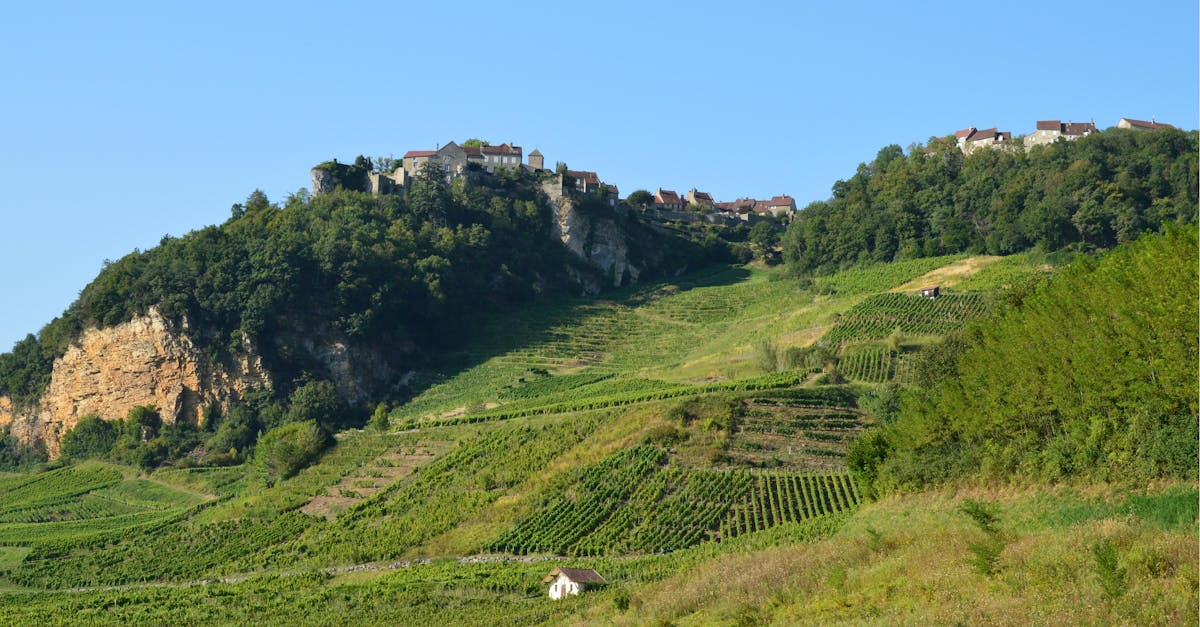
https://www.youtube.com/watch?v=O-cTEKaSVwU Discover the wine treasures of the Loire Valley, famous for its picturesque landscapes and refined wines. Explore the unique grape varieties and iconic wineries that make this region famous, while enjoying unforgettable tasting experiences.How is sustainable viticulture shaping the future of Loire Valley wines? If you think viticulture is all about soil and climate, understanding the Loire also requires considering ecological issues. The region is a pioneer in winegrowers committed to nature-friendly viticulture. Currently, nearly 20% of the valley’s vineyards are cultivated organically, while around 3% adopt biodynamic methods. This growing trend is not insignificant and influences not only the quality of the wines but also the richness of the regions. Estates like Domaine Huet in Vouvray or Domaine des Baumard in Anjou are leading the way with meticulous practices and high environmental standards. These methods include:
🌾 Respecting the soil with gentle and continually improved agricultural practices
⚖️ Guaranteeing natural, more authentic wines in harmony with the terroir 🌍 An approach that appeals to both conscious consumers and wine professionals In this vein, several specialized wineries are also contributing their share. Domaine de la Perruche and
Domaine de la Chaume focus on organic methods. Furthermore, producers such as Jacques Rémy and Château de la Grille have also integrated biodynamic farming to boost their quality while respecting the environment. Committed Wine Estates Type of Cultivation
Positive Impacts
- Domaine Huet
- Organic
- Improved Quality and Respect for the Terroir
- Domaine des Baumard
- Organic
Protection of Biodiversity and Preserved Soils Domaine de la Perruche Organic Authentic Wines and Soil Health Domaine de la Chaume Biodynamic Natural Balance and Expression of the Terroir
| Château de la Grille | Biodynamic | Superior Quality and Ecological Respect |
|---|---|---|
| A method that attracts enthusiasts like you, keen to combine pleasure and awareness. To learn more about innovations in the world of wine, take a look at this special Bordeaux Wine 2025 guide; it’s a great way to understand modern issues. Being a wine lover also means knowing how to appreciate these efforts. https://www.youtube.com/watch?v=JUACSJc8UMk | The Wine Route and Tourism: How to Experience the Loire Valley | Embark on a stroll through the picturesque and authentic landscapes that bring the Loire Valley to life. The Wine Route is an invitation to discover both the cultural heritage and the richness of the winegrowing region, not to mention the winegrowers’ anecdotes to share by the fire. |
| Each stop introduces you to wineries where you can enjoy delicious wines, such as the famous Saumur Winery or the magnificent cellars of the Château de Brézé. | Wine tourism has adapted, now offering immersive experiences ranging from guided tours to tasting workshops, and even bike rides through the rows of vines. | 🚶♂️ Guided tours to understand the specificities of grape varieties |
| 🍷 Tastings at renowned estates, with personalized advice | 🚴 Bike rides along vineyard roads | 🏰 Discover major historic châteaux like the Château de Montsoreau |
| 🥖 Local food and wine pairings not to be missed | This tourism dynamic has boosted the local economy, strengthening ties between artisans, producers, and visitors. The diversity of wines and landscapes attracts both novices and connoisseurs, creating a sensory journey that is both relaxed and rich in emotion. Wine Attractions | Location |
| Highlights | Cave de Saumur | Saumur |
Tastings, traditional method Château de BrézéBrézé
Château de Montsoreau
Montsoreau
Architectural and winemaking heritage Domaine des Rochettes Touraine Meetings with committed winemakersLoire Wine Route
- The entire Loire Valley
- Varied landscapes and discovery of vintages
- To start planning your getaway, you can also take a look at
- this guide to the Jurades and Saint-Émilion vintages
- , an inspiration far from the Loire, but still useful for understanding the art of tasting. If you’re looking for an orange wine to turn heads,
orange wine paired with white chocolate
| remains a wonderful discovery to spice up your palate during your trip. See this post on Instagram | Frequently Asked Questions about Loire Valley Wine | ❓ |
|---|---|---|
| What are the best grape varieties to start with when pairing Loire Valley wines? | Chenin Blanc and Sauvignon Blanc are excellent entry points, as they represent the aromatic diversity and freshness of the region’s wines. | ❓ |
| Why is the Loire Valley renowned for its white wines? | Thanks to its temperate climate, varied soils, and grape varieties such as Chenin and Melon de Bourgogne, which produce fresh and balanced wines, perfect for pairing with a wide range of dishes. | ❓ |
| Which wineries should you visit for an authentic tasting? | Domaine Huet in Vouvray, Cave de Saumur, or Château de la Grille are essential places to discover the richness and quality of the wines. | ❓ |
| What types of red wines does the Loire Valley produce? | Mainly light and fruity reds made from Cabernet Franc, Gamay, and Grolleau, which pair well with simple, convivial cuisine. | ❓ |
| Is organic viticulture important in this region? Yes, with nearly 20% of the vineyards being organic and a biodynamic dynamic in development, it guarantees more natural wines that respect the terroir. |