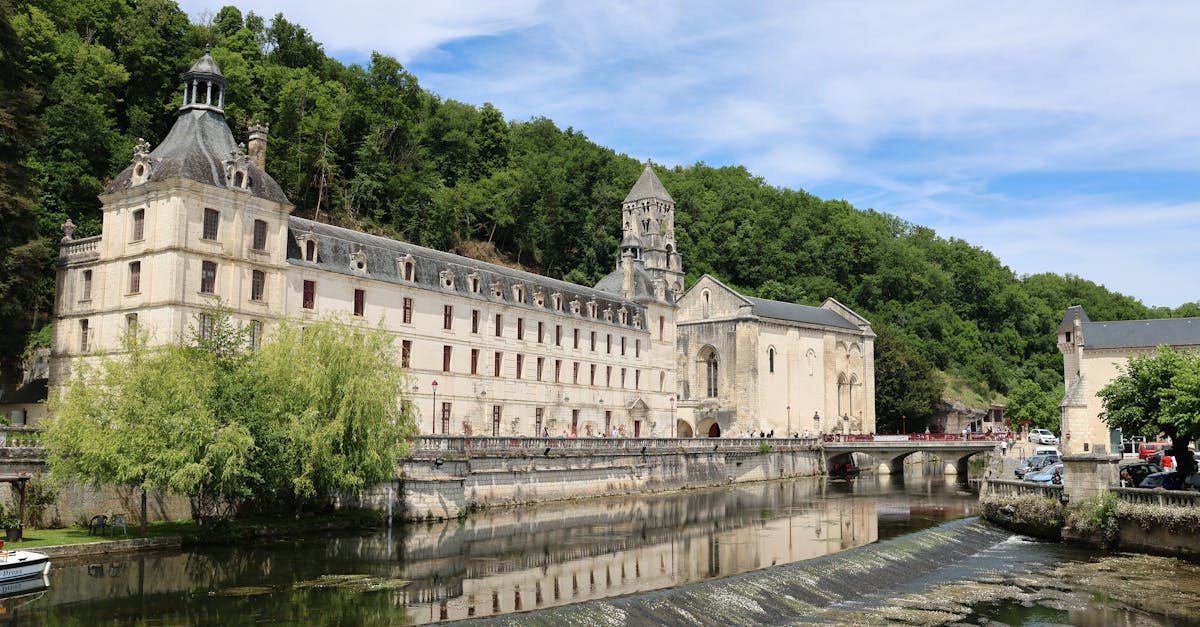
Who hasn’t heard of Château Margaux, the absolute emblem of Bordeaux wine, a wine enthusiast’s dream come true the world over? From its prestigious appellation to the richness of its terroir, this legendary estate seems to embody the very essence of Bordeaux’s great wines. But behind this evocative name lies a fascinating story, a journey through the centuries where tradition and innovation intertwine to create exceptional wines. In the spotlight since its famous 1855 classification as a Premier Grand Cru Classé, Château Margaux recounts a noble past, remarkable architecture worthy of a palace, and meticulous winemaking that skillfully balances traditional methods and modern technologies. Let’s uncover the secrets of this unique estate, understand how it stands the test of time while remaining a global benchmark, and discover why this wine is as much a cultural symbol as it is a true gem to be savored without moderation.
Château Margaux: A historical and architectural gem of the Médoc
Located in the Margaux appellation in the heart of the Médoc vineyards, Château Margaux is much more than just a vineyard. Its history dates back to the 13th century, when a fortress called “Château de La Mothe Margaux” already marked the region. Its history took a new turn at the beginning of the 19th century with the Marquis Douat de La Colonilla, who had the old fortress razed to build a neo-Palladian château, a symbol of elegance and prestige. The building, constructed between 1810 and 1815 under the direction of architect Louis Combes, fascinates with its majestic façade adorned with a colossal peristyle composed of Ionic columns. This château, the most important example of neoclassical architecture in Bordeaux, offers a setting that immediately sets the bar high for the wines produced there. 🌿
To better understand this unique place, here are some key elements:
- 🏰 Château built between 1810 and 1815, in a neo-Palladian style.
- ➰ Facade with a peristyle of four Ionic columns, topped by a triangular pediment.
- 🍇 Vineyard spanning 262 hectares, with 99 hectares dedicated to vines.
- 🛢️ 100-meter-long cellars with an oak frame supported by Doric columns. 📜 Listed as a historic monument in 1946, renewed in 1965.
- The estate has had a succession of owners since the 14th century, combining family alliances and inheritances, until the Mentzelopoulos family, who revolutionized the estate in 1977, restoring Château Margaux to its original prestige. These great moments in history are set in a setting that demonstrates respect for the architectural heritage while preserving a winemaking vocation of excellence. The park, the former filled-in moats, and especially the 18th-century orangery converted into a winery, contribute to this breathtaking journey into the Bordeaux art of living.
Key features 🏛️
| Details 📋 | Architectural style |
|---|---|
| Neo-Palladian with neoclassical grandeur | Principal Architect |
| Louis Combes | Cellar surface area |
| 100 m long x 23 m wide, solid wooden frame | Historical features |
| 18th century orangery, listed monuments | Notable owners |
| Marquis Douat de La Colonilla, Mentzelopoulos family | Discover Château Margaux, a renowned Bordeaux vineyard, known for its exceptional wines and fascinating history. explore the elegance of its facilities and let yourself be seduced by the art of winemaking in the heart of this prestigious property. |

You might think that Château Margaux would seduce just with its visual elegance, but its design is designed to serve winemaking. The long aging cellars allow optimal aging, relying as much on respect for traditional methods as on recent innovations. The natural conditions of the estate, supported by the building, mean that each bottle contributes to this Bordeaux legend that we know today.
The secrets of the terroir and the vines in Margaux for exceptional wines
The terroir is the soul of every great wine, and that of Château Margaux is simply fascinating. With its fine and medium Günzian gravel soils, from the old Garonne, sometimes mixed with clay and limestone areas in the plains, the vineyard benefits from exceptional natural drainage. This unique stony land favors the quality of the grapes and the refined character of the wine, balancing power and elegance.🌱
The estate extends over 99 hectares of vineyard, including 87 dedicated to red wines mainly from:
🍷 Cabernet Sauvignon (75%) for structure and longevity
- 🍇 Merlot (20%) for softness and roundness
- 🍃 Cabernet Franc (2%) and Petit Verdot (3%) for aromatic complexity
- In addition, 12 hectares are planted with Sauvignon Blanc, which makes up Pavillon Blanc, an elegant and rare white wine in the region.
🔸 Günzian gravel: ideal soil for drainage and optimal ripeness.
- 🔸 Gentle maritime influence thanks to the proximity of the Atlantic Ocean.
- 🔸 Temperate oceanic climate, promoting slow and steady ripening.
- 🔸 Winemaking practices that combine tradition and respect for biodiversity.
- Respect for the terroir makes all the difference between a simple wine and an iconic grand cru classé. Château Margaux thus combines historical know-how and technical innovations to reveal this unique character. To achieve the right conservation goals for these exceptional wines, specific tips should be kept in mind, which you will find in this guide dedicated to the conservation of Bordeaux wines. Terroir Characteristics 🌍
Effects on the Wine 🍷 Fine and medium-grained Günzian gravelNatural drainage, optimal ripeness, refined tannins
| Clay and low-lying limestone zones | Enhanced structure and aromatic complexity |
|---|---|
| Temperate oceanic climate | Even grape ripening, elegant finish |
| Sustainable viticultural practices | Respect for the environment, enhanced grape quality |
| https://www.youtube.com/watch?v=pmGxRPvuKJ0 | The Médoc and its influence in the world of wine |
| Margaux is an integral part of the exceptional reputation of the Médoc, a Bordeaux region that charms with its terroirs and grands crus. The Médoc owes its fame in particular to a clever blend of history, geology, and a passion for wine. In this regard, Château Margaux plays a major role, as explained in this article on the reputation of the Médoc. | Considering the Médoc helps us understand the influence and appeal of Château Margaux throughout the world, always striving for excellence that blends winemaking tradition with the demands of the modern market. If you’re interested in discovering other Bordeaux wine gems to expand your palate, don’t miss this website dedicated to Bordeaux châteaux and wines, rich in fascinating resources. |
Vinification at Château Margaux perfectly illustrates the finesse with which a historic estate embraces new technologies while respecting the traditional methods that have forged its legend. Each step is carried out with a powerful attention to detail, from the cellar to the winery. The rigorous selection of grapes, sorted by hand, guarantees impeccable quality. Fermentation takes place under precise temperature control to preserve aromas and achieve a silky structure that reflects the identity of the Margaux appellation. Here’s an overview of the key elements of winemaking at Château Margaux:
⚙️ Hand-sorting the grapes to retain only the finest product. 🌡️ Fermentation in temperature-controlled vats to refine the aromas.🛢️ Meticulous aging in oak barrels to balance power and finesse. 💡 Technological innovation (precision viticulture, sustainable vineyard management).This unique combination gives rise to wines of rare complexity, capable of aging for decades while maintaining remarkable freshness. The real challenge is to marry the brilliance of modern wines with the soul of tradition, and Château Margaux achieves this feat year after year. To learn more about the experts and methods that craft these marvels, this site brings together resources from professionals who are experts in Bordeaux châteaux.
Key Winemaking Steps 🍇
Practices at Château Margaux 🏆
Grape Selection
- Rigorous Hand Sorting
- Fermentation
- Temperature-Controlled Tanks
- Aging
Oak Barrels for Complexity and Finesse Vineyard ManagementPrecision Viticulture and Sustainability
| Discover the elegance and history of Château Margaux, a prestigious wine estate located in the Bordeaux region. Explore its renowned vineyards, its exceptional grape variety, and let yourself be captivated by the art of viticulture embodied by this iconic symbol of French wine. | Perfect Pairings and Moments to Savor a Château Margaux |
|---|---|
| As we all know, a great wine deserves to be tasted according to the rules of the art. The elegance and prestige of Château Margaux invite gourmet pairings that enhance its richness and balance. This unique wine is not just a dish to pair with; here, we emphasize refinement and complementary flavors. For those who want to delve deeper into this approach, you’ll find a wealth of valuable ideas for pairing Bordeaux wines with food. | Some expert tips for hitting the right notes when tasting: |
| 🍖 Grilled or roasted red meats: beef tenderloin, roast lamb, rib-eye steak. | 🦌 Game and wild meats: venison or roe deer, enhanced with mild spices. |
| 🍄 Dishes with earthy flavors: wild mushrooms, truffles, forest herbs. | 🧀 Mature cheeses: Gruyère, Comté, or even a ripe Parmesan. |
| 🥂 Serve at 18-20°C after decanting or allowing them to breathe for a few hours. | Storage remains a key issue: store your bottles away from light and at a constant temperature around 13°C (55°F), a simple tip you can find in this article dedicated to storing Bordeaux wine. A good wine reveals itself to everyone, making every tasting experience an exceptional experience. |
Why does it work? 🤔
Roast beef fillet Balanced tannic structure, highlights the powerHaired game
Complex aromas, amplified richness of the wine
- Mushrooms and truffles
- Harmonious earthy flavors
- Aged cheeses
- Complementary texture and intensity
- Meals at room temperature (18°C)
Allows optimal aromatic development https://www.youtube.com/watch?v=s33Awn2n4A4FAQ about Château Margaux: Everything you always wanted to know 🍷❓
| What does Premier Grand Cru Classé really mean? | This title comes from the 1855 Bordeaux classification, designating the five most prestigious and high-quality estates in the Médoc, of which Château Margaux is one. It guarantees a world-renowned level of excellence. |
|---|---|
| What is the typical composition of Château Margaux blends? The wine is made primarily from Cabernet Sauvignon (around 75%), supplemented by Merlot (20%), Petit Verdot (3%), and Cabernet Franc (2%), which combines power, complexity, and elegance. | How best to store a bottle of Château Margaux? |
| It should be stored in a temperate, dark, and humid cellar at around 13°C, horizontally to prevent the cork from drying out, and opened after decanting. | What are the most remarkable vintages? |
| Years like 2019, 2010, 2000, 1990, 1982, and even 1961 are renowned for their exceptional quality and extraordinary aging potential. | Does Château Margaux only produce red wine? |
| Not exclusively. In addition to the Grand Vin rouge, there is the Pavillon Rouge (second wine), the Margaux du Château Margaux (third wine) and also a white wine, the Pavillon Blanc, produced on 12 hectares of Sauvignon Blanc. | |