Champagne, this legendary land where bubbles and terroirs meet to create exceptional sparkling wines, intrigues and fascinates. Behind each sparkling champagne flute lies a subtle blend of natural and human elements that shape both the vine and the wine. It is here that soil, climate, and geology unite to offer unique flavors, precise textures, and incomparable liveliness. Understanding this marriage of forces means immersing yourself in the history and identity of the Champagne region, but also deciphering the secrets of prestigious houses such as House of Moët & Chandon, Veuve Clicquot, and Taittinger. But what is the real impact of terroir on the characteristics of Champagne wines? How do soil, topography, and climate influence the quality and personality of the harvested grapes? Through a journey exploring these limestone and clay-limestone lands, where chalk reigns supreme, we invite you to uncover the mysteries of this region that produces world-renowned champagnes such as Dom Pérignon, Bollinger, and Ruinart. Prepare yourself for a sensory journey through nature shaped by time, where each micro-terroir tells a story, a weather pattern, and a microbial life. The Champagne terroir is much more than a simple blend of soil and climate: it’s an essential factor that gives champagnes their elegance and unparalleled complexity. Understanding the influence of the terroir is essential to choosing the right bottles. Whether you’re a curious amateur or a seasoned connoisseur, this guide will help you discover what makes all the difference in terroir-driven champagnes, fueling the reputation of iconic houses such as Piper-Heidsieck, Laurent-Perrier, and Charles Heidsieck. . Without any hassle, we’ve put together this exploration, rich in details and examples, perfect for getting everyone on the same page about the magical qualities of the terroir that characterizes your tastings.How does the Champagne soil shape the identity of Champagne wines? The very foundation of Champagne vineyards rests on a unique geological composition, in which chalk is a fundamental element. This limestone rock, formed millions of years ago, plays a key role in the health of the vines as well as the finesse of the grapes. Thanks to its properties, it ensures exceptional drainage while maintaining an accessible water reserve, thus avoiding water stress that is often fatal to fruit quality. Chalk also acts as a natural thermal regulator. By reflecting light, it accelerates the ripening of the grapes, a real asset in this semi-continental climate with its sometimes unpredictable seasons. This characteristic guarantees a precious balance between sugar and acidity—the foundation for a champagne where freshness and liveliness reign supreme. Indeed, unlike other wine-growing regions where the soils often feature predominantly clay or sand, Champagne is distinguished by this limestone homogeneity, which gives a mineral signature to the champagnes produced. The different types of Champagne soils and their effects on wine🍾
Chalk : Optimal drainage, regular water reserves, accelerated maturation, perfect pairings for Chardonnay and Pinot Noir grape varieties.🍾 Clay : Resistant to drought, wines with a richer, fuller-bodied character, often used in the Marne Valley. 🍾Limestone
: Promotes aromatic complexity, finesse, and minerality, highly valued in the Montagne de Reims. These distinctions are not insignificant. We understand better why, for example, champagnes from the Côte des Blancsdisplay a particular elegance linked to an almost pure chalky soil, while those of the Montagne de Reims express more power thanks to the limestone and clay that predominate there. Soil Type 🏞️ Main Role 💧Impact on Wine Characteristics 🍇
Favorite Grape Varieties 🍷
Associated Champagne Regions 📍
Chalk
Excellent water retention & drainage
- Fresh, mineral wines, balanced acidity Chardonnay, Pinot Noir Côte des Blancs, Marne region
- Clay Water retention, heavy soil Structured, full-bodied wines, deep aromas
- Pinot Meunier, Pinot Noir Marne Valley, Côte des Bar Limestone
Promotes complex and mineral aromas Powerful, elegant wines, good aging potential Pinot Noir Montagne de Reims This combination of Champagne soils directly influences the work of winemakers, who must understand these specific characteristics to optimize cultivation and select the appropriate grape varieties. To deepen your understanding of terroirs, you can discover examples of unique terroirs in other regions with this guide to the unique terroir of Bandol, or compare them with the riches of the terroir of La Palette.
| Discover the fascinating world of French terroir, where rich traditions, authentic flavors, and local products combine to offer a unique culinary experience. Delve into the secrets of our wine, gastronomic, and artisanal regions. | What role does the Champagne climate play in the aromatic profile of champagnes? | The Champagne climate is characterized by a distinct alternation between cold winters and moderately warm summers, typical of a semi-continental climate. This climatic dynamic contributes to the aromatic balance of the grapes and the legendary freshness of the champagnes. The secret lies in the thermal amplitudes, the significant temperature differences between day and night, essential for the concentration and preservation of aromas. | Regular and well-distributed rainfall prevents water stress, resulting in healthy and robust grapes. In 2025, with sometimes unpredictable weather conditions, this rain provides a natural buffer in the growing cycle. Houses such as Ruinart and Laurent-Perrier have often praised this balance, which promotes an explosion of freshness and aromatic complexity in their vintages. | The effects of the Champagne climate on wine quality and style |
|---|---|---|---|---|
| ❄️ | Cold winters: Limited growing stress, vine rest, good growth in spring. ☀️ | Bright summers | : Optimal grape ripening, development of fruity and floral notes. | 🌧️ |
| Regular rainfall | : Prevention of drying out and enhancement of aromas. | 🌡️ | Wide temperature ranges | : Preservation of acidity and improvement of aromatic complexes. |
| Not to mention that these conditions also favor good viticultural practices, allowing for the limitation of chemical treatments. This respect for the natural terroir has a direct impact on the sensory quality of the champagnes, as well as their longevity in the cellar. To complement this vision, the study of other emblematic terroirs such as those of Bordeaux can offer interesting insights into the interaction between climate and wine, which can be discovered at this link. | https://www.youtube.com/watch?v=6KHz-etJf5E | To address the issue of terroir without discussing its impact on winemaking techniques would be an oversight. Champagne winemakers constantly adapt their practices according to climate and soil constraints, in order to play their best and get the most out of the region. | How does the geology of Champagne translate into the profiles of its champagnes? | The geology of Champagne is far from uniform. It reveals a mosaic of differentiated terroirs that are expressed through the diversity of the champagnes produced. Each major geographical area harbors its own geological characteristics, which iconic houses like Piper-Heidsieck and Charles Heidsieck have successfully leveraged in their blends. |
For example, the Montagne de Reims is an area dominated by a limestone subsoil accompanied by heavy clay. This terroir is ideally suited to Pinot Noir, which develops powerful aromas with a solid structure. The Côte des Blancs, on the other hand, is almost entirely chalky, ideal for Chardonnay, where finesse and minerality reign supreme. 🔸 Montagne de Reims : Limestone and clay soil; powerful, full-bodied wines.🔸
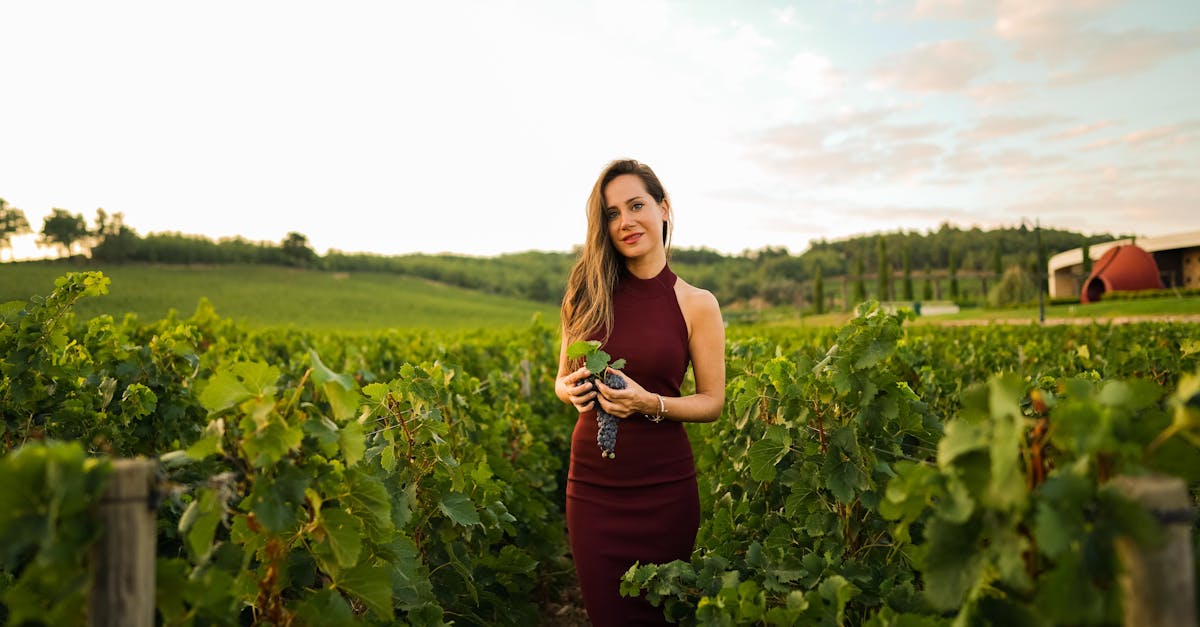
: Chalky soil; elegant, mineral wines, iconic Chardonnay.
🔸
Vallée de la Marne : Clay-limestone soil; Pinot Meunier grape variety, fruity and supple wines. 🔸 Côte des Bar : Warmer clay-limestone soil; aromatic richness, primarily Pinot Noir. Geological Region ⛰️
Predominant Soil Type 🏞️
- Main Grape Varieties 🍇 Champagne Characteristics 🥂 Montagne de Reims
- Limestone & Clay Pinot Noir Power, structure, aging potential
- Côte des Blancs Chalk Chardonnay
- Finesse, minerality, elegance Valley of the Marne Clay-limestone
Pinot Meunier Suppleness, fruitiness, roundnessCôte des Bar
Pinot Noir
Aromatic richness, expressiveness
These major differences are also felt during tastings, where each terroir asserts its own identity. Moreover, numerous studies highlight the importance of this strong link between geology and taste characteristics, as explored in other remarkable terroirs, notably those of the Loire Valley presented here . Discover the world of terroir, where authentic flavors and culinary traditions meet. Explore local products, old-fashioned recipes, and the French art of living, highlighting the richness and diversity of the terroirs of our beautiful region. https://www.youtube.com/watch?v=GEaAJoJaUtI
How does terroir determine winemaking practices in Champagne?
- Terroir shapes not only the nature of the grape, but also the way it is cultivated. Champagne winemakers constantly adapt their methods to the specific characteristics of their soil and climate to maximize quality. Adaptations of crops by region 🌱
- Grape variety selection : Pinot Noir is often selected for limestone areas, while Chardonnay favors chalky soils. Pinot Meunier, on the other hand, adapts well to heavier clay soils. 💧
- Irrigation management : Sandy soils require special attention to water, whereas on chalk, the vines can draw moisture from deep within. 🚜
- Tillage and fertilization techniques : These vary depending on the soil structure to maintain its balance and prevent depletion. Each vineyard is therefore unique. Those from major estates like Bollinger or Dom Pérignon demonstrate age-old expertise, where every step is in harmony with the nature of the terroir to bring out its quintessence.
| Soil Type 🪨 | Suitable Viticulture Practice 🧑🌾 | Benefits for the Vine 🍀 | Chalk |
|---|---|---|---|
| Light tillage, minimal irrigation | Better root aeration, moisture retention | Clay | Careful drainage, controlled fertilization |
| Prevention of stagnant water, balanced nutrition | Limestone | Water stress management, grape variety selection | Deep roots, optimal aromatic development |
| For those wishing to expand their exploration of terroir-culture interactions, the Bergerac and Duras region offers a fascinating example, available at this link. Here again, the relationship between nature and know-how proves vital for wine quality. | FAQ on the impact of terroir on Champagne wines | ❓ | What is terroir in viticulture? |
| Terroir encompasses all the natural factors such as soil, climate, and topography that influence vine growth and grape quality. | ❓ | Why is chalk so important for Champagne? | Chalk plays a crucial role in ensuring perfect drainage and a sufficient water reserve, thus ensuring balanced ripening of the grapes. ❓ |
How does the Champagne climate influence wine quality? The semi-continental climate, with its significant temperature variations and regular rainfall, favors the development of complex aromas and a beautiful freshness in champagnes.❓
❓
How does the terroir influence winegrowers’ practices?
Winegrowers choose their grape varieties and adapt their cultivation, irrigation, and fertilization techniques according to the soil and climate to optimize grape quality.