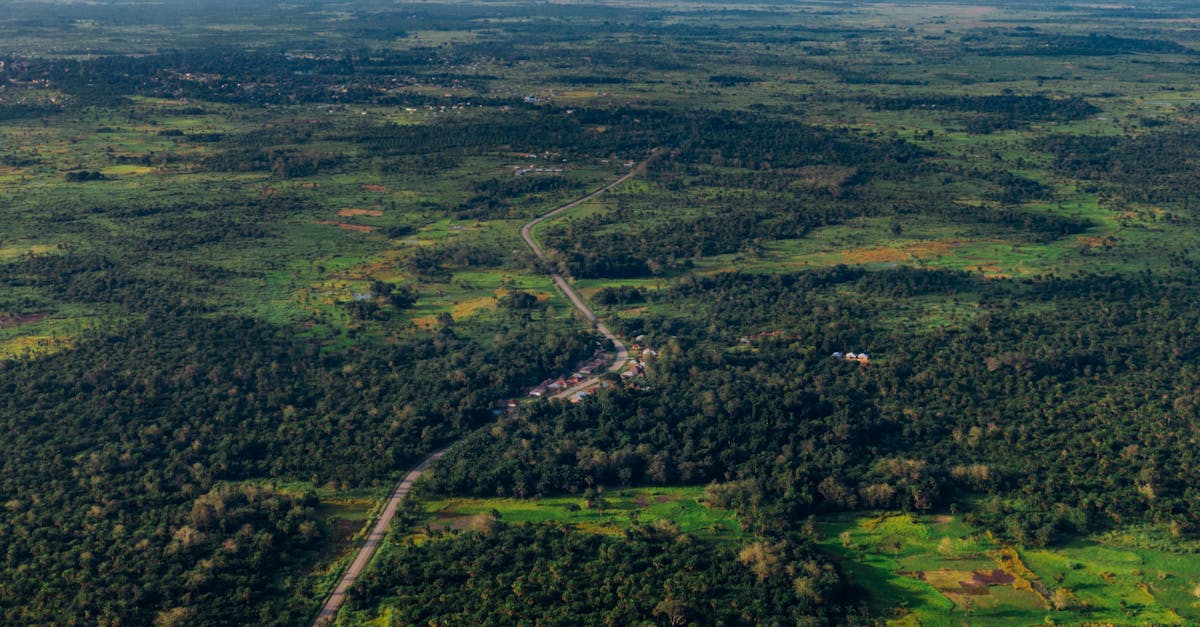
In the whirlwind of wine trends shaking up the global scene in 2025, the Loire Valley continues to emerge as a key benchmark. This vast vineyard, stretching over 1,000 kilometers, captivates with its diversity and unique elegance. Between a deep respect for nature, a quest for authenticity, and constant innovation, Loire Valley wines adapt perfectly to the expectations of an ever-more demanding public. 2025 marks a key milestone where tradition meets contemporary desires, offering the curious passerby a rich and delicious palette to choose from.
One only has to take a look at iconic producers like Domaine Huet, Domaine de la Taille aux Loups, or Domaine des Baumard to understand this dynamic. These pioneering estates honor their terroirs while boldly innovating. Furthermore, we note that flagship grape varieties such as Chenin Blanc and Cabernet Franc are constantly reinventing themselves through respectful cultivation methods and almost natural winemaking. Whether you’re a seasoned wine connoisseur or a curious novice, following these trends allows you to better understand a vineyard that refuses monotony. We’re also seeing a rise in sustainable practices, correlated with an increased demand for organic and biodynamic wines, consolidating the Loire Valley’s position in the fight for a healthier future. On the market side, premiumization is accompanied by a growing interest in low-alcohol and even alcohol-free wines, offering modern alternatives without compromising on pleasure. Formats are also evolving, with a craze for magnums and portable formats, perfect for today’s nomadic and festive lifestyle.And that’s not all: discovering little-known terroirs or exploring forgotten grape varieties are among the experiences offered to enthusiasts, challenging their taste buds to venture off the beaten track. This diversity perfectly reflects this vibrant region, which continues to impress with its innovation and richness of expression. To fully grasp these trends and better guide your choices, we’ve put together a detailed guide. Let’s go, unearth the latest gems, hassle-free, and dazzle your eyes with the Loire Valley wine trends of 2025! What are the terroirs and sub-regions shaping the Loire Valley wines of 2025? The Loire Valley, often nicknamed the “Garden of France,” is much more than just a vineyard. It’s an exceptionally rich region where history, geography, and climate combine to produce an incredible variety of wines. In 2025, understanding these terroirs remains crucial to understanding why Loire wines are so prized and continually reinvented. The Loire stretches from Mont Gerbier-de-Jonc to Nantes, a distance of over 1,000 km. This vast expanse creates remarkable diversity, with landscapes ranging from steep hillsides to gentler plains, which directly influences the style of the wines produced. Winemakers must juggle this mosaic of conditions to produce wines that proudly bear the hallmarks of their terroirs. There are six main sub-regions:
🌿
Muscadet
– concentrated around Nantes, with soils rich in schist and granite, perfect for Melon de Bourgogne. 🍇
Anjou
– famous for its dry, sweet, and sparkling wines, where the complexity of Chenin Blanc and Cabernet Franc is fully expressed.
🍷
- Saumurois – a land of effervescence and structured reds, it blends clay, limestone, and sand for multiple nuances. 🌾
- Touraine – a versatile region where white, red, and rosé wines are produced, drawing on a variety of soils and microclimates. 🌄
- L’Orléanais – a more discreet sector in production but offering typical wines, often made from Cabernet Franc and Pinot Noir. 🏞️
- Centre-Loire – with its renowned wines like Sancerre and Pouilly-Fumé, this is a region that shines particularly thanks to Sauvignon Blanc. Each sub-region brings its own identity, whether through the nature of the soils—schist, gravel, clay, or limestone—or through the influence of the oceanic, continental, or semi-continental climate. These climatic conditions notably characterize the freshness of Loire wines and their incredible liveliness, a shared signature despite the variety. Among the iconic estates, we immediately think of Domaine Frédéric Mabileau, which excels in the Saumur region; Domaine Nicolas Joly in Anjou, a biodynamic enthusiast; or Domaine Bernard Baudry in Chinon, a Cabernet Franc specialist. These and many other winemakers contribute to showcasing the complexity of the Loire terroirs. 🌍 Sub-region
- 🍇 Dominant grape varieties 🌱 Soil types 🍷 Wine style
- 🏆 Featured estates Muscadet Melon de Bourgogne
Schist, granite
Dry, lively white Domaine La Roche Bleue, Domaine Nicolas Joly Anjou Chenin blanc, Cabernet franc Clay, limestone Dry, sweet white, red Domaine des Baumard, Domaine de la Chevalerie
| Saumurois | Chenin blanc, Cabernet franc | Clay, sand, limestone | Effervescence, fruity reds | Domaine de la Taille aux Loups, Domaine Philippe Alliet |
|---|---|---|---|---|
| Touraine | Cabernet franc, Gamay | Limestone, sand, clay | Roses, reds, whites | Domaine Bernard Baudry, Domaine Pierre et Jean |
| Orléanais | Cabernet franc, Pinot noir | Clay, limestone | Slender reds | Domaine Bernard Baudry |
| Centre-Loire | Sauvignon Blanc, Pinot Noir | Limestone, Clay | Fresh whites, structured reds | Domaine Huet, Domaine Frédéric Mabileau |
| Wandering from vineyard to vineyard is a journey of discovery, a subtle blend of geography, climate, and ancestral know-how, all revisited by the most modern practices. To learn more about organic and biodynamic wines in the Southwest, you can also take a look at this very informative resource. | Discover the Loire Valley’s wine trends for 2025. Explore the innovations, emerging grape varieties, and sustainable practices that are transforming this iconic region of France. | What innovations explain the new winemaking methods in the Loire? | In 2025, Loire Valley winemakers are clearly banking on a successful marriage of tradition and innovation. Nature-friendly winemaking practices, particularly organic and biodynamic viticulture, are now an integral part of everyday life on the estates. | This phenomenon isn’t new, but its widespread adoption is taking a new turn. Chemical treatments are giving way to manual labor, with hand-harvesting, plowing without heavy machinery, and strict grape control in the vineyard and winery. This guarantees more authentic, healthier wines, which consumers are increasingly seeking. |
| Here are the major areas of winemaking innovation to follow: | 🍃 | Gradual abandonment of pesticides | and herbicides, replaced by natural or mechanical solutions. | 🌱 |
| Organic and biodynamic certification | are on the rise, promoting soil health and biodiversity. | 🛢️ | Natural winemaking | with few or no additives, and sometimes the use of indigenous yeasts. |
⚖️ Control of alcohol levelsthrough early harvests and controlled fermentation.
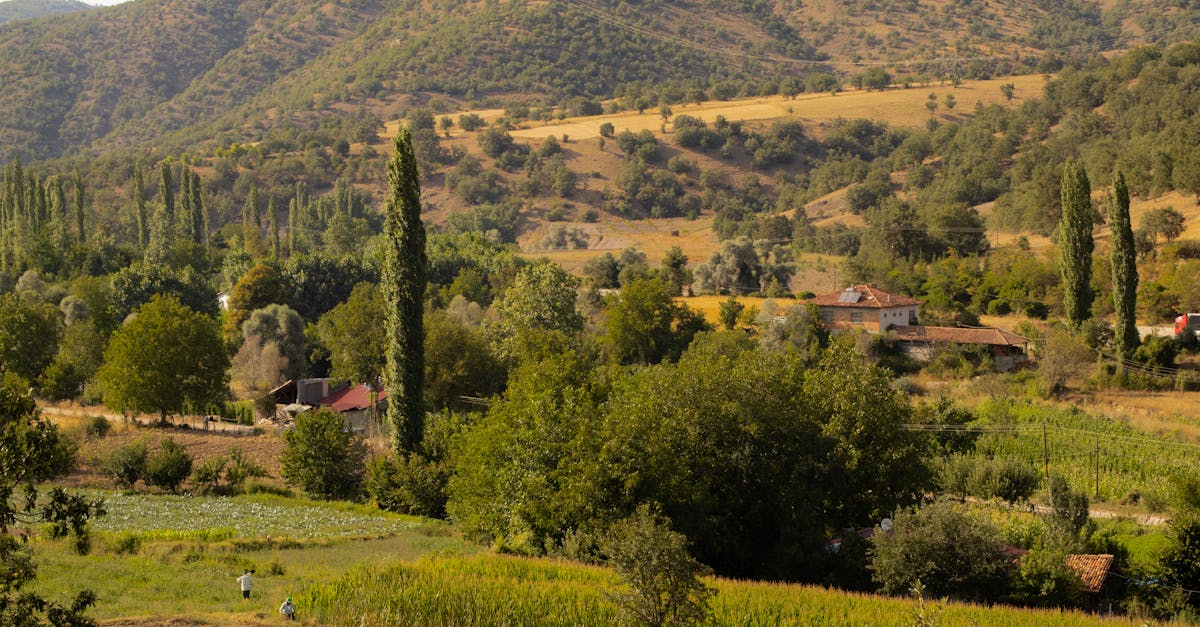
Minimal use of sulfur
to limit alterations and preserve aromatic purity.
At the heart of this transition, estates like Domaine Huet and Domaine de la Taille aux Loups perfectly embody this philosophy. Chenin Blanc is cultivated with patience to preserve its characteristic freshness and minerality. Another inspiring example is Domaine Pierre et Jean, which combines respect for the terroir with innovation, particularly in its fermentation techniques. The goal? To offer wines as close as possible to the fruit and terroir, without artifice. This process requires greater care but appeals to wine lovers seeking purity. 🔧 Technique
🌿 Objective
- 🍇 Iconic estate 🎯 Impact on the wine Hand-harvested
- Grape quality Domaine Frédéric Mabileau Better selection, less oxidation
- Fermentation with indigenous yeasts Aromatic authenticity Domaine Nicolas Joly
- Unique and natural expressions Total abandonment of pesticides Environmental respect
- Domaine des Baumard Better biodiversity Reduced SO2
Fruit preservation Domaine Bernard Baudry Fresher finish This quiet revolution in the cellars combines traditional know-how and ecological awareness. It’s working rather well, since in 2025, the Loire will continue to satisfy a clientele who want their wines without pretense. For those who appreciate organic wine, don’t hesitate to take a look at these latest news
to stay at the forefront of sustainable winemaking. What wine styles and grape varieties are captivating wine lovers today? While diversity is the hallmark of Loire Valley wines, certain styles and grape varieties continue to turn heads in 2025. Freshness and liveliness remain the key words, but the boldness of bottlings and the pursuit of balance have evolved.Chenin Blanc remains the undisputed king, particularly in the expert hands of Domaine Huet or Domaine Pierre et Jean.
| This grape variety seduces with its versatility, capable of producing dry, sweet, and even sparkling wines, which highlight the minerality of the Savennières and Vouvray terroirs. | For reds, Cabernet Franc is a must. Estates like Domaine Bernard Baudry in Touraine or Domaine de la Chevalerie in Chinon craft full-bodied wines with fruity aromas and a structure that invites indulgence without being heavy. There’s also a renewed interest in fresh, light rosés, perfect for relaxed moments. | 🍾 | Dry and mineral whites: Muscadet sur lie from Domaine La Roche Bleue, Sauvignon de Sancerre from Domaine Frédéric Mabileau. |
|---|---|---|---|
| 🥂 | Sparkling wines: Crémant de Loire, natural sparkling wine with a touch of nature, like at Domaine de la Taille aux Loups. 🍷 | Light, fruity reds: Chinon, Bourgueil, and Saumur-Champigny are well represented among the region’s wineries. | 🍬 |
| Sweet wines: Coteaux du Layon and Quarts de Chaume des Baumard, true gems for sweet wines. Grape Variety | Dominant Style | Key Regions | Recommended Estates |
| Chenin Blanc | Dry, Sweet, Sparkling | Anjou, Vouvray, Savennières | Domaine Huet, Domaine des Baumard |
| Cabernet Franc | Robust Red, Fruity Rosé | Touraine, Chinon, Saumur | Domaine Bernard Baudry, Domaine de la Chevalerie |
Sauvignon Blanc Fresh, Mineral White Centre-Loire, Sancerre
Domaine Frédéric Mabileau
Melon de Bourgogne
Dry, Lively White Pays nantais Domaine La Roche Bleue, Domaine Nicolas Joly The new interest among wine lovers in low-alcohol or even alcohol-free wines also opens a new chapter, where the Loire region is becoming innovative. You can consult our file on low-alcohol wines to discover these new discoveries without the hassle. These options perfectly meet the growing demand for moderation while enjoying a good wine.How will consumer trends influence the Loire wine market in 2025?
In 2025, wine consumption is more than ever marked by a concern for balance between pleasure and responsibility. Demand is evolving with a more informed, curious public, and more aware of ecological and social issues. The Loire Valley is benefiting from this shift, combining tradition, quality, and innovation. Among the major trends currently observed: 🛍️ Premiumization : Consumers prefer to invest in rare, authentic vintages, such as those offered by
- Domaine Nicolas Joly or Domaine Bernard Baudry
- . 🌍 Localism and Sustainability
- : Local sales and short supply chains are gaining ground, encouraging winemakers to prioritize an environmentally friendly approach. 🎉 Alternative Formats
- : Magnums, half-bottles, even canned wines – practical solutions for all occasions. 🥂 Sparkling and low-alcohol wines : The Loire is doing very well in this growing segment with elegant and fresh products.
| 🌱 | Biodynamic and organic | : Certification is a hallmark of quality and trust. | To give you some figures, 280 million bottles are shipped each year outside the Loire. Of this total, approximately 74% remain in France and 26% are distributed to 160 countries. The United States, the United Kingdom, and Germany remain the main international markets. This economic weight exceeds €1.3 billion, proof that the Loire doesn’t just whisper but speaks loud and clear in the world of wine. 📈 Wine Category |
|---|---|---|---|
| 🥂 Volume Share (%) | 🌍 Main Market | 💶 Revenue Share | Whites |
| 45% | France | Highest | Rosés |
| 26% | France | Moderate | Reds |
| 19% | United States, UK, Germany | Important | Sparkling Wines |
10% FranceCroissant
Local initiatives such as the
Vin Provence 2025 festival
or other dedicated events in the Southwest demonstrate a strong enthusiasm for promoting origins and expertise. We strongly recommend that you stay tuned for news via this watch to ensure you don’t miss any new developments in the French and Loire wine scene.
- How to pair Loire wines with modern cuisine in 2025? Wine is an ideal companion for the table, and in 2025, food and wine pairings are more daring than ever. Loire wines, with their freshness and diversity of styles, adapt perfectly to the variety of contemporary cuisines. Some ideas for successful pairings: 🥗 Vegetarian dishes: A dry Chenin Blanc from Domaine Huet will pair wonderfully with a mushroom risotto or a thin summer vegetable tart. 🍤 Flavors of the World: Alsace Gewurztraminer, often underrated but sometimes found in the Loire region as a complement, pairs well with spicy curries or ginger-based dishes.
- 🍔 Fusion Dishes : Try a Chinon Cabernet Franc from Domaine Bernard Baudry with a gourmet burger, or a dry Chenin Blanc with fish tacos. Boldness reigns supreme!
- 🧀 Classic Pairings Revisited : A sparkling Vouvray or a Crémant de Loire can enhance a cheese platter with a modern twist.
- This complementarity draws on the liveliness of Loire wines, their freshness and fruitiness, which bring a natural balance to the dishes. To truly hit the nail on the head during your next tastings, we highly recommend venturing into these gastronomic pairings. These bring a bit of pep and, above all, a pleasant surprise to familiar palates. 🍽️ Main Course 🍷 Suitable Loire Valley Wine
- 👌 Why Does It Work? Mushroom Risotto Dry Chenin Blanc (Domaine Huet)
Freshness and minerality balance the roundness
| Gourmet Burger | Red Cabernet Franc (Domaine Bernard Baudry) | Fruity and structured to complement the richness | Cheese platter |
|---|---|---|---|
| Crémant de Loire (Domaine de la Taille aux Loups) | Effervescence and refreshing acidity | Spicy Asian dishes | Gewurztraminer (Alsace/Loire) |
| Enhances the sweet and spicy balance | Ready for some gourmet tips or a taste journey without leaving your table? Discover events and festivals dedicated to wines in the South of France, which may inspire you, by consulting | this practical guide. Explore, combine, and share: you’ll see that in 2025, food and wine speak the same language. | FAQ on Loire Valley wine trends in 2025 |
| What are the must-try grape varieties to discover in the Loire in 2025? | Chenin Blanc and Cabernet Franc remain essential, but Sauvignon Blanc and Melon de Bourgogne are also attracting a lot of attention. Already famous, they are gaining in popularity thanks to sustainable practices. | How do you recognize an organic or biodynamic Loire wine? | Look for official certifications on labels, as well as the term “organic wine” or “biodynamic.” Estates like Domaine Nicolas Joly or Domaine des Baumard are exemplary in this area. |
| Is the Loire wine market accessible to foreign consumers? | Yes, Loire wines are sold in over 160 countries, with a strong presence in the American, English, and German markets. The industry is also focusing on international markets with tailored offerings. | What bottle sizes should be favored in 2025? | Magnums, half-bottles, and practical formats like bag-in-box are growing in popularity, particularly to meet flexible and convenient consumption needs. |
Where can I find the latest news and events on Loire wines? Specialized sites like Wine and Chocolate offer comprehensive insights into trends and festivals not to be missed.