
In the sunny south of France, Languedoc-Roussillon stands out as a true gem when it comes to rosé wines. Long considered a more industrial production region, Languedoc-Roussillon is now recognized for the finesse and diversity of its rosés, easily rivaling the stars of Provence. Between varied terroirs, iconic grape varieties, and specific winemaking methods, this region offers a stunning palette of flavors and colors. Here, each sip tells a story: one of a generous climate, ancient expertise, and a Mediterranean allure that delights the taste buds. 🌞🍷
The rosé wines of this region cover a wide spectrum, from the lightest with floral notes to full-bodied and fragrant rosés. Thanks to grape varieties like Grenache, Cinsault, Syrah, and Mourvèdre, Languedoc-Roussillon wines exude that little something extra, a freshness and roundness that are as pleasing as an aperitif as they are with food. In 2025, this region, now part of the greater Occitanie region, continues to refine its production to appeal to an ever-wider audience. 🍓🌿
We’ve put together this guide to introduce you to the specialties of Languedoc rosé wine. How does the combination of grape varieties and soils influence their profile? What original winemaking techniques give them this unique character? What can you expect when tasting these very special vintages? We’ll take you to the heart of these terroirs, rich in history, sunshine, and conviviality, ready to dazzle your eyes and taste buds. Let’s embark on a colorful and aromatic journey between the sea and the mountains! Which terroirs shape the soul of Languedoc-Roussillon rosé wines?
Languedoc-Roussillon, a vast region stretching from the Gard to the Catalan coast, offers a patchwork of impressively rich terroirs. Limestone, schist, and granite soils intertwine with clay-limestone or sandy soils, giving each vineyard its own unique personality. In these landscapes bathed in Mediterranean sunshine, nature often gives pride of place to fruity and delicate rosé wines.
Geological diversity, a key asset for rosés
Depending on whether you are in the west, towards the Languedoc plains, or in the east, near the Pyrenees massif, the soils vary drastically:
🌿
- Limestone soils and river alluvium: These dominate the Gard plains and promote the minerality and freshness of the wines. 🪨 Shale and granite soils
- : Typical of Roussillon, they provide a distinct aromatic intensity and depth. 🌾 Clay and sand
- : In the Hérault region, they allow for beautiful grape ripeness and a silky texture in the wine. This geological mixture is a true treasure for producing a variety of rosés, from the lightest and invigorating to the most full-bodied and complex. Each terroir imparts a little secret to the wine, that of a unique land from which it draws color, strength, and subtlety. An ideal Mediterranean climate for rosé
What makes Languedoc-Roussillon so magical is also a climate that is almost tailor-made for the vine. Indeed, the region benefits from generous sunshine and moderate rainfall, ideal conditions for grape ripening. Two local winds play an important role:
💨
The Tramontane
- : a dry wind that sweeps through the vineyard, limiting disease and promoting healthy grape clusters. 🌬️ The Mistral
- : a cooler wind that refreshes the nights, allowing the grapes to maintain a good balance between sugar and acidity. These climatic conditions give the harvest a beautiful consistency, essential for producing rosés that balance freshness, fruitiness, and structure. Soil Type 🌍
Geographic Location 🗺️
| Impact on Rosé Wine 🍷 | Limestone and Alluvium | Plains of the Gard |
|---|---|---|
| Freshness, Minerality, Lightness | Schist and Granite | Roussillon |
| Aromatic Intensity, Complexity, Depth | Clay and Sand | Hérault |
| Optimal Ripeness, Roundness, Silky Texture | Discover the enchanting world of rosé wine, a summer drink par excellence, combining freshness and fruitiness. Whether for an aperitif, a barbecue with friends, or a romantic dinner, explore our advice on the best rosé wines, their food pairings, and how to taste them. Awaken your senses with this palette of delicate flavors! | What are the star grape varieties of Languedoc-Roussillon for rosé wine? The best-kept secret of Languedoc rosés lies in the careful blending of traditional grape varieties. With a predominance of southern grape varieties, each bottle offers fruity, spicy, or floral notes that make all the difference on the palate. |
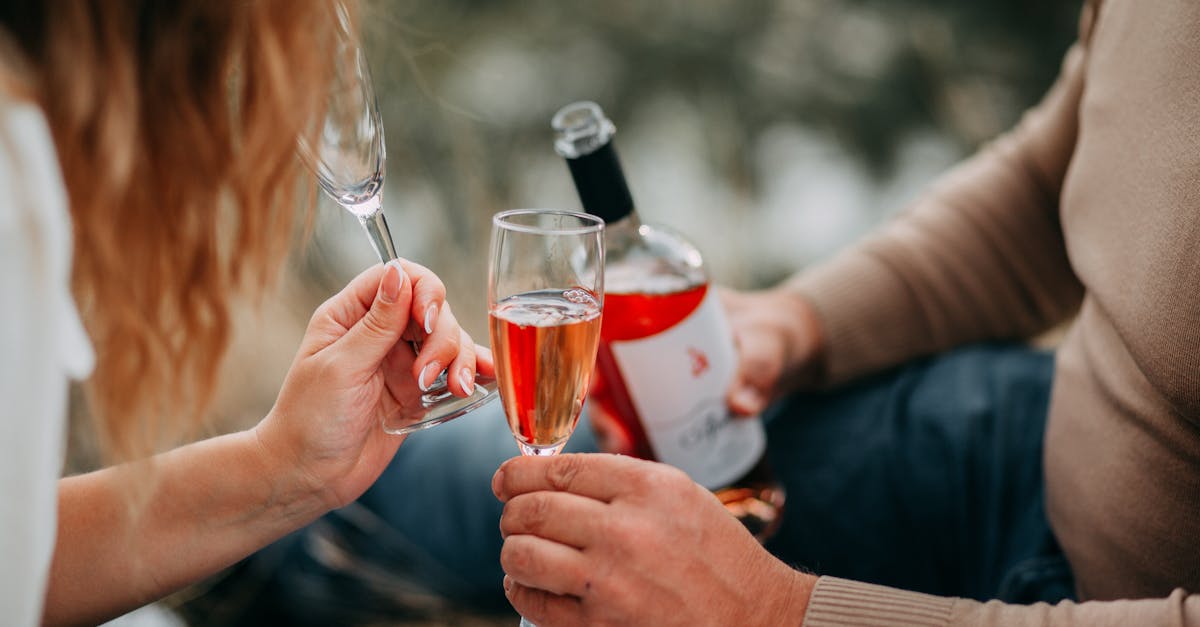
It’s impossible to talk about Languedoc rosé wines without mentioning Grenache. This grape variety brings an irresistible charm with its aromas of strawberry, cherry, and sometimes even licorice. Soft and warm wines, rosés made primarily from Grenache seduce with their sweetness and roundness. 🌸🍓
Cinsault, guaranteed freshness and lightness
The perfect companion to Grenache, Cinsault is prized for its ability to produce light, fresh wines with a delicate floral touch. It is an adaptable grape variety, easy to grow in the warm climates of Languedoc, which contributes to a silky texture and balanced acidity. This freshness makes Cinsault-based rosés an ideal choice for hot summer days. 🍒🌿
The Spices and Structure of Syrah and Mourvèdre
For those who appreciate a bit of character, no Languedoc rosé would be complete without Syrah and Mourvèdre. Syrah brings a deeper color as well as aromas of blackberry, black cherry, and a hint of pepper. Mourvèdre, on the other hand, adds depth with flavors of plum and undergrowth, also evoking the typical garrigue. Together, they play the card of elegance and complexity. 🍇🌶️
Accessory Grape Varieties to Refine the Style
In some cuvées, we also find
Cabernet Sauvignon
which adds a touch of freshness and structure.
Chardonnay and Malvoisie can be used to make the wine rounder or more aromatic, especially in blends where a subtle balance is sought. 🍓 Grenache: sweetness, ripe red fruits, roundness 🌸 Cinsault: freshness, lightness, floral notes 🍒 Syrah: spices, black fruits, structure 🍇 Mourvèdre: depth, complex aromas, garrigue
- 🍏 Cabernet Sauvignon: acidity, freshness
- 🍋 Chardonnay: roundness, finesse
- 🌺 Malvoisie: delicate aromas, subtle complexity
- Grape Variety 🍇
- Contribution to rosé wine 🎨
- Typical aromatic notes 🎯
- Grenache
| Sweet, fruity, moderate alcohol | Strawberry, cherry, licorice | Cinsault |
|---|---|---|
| Fresh, light, balanced acidity | Raspberry, floral | Syrah |
| Structure, spices, deep color | Blackberry, pepper, black cherry | Mourvèdre |
| Depth, complexity, roundness | Plum, undergrowth, Garrigue | Cabernet Sauvignon |
| Freshness, acidity, structure | Blackcurrant, pepper | Chardonnay |
| Roundness, aromatic finesse | Apple, citrus | Malvoisie |
| Complexity, floral aromas | White flowers, honey | Discover rosé wine, a refreshing, summery drink that seduces with its fruity aromas and delicate color. Perfect to accompany your meals on the terrace or your convivial moments, rosé is perfect for all your occasions. |
| How is a typical Languedoc-Roussillon rosé wine made? | Beyond the terroir and the grape varieties, the magic also happens thanks to well-honed winemaking methods that give Languedoc-Roussillon rosé wines their beautiful personality. Techniques vary depending on the winery, but a few methods remain emblematic. | Short maceration and direct pressing |
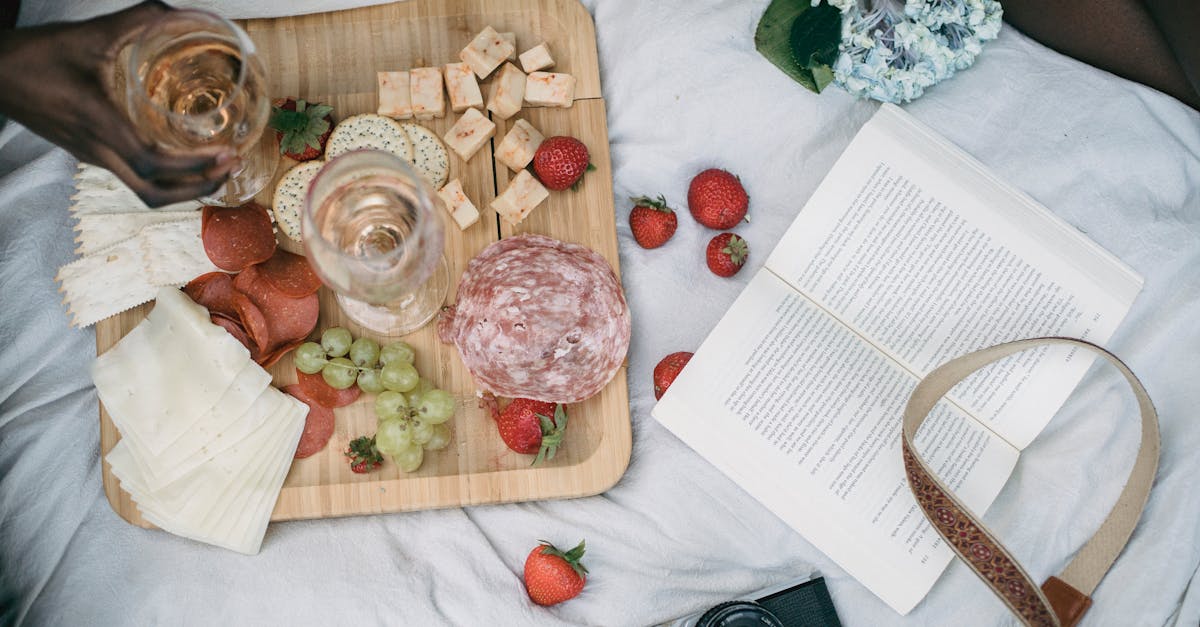
The saignée method for structured rosés
For a more intense style, often gray or grapefruit, the saignée technique is preferred. Here, the juice from a vat of red wine is “bleeded” at the beginning of fermentation. This concentrates both the newly produced rosé wine and the remaining red wine. This method produces fuller-bodied rosés with more body and complexity.
The small technical touches that make all the difference
In 2025, most Languedoc-Roussillon estates opted for aging in stainless steel vats to preserve freshness and aromatic purity. However, some winemakers are daring to age in barrels, particularly for high-end vintages, to add oak and vanilla notes. This diversity of techniques is perfectly suited to the wide range of rosé wines produced. ⌛ Short maceration (a few hours) for a light color and fresh aromas 🍓
🍇 Direct pressing to extract a delicate and fruity juice
🩸 Bleeding for more concentrated and structured rosés
🛢️ Aged in stainless steel vats for optimal freshness
🌳 Aged in barrels for aromatic complexity
- Method 🍷
- Main characteristic 🎯
- Effect on rosé wine 🎨
- Short maceration
- Quick contact with the skins
| Light color, fresh aromas, lightness | Direct pressing | Immediate extraction |
|---|---|---|
| Fruity juice, delicate texture | Bleeding | Partial removal of juice during red fermentation |
| Fleshy, more intense rosé | Aged in stainless steel vats | Preserves freshness and fruitiness |
| Clear and lively wine | Aged in barrels | Adds oak and complexity |
| Vanilla notes, more fullness | https://www.youtube.com/watch?v=lVIDBZ2Hsng | Which appellations guarantee the authenticity of Languedoc rosés in 2025? |
| To spot a Languedoc-Roussillon rosé that packs a punch, you need to know where to look on the labels. Several Appellations d’Origine Contrôlée (AOC) testify to the richness and local expertise. Here are some not to be missed: | 🔹 | Minervois |
🔹
Saint-Chinian
- : Often full-bodied rosés with a beautiful structure and aromatic complexity. 🔹 Corbières
- : Robust rosés that combine freshness and intensity, ideal for pairing with Mediterranean cuisine. 🔹 Faugères
- : Renowned for their finesse, these rosés often reveal floral notes and a lovely liveliness. 🔹 Picpoul de Pinet
- : Although better known for its whites, today we find fresh and lively rosés from this maritime region. These appellations have become established values, respecting production criteria related to the terroir, grape varieties, and winemaking methods. They guarantee you an authentic and rich experience, combining tradition and modernity. AOC appellation 🔖
- Characteristics of rosé wines 🍷 Suggested food pairings 🍽️ Minervois
Fruity aromas, balance, spicy notes
| Charcuterie, grilled meats, ratatouille | Saint-Chinian | Full-bodied, complex, floral |
|---|---|---|
| Cold soups, grilled fish, mild cheeses | Corbières | Robust, fresh, fruity |
| Mediterranean dishes, tagines, mixed salads | Faugères | Fineness, liveliness, floral |
| Grilled vegetables, poultry, tapas | Picpoul de Pinet | Fresh, light, very fruity |
| Seafood, green salads, appetizers | To find these gems at affordable prices, don’t hesitate to explore the offerings at specialist wine merchants with a fine selection, or take a look at rosé wine lists | that select the best Languedoc vintages. To get the right wine without the hassle, also discover exceptional wines at affordable prices |
| that will take you on a journey without blowing your budget. | https://www.youtube.com/watch?v=ZEzv0nP8Ido | How to taste Languedoc rosés for the best experience? |
Fully savoring a Languedoc-Roussillon rosé wine requires a little attention, but it’s not complicated: just choose the right moment and pairings! The Ideal Temperature to Reveal Aromas To fully enjoy the rich aromas of rosés, serving temperature is crucial. Generally, between 8 and 12°C is recommended. Cooler, the wine will reveal more fresh and tangy notes, perfect for an aperitif. At a higher temperature, around 12°C, it better reveals its fruity and spicy aromas.Food and Wine Pairings to Enhance Rosés Languedoc-Roussillon rosé wines pair well with simple, sun-drenched dishes: 🥗 Salads made with fresh ingredients
🍗 Mediterranean dishes like tapenade and ratatouille
🍞 Summer aperitifs, with charcuterie and olives
🍓 Red fruit desserts for the sweetest rosés
Want to expand your discoveries? Also discover the secrets of Loire wines in this dedicated article, or choose bottles priced between €10 and find some masterclasses at vin-et-chocolat.fr.
The steps to a tasting worthy of the name.
👃
- Watch
- The color: it varies from pale pink to salmon, a sign of a well-crafted wine.
- 👅
- Smell
- the aromas, ranging from fresh red fruits, flowers, and sometimes spices depending on the blend.
🍷 Taste a small sip to feel the balance, freshness, and length on the palate. 🤔Think
about the sensations and try to identify the notes, which is part of the pleasure of tasting. Step 👁️🗨️
- Practical Tips 📝 Objective 🍇 Look
- Observe light and color intensity Detect quality and style Smell
- Gently swirl the glass Identify aromatic diversity Taste
- Take a small sip Appreciate the balance in the mouth Reflect
| Analyze the sensations received | Maximize pleasure | FAQ – Everything you need to know about rosé wines from Languedoc-Roussillon |
|---|---|---|
| ❓ | What are the most commonly used grape varieties for rosé in Languedoc-Roussillon? | They are mainly Grenache, Cinsault, Syrah, and Mourvèdre, sometimes supplemented by Cabernet Sauvignon, Chardonnay, and Malvoisie. |
| ❓ | Which vinification method should be used for a light rosé? Short maceration and direct pressing are ideal for fresh, fruity rosés with a light color. | ❓ |
| What dishes pair with a Picpoul de Pinet rosé? | It pairs perfectly with seafood, green salads, and light appetizers. | ❓ |
| Are Languedoc-Roussillon rosé wines affordable? | Yes, you can find excellent vintages at affordable prices, especially by exploring selections for less than 10 euros | here |
