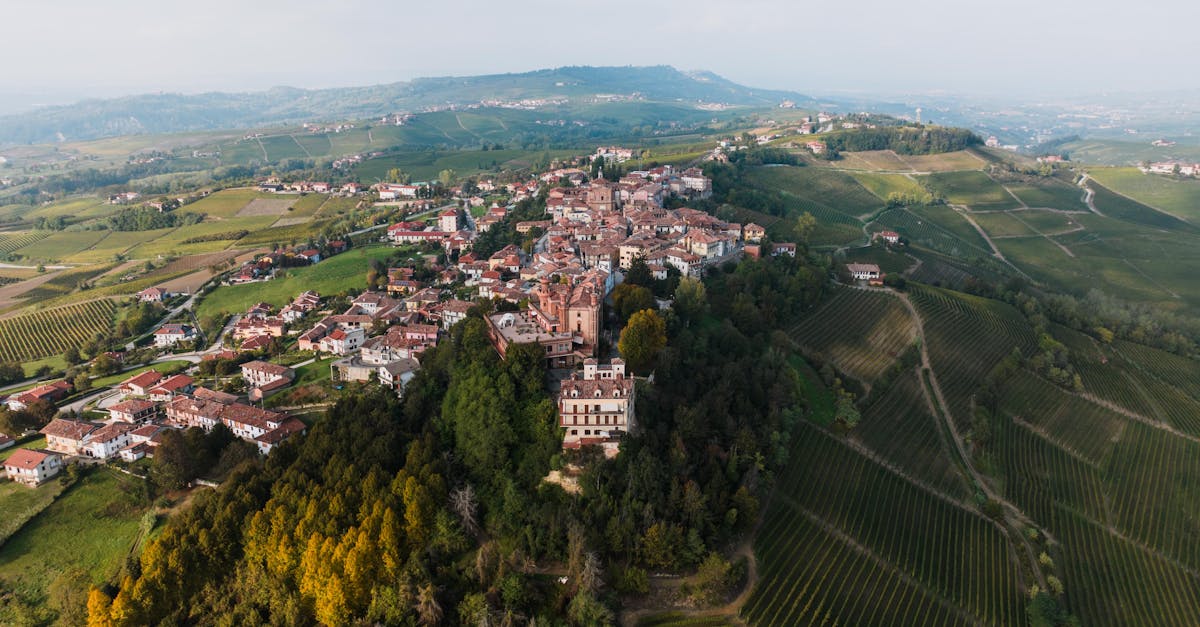
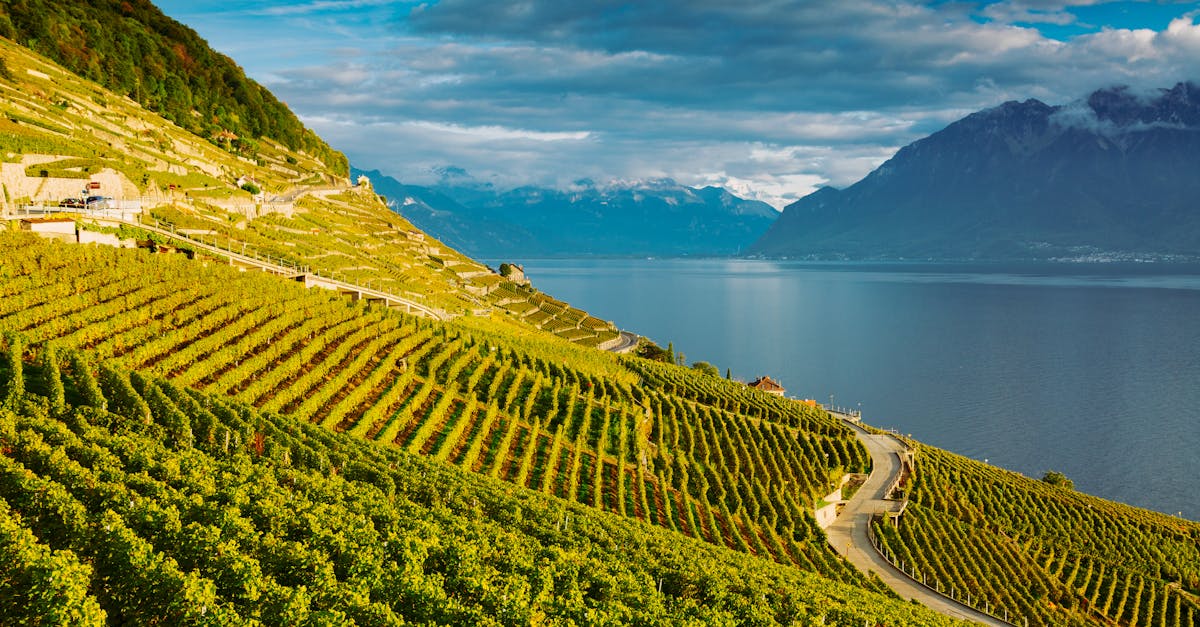
The Loire Valley, often nicknamed the “Garden of France,” is much more than just a backdrop of majestic châteaux and bucolic landscapes. This territory stretches along the royal river, offering an exceptional terroir for growing vines. Around 187 labeled wines, from 52 AOC-AOP appellations and 7 IGP appellations, testify to the richness and diversity of grape varieties and winemaking methods specific to this region. It features vintages that vary as much in their flavors as in their characters, ranging from the fresh Muscadet of the Nantes region to the young, lively reds of Touraine, not to mention the renowned sweet wines of Saumur. The diversity of climates, ranging from oceanic in the west to semi-continental inland, as well as the generosity of the soils—clay, limestone, schist, and tufa—provide a veritable playground for winegrowers, some imbued with a true passion for craftsmanship, such as the famous Huet, Thierry Germain, and Taille aux Loups estates, which are revolutionizing the local wine scene.
It’s safe to say that the Loire Valley is a bit like an open book of intertwined stories of terroirs and ancestral know-how. Behind the stone walls of iconic châteaux such as the Château de Chambord, lie vineyards that preserve the secrets of elegant and accessible wines. To get the right idea of where to go when exploring these lands, you need to understand that the region is divided into five distinct wine-growing areas: Pays Nantais, Anjou-Saumur, Touraine, Centre, and even Auvergne for the more curious connoisseurs. Each stands out for its unique identity, its favorite grape varieties, and, above all, the distinctive character of its wines. This guide takes you on a hassle-free journey through these five key regions of the Loire Valley, discovering gems that will delight your mouth and your taste buds.How does the Pays Nantais bring freshness and fruitiness to Loire Valley wines?
Located at the western edge of the vineyard, the Pays Nantais is where the winemaking journey along the Loire River begins. This wine-growing region is characterized by a mild and humid oceanic climate that provides an ideal environment for the local king grape variety, the Melon de Bourgogne. It gives rise to the famous Muscadet, a light, refreshing, and dry white wine, perfect for pairing with seafood or a platter of oysters. This region also produces Gros-plant, another dry white wine made from the Folle Blanche grape, renowned for its lively aromas and crisp freshness. What makes the Pays Nantais so charming is its ability to produce wines that are easy to drink but far from simplistic. Further south, Gamay Noir is also present, especially in the Ancenis region, where it produces light and convivial reds, perfect for enjoying by the fire or during a stroll through the vineyards. Among the must-visit estates are Domaine des Aubuis and Domaine de la Roche Blanche, trusted names that embody the tradition and quality of the local terroir. The essential assets of the Pays Nantais region in summary
🍇 Main grape varieties: Melon de Bourgogne (Muscadet), Folle Blanche, Gamay Noir
🌡 Climate: Oceanic, temperate, humid
🕰 History: Viticulture influenced by the proximity of the ocean since medieval times 🍷 Types of wines: Mainly dry whites, light rosés, fruity reds 🏞 Terroirs: Granite and schist soils, clay, sand, silt ElementSpecial feature
Example/Domaine
- Emblematic grape variety
- Melon de Bourgogne for Muscadet
- Domaine de la Roche Blanche
- Flagship Wine
- Muscadet sur lie, renowned for its freshness
| Domaine des Aubuis | Climate | Oceanic with maritime influences |
|---|---|---|
| Pays Nantais | Soils | Granites, schists, clays, and sands |
| Vineyards of the Pays Nantais | You can deepen your knowledge of the vineyards of the Southwest, for example, by consulting this | useful link |
| which will help you better understand the regional differences in French wines. | Discover the riches of the Loire Valley’s wine-growing regions, where renowned wines with varied aromas flourish. Explore the châteaux, vineyards, and winemaking traditions that make this region a true gastronomic treasure trove. | Why is Anjou-Saumur a veritable oenological treasure trove of the Loire? Anjou-Saumur, this Atlantic climate zone with impressive variations in sunshine and rainfall, is a goldmine for wine lovers who want diversity without the hassle. This region brings together renowned and varied appellations that produce white, red, rosé, and even sparkling wines. |
| In Anjou, as in Saumur, Chenin Blanc (or Pineau de la Loire) is the dominant grape. This magical grape variety is capable of producing an astonishing range of white wines, from dry to semi-dry, including sumptuous sweet wines essential for some desserts, and even fine sparkling wines. Then there’s Sauvignon for light and fruity whites, and elegant reds made from Cabernet Franc and Cabernet Sauvignon, not to mention the notable presence of Grolleau Noir, which produces its highly prized rosés. Among the noble establishments that compete with the big boys: Domaine Huet is a true regional landmark, as are Château de Targé and Domaine de la Taille aux Loups, known for the finesse and complexity of their Chenin Blancs. A few highlights of what Anjou-Saumur offers in value | 🍾 Range of wines: dry whites, semi-dry, sweet, sparkling, rosé and red | 🍇 Grape varieties: Chenin Blanc, Sauvignon, Cabernet Franc, Cabernet Sauvignon, Grolleau Noir |
🌍 Diverse terroirs: tufa, schist, chalky soils, clay 🏰 History: Vineyards enriched since the Middle Ages, with a strong monastic influence 👑 Renowned estates: Domaine Huet, Château de Targé, Domaine de la Taille aux Loups
Dominant grape variety
Main characteristic
Saumur
Chenin Blancs and Cabernet Franc Elegant sparkling and red wines Bonnezeaux Chenin Blanc Highly sought-after sweet wines Anjou RoséGrolleau Noir
Semi-dry, fruity rosés
- Saumur-Champigny
- Cabernet Franc
- Full-bodied red wines Fine
- For a complete experience in Angers or Saumur, tasting workshops are a must; they showcase the richness of the terroir in all simplicity.
- What gives Touraine wines their character in the Loire Valley?
| Touraine, often considered the historic heart of the Loire Valley vineyards, stretches across soils rich in clay, limestone, and sand, under a climate that oscillates between oceanic and continental. This transition gives it an openness to the varied expressions of the grape varieties. | Touraine reds, based on Cabernet Franc, display a beautiful presence on the palate with fruity and sometimes spicy notes. This grape variety is also capable of producing particularly pleasant rosés. As for whites, Chenin Blanc continues to amaze, particularly in Vouvray and Montlouis, where it produces often admired dry, semi-dry, and sweet wines. There, you’ll find wines that combine finesse and freshness, bringing perfect balance to light cuisine. The Domaine Thierry Germain, in neighboring Saumur, also leaves its mark on this region with its natural winemaking philosophy, similar to that of its Touraine neighbors. Further north, the Château de Nitray and the | Domaine des Grandes Vignes |
|---|---|---|
| offers both traditional and modern vintages, offering a rich palette to discover. | Why should you keep an eye on Touraine? 🍽 Wines that pair well with regional dishes 🥘 | 🍇 Variety of grape varieties: Cabernet Franc, Chenin Blanc, Gamay, Sauvignon |
| 🌿 Mixed oceanic/continental climate influence | 🏆 Award-winning red, white, and rosé wines | 🍷 Notable estates: Domaine Thierry Germain, Château de Nitray, Domaine des Grandes Vignes |
| Type of wine | Grape varieties | Special features |
| Red | Cabernet Franc, Gamay | Fruity and light wines with spicy notes |
White Chenin Blanc, Sauvignon Finess and freshness with nice acidity
Rosé
Cabernet Franc, Gamay
Light rosés, perfect for summer
Also, be sure to check out this in-depth analysis of Burgundy and Valrhone vineyards to understand how the diversity of the terroir shapes the wines, View here or on this page about Alsace wines. Discover the magnificent wine regions of the Loire Valley, famous for their fine wines and exceptional terroir. Explore the wineries and varied grape varieties, and savor the harmony between nature and tradition in this beautiful setting in France.What makes the Centre region stand out in the Loire Valley? The Centre region, also known as the Orléans region, stretches around iconic towns such as Sancerre, Reuilly, Quincy, and Pouilly-sur-Loire. It’s a wine region where Sauvignon Blanc is almost the undisputed star, offering vibrant, aromatic white wines highly appreciated by wine lovers for their freshness and lightness. In reds and rosés, the sweetness and roundness of Gamay and Pinot Noir are the cornerstones of classic blends. There are also original wines made from Pineau d’Aunis, particularly in the Coteaux-du-Loir, often with a spicy and fruity profile. The terroirs combine Jurassic soils, similar to those of Chablis, with a semi-continental climate, which gives these wines a beautiful, distinctive personality. The
Domaine du Clos de l’Ebéne
- is a rising star in the region, closely followed by enthusiasts of the
- Domaine des Grandes Vignes
- . These estates demonstrate that the central region is not only the land of expressive white wines but also a surprising terroir for fruity and structured reds. The highlights and typical grape varieties of the Centre region
- 🍾 Whites dominated by Sauvignon Blanc
- 🍷 Reds and rosés made mainly from Gamay and Pinot Noir
| 🌎 Jurassic terroirs and limestone soils | 🏞 Semi-continental climate, characterized by cold winters and hot summers | 🍇 Recommended estates: Domaine du Clos de l’Ebéne |
|---|---|---|
| Appellation | Type of wine | Main characteristics |
| Sancerre | White | Fresh wines with notes of citrus and white flowers |
| Reuilly | Red, White, Rosé | Fruity, light, and elegant wines |
Pouilly-Fumé White Mineral and smoky wines, with great finesse QuincyWhite
Want to deepen your knowledge of wine estates and auctions aimed at revealing hidden treasures? This page on
wine estates at auction
offers a surprising opening. What are the secrets of the Auvergne vineyards in the Loire Valley region?
The Auvergne region of the Loire Valley is less well-known, but it also deserves attention. This small vineyard, with primarily volcanic soils, has a more continental climate than the western part of the valley, with cold winters and hot, dry summers. The Pinot Meunier grape variety produces light reds with a fruity and spicy profile, while Chenin Blanc reveals delicate and atypical nuances. Auvergne is also full of small appellations worth keeping a close eye on, often lesser-known but of surprising quality. The Domaine des Grandes Vignes and other small producers such as Domaine du Clos de l’Ebéne are developing viticulture that respects the local terroir, positioning themselves within the broader movement of natural wines in the Loire Valley, thus promoting soil biodiversity and the personality of the wines. What you need to know about the Auvergne vineyards 🌋 Unique volcanic terroirs🍇 Grape varieties: Pinot Meunier, Chenin Blanc, Gamay
🌡 Marked continental climate
- ♻ Respectful and organic cultivation often favored
- 🏞 Light, fresh wines full of natural charm
- Appellation
- Grape variety
- Wine style
| Côtes d’Auvergne | Pinot Meunier, Gamay | Fruity reds with spicy notes |
|---|---|---|
| Saint-Pourçain | Chenin Blanc, Gamay | Balanced white wines and light reds |
| To complete your wine tour, we recommend exploring the wines of Provence, to understand the Mediterranean appeal of rosés, via this link | Provence wine regions | . |
| Discover the magnificent wine regions of the Loire Valley, renowned for their unique wines and picturesque landscapes. Explore the different appellations, taste exceptional wines, and immerse yourself in French winemaking traditions in the heart of this must-see destination. | FAQ – Your questions about the Loire Valley wine regions | ❓ |
| What are the most widely grown grape varieties in the Loire Valley? | Chenin Blanc, Sauvignon Blanc, Melon de Bourgogne, Cabernet Franc, and Gamay are the most common grape varieties, offering a wide range of white, red, and rosé wines. | ❓ |
Which wineries are not to be missed when visiting the region? The Huet, Thierry Germain, Taille aux Loups, and Roche Blanche estates, as well as iconic châteaux such as Château de Chambord and Château de Targé, are worth a visit. ❓
Can you visit vineyards and do tastings in the region?
Yes, many wineries offer tasting workshops, particularly in Angers and Saumur. These tours allow you to discover the secrets of the vineyard without any hassle.
❓ What types of wines does the Loire Valley produce? The region produces a very wide range: dry whites, semi-dry whites, sweet wines, rosés, light and full-bodied reds, as well as sparkling wines. ❓ What role do the soils play in the diversity of Loire Valley wines? The varied soils—clay, limestone, gravel, schist, and tufa—play a key role in contributing unique characteristics to the wines produced in the different regions.