The vast and legendary Bordeaux region is far from a mere vineyard. It’s a world of its own, brimming with diversity, charm, and legendary vintages. If you think Bordeaux is just about deep-colored bottles, think again: it’s above all a patchwork of terroirs, each with its own character, grape varieties, and stories to tell. From the left bank to the right bank of the Gironde, each plot has its say in this wine symphony. We’ve put together this no-nonsense guide to help you gain a clear understanding of what makes this region so unique, through its main winegrowing regions. You’ll find something for everyone, whether you’re simply curious or a seasoned connoisseur. Let’s dive into this world where every name resonates with the promise of an exceptional tasting.
What secrets does the Left Bank of Bordeaux and its prestigious appellations hold? The Left Bank, this hushed territory lined with pine trees, is often the first image that comes to mind when one thinks of Bordeaux. It is here that gravel and gravel soils dominate, providing optimal drainage—a real jackpot for vines. This part of Bordeaux is best known for its almost magical combination of soils and grape varieties, particularly Cabernet Sauvignon, the undisputed star of the Left Bank. The latter produces structured, tannic wines, perfect for those who enjoy their wine with a beautiful patina in the cellar.
At the heart of this bank, the Médoc reigns supreme, stretching approximately 60 km long and 10 km wide. The Médoc is divided into Haut-Médoc to the south and Bas-Médoc to the north, with a patchwork of essential appellations: 🌿Saint-Estèphe: clay soil, powerful wines with ageing potential. 🍷
Pauillac: land of giants with wines like Château Lafite Rothschild ,
- Château Latour , Château Mouton Rothschild
- . 🌸 Saint-Julien : finesse and balance, with a high concentration of classified growths.🌟 Margaux: supreme elegance, home of the prestigious Château Margaux.
- 🌳 Moulis and
- Listrac-Médoc : more secretive corners, but deserving of their place thanks to their wines with strong character. This vineyard is not limited to the Médoc. Further south, we find the famous Gravesregion, where the gravelly stone delights the roots. Here, they cultivate both red wines, with flagship estates like
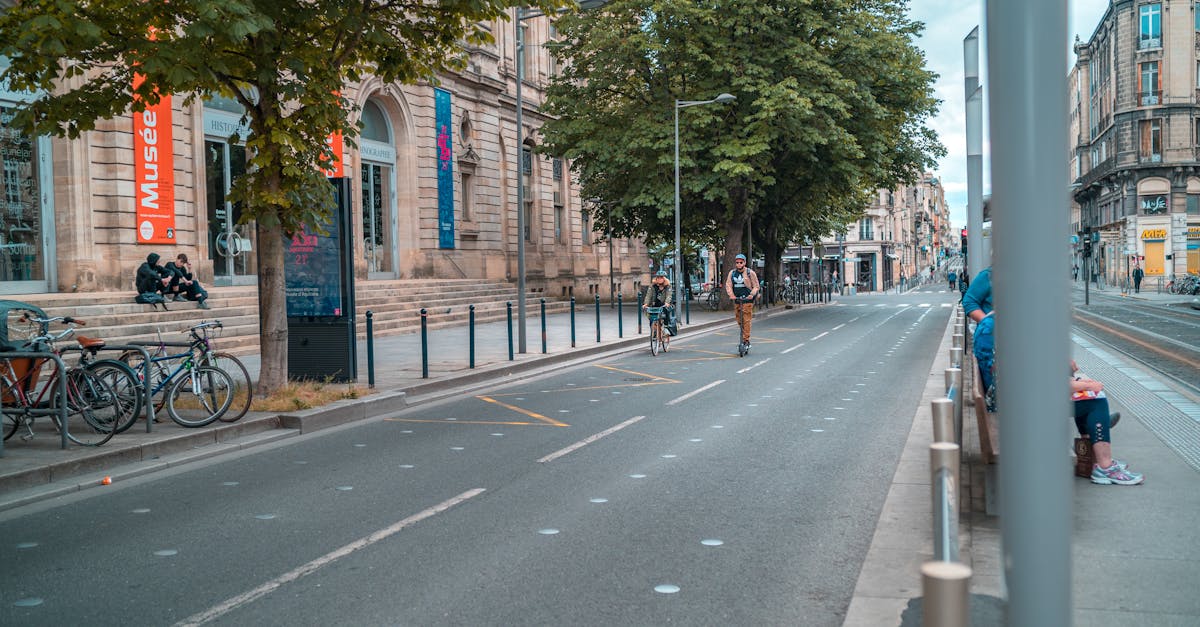
- Château Haut-Brion , and exceptional dry whites. Just next door, Sauternes and Barsac stand out in the realm of exceptional sweet wines, where noble rot transforms the grapes into liquid gold. The famous Château Yquem , a world star, reigns almost as the undisputed king. These sweet wines are irrefutable proof that nature can sometimes be generous without disguise. Discover Bordeaux, an iconic French city famous for its exceptional wine, historic architecture, and vibrant culture. Explore its picturesque streets and bustling quays, and savor the local cuisine in a warm atmosphere. Appellation 🍇 Soil Characteristics 🏞️
Dominant Wine 🍷 Famous Estates 🏰Saint-Estèphe Heavy ClayRobust, Tannic Red Château Cos d’EstournelPauillac
| Powerful and Elegant Red | Château Lafite Rothschild, Château Latour | Saint-Julien | Gravel and Clay |
|---|---|---|---|
| Balanced, Fine Red | Château Léoville Las Cases, Château Ducru-Beaucaillou | Margaux | Fine Gravel |
| Elegant, Silky Red | Château Margaux, Château Palmer | Pessac-Léognan (Graves) | Sandy Gravel |
| Red and White | Château Haut-Brion, Château La Mission Haut-Brion | Sauternes | Lectres Gravel and Clay |
| Sweet Wines | Château Yquem | Want to Explore Further? Whether you’re looking to discover the perfect wine and chocolate pairings or explore other Southwest regions, take a look at this simple and effective guide. | who will dazzle your taste buds! |
| https://www.youtube.com/watch?v=xrZxF-eN7RM | Right Bank: How does the Libourne region shape Bordeaux wines? | On the other side of the Gironde, the right bank has a very different signature that attracts just as many enthusiasts. The landscape is more hilly, with a diversity of soils that enriches the wines. Here, Merlot takes center stage, offering more supple, rounded, and accessible wines, often earlier than those from the left bank. The Libourne region, the beating heart of the right bank, is home to the most famous appellations: | 🍒 |
| Saint-Émilion | : limestone and clay terroirs for wines where elegance rhymes with complexity. | 🍫 | Pomerol |
: a small appellation but a treasure in itself, dominated by Merlot and the famous unclassified Château Pétrus. 🍇 Lalande-de-Pomerol : often more affordable, but full of character.
Fronsac
and
- Canon-Fronsac : sometimes overlooked neighbors with excellent value for money. Saint-Émilion is worth a closer look, particularly thanks to its dynamic, periodically revised classification, which highlights exceptional estates such as the
- Premiers Grands Crus Classés A which include Château Ausone andChâteau Cheval Blanc
- . This classification, quite unique in its kind, adds a bit of excitement and renewal to a landscape that is usually very static like Bordeaux. The terroir of Saint-Émilion combines finesse and robustness. The limestone soils provide structure, while the clay retains a good water reserve for drier periods, thus producing balanced wines. Pomerol, with its gravel and clay soils, is distinguished by its often richer aromas and a velvety texture on the palate, quickly seducing the palate. Appellation 🍇
- Soil Characteristics 🏞️ Dominant Wine 🍷 Famous Estates 🏰 Saint-Émilion Limestone, Clay
Structured, Elegant Red Château Ausone, Château Cheval Blanc Pomerol Clay and Gravel Fruity and Velvety Red Château Pétrus, Château La Fleur-PétrusLalande-de-Pomerol
Clay and Sand
| Smooth and Fruity Red | Château de Sales | Fronsac | Clay and Limestone |
|---|---|---|---|
| Full-Bodied Red | Château La Vieille Cure | To gain a deeper understanding of how these wines stand out, a short visit to the vineyards of Saint-Émilion or Pomerol is an excellent option. But if your curiosity goes further, discover how the iconic wines of the Northern Rhône can surprise your taste buds on this highly informative website, an opportunity to expand your oenological horizons. | Discover Bordeaux, the magnificent French city renowned for its wine, architectural heritage, and vibrant culture. Explore its bustling quays, savor local dishes, and delve into the history of this iconic region. https://www.youtube.com/watch?v=6kmyZCGngMU |
| What does the lesser-known Entre-Deux-Mers region and its surprises hide? | Between two rivers, the Garonne and the Dordogne, lies a territory called Entre-Deux-Mers, a name that may mean a little less to you, but nonetheless deserves your full attention. This region stands out for its enormous production of dry, crisp, and fresh white wines, ideal for summer evenings or to accompany a seafood platter. | Entre-Deux-Mers boasts diverse appellations such as Cadillac and Sainte-Croix-du-Mont, known for their sweet wines, while the majority of the hectares produce dry white wines under the Entre-Deux-Mers AOC appellation. These are wines made from Sauvignon Blanc, Sémillon and Muscadelle, sometimes produced in absolute purity, perfect for revealing the typical aromatic palette of white Bordeaux grape varieties. | It is in this region that the notion of terroir is expressed through a unique palette of soils alternating between clay, limestone, and sand. These elements play a key role in the freshness and tension one feels when tasting a white wine from the Entre-Deux-Mers region. Unlike the left bank where gravel dominates, here the climate, softened by the proximity of two major rivers, gives the wines a crisp and often floral character. |
| 🍃 | Cadillac | and | Sainte-Croix-du-Mont |
| : sweet wines with a lovely balance of sugar and acidity. | 🍏 | Bordeaux Blanc | : wide range, often very accessible. |
🌿 Entre-Deux-Mers AOC: dry and fruity white wines, perfect for aperitifs.
Specificity ⚙️
Main wine type 🍾
Typical notes 👃🏻
Cadillac
- Sweet Sweet white wines Honey, candied fruit 🍯 Sainte-Croix-du-Mont Sweet
- Botrytized white wines Apricot, orange blossom Entre-Deux-Mers
- Dry Fresh and fruity white wines Citrus, white flowers 🍊
- Why do Blaye and Bourg form an authentic winegrowing region on the right bank?
A little less in the spotlight, the Blaye and Bourg regions hide gems worth the detour. The Blaye hillside serves as a reminder that Bordeaux is not just a monument to the glory of its great vintages, but also a vibrant breeding ground for distinctive, natural wines. Between the Garonne and Dordogne rivers, these historic appellations are based on a varied terroir blending clay, limestone, and gravel. The predominant style here? Red wines rich in Merlot, often young and fruity, which express themselves without overly overpowering the tannins, with a nice length that’s pleasantly surprising. The region also produces a small amount of white wine, often made from Sauvignon Blanc, with fresh, herbaceous and floral notes.🍒
| Blaye AOC | : a wine with a lovely sweetness. | 🌾 | Côtes-de-Bourg |
|---|---|---|---|
| : more powerful, often appreciated for its value for money. | 🥂 | Blaye Côtes-de-Bordeaux | : a sub-appellation encompassing several terroirs. |
| 🌱 The vineyards are moving towards organic and environmentally friendly practices, following the general trend. | The charm of these appellations also lies in the simplicity and authenticity they offer wine lovers. A glass of wine in these regions is a return to basics, respecting a tradition that navigates between modernity and historical heritage. Want to delve deeper into this understated approach? The site offers wonderful discoveries around wineries and auctions, sometimes unearthing real treasures at affordable prices. | Appellation 🍇 | Dominant Terroir 🌍 |
| Wine Style 🍷 | Special Feature 🔍 | Blaye AOC | Limestone and Clay |
Fresh and Smooth Red
Often Fruity and Accessible
Côtes-de-Bourg
- Clay and Gravel Powerful Red Full-bodied Wines, Good Value
- Blaye Côtes-de-Bordeaux Varied Red and White
- Great Diversity How do the grands crus and classifications structure the Bordeaux vineyards? You’ve probably already heard of the famous Bordeaux classifications, and that’s perfectly understandable: they play a central role in the reputation of the region’s wines. But do you know how they actually work? Bordeaux has not one, but several classifications, each specific to certain areas, and always striving for excellence. These classifications reflect a blend of history, quality, and sometimes a hint of strategy. The most famous is undoubtedly the official classification of 1855, which ranked the red wines of the Médoc and the sweet wines of Sauternes, placing châteaux such as Château Margaux, Château Lafite Rothschild, Château Latour, and Château Mouton Rothschild on the podium. Several other regions have their own classifications: Graves, classified in 1953, grouping together red and white wines, including the prestigious Château Haut-Brion and Château La Mission Haut-Brion. Saint-Émilion, with a dynamic and much more progressive classification, up to Premier Grands Crus Classés A and B. Moreover, many unclassified properties can prove to be of excellent quality, and the trend is toward discovering gems outside the major appellations. The classification provides a framework but doesn’t close the door to surprises. Cru Bourgeois, for example, is a qualitative alternative in the Médoc, often underestimated but full of charm. Classification shouldn’t be the only criterion if you want to discover Bordeaux without the hassle.
- If you’re looking for a broader perspective on the characteristics of French wines and regions, why not venture a little outside of Bordeaux? An interesting detour could be the Rhône Valley vineyards, where the crus also have a lot to tell, and where balance and diversity are the key to a surprising experience. Classification 🍷
Region concerned 🌍 Number of classified growths 🏰Iconic estates ⭐
| 1855 Classification | Médoc and Sauternes | 61 reds, 27 sweet wines | Château Margaux, Château Lafite Rothschild, Château Yquem |
|---|---|---|---|
| Graves Classification (1953) | Graves | 16 red and white wines | Château Haut-Brion, Château La Mission Haut-Brion |
| Saint-Émilion Classification | Saint-Émilion | 14 Premiers Crus Classés A and B, 55 Grands Crus Classés | Château Ausone, Château Cheval Blanc |
| Curious wine lovers can always delve into auctions at prestigious or lesser-known estates to unearth a unique bottle by browsing specialized websites such as those dedicated to wine auctions. A great way to combine passion, discovery, and a smart investment. | https://twitter.com/girondins/status/1829814504680538505 | FAQ | Your questions about Bordeaux’s wine regions | 🌟 What really distinguishes the Left Bank from the Right Bank of Bordeaux? |
The Left Bank focuses mainly on
Cabernet Sauvignon
with gravelly soils, producing tannic and powerful wines, while the Right Bank favors Merlotwith clay and limestone soils producing more supple and fruity wines. 🥂 Why is Bordeaux famous for its blends?In this region, blending different grape varieties is key to finding the perfect balance of flavor, structure, and aging potential. A typical Bordeaux red often combines Cabernet Sauvignon, Merlot, Cabernet Franc, sometimes Malbec, and Petit Verdot. 🍾 What does “Cru Classé” mean in Bordeaux? It’s a designation awarded to the best estates recognized by various classifications, the most famous of which is that of 1855, attesting to a quality deemed exceptional over time. 🍇 Is Château Haut-Brion truly Médoc? No, this château is part of the Graves region; it is the only red wine from this appellation included in the 1855 Médoc classification, a testament to its particular prestige.
- 🍫 Where to find the best pairings between Bordeaux and chocolate? To pair wines and sweets perfectly, consult this guide which reveals how to enhance these combinationswith ease.