In the fascinating world of wine, understanding the different types of winemaking is a bit like deciphering the secret recipes of a confidential Château. Whether you’re a fan of fruity red wines, passionate about fresh white wines, or curious about vibrant rosés, there’s bound to be a winemaking method that will reveal the full potential of the grapes harvested in the finest estates. From white winemaking to the classic method for sparkling wines, each technique gives rise to a unique character, a personality of its own that will delight your taste buds. In 2025, traditional methods coexist with more innovative approaches, integrating both nature and technical advances. Ready to dive into this vast universe of taste? We’ve put together a guide where you’ll discover how different winemaking processes shape our favorite wines and influence their taste, color, and aroma. Let’s uncover the secrets of sparkling wines, organic and natural wines, as well as dessert wines that round off a meal in style, without the hassle! Understanding the Basics of Different Winemaking Techniques
Before detailing the types of winemaking, it’s important to understand the basics: winemaking isn’t just a magic wand, but a series of controlled steps to transform grapes into wine. These include harvesting, fermentation, maceration, and sometimes even aging in oak barrels. These steps vary depending on the type of wine you’re looking for—red, white, rosé, or sparkling.
Here’s a general overview of the most common techniques:
🟠
- White winemaking: The grapes are pressed to quickly separate the juice from the skins, before fermentation at a controlled temperature. Widely used for light, aromatic white wines. 🟠
- Red winemaking: The juice ferments with the skins to extract tannins, color, and aromas. A longer maceration is required, sometimes followed by aging in oak barrels. 🟠
- Rosé winemaking: Often a short period in contact with the skins or a blend of white and red juices according to regional traditions. 🟠
- Sparkling wine making: Integrating a refermentation phase to create the bubbles, either in the bottle using the classic method (Champagne, Cava) or in vats (Charmat method). 🟠
- Sweet and dessert wine making: By concentrating sugars (late harvest, raisining) or by mutage (adding alcohol to stop fermentation). Each type of winemaking directly influences the final product and its pairing with your favorite dishes. For example, aromatic white wines such as Gewürztraminer or Riesling are better paired with fragrant and spicy dishes, while full-bodied red wines are more suited to meats in sauce or strong game dishes. Type of Vinification 🍇
Main Characteristic 🌟 Wine Example 🍷 Ideal Food Pairing 🍽️ White Vinification Fermentation of the juice without the skins
| Light white wines, Sauvignon Blanc | Fish, aperitifs | Red Vinification | Fermentation with skin maceration |
|---|---|---|---|
| Château Médoc, Merlot | Red meats, mature cheeses | Rosé Vinification | Short maceration or blending |
| Côtes de Provence, rosé Cava | Charcuterie, grilled meats, summer dishes | Sparkling Vinification | Refermentation for bubbles |
| Champagne, Cava | Aperitif, sourdough dessert | Dessert Vinification | Sugar concentration or alcoholic fortification |
| Port, sweet dessert wines | Blue cheeses, pastries | To learn more about the different methods, you can consult our complete guide on winemaking techniques. | Discover the fascinating process of winemaking, from grape harvesting to fermentation, aging, and bottling. Learn how each step influences the taste and quality of the wine you enjoy. |
| A Closer Look at Red Winemaking: Between Tradition and Modern Nuances | In the world of red wines, winemaking primarily involves extracting color, tannins, and powerful aromas. What makes a red wine rich is the contact of the juice with the skins, seeds, and sometimes the stems, during a period called maceration. What gets interesting is that, depending on the length of time and style, the results can range from light red wines to full-bodied reds with great complexity. | Light red wines often benefit from a short maceration, as well as minimal aging, even in stainless steel tanks. These wines, like certain Merlot or Pinot Noir wines from cooler climates, pair perfectly with simple dishes: charcuterie, light grilled meats, or soups. Easy to serve, they also pair well with many cheeses. | Medium-bodied red wines generally undergo a longer maceration and sometimes a shorter barrel aging period. These wines, typical of Chianti or Cabernet Friulano, have enough body to stand up to roasted red meat or spicy dishes. Even a short barrel aging can transform the aromatic experience into a truly sophisticated moment of pleasure. |
Finally, full-bodied red wines are produced through prolonged maceration, often accompanied by lengthy aging in new or used barrels. These are grand cru wines generally produced from low-yield vineyards with optimal grape ripening. These wines are easily recognized by their ability to age for several years. They pair wonderfully with game or strong cheeses, dazzling both the eyes and the palate. 🍷 Short maceration: light, fruity red wine
Moderate maceration
: medium-bodied red wine, balanced tannins 🍷Long maceration
: full-bodied, powerful red wine
🍷
Wood aging
- : aromatic complexity and structure Red Wine Style 🍇 Maceration Time ⏳
- Aging 🍂 Characteristics 🍷 Light red
- 2-5 days Stainless steel tank, 2-4 months Fruity, fresh
- Medium-bodied red 5-15 days Wooden barrel, 4-8 months
| Balanced, moderate tannins | Full-bodied red | 15-30 days | New barrels, 1-4 years |
|---|---|---|---|
| Structured, powerful | Interested in the specific secrets of the | Savoie-Bugey winemakers | and their traditional approaches? You’ll discover how the terroir influences each stage of winemaking and how this gives rise to natural wines full of life. |
| https://www.youtube.com/watch?v=b8bW_mgF0EY | Everything you need to know about white and rosé winemaking | Now let’s talk about white and rosé wines, two categories that appeal for their freshness and lightness, but which conceal very different winemaking techniques. | |
| Light white wines | are classics made using white winemaking: the grapes are pressed quickly, the juice collected without the skins, then fermented without maceration to retain fruit and liveliness. Some regions prefer this simple approach for easy-drinking beverages that pair well with a wide range of fresh foods. | In contrast, |
structured white wines are designed to last and reveal aromatic complexity. Fermentation is often extended, sometimes in barrels with aging on fine lees, which enriches the wine’s texture and roundness. Malolactic fermentation, commonly practiced, reduces acidity and provides a lovely richness. These wines are ideal for pairing with richer dishes: fish in sauce, poultry, or even aged cheeses, depending on their strength. Finally, it’s impossible to ignore the trend for rosé wines, which have exploded in popularity thanks to their freshness and versatility. Two main styles dominate:
🍾 A blend of red and white wines, often used for sparkling rosés, particularly Cava.
Each of these types of rosé winemaking requires careful attention to maceration time and temperatures to avoid extracting too many tannins while preserving the color and fresh fruit. The end result is this summer wine, ideal for accompanying salads, light grilled meats, and even some Asian dishes. 🍋 White wine vinification: fermentation without skins 🍑 Aging on fine lees to structure the whites 🌿 Rosé wine vinification: short maceration or blending
🍷 Sparkling rosés using the Cava or classic method White & Rosé Wine Category 🍇 Vinification Method 🛠️
Type of Wine 🍷 Food Pairing 🍽️Light white wines
- Fast pressing, cold fermentation
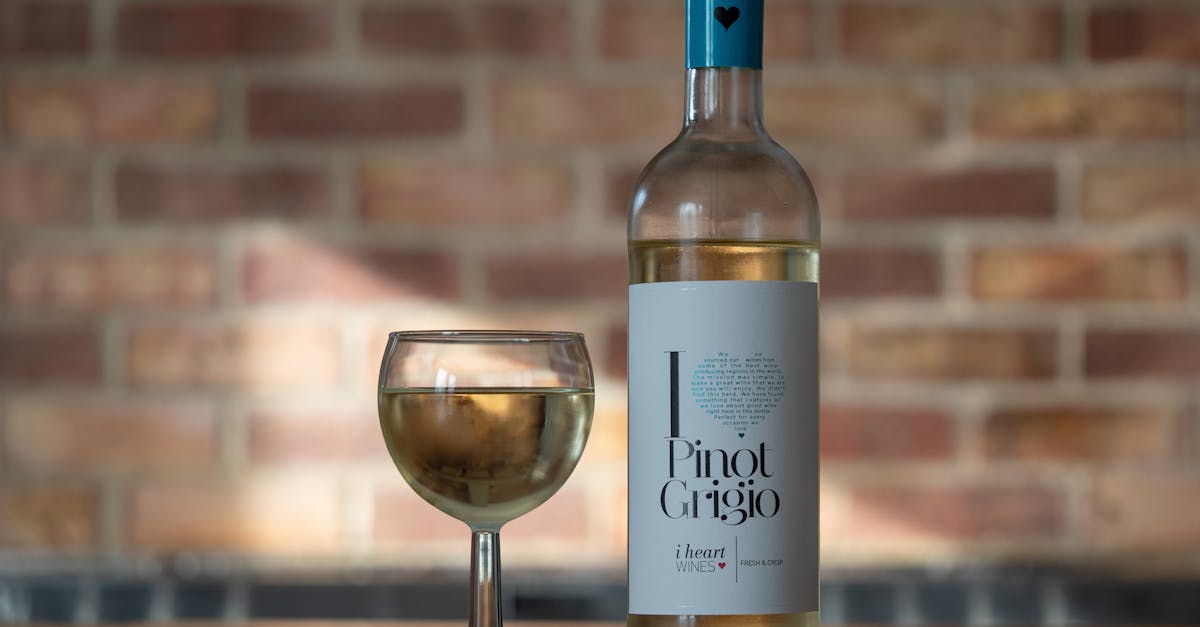
- Sauvignon Blanc, Pinot Grigio
Seafood, aperitifs
- Structured white wines
- Barrel fermentation, aging on lees
- Chardonnay, Viognier
- Fish in sauce, poultry
| Macerated rosés | Short maceration, ageing on skins | Côtes de Provence, Languedoc rosé | Salads, grilled meats |
|---|---|---|---|
| Blended rosés | Blend of white and red wines | Cava Rosé | Aperitifs, light dishes |
| To explore further, take a look at the articles detailing | the secrets of rosé winemaking | in various regions. | learn about the winemaking process, a crucial step in wine production that transforms grapes into delicious nectar. explore the techniques, methods and secrets of winemakers to create unique and refined wines. |
| https://www.youtube.com/watch?v=Rch0dfB85yM | Sparkling wines: the art of bubbles and traditional methods | If you are a fan of champagne or | sparkling wines |
| like Spanish Cava, you know that these are wines that require particular vinification focused on the presence of bubbles. Natural carbon dioxide is obtained through a second fermentation, which can occur in a bottle (traditional method) or in a closed tank (Charmat method). The latter is often chosen for commercial or young sparkling wines, while the traditional method is preferred by large estates. | The typical process includes: | 🍾 Preparation of a dry and balanced base wine. | 🍾 Addition of yeast and sugar to stimulate a second fermentation. |
🍾 Bottled or in a sealed tank to trap the gas and generate bubbles. 🍾 Stirring and disgorging (for traditional method) to eliminate sediments. The end result gives fine and persistent bubbles in Champagne or more voluminous bubbles in a young Cava. These sparkling wines pair with an incredible variety of occasions, from aperitifs to light desserts. We strongly advise you to try examples from small organic estates where nature is respected at every step.
Type of sparkling wine 🍾
Example Estate/Château 🏰 Traditional method Second fermentation in bottle
Champagne, high-end Cava
- Champagne Bollinger, Cava Freixenet
- Charmat method
- Second fermentation in pressurized tank
- Prosecco, some Crémants
Prosecco Mionetto
| Ancestral Method | Natural and Minimalist Refermentation | Sparkling Natural Wines | Domaine de la Cave en Provence |
|---|---|---|---|
| To learn more about the world of Cava and sparkling wines, take a look at this article on the | Cuvée Alicante Fourtanier | , a fine example of excellence. | Discover the art of winemaking, a complex process combining tradition and technology to transform grapes into wine. Explore the essential steps, from harvesting to fermentation to maturation, and learn how each decision influences the taste and aroma of your favorite wine. |
| Dessert Wines, Organic Wines, and Natural Wines: Unique Variations of Winemaking | Now let’s talk about | dessert wines | , as well as |
| organic wines | and | natural wines | , the true stars of contemporary winemaking. These categories introduce constraints and technical specificities that deserve special attention. Dessert wines: |
Often made from concentrated grapes, either through late harvests, raisining (natural drying of the berries), or following mutage, i.e., stopping fermentation by adding alcohol. The result is a sweet, sometimes mild but always intense wine, widely used to accompany pastries, blue cheeses, and yeast-leavened desserts. Organic wines:Here, the work begins in the vineyard with certified pesticide- and chemical fertilizer-free production. In the cellar, the use of additives is limited, with natural yeasts favored, and gentle winemaking techniques are used to preserve the purity of the fruit and the terroir.
This category takes the approach even further: no chemical intervention, sometimes even spontaneous vinification with wild yeasts, and little or no added sulfites. These wines often surprise with their unique aromatic profile, but require a little open-mindedness. They are produced in smaller volumes and often on small, passionate estates. 🍰 Dessert wines: late harvest, fortification
🌿 Organic wines: chemical-free cultivation, gentle vinification 🌱 Natural wines: spontaneous fermentation, few additives🔬 Respect for the terroir and nature at the heart of the approach Type of Wine 🎯 Vinification Method 🧪 Special Features 🌱Example of Estate or Château 🏰
Dessert wines Late harvest, fortification
Sweet, high in sugar Tokaji, Sauternes
Organic wines Herbicides-free cultivation, natural vinification
- No chemical additives
- Château Maris, Domaine de la Romanée-Conti
- Natural wines
- Spontaneous fermentation, few sulfites
| Authentic and vibrant wine | Domaine Huet | To take a look at these practices, we highly recommend reading the articles on committed winemakers in Savoie Bugey, a region where traditions and natural wines blend harmoniously. | https://www.youtube.com/watch?v=KlNvcdLwVRg |
|---|---|---|---|
| FAQ: Your questions about the main types of winemaking | ❓ | What distinguishes white winemaking from red winemaking? | White winemaking quickly separates the juice from the skins to prevent discoloration and extract aromatic freshness, while red winemaking ferments the juice in prolonged contact with the skins to extract color and tannins. |
| ❓ | How are sparkling wines produced? | They are produced through a secondary fermentation that produces carbon dioxide. This fermentation can take place in the bottle (traditional method) or in vats (Charmat method). | ❓ |
| Do natural wines taste different? | Yes, spontaneous fermentation and the absence of additives often produce atypical and more lively profiles. They sometimes require acclimatization on the palate. | ❓ | What are the advantages of barrel aging? |
It improves aromatic complexity, softens tannins, and allows for better preservation of the wine over time. ❓Can rosé wines be made using all methods?