Champagne, synonymous with elegance and celebration, is much more than just a name often heard on special occasions. Behind each sparkling glass lies a unique terroir, carved out by time and the expertise of thousands of winegrowers. In 2025, with nearly 34,200 hectares spread across 3 major regions, 5 departments, and an impressive network of 319 communes, Champagne is the world’s leading wine appellation. But do you really know where this famous wine comes from? Between terroirs dominated by Chardonnay, Pinot Noir, and Meunier, and key players like Moët & Chandon and Veuve Clicquot, each region, characterized by its unique characteristics, influences the style and finesse of the wine. Not forgetting the human wealth: no fewer than 16,300 winegrowers, 125 cooperatives, and 390 wineries work hand in hand to make the bubbles sparkle. Discover with us this French treasure, a little bit of nature, a little bit of science, but above all a concentration of passion and history. 🥂 What are the main terroirs that make Champagne wine famous? The Champagne vineyard is not a large, homogeneous area; quite the opposite. To get the point right, you need to understand that the region is segmented into four distinct terroirs, each with its own style, preferred grape varieties, and a touch of character. Here are the stars of the vineyard: 🌄Montagne de Reims: known for its sometimes north-facing slopes, which give the grapes perfect ripeness and beautiful freshness. 🌊 Marne Valley : a natural setting with rolling hillsides and a predominance of the Meunier grape variety, better suited to clay soils. 🌿Côte des Blancs
: the kingdom of Chardonnay, a land of elegance and finesse, cultivating vines primarily on perfect limestone soil. ⛰️Côte des Bar : the southernmost, where Pinot Noir provides the full-bodied and fruity base often appreciated in blends. Each terroir is a piece of the puzzle that creates the taste of the Champagne you enjoy in your glass. Added to this are prestigious labels such as the 17 Grand Cru villages and the 42 Premiers Crus, exceptional terroirs where quality reigns supreme. For example, the communes of Ambonnay and Verzenay in the Montagne de Reims are home to some very talented Pinot Noirs, while in the Côte des Blancs, names like Cramant and Avize are synonymous with refined Chardonnay. Region 🍇 Dominant Grape Varieties 🍷 Terroir Characteristics 🌍
Champagne Types 🎉
Montagne de Reims
- Pinot Noir (60%), Chardonnay Northern exposure, limestone soils, cool microclimate Powerful, structured Champagnes
- Marne Valley Meunier (dominant) , Pinot Noir, Chardonnay
- Clay soils, adaptable climate Fruity, round, accessible Champagnes Côte des Blancs
- Chardonnay (97%) Rich limestone soil, sloping hillsides Fine, elegant Champagnes, often Blanc de Blancs
Côte des Bar Pinot Noir Jurassic soils, steep valleys Light, fruity Champagnes, Rosé des RiceysTo truly understand the nuances of these wines, you can take a look at our guide toChampagne wine types , which explains How these terroirs and grape varieties are expressed in the bottle. Discover the elegance and finesse of Champagne, a symbol of celebration and precious moments. Explore the different types, flavors, and traditions that make this sparkling wine a must-have for parties and special occasions. How do the major houses influence production in each region? Let’s face it, in Champagne, there are some big names that make a name for themselves: Moët & Chandon , Veuve Clicquot
| , | Dom Pérignon | , | Perrier-Jouët |
|---|---|---|---|
| , | Taittinger, | Laurent-Perrier | , |
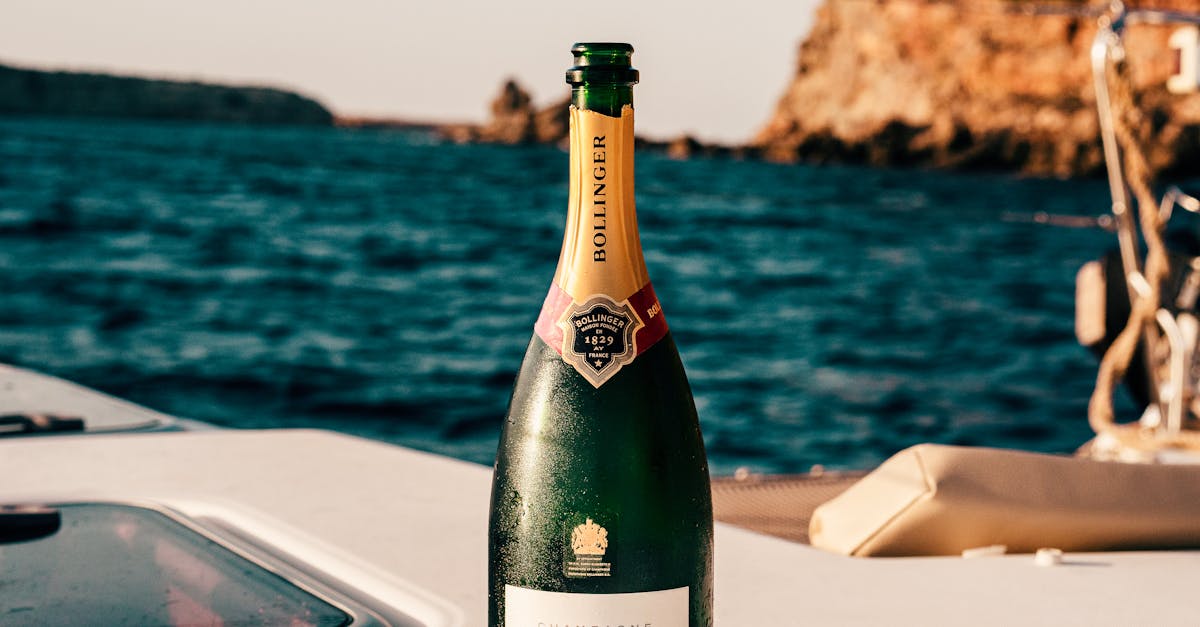
| Ruinart | and evenBollinger | , not to mention | Freixenet |
| who also ventured into this renowned sparkling cuvée. These Champagne giants grow or purchase their grapes on carefully selected terroirs to preserve the recognizable house signature. They own vineyards in strategic terroirs, often favoring Grands Crus and Premiers Crus to maintain a high level of excellence. | Champagne Houses currently represent the majority of production, with nearly 194.3 million bottles shipped out of approximately 271 million bottles in total between Houses, Winegrowers, and Cooperatives. In 2024, they generated a staggering turnover of €4.5 billion, or approximately 77% of the total, which underscores their international influence and influence, particularly in the United States, the United Kingdom, and Japan. | Their secret? A meticulous approach that combines innovation and respect for tradition, as well as a perfect understanding of their flagship terroirs: | 🔹 The blend is made primarily from Pinot Noir and Chardonnay from the Montagne de Reims and the Côte des Blancs. |
| 🔹 The best plots are recognized with the Grand Cru label, such as those in Bouzy, Mailly-Champagne, and Cramant. | 🔹 The promotion of a distinctive style, with premium cuvées such as the Dom Pérignon vintage. | The major wineries have also been pioneers in sustainability, adopting green practices on a large scale. Champagne was the first wine industry in France to conduct a carbon footprint assessment in 2003, with over 70% of its vineyards now covered by environmental certification. It’s working quite well, with, for example, the introduction of electric tractors and even a strong policy of gender confusion to avoid intensive chemical treatments. Champagne House 💼 | Bottles Shipped (millions) 🥂 |
Revenue (€ billion) 💰 Main Supply Regions 🌍Moët & Chandon

1.2
Reims Mountains, Côte des Blancs Veuve Clicquot~25 0.6Reims Mountains, Marne Valley Dom Pérignon~5 0.3Côte des Blancs, Reims Mountains Perrier-Jouët~12 0.4Côte des Blancs, Marne Valley Taittinger ~10 0.35Côte des Blancs, Reims Mountains Laurent-Perrier ~8
0.25 Côte des Blancs, Reims Mountains Ruinart ~6 0.22 Côte des BlancsBollinger
~7
- 0.3
- Reims Mountains, Côte des Blancs
- If you want to explore in more detail how these houses craft their cuvées, we recommend our report on the evolution of Champagne tastes, a real treat for curious taste buds! https://www.youtube.com/watch?v=Ev9azKpF6VI
What are the distinctive features of the grape varieties that dominate the Champagne region? The success of Champagne wine also relies on its three star grape varieties, each grown in a zone that suits it perfectly: 🍒
| Pinot Noir | : This black grape variety, the majority with 38% of the grapes planted, is the star of the Montagne de Reims and the Côte des Bar. It gives champagnes structure, power, and aromatic richness, without the bitterness one might fear, thanks to its thin skin. | 🌼 | Chardonnay |
|---|---|---|---|
| : The undisputed king of the Côte des Blancs (97% of the vineyards), it is appreciated for its finesse, freshness, and incredible aging potential. It lends this typical elegance to Blanc de Blancs, which are 100% white champagnes and often models of delicacy. 🍑 | Meunier | : Often a favorite among Marne Valley winemakers, this vigorous grape variety ripens later and is more resistant to climatic variations. It provides roundness, fruitiness, and suppleness, making it perfect for champagnes best enjoyed young. | In 2025, the overall distribution in the Champagne vineyards will be around 38% Pinot Noir, 31% Chardonnay, and 31% Meunier. This harmony reflects the very essence of Champagne: a subtle balance between strength and sweetness. It’s no surprise that the majority of Champagnes are made from black grapes, but with white juice, since the vinification process is done without the skins. For a more in-depth look, discovering the |
| Cuvées Blanc de Blancs | is recommended, as they perfectly showcase the Chardonnay and, therefore, the Côte des Blancs. The wines are thus balanced as follows: | Grape variety 🍇 | Preferred area 🌍 |
| Characteristics 🍷 | Effect in the blend 🥂 | Pinot Noir | Montagne de Reims, Côte des Bar |
| Rich color, low tannin | Body, power, structure | Chardonnay | Côte des Blancs |
| Finesse, acidity, aging potential | Elegance, freshness, aromatic complexity | Meunier | Vallée de la Marne |
| Smoothness, fruitiness, frost resistance | Roundness, vigor, immediate freshness | These grape varieties are not just ingredients; they are the living heart of the wine. To learn more about their interactions and how they shape the diversity of champagnes, feel free to browse this article which presents the | differences between Brut and Demi-Sec |
| and their blends. | Discover the refined world of champagne, a sparkling beverage emblematic of celebration. Explore the different varieties, the expertise of the winemakers, and the champagne and food pairings to enhance your festive moments. | How do cooperatives and winemakers shape the Champagne vineyards? | Beyond the renowned wineries, Champagne also thrives thanks to the energy of the |
| 16,300 winemakers | spread across the entire region and the | 125 cooperatives | that pool resources while promoting local specialties. Together, they contribute to the richness and diversity of this prestigious appellation. |
It’s a truly wonderful story of territories, where each producer plays their part: 🌱 Winegrowers often cultivate small plots, on average 12 ares, with constant attention paid to the quality of the grapes.🤝 Cooperatives provide strategic and technical support, helping artisans transform their harvest into high-quality Champagne, often under the cooperative’s own brand.
77.4 million bottles
come from cooperatives and winegrowers, compared to
- 194.3 million for the Maisons. These are therefore players who play the terroir card, often more expressive and linked to a particular commune or vintage. Many focus on grower-produced Champagnes, with a strong identity and greater visibility regarding their origin. Certainly more artisanal, but just as fascinating to discover. Type of Player 🥂
- Number Bottles Shipped (millions) Market Share by Volume (%)
- Champagne Houses 390 194.3
72% Winegrowers & Cooperatives 16,425 (16,300 + 125 cooperatives)
77.4
| 28% | With €5.8 billion in revenue for the sector in 2024, it’s clear that this union between houses and artisans is boosting Champagne around the world. We’re not just talking about a celebratory wine, but an economic and cultural phenomenon. To discover some specific features, don’t hesitate to read our feature on special champagnes, which often come from the harvests of passionate winegrowers. | https://www.youtube.com/watch?v=iDNlXtSIC4U | What environmental issues and innovations are shaping the Champagne vineyards? Moving to sustainable production in a region as prestigious as Champagne isn’t just a passing fad; it’s the very essence of the winegrowers’ work. The industry has been a pioneer since the 2000s, with concrete actions and visible results: |
|---|---|---|---|
| 🌎 First to conduct a complete carbon assessment of the wine industry, back in 2003. | 🚜 Adopted high-clearance tractors and electric robots to limit pollution and transportation. | 🐝 Implemented a mating disruption system in the vineyard: an ecological technique to reduce phytosanitary treatments. | 🌱 More than 70% of the vineyard is now environmentally certified, including 45% for “Sustainable Viticulture in Champagne”. |
| 🛠️ Complete treatment of wine effluents and 100% recovery of by-products through the circular economy. | ⬇️ 20% reduction in the carbon footprint per bottle, and 50% reduction in phytosanitary products over 15 years. | This forward-looking approach, acclaimed by industry players, guarantees the sustainability of the terroirs and the quality of the champagnes you taste. To learn more, discover the details and philosophy behind this transition in our report on the | history of Champagne wine |
| and its recent evolution. | Sustainable Action 🌿 | Key Figures 2025 📊 | Expected Impact 💡 |
Carbon footprint from 2003 –20% carbon footprint per bottle Reduction of greenhouse gases
First vineyard in France
Fewer emissions, greater comfort Male reproductive toxicity First vineyard for this technique Reduction of pesticides Environmental certification
+70% of the vineyard, 45% sustainable viticulture
- Sustainable soil and water protection
- Circular economy
- 100% waste recovery Reduction of waste and negative impacts Innovation is therefore at the heart of Champagne, but without ever losing this magical connection with nature and the terroir. This is a lesson for all wine and environmental enthusiasts. You’re invited to learn more about the subtle balance between tradition and innovation in our article on Champagne and health. Discover the elegance and richness of champagne, an iconic beverage that embodies refinement and celebration. Explore the different types of champagne, from grands crus to artisanal cuvées, and learn all about champagne and food pairings for an unforgettable experience. FAQs about the main Champagne wine-producing regions
What are the three main grape varieties in Champagne?
| They are Pinot Noir, Chardonnay, and Meunier, each bringing its own unique characteristics to Champagne depending on the region where it is grown. | Which Champagne region primarily produces Chardonnay? | The Côte des Blancs dominates with 97% Chardonnay, perfect for Blanc de Blancs. | What are the most famous Grand Cru villages? |
|---|---|---|---|
| Among them, Ambonnay, Bouzy, Verzy, Cramant, and Avize are benchmarks for high-quality grapes. | How is the Champagne industry committed to sustainability? With over 70% of its vineyards certified, reduced pesticide use, and a strong circular economy, Champagne is a virtuous model. | Which major houses dominate global production? | Moët & Chandon, Veuve Clicquot, Dom Pérignon, and Taittinger are among the international leaders. |