
Languedoc-Roussillon, this vast wine-growing region in the south of France, has lost none of its richness and appeal. Long known as a high-volume production region, this land has now reinvented itself as a quality territory, where wine can be enjoyed without compromise. Bordered by the Mediterranean and nestled among mountain ranges, it forms a unique patchwork of terroirs and appellations that thrill wine lovers and connoisseurs alike. Home to grape varieties such as Grenache, Syrah, and Mourvèdre, it offers a range of appellations that flirt with diversity and excellence. So let’s discover the gems of Languedoc-Roussillon together, the ones we want to savor without hassle, while highlighting its incredible array of iconic appellations. Faced with a wine-growing landscape as vast as it is varied, we’ve put together this guide to the great appellations of Languedoc-Roussillon, ranging from wines shaken by the freshness of the sea to the sweet nectars that are among the jewels of the south. From the unmissable Corbières to the sparkling Crémant de Limoux, not to mention the Vins Doux Naturels (Natural Sweet Wines) that are the pride of Roussillon, each appellation reveals its treasures, often nestled in the vineyards of Château de Puilacher or Domaine de la Grange des Pères, names that already sound like a promise of pleasure. If you’re looking to understand where and how these appellations make a difference, fasten your seatbelts, because the adventure is truly worth the detour.
Discovering the Languedoc AOC, the pillar of southern wines
Let’s first talk about the flagship appellation, the essential foundation: the Languedoc AOC
This appellation, dating from a 2007 decree, was created to unite under one banner a vast group of terroirs stretching from the Porte de Nîmes to the Spanish border. It’s a bit like the main stage of the Languedoc vineyard, where you can find red, rosé, and white wines that reflect the region’s diversity.The goal? To simplify and bring everyone into line, so that consumers can easily navigate this profusion of offerings. This appellation also gives full freedom to winegrowers and wine merchants, who can blend wines from different Languedoc terroirs, thus offering a rich creative palette without rigid barriers.To aim accurately and enjoy a Languedoc AOC with character, we recommend keeping in mind these few essential names that illustrate all that is best about this appellation:
🍇 The
Domaine de l’Aigle
- , known for combining finesse and freshness thanks to its privileged terroir. 🍷 Château de la Negly, which never ceases to amaze with the balance of its reds.🍾
- Mas de Daumas Gassac, sic transit gloria mundi — a true legend, recognized far beyond regional borders. 🌿Château de l’Engarran, for those who love wines that reflect the generosity of the Mediterranean sun.
- This appellation is also divided into several sub-appellations, often more specific in terroirs and expressions, for example: La Clape, where limestone soils and the wind forge a remarkable vegetal power.Les Grès de Montpellier, with its elegant and fruity wines.
- Pic Saint Loup, which became an appellation in its own right since 2016, with red wines that are often full-bodied and complex. Terrasses du Larzac, adopted in 2014, where concentrated wines are produced on stony soil, combining power and freshness. Appellation Type of wine
Key characteristics
- Iconic vineyards and estates
- AOC Languedoc
- Red, Rosé, White
- Diverse soils, free blends, vast geographical area
| Domaine de l’Aigle, Château de la Negly, Mas de Daumas Gassac, Château de l’Engarran | La Clape | Red, White | Limestone soils, ventilation from strong winds, intense sun |
|---|---|---|---|
| Château de Puilacher | Pic Saint Loup | Red, Rosé | Powerful, mineral wines, often long on the palate |
| Domaine des Boutisses | Terrasses du Larzac | Red | Stony soil, mountain freshness |
| Mas des Caps | It should also be noted that Château de Valcombe is perfectly positioned in these powerful Languedoc terroirs, producing wines that are both full-bodied and elegant. These sites embody the region’s qualitative transformation towards internationally recognized standards, which are the pride of the vineyard. Discover the Languedoc-Roussillon region, a jewel in the south of France where natural beauty meets a rich cultural heritage. Explore its varied landscapes, from the Mediterranean Sea to sun-drenched vineyards, and savor exceptional food and wine. Embark on an adventure and be captivated by the history, traditions, and diversity of this fascinating region. | What makes Languedoc AOC wines so beloved? | The answer lies in the combination of Mediterranean sunshine, diverse soils (from red earth to gravel to white limestone), and weather that alternates between drought and soothing sea breezes. This alliance creates expressive wines, both robust and rounded, which pair surprisingly well with any dish. From the simplest to the most exquisite, the wines of this terroir are an invitation to melodious explorations, holding their own against the classic standards of Burgundy or the Rhône Valley, offering excellent value for money. To discover other affordable wines, don’t hesitate to take a look at this perfect selection of wines under 10 euros. |
| https://www.youtube.com/watch?v=2XlrL0WcoSM | What are the natural sweet wines and specific appellations of Roussillon? | Ah, Roussillon! Located between the Mediterranean Sea, the Pyrenees and the Corbières, this corner of Languedoc-Roussillon plays a different score with its Vins Doux Naturels (VDN) which give the charm of the south, tinged with rich aromas and delicacy. To explore this sweet palette, what could be better than starting with the undisputed stars: | 🍷 |
Banyuls
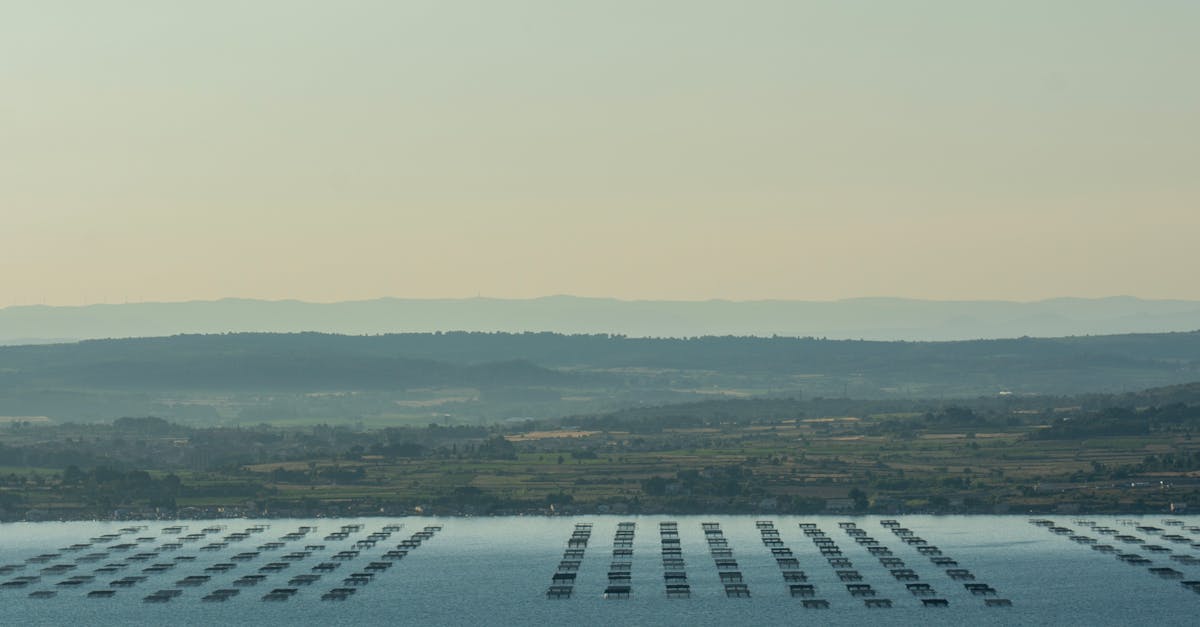
🍶
Rivesaltes
, versatile, available in red, white and the famous amber, perfect for aperitifs and desserts. 🍇Maury
🍇
Rivesaltes Muscats
- and others Muscatsfrom Lunel, Mireval or Frontignan, which bring a fresh and fragrant side to the end of a meal.
- The Natural Sweet Wines of Roussillon not only contrast sweetness and power, they also tell the story of a granite and schist terroir, where Grenache noir shines as an undisputed local star. Different municipal and sub-regional names structure the landscape:💎 Grand Roussillon: Bringing together Banyuls, Collioure and Port-Vendres, this vast terroir is very popular for its reds and whites.
- 💎 Côtes du Roussillon and Côtes du Roussillon Villages, for wines of great breadth, often elegant and deep. 💎 Maury and Collioure, two municipal appellations which play their part with mastery.Appellation
- Type of Wines Features Renowned domains Banyuls VDN Red
Steep terraces, aromas of black fruits and spices, long aging
Valcombe Castle
- Rivesaltes
- VDN Red, White, Amber
- Velvety texture, rich in natural sugar
| Domaine de Saint-George | Maury | VDN Red | Powerful, tannic, perfect with cheeses |
|---|---|---|---|
| Domaine des Boutisses | Collioure | Red, White, Rosé | Elegant, Mediterranean, often mineral wines |
| Château de Puilacher | Muscats de Rivesaltes | Sweet white | Intense floral aromas |
| Château de la Negly | The Roussillon terroir is wonderfully structured and has capitalized on an ancient tradition with unparalleled quality development. The care taken at estates such as Domaine de Saint-George and Domaine des Boutisses is a perfect illustration of this, and the naturally sweet wines are now among the most delicious nectars in Europe. | Discover the enchanting landscapes and cultural richness of the Languedoc-Roussillon region. Between the Mediterranean Sea and the mountains, this destination offers historic sites, renowned wines, and delicious gastronomy. Embark on an adventure in the heart of unspoiled nature and let yourself be captivated by the authenticity of the South of France. https://www.youtube.com/watch?v=QRFP0yUoBT8 | Focus on Muscats: Finesse and Freshness |
| Between the Muscat de Lunel, Mireval, Frontignan, and the more confidential Muscat de Saint Jean de Minervois, the nuances are subtle yet decisive. These white Muscats, renowned for decades, are characterized by delicate aromas of apricot, orange blossom, and even honey, which draw on a natural balance between sweetness and freshness. It’s a summer concentrate to bottle, ideal for simply rounding off a meal. | For those who wish to explore other sweet wines, why not also explore the wonderful sweet wines of Alsace, which offer a different range but with the same elegance? | The sub-regional appellations of Languedoc: a mosaic of terroirs | While the Languedoc AOC is the great matrix, the Languedoc-Roussillon vineyards are not limited to it. In truth, more than a dozen sub-regional (and even communal) appellations shape an ultra-diverse landscape. Each corner has its own identity, style, strong brands, and way of telling the story of the people and the land. This stratification also allows for better identification of the quality and specificity of the wines. |
| Here are the 13 main sub-regional appellations of Languedoc: | 🍷 Fitou, the first appellation of Languedoc (1948). | 🍷 Corbières, the immense region, with its 15,000 hectares and 11 renowned terroirs (including Boutenac, one of the most prestigious). | 🍷 Minervois and Minervois-La Livinière, these two neighbors with powerful fruit and refined oak notes. 🍷 Faugères, renowned for its distinctive wines drawing their personality from the schist and granite soils. |
🍷 Saint-Chinian, in the heart of the foothills, proud of its balanced and highly gastronomic red wines.
🍷 Cabardès, a strange blend of oceanic and Mediterranean influences.
🍷 Clairette du Languedoc and Clairette de Bellegarde for those who prefer the finesse of whites.
🍷 Crémant de Limoux, the refined and elegant sparkling wine that exports very well. 🍷 Costières de Nîmes, at the crossroads of Languedoc and the Rhône Valley, where powerful reds flourish. 🍷 Picpoul de Pinet, famous for its lively and fruity whites, perfect with seafood. 🍷 Terrasses de Béziers, near the sea, where the wines combine roundness and freshness.
Sub-regional appellation
Type of wine
Dominant soil/terroir
- Characteristics
- Known estates and châteaux
- Fitou
- Reds
- Chalk and schist soils
- Powerful, structured, spicy notes
- Domaine de la Grange des Pères
- Corbières
- Red, Rosé, White
- Limestone, schist, clay
- Complex, fruity, sometimes robust
- Château de Puilacher
- Minervois-La Livinière
| Reds | Clay-limestone | Concentrated, silky tannins, balanced | Mas des Caps | Faugères |
|---|---|---|---|---|
| Reds | Schist, granite | Mineral, spicy, very distinctive | Domaine de Saint-George | Limoux |
| White, Red, Sparkling | Clay-limestone | Finesse, freshness, light bubbles | Château de la Negly | In this regard, the example of |
| Domaine de Saint-George | in the Faugères appellation is emblematic of a viticulture that draws the best from the terroir to produce wines that are both “roots” and refined. To unearth fine selections, it may also be worth exploring appellations outside of Languedoc, such as those of Burgundy or the Rhône Valley, but Languedoc-Roussillon clearly has its own identity and must be visited. | Explore the Languedoc-Roussillon region, a jewel of southern France, famous for its diverse landscapes, sunny beaches, renowned vineyards, and rich historical heritage. Discover the hidden treasures, local gastronomy, and outdoor activities that make this destination a must-see for nature and culture lovers. | The appeal of this plurality of specific appellations | As we can see, each sub-regional appellation has its fans, its own specific style, and its own history. This multiplicity brings richness but also presents a challenge in promoting each one effectively. The challenge is to play the regional trump card without overwhelming consumers with an avalanche of information. In other words, behind the massive Languedoc AOC machine, this intricate mosaic of terroirs and micro-terroirs actually forms a very dynamic and expanding map. |
| How do PGIs respond to the wine-growing diversity of Languedoc-Roussillon? | When we think of Languedoc-Roussillon, we often think of AOCs, but the region is also a true land of PGIs (Protected Geographical Indications), which allow for creativity and flexibility beyond the strict rules of the AOC. With more than twenty PGIs in the region, we observe a profusion of styles, adapted to diverse markets and often closely linked to direct sales and wine tourism. | Some of the notable PGIs: | 🌿 | IGP Pays d’Oc |
| : the regional star, covering the largest area, used by many producers for its accessible and modern wines. | 🌄 | IGP Cévennes | : nestled around the Cévennes mountains, its wines reflect a cooler climate and rich biodiversity. | 🏰 |
IGP Cité de Carcassonne : a wine steeped in the historic heritage of the fortified city. 🌊 IGP Côtes de Thau : near the Thau lagoon, ideal for crisp white wines, particularly those made with Terret grapes. 🗻 IGP Vallée du Paradis: a surprisingly well-preserved terroir, far from the tourist hustle and bustle. PGI
Typical Areas
Specificities
Pays d’Oc
Wide variety, modern wines, flexibility
Major area of Languedoc-Roussillon
Versatility, mass and high-quality production
- Cévennes Cool climate, diversity, lush terroirs Cévennes Mountains
- Local culture, preservation of biodiversity City of Carcassonne Link with heritage, structured wines
- Around Carcassonne Oceanic influence, elegance Côtes de Thau
- Very fresh white wines Lagoon of Thau Use of the Terret grape variety, maritime climate
- Vallée du Paradis Preserved terroir, high-quality production Corbières Mountains
| Low production, favored wine tourism | This flexibility allows estates such as the | Domaine de la Grange des Pères | or the |
|---|---|---|---|
| Mas de Daumas Gassac | to explore new avenues, without such strict constraints and with more creativity. This freedom boosts the local industry. | The IGPs are also a testing ground for sometimes more modern grape varieties or original blends, which appeal to a wide audience. | If you’d like to explore other equally prestigious French wine regions to broaden your palette, here are some suggested readings to explore: the Loire Valley, the Rhône, and the selection of Rhône Valley wines. |
| https://www.youtube.com/watch?v=MTUD8cdQDwU | The emblematic estates that showcase Languedoc-Roussillon | It’s impossible to talk about the appellations of Languedoc-Roussillon without mentioning these estates that transform the vine into a work of art. These names are often synonymous with passion and refinement, a never-ending quest to best express nature and terroir: | 🌟 |
| Château de Puilacher: known for its structured reds and its family tradition. 🌟 | Domaine de Saint-George | : A benchmark in the Faugères appellation, with a powerful and elegant style. | 🌟 |
| Mas de Daumas Gassac | : A pioneer, pioneer of an exceptional vineyard. | 🌟 | Château de la Negly |
| : Highly regarded for its blends balanced between roundness and freshness. | 🌟 | Domaine de l’Aigle | : Sophistication and finesse are on the menu. |
🌟 Château de Valcombe : Prestigious for its full-bodied red wines. 🌟 Domaine des Boutisses
: A major player in the Maury appellation, tenacious and bold.
🌟 Domaine de la Grange des Pères: A perfect blend of modernity and tradition. 🌟 Mas des Caps : The expression of Larzac in all its splendor. 🌟Château de l’Engarran: between innovation and respect for the terroir.
Appellation(s)
Type of wine
- Characteristics Château de Puilacher Corbières, Languedoc
- Powerful reds, rosés Family tradition, spicy notes Domaine de Saint-George
- Faugères Distinctive, elegant reds Shale terroir, minerality
- Mas de Daumas Gassac Languedoc Exceptional reds
- Extraordinary vineyard, internationally renowned Château de la Negly Limoux, Languedoc
- Balanced blends Roundness and Freshness Domaine de l’Aigle
- Languedoc Fine and Fruity Wines An Exceptional Terroir
- Château de Valcombe Banyuls VDN Red
- Sloping Terroir, Full-Bodied Wines Domaine des Boutisses Maury
- VDN Reds Full-Bodied and Tannic Wines Domaine de la Grange des Pères
| IGP Pays d’Oc | Complex Reds | Modernity and Tradition Blended | Mas des Caps |
|---|---|---|---|
| Terrasses du Larzac | Powerful Reds | Expression of the Granite Terroir | Château de l’Engarran |
| Languedoc | Reds, Rosés | Innovation and Tradition | These addresses are worth the detour when visiting Languedoc-Roussillon, because in addition to a wide and available selection, some of these estates are also making their mark on the national and international scene, offering both a change of scenery and excellence. Don’t hesitate to visit their cellars for a rich and friendly exchange. You’ll undoubtedly discover a pleasant surprise, far from the usual standards, accompanied by the authentic charm of a thousand-year-old terroir. |
| https://www.youtube.com/watch?v=lVIDBZ2Hsng | FAQ on Languedoc-Roussillon appellations 🍷 | What types of wines does Languedoc-Roussillon mainly produce? | Reds, rosés, whites, and natural sweet wines, with a clear majority of reds but significant diversity across all styles. |
| Why was the Languedoc AOC created? | To bring together and clarify the offerings, allowing for better understanding of Languedoc wines and facilitating blending by producers. | What are the appellations of natural sweet wines in Roussillon? Banyuls, Rivesaltes, Maury, as well as several Muscat appellations such as Muscat de Rivesaltes and Muscat de Lunel. | What is the difference between AOC and IGP in this region? |
| The AOC is very strict regarding production rules and terroirs, while the IGP offers more freedom, allowing for greater creativity and diversity. | Which iconic estates should you visit in Languedoc-Roussillon? | The Château de Puilacher, Domaine de Saint-George, Mas de Daumas Gassac, Château de la Negly, and Château de Valcombe are among the places not to be missed. | |
