
Languedoc-Roussillon, the cradle of ancient viticulture, never ceases to amaze with the richness of its terroirs. Imagine a vast, colorful patchwork, where each plot tells a story, where the soils, climate, and grape varieties come together to create wines of breathtaking diversity. Between vineyards bathed in Mediterranean sunshine and hills with varied soils, this region imposes its style, balancing tradition and modernity. Wine lovers and the curious alike will find something to their liking, through emblematic appellations and renowned estates like Domaine de l’Oriel and Château de Pique.
Think Languedoc-Roussillon is all about powerful reds? Think again. The palette is vast: aromatic whites, naturally sweet wines, and flattering sparkling wines—this is what makes this region so magical. And these aren’t just words, but truly taste experiences to be enjoyed without delay. Terroir in this region isn’t just a geographical concept; it’s a true factor of identity, a guide to better understand the quality and distinctive character of the wines offered by key players like Mas des Tannes and Domaine Paul Mas.
We offer a step-by-step journey to the heart of these exceptional lands. Each section will take you on a journey of discovery through natural and human landscapes, where passion blends with geology, and where winemakers patiently forge a lasting bond between man and nature. Let yourself be carried away among the vines, soak up the sunshine, enjoy a good glass of wine, and let’s dive together into the fascinating terroirs of Languedoc-Roussillon!
What are the historical and geographical terroirs that shape Languedoc-Roussillon?
Languedoc-Roussillon is a land of contrasts, spanning several departments: Aude, Hérault, Pyrénées-Orientales, and part of Gard. Each brings its own unique character, yet all contribute to the exceptional mosaic of terroirs that make up this vast vineyard—one of the largest in France.
A true geological melting pot awaits you: schist, limestone, clay-limestone, sandstone, stony terraces… These diverse soils are the source of highly varied wine profiles. For example, the schist terroirs of Faugères are renowned for their finesse and minerality, while the limestone soils of Minervois favor the production of elegant and structured reds. To better understand this melting pot, here is a list of the main recognized terroirs, along with their characteristics:
🌿
- Faugères : schist soils, warm climate, full-bodied red wines with spicy aromas. 🌞
- Minervois : clay-limestone soils, fresh and complex red wines with good aging potential. 🪨
- Corbières : diverse soils (sandstone, schist, limestone), powerful wines, often made from Carignan and Syrah. 🌬
- Pic Saint-Loup : very windy terroir, limestone soils, balanced and expressive red wines. 🌊
- Banyuls : schist soils, renowned for its full-bodied natural sweet wines. The variety isn’t limited to soils alone; the climate also plays a major role. Languedoc-Roussillon enjoys a Mediterranean climate characterized by abundant sunshine and moderate rainfall. Winds, particularly the Tramontane, bring a dry breeze that limits disease and improves grape quality.
Interestingly, altitudes, ranging from the coastal plain to the foothills of the mountains, also influence the wine’s character. The higher you go, the cooler the nighttime temperatures; this thermal contrast promotes slower maturation and better aromatic balance, as seen at Domaine de la Baume and Château La Dournie. 🌍 Terroir 🪨 Soil Type 🌡 Climate
🍇 Typical Grape Varieties
| 🍷 Wine Style | Faugères | Schist | Warm and Dry | Syrah, Grenache, Mourvèdre |
|---|---|---|---|---|
| Powerful, Mineral Reds | Minervois | Clay-Limestone | Sunny | Carignan, Grenache, Syrah |
| Fresh and Structured Reds | Corbières | Sandstone, Schist, Limestone | Dry with Winds | Carignan, Syrah, Grenache |
| Tannic and Powerful Reds | Pic Saint-Loup | Limestone | Winds | Syrah, Grenache |
| Elegant and Fruity Reds | Banyuls | Schist | Warm and Dry | Grenache |
| Naturally Sweet Wines | These terroirs wonderfully shape the wines and illustrate all that is authentic and moving about the region. To complete this exploration, we can mention estates that perfectly embody this ancestral know-how, such as Domaine del Sol and Château Puech-Haut, which showcase this richness in their vintages. | Discover the world of French terroirs, a sensory journey through the authentic flavors, winemaking traditions, and local products that enrich our gastronomy. Explore the emblematic terroirs, from vineyards to cheese factories, and let yourself be seduced by the diversity of tastes and landscapes. | The key role of historic infrastructure | Beyond its terroir, the history of Languedoc-Roussillon is marked by infrastructure that has boosted the distribution and reputation of its wines. The Canal du Midi, built in the 17th century, was the first major logistical asset facilitating exports to the Atlantic. Then, in the 19th century, the arrival of the railway accelerated the spread of local nectars throughout France and even Europe. Without these advances, the riches of the Languedoc terroir would undoubtedly have taken much longer to become known. |
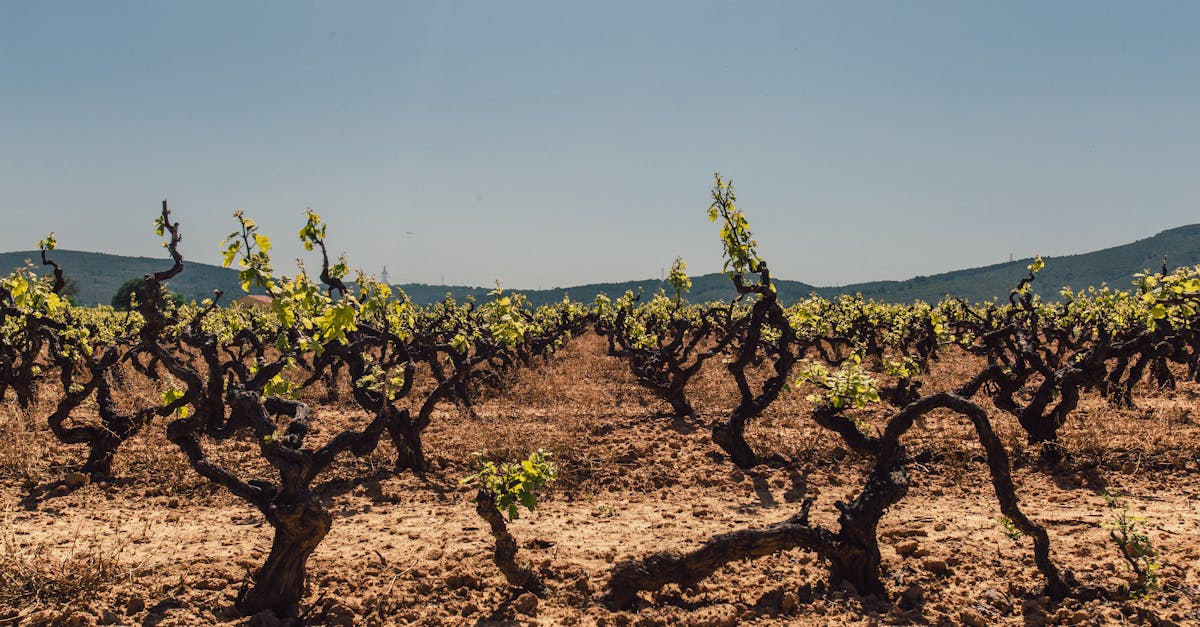
https://www.youtube.com/watch?v=C_sCsQFTNuo What impact does the Mediterranean climate have on Languedoc-Roussillon wines? The Mediterranean climate is undoubtedly a major factor in the quality and distinctive character of the wines produced in the region. Generous sunshine, warm temperatures, and dry winds—this is the winning trio that determines the ripening of the grapes. But this climate is far from uniform, which adds a touch of complexity and excitement for local wine lovers. You’ll notice that even under the same appellation label, wines can display very different profiles. This is linked to the microclimate and local characteristics. For example, vines in the Gard region often benefit from a cooler, more humid climate than those located on the Mediterranean coast of the Pyrénées-Orientales, which are more exposed to heat and wind.☀️
Guarantees optimal ripeness, it promotes the aromatic richness and sugar concentration that will give body to the wine.
🌬
The Tramontane wind dries out the vegetation, reduces the risk of diseases such as mildew, and enhances the health of the grapes.
🌡
Thermal variations:
- Cool nights, especially at higher altitudes, help maintain the acidity necessary for a perfect balance between freshness and power. But beware, this natural bounty also has its drawbacks. Global warming is now requiring adaptations: 🔥
- Earlier harvests: Ripening occurs earlier, forcing winegrowers to revise their schedules. 💧
- Increased drought: Heatwaves and low rainfall require rigorous water and soil management. 🌱
Introduction of resistant grape varieties:
- Faced with new challenges, viticultural biodiversity is enriched with varieties that require less water. Estates such as Mas des Tannes and Les Vignerons Catalans are already investing in these innovative strategies, combining tradition and respect for the environment. In this regard, a guided tour of the vineyard seems essential to fully experience this dynamic. https://www.youtube.com/watch?v=fUzb2xb6lqI ⛅ Climatic Element
- 💡 Effect on the Vine ⚠️ Associated Risks ✔️ Current Adaptations
- Intense Sun Rapid Grape Ripening Risk of Overripeness, Loss of Acidity
Early Harvest, Partial Shade of Bunches
| Reduction in Fungal Diseases | Drought, Water Stress | Irrigation Management, Adapted Cultivation Practices | Cool Nights at Altitude |
|---|---|---|---|
| Preservation of Acidity, Aromatic Delicacy | Wide Temperature Variety Variety Possible | Varietal Choice and Careful Planting | Discover the richness of French terroirs, where the diversity of landscapes and culinary traditions blend to offer unique products. Explore authentic flavors and let yourself be seduced by local crafts. Which grape varieties and wine styles define the richness of Languedoc-Roussillon? |
| The strength of Languedoc-Roussillon lies in its diversity. Here, uniformity isn’t the name of the game, but rather a wide variety of styles and grape varieties—a true playground for winemakers. Approximately 85% of production is devoted to red wines, but the whites also deserve your full attention. | Emblematic red grape varieties 🍷 | 🍒 | Grenache: |
| The heart of the terroir, it produces fruity, rounded wines with a lovely Mediterranean warmth. | 🌶 | Syrah: | Structure, spices, and floral notes brighten the wines. |
Mourvèdre:
Builds the structure of wines, extends their aging potential, and adds complexity to their aromatic palette.
💪
- Carignan: A historic grape variety, it brings freshness, character, and pronounced tannins. Whites, a revelation not to be missed 🍇 🌼
- Grenache blanc: Aromatic complexity and elegant structure. 🍯
- Roussanne: Finesse and fruity notes. 🌸
- Marsanne: Floral nose, fresh flavors, often paired with Roussanne for a beautiful pairing. 🍏
Macabeu:
- A star among naturally sweet wines, ideal for fresh and aromatic whites. The famous Domaine de l’Oriel
- and Château La Dournie are superb examples, skillfully leveraging these grape varieties to produce wines as varied as they are surprising. The freedom afforded by Protected Geographical Indications (PGI) also encourages innovation and creative blending. 🍇 Grape Variety
- 🍷 Type of Wine 🌟 Main Characteristics 🍾 Typical Estate
- Grenache Red Fruity, round, warm
Domaine Paul Mas Syrah Red Spicy, floral, structured Château Puech-Haut
| Mourvèdre | Red | Structured, tannic, ages well | Les Vins de la Vigne |
|---|---|---|---|
| Carignan | Red | Fresh, marked tannins | Château de Pique |
| Grenache Blanc | White | Complex, elegant | Domaine del Sol |
| Roussanne | White | Finesse, fruity | Mas des Tannes |
| Marsanne | White | Floral, fresh | Les Vignerons Catalans |
| Macabeu | White | Fresh aromas, ideal for naturally sweet wines | Château La Dournie |
| To deepen your knowledge of lesser-known grape varieties or discover how they express themselves elsewhere, a detour to Burgundy is a good idea; check out this article here. | https://twitter.com/sophieclaeys1/status/1847141390234378542 | How is sustainable viticulture taking root in the terroirs of Languedoc-Roussillon? | Faced with environmental challenges, Languedoc-Roussillon is a leading player in sustainable viticulture. More than a fifth of cultivated areas are converting to organic or biodynamic agriculture. This transition is far from being a simple fad; it reflects a need to preserve these fertile lands and guarantee quality wines over the long term. |
| Winegrowers are adopting environmentally friendly practices that enhance natural biodiversity and reduce the use of chemicals. For example, many favor manual tillage, increase the presence of wild grasses to protect the roots, and promote the coexistence of diverse species to balance ecosystems. | 🌼 | Organic practices: | elimination of synthetic pesticides, use of natural preparations and compost. |
| 👩🌾 | Biodynamics: | respect of lunar cycles, use of specific preparations based on plants and minerals. | 🚜 |
Sound water management: innovative techniques to limit consumption and capture moisture naturally.🔄
recovery of wood chips and grape pomace.
Pioneering estates such as
Domaine Paul Mas
- and Mas des Tannes set an example by presenting themselves as true laboratories of ecological innovation. Their commitment echoes a global trend, also visible in the Loire and Provence, where organic and biodynamic wines are gaining popularity (see more here).
- This sustainable approach doesn’t compromise quality. Quite the contrary, it often dazzles with expressive wines, imbued with the terroir and a natural freshness. Wine lovers need only play the joker card by visiting these vineyards, for example with Les Vignerons Catalans, to understand the difference. ♻️ Sustainable Practice 🌿 Description
- 🔥 Benefits for the Terroir Organic Viticulture Elimination of pesticides, natural treatments
- Living soil, better grape quality Biodynamics Respect for lunar cycles, natural preparations
Natural balance and enhanced energy resources Water Management Techniques for optimized use Resource preservation and vine health Waste recycling Valorization of wine by-productsReduced environmental impact
What are the key estates and appellations to know to discover the terroirs of Languedoc-Roussillon? Languedoc-Roussillon boasts a constellation of appellations and estates that deserve a leisurely exploration. To help you get the most out of your discovery, here are a few must-sees.
| Here’s a list of iconic estates that perfectly illustrate the diversity and richness of the terroir: | 🏰 | Domaine de l’Oriel |
|---|---|---|
| : finesse and typical expressions of the mountain terroir. | 🍇 | Château de Pique |
| : balance and power for red wine lovers. | 🌿 | Mas des Tannes |
| : pioneer of local organic viticulture. | 🍷 | Les Vignerons Catalans |
| : dynamic cooperative, a guarantee of quality. | 🌞 | Domaine Paul Mas |
: innovation while respecting tradition.
🍾
Château Puech-Haut
- : rising star of the Languedoc vineyards. 🍃 Domaine de la Baume : authenticity and respect for natural terroirs.
- 🍾 Les Vins de la Vigne : delicate blends, original notes.
- 🏞 Château La Dournie : high-quality white and red terroirs.
- 🌅 Domaine del Sol : concentrated finesse and Mediterranean freshness.
- At the same time, there are numerous appellations to consider, each with its own unique identity, including renowned PDOs such as: 🎯 PDO Corbières
- : rich and powerful fruity reds with robust tannins. 🎯 PDO Minervois
- : finesse and elegance. 🎯 PDO Faugères
- : extreme minerality thanks to the schist soils. 🎯 PDO Languedoc
- : comprehensive overview of the region. 🎯 PDO Banyuls and Maury
- : world-renowned natural sweet wines. A little tip if you want to expand your winemaking journey: a detour to the Southwest can broaden your knowledge of the terroirs of the South of France. It’s never wasted when you love stories about terroirs. 🏅 Estate/Appellation 🍷 Specialty
🌍 Associated Terroir
- ⭐ Special Feature Domaine de l’OrielReds and Whites
- Mountain (Faugères) Schist terroirs, finesseChâteau de Pique
- Powerful Reds CorbièresMarked Tannins, Freshness
- Mas des Tannes OrganicGeneral Languedoc
- Ecological Innovation Les Vignerons CatalansVaried Blends
Roussillon Committed Cooperative Domaine Paul Mas
| Elegant Reds | Minervois, Languedoc | Respect for Tradition and Innovation | Château Puech-Haut |
|---|---|---|---|
| Prestige Wines | Pic Saint Loup | Rising Star, Varied Range | Domaine de la Baume |
| Authentic | Minervois | Natural Terroir | Les Vins de la Vigne |
| Original Blends | Corbières | Expressive Notes | Château La Dournie |
| Reds and Whites | Roussillon | Consistent Quality | Domaine del Sol |
| Complex Whites | Languedoc | Mediterranean Finesse | FAQ – Everything you need to know about the fascinating terroirs of Languedoc-Roussillon |
| ❓ | What are the main terroirs of Languedoc-Roussillon? | Emblematic terroirs include Faugères, Minervois, Corbières, Pic Saint-Loup, and Banyuls, each with its own unique soils and climate. | ❓ |
| How does the Mediterranean climate influence the region’s wines? | The sun intensifies ripeness and aromas, dry winds limit disease, and cool nights help maintain a good acidity balance. | ❓ | Which grape varieties are typical of Languedoc-Roussillon? |
| Grenache, Syrah, Mourvèdre, and Carignan for the reds; Grenache blanc, Roussanne, Marsanne, and Macabeu for the whites. | ❓ | Is there a sustainable viticulture approach in the region? | Yes, approximately 19% of the area is organically or biodynamically cultivated, with constant efforts to preserve the terroir and the quality of the wines. |
| ❓ | Which wineries would you recommend for exploring the region? | Among the must-sees: Domaine de l’Oriel, Château de Pique, Mas des Tannes, Domaine Paul Mas, and Château Puech-Haut. | |
