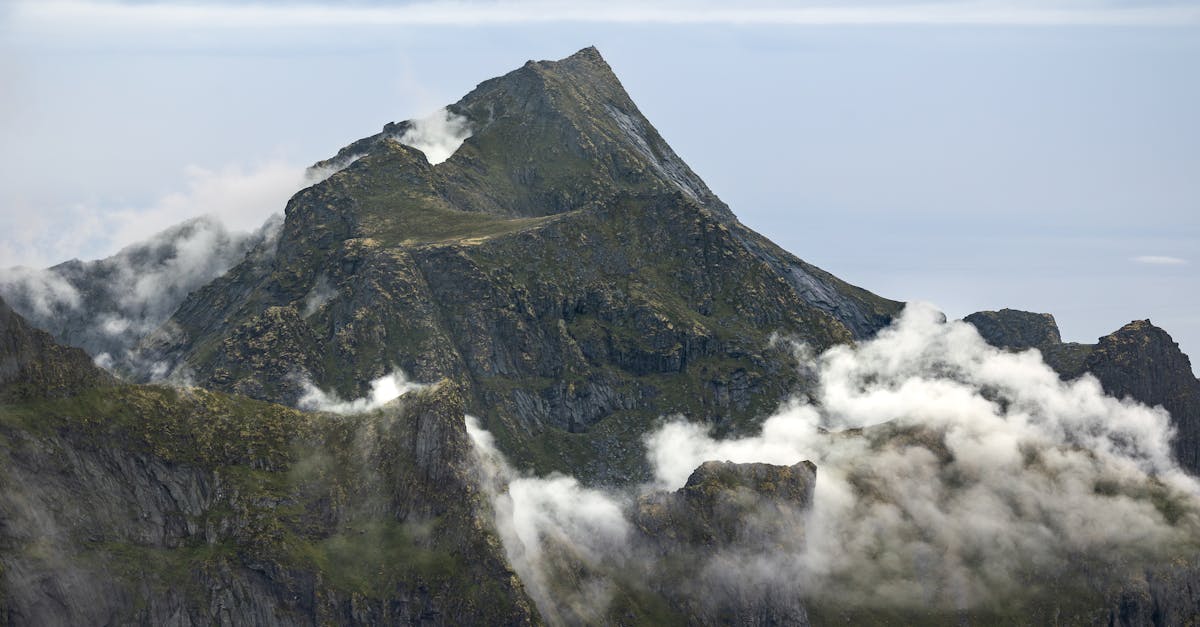
The Northern Rhône Valley isn’t just a winegrowing region; it’s a veritable theater where exceptional wines are performed! Its iconic vintages tell a rich story, enhanced by unique terroirs, flagship grape varieties like Syrah and Viognier, and near-perfect winemaking. From Côte-Rôtie to Hermitage, via Saint-Joseph and Condrieu, each appellation reveals its own unique character, blending elegance, power, and complexity. If you thought you knew the Rhône for its powerful reds, you might be surprised by the finesse and minerality of its whites, though fewer in number, but highly prized.
But be warned, the Northern Rhône vineyard is anything but simple: its steep slopes, varied soils, and climate cooled by the mistral wind make the work arduous but oh-so-rewarding. The finesse of Côte-Rôtie wines is radically different from the brute force of Cornas, while the whites of Condrieu bring an irresistible fruity freshness. More than just a guide, we’ve put together a hassle-free overview to highlight the great wines that make this unique part of the valley famous. So, are you ready to embark on a journey to the heart of the most beautiful northern appellations? Let’s discover some unmissable gems!
What are the flagship grape varieties that make the Northern Rhône Valley so vibrant?
Before diving into the heart of the matter, one step is essential: understanding which grape varieties punctuate the production of the Northern Rhône. Here, there’s no half measure: Syrah reigns supreme and imposes its personality in every red. Its taste? An explosion of spices, black fruits, and sometimes peppery notes that add zest to each sip. But beware: depending on where it grows, it can be delicate at times, particularly on the Côte Blonde of Côte-Rôtie with its light granites, or raw and wild at times, notably in Cornas or on the Côte Brune.
In short, this unique red grape variety brings a beautiful complexity to the region, without compromise. Designating Syrah as a “single grape variety” is not trivial, but some winemakers still play the balance card by adding a little Viognier to the Côte-Rôtie – a lovely white note that offers finesse and freshness. As for the whites, the palette is a little more diverse:
🌼
- Viognier : Ultra-aromatic, with apricot aromas and a rich texture, it reigns supreme in Condrieu, producing distinguished wines that can age well or be enjoyed young for their explosive fruitiness. 🌿
- Marsanne : Often blended, it produces elegant, low-acid wines, the grande dame of Hermitage whites. 🍑
- Roussanne : More expressive, it brings fruitiness, particularly notes of peach. Often combined with Marsanne, it enriches blends with textures and aromas. These white grape varieties, less numerous but perfectly mastered, finally provide that distinctive touch that highlights the delicacy of certain wines of the region, particularly the whites of Condrieu or Hermitage. We appreciate the variety of styles that gives the Northern Rhône Valley its charm and diversity.
🍇 Grape Variety
| 🍷 Wine Style | 🌍 Flagship Appellation | 🔍 Special Feature | Syrah |
|---|---|---|---|
| Red | Côte-Rôtie, Cornas, Saint-Joseph, Hermitage | Spices, black fruit, powerful tannins | Viognier |
| White | Condrieu, Côte-Rôtie (small quantity) | Apricot aromas, rich texture | Marsanne |
| White | Hermitage, Saint-Joseph | Very straightforward wines, low acidity | Roussanne |
| White | Hermitage, Saint-Péray | Yellow fruit notes, floral | To deepen your knowledge of other French wine regions, take a look at these rich and accessible resources: |
Food and wine pairings in the Loire Valley ,Choosing a good Bordeaux or even The specificities of Alsatian vineyards .Discover the wonders of the Northern Rhône Valley, famous for its enchanting vineyards and picturesque landscapes. Explore prestigious appellations, taste renowned wines, and immerse yourself in the rich culture of this unique wine region.
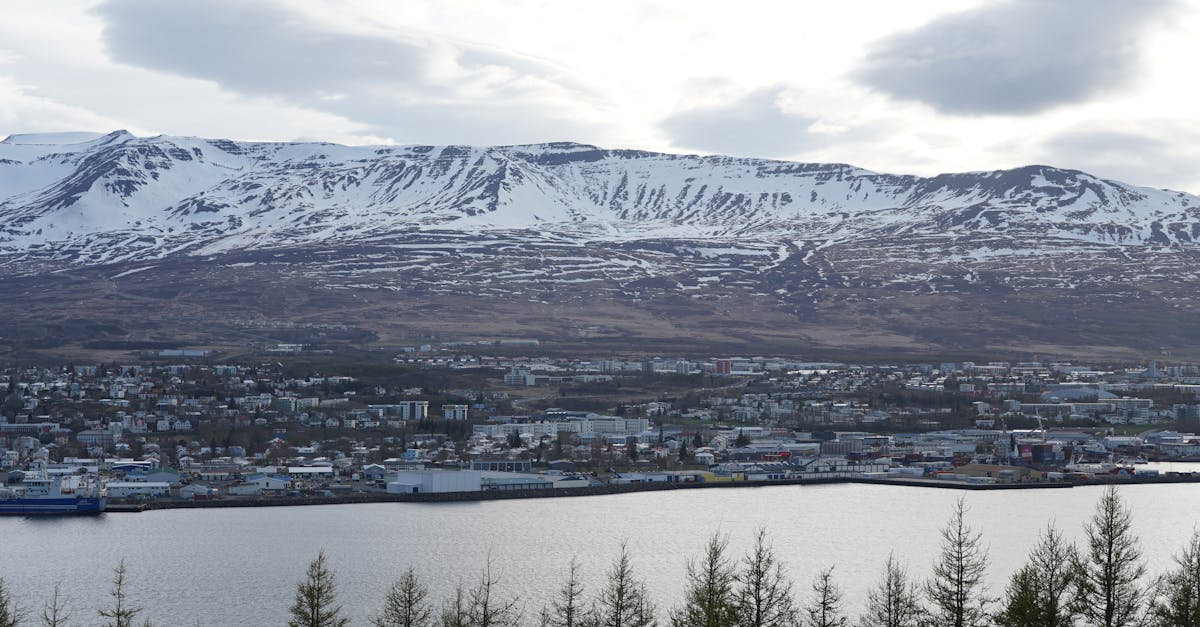
If you want to aim high and discover the gems of the Northern Rhône, here’s a comprehensive overview of the region’s must-know appellations. The vineyards, although concentrated in small areas, are brimming with riches. From the all-powerful Côte-Rôtie, with its steeply sloping terraces, to the serious Hermitage at the top of the hill, each appellation displays its own unique personality. Not to mention Saint-Joseph, Crozes-Hermitage, Condrieu, and the surprising Cornas, which shines with its intensity.
Here’s a list to help you see things more clearly: 🍷Côte-Rôtie: The most sought-after vintage, a red made from Syrah, often interplanted with a hint of Viognier. The vineyard is terraced, on slopes sometimes as steep as 60°, making production time-consuming and expensive, but the results are impressive. 🍇 Condrieu : A small white island in the region, it’s the kingdom of Viognier. A wine full of freshness and lush aromas, often best enjoyed after 3 to 4 years of aging.
🌿
- Château-Grillet : a tiny 3.5-hectare plot entirely dedicated to Viognier, within the Condrieu region, with very mineral and distinguished wines, to be kept for a long time. 🍷
- Saint-Joseph : the largest region, producing mainly powerful reds, but also excellent whites, often accessible and sometimes age-worthy. 🍇
- Crozes-Hermitage : the largest vineyard area, with slightly more accessible red wines made from Syrah, and very indulgent whites blended from Marsanne and Roussanne. 🌿
- Hermitage : the true star, recognized worldwide, with highly concentrated, tannic, and long-lasting red wines, and whites of rare finesse. 🔥
- Cornas : powerful, 100% Syrah wines, for lovers of intensity and structure, with an impressive rise in quality in recent years. 🌾 Saint-Péray
- : a little gem known for its still and sparkling white wines, fresh, fruity, and full of character. 🍷 Appellation 🔥 Main grape variety 🌄 Terroir
- 🕰️ Recommended aging 👃 Dominant aromas Côte-Rôtie
- Syrah (+ Viognier in minority) Steep slopes, granite, schist 10 to 30 years
| Black fruits, violet, spices | Condrieu | Viognier | Granite, south-facing slopes | 3 to 25 years |
|---|---|---|---|---|
| Apricot, flowers, minerality | Château-Grillet | Viognier | Narrow terraces, granite soils | 15 to 30 years |
| Complex, mineral | Saint-Joseph | Syrah (red), Marsanne, Roussanne (white) | Varied slopes, schist, granite | 5 to 15 years |
| Spices, red/yellow fruits | Crozes-Hermitage | Syrah, Marsanne, Roussanne | Plains and Hillsides, alluvial deposits, granite | 3 to 15 years |
| Red fruits, spices, flowers | Hermitage | Syrah, Marsanne, Roussanne | Granite hills, southern exposure | 15 to 30 years |
| Blackberry, spices, smoky notes (red); hazelnut, honey (white) | Cornas | Syrah | Schist amphitheater | 10 to 20 years |
| Spices, leather, black fruits | Saint-Péray | Marsanne, Roussanne | Alluvial terraces | 2 to 10 years |
| Yellow fruits, citrus fruits, flowers | To extend your immersion in France’s rich winemaking heritage, don’t hesitate to explore the specificities of Languedoc-Roussillon white wines or better understand the differences between brut and demi-sec Champagne with this very clear guide: Brut vs. Demi-sec Champagne. | https://www.youtube.com/watch?v=lnOtwtwL7JE | Why do terroir and climate shape the wines of the Northern Rhône so much? | The typical wines of the Northern Rhône Valley cannot be explained without a detour into their natural context. Here, nature leaves little room for approximations. The vines climb steep slopes, sometimes up to 60 degrees, a veritable gymnasium for the winemaker. The soil plays a key role: between granite, schist, and alluvium, each plot imprints its unique signature on the grapes. The Côte Blonde, for example, seduces with its granite, which produces fine and delicate wines, while the Côte Brune takes the crown with its iron-rich schists, producing darker and more powerful wines. |
| And what about the climate? This region boasts a clever blend of a continental climate and the decisive influence of the Mistral, a cold, dry wind that dusts off and protects the vines from disease. Not to mention the exposure, of course, where the sun beats down hard on steep slopes, allowing for a slow and gradual ripening of the fruit, contributing to the balance between acidity and power. | To better understand the combinations of terroir and climate, here are the main factors that impact the quality and character of these wines: | 🌞 | Slope exposure: promotes optimal sunshine. | 🌬️ |
Mistral wind: protects, cleanses, and strengthens the structure of the grapes. ⛰️ Granite and schist soil : provides minerality and aromatic diversity. 🕰️Slow maturation
🌍 Terroir
🌀 Climatic elements
🎯 Effect on the wine
Côte Blonde (granite)
- Mistral, direct sun on the slopes Fine, elegant wines with beautiful acidity Côte Brune (ferruginous schist)
- Strong mistral, accumulated heat Powerful, tannic wines, deep color Condrieu (southern granite)
- Optimal southern exposure, attenuated mistral Aromatic, rich, and balanced whites Hermitage (granite hills)
- Regular wind, contrasting temperatures Structured, robust, and elegant wines If the terroir is the true backdrop, the climate acts like the painter, modulating every nuance. This combination is clearly reflected in the uniqueness of the
| Rhône Valley wines | which know how to enchant the most discerning palates. To vary the pleasure, don’t hesitate to compare with other climates such as the much milder Savoie-Bugey wines: | Savoie & Bugey wine selection |
|---|---|---|
| . Discover the Northern Rhône, an iconic French wine region renowned for its powerful red wines and aromatic whites. Explore its lush landscapes and terraced vineyards, and savor exceptional vintages. | https://www.youtube.com/watch?v=li5p0hO5mNg | Which Northern Rhône estates and producers are worth a wine tourism visit in 2025? |
| The northern Rhône Valley is home not only to renowned wines, but also to genuine expertise that can be learned directly from passionate and sometimes innovative winemakers. To shake off the image of the old-fashioned estate, some offer accessible tours, full of information and conviviality. Whether you’re an enlightened wine connoisseur or simply curious, wine tourism is a real eye-opener. Here’s a non-exhaustive list of must-see stops for combining gourmet delights with discovery: | 🏰 | Domaine Pierre Gaillard |
| : Tastings of the finest vintages from Condrieu, Saint-Joseph, and Côte-Rôtie with direct access to the winery and vineyards. | 🍇 | Domaine Christophe Semaska |
| : Located in the Côte-Rôtie vineyard, its wines reflect the richness of the terroir. | 🚴 | Caveau M. Chapoutier: A cycling tour of the vineyards, combining sport and wine with a focus on sustainable viticulture. |
🌿 Domaine Lionnet: A pioneer in organic winemaking, an ideal stopover to taste a Saint-Joseph from Agriculture Biologique. 🏡 Domaine de Corps de Loup: Discover the unique history of this estate, named after the last wolf in the area.🍷
🎯 Highlights of the visit
🌟 Special features
Domaine Pierre Gaillard
- Côte-Rôtie, Condrieu, Saint-Joseph Tasting, tour of the winery and vineyards Accessibility and diversity of vintages
- Domaine Christophe Semaska Côte-Rôtie Wines of character, oenological discoveries
- Focus on terroir and tradition Caveau M. Chapoutier Hermitage, Crozes-Hermitage
- Bike tour, presentation of sustainable viticulture Wine tourism innovation Domaine Lionnet
- Saint-Joseph Organic tasting, guided tour Pioneer in organic farming
- Domaine de Corps de Loup Côte-Rôtie, Condrieu, Saint-Joseph Visit and tasting with detailed explanations
| Original local history | Cave de Tain | Hermitage, Crozes-Hermitage | Cooperative production, access to the vineyard |
|---|---|---|---|
| Commitment to sustainable development | To fully experience wine in the region, don’t hesitate to also learn about the best food and wine pairings, even in other terroirs, which can enrich your moments around the glass, like on this page dedicated to | food and wine pairings in the Loire | . |
| What food and wine pairings should you favor with the Northern Rhône wines? | You can have the best wine in the world in your glass, but if the dish doesn’t follow, it doesn’t work! Fortunately, the wines of the Northern Rhône Valley are rather generous and adapt well to many dishes. To get the right balance, here are some ideas to enhance these iconic wines: | 🥩 | Hermitage Red |
| : Perfectly pairs with prime rib or Wagyu beef, thanks to its powerful tannins and complexity. | 🦞 | Hermitage Blanc | : Enhances lobster, shellfish, and crustaceans with its notes of hazelnut and honey. |
| 🍗 | Côte-Rôtie | : Wonderful accompaniment to game dishes or spiced poultry, thanks to its aromatic richness and delicacy. | 🧀 |
| Condrieu | : Ideal with fresh, mild cheeses, such as Rigotte, emblematic of the region. | 🥘 | Saint-Joseph |
| : Pairs well with stews or white meat dishes, thanks to its balanced structure. | A few points to keep in mind: these wines take on an extra dimension with hearty, authentic cuisine. If you’re looking for good advice on wine and gastronomy, discover ideas for Savoie-Bugey wines for dishes that are truly local, or the flavors of Bordeaux wines at vin-et-chocolat.fr for a variety of pleasures. 🍷 Wine | 🍽️ Recommended Food Pairings | 🌟 Special Features |
Red Hermitage Red Rib-eye, Matured Red MeatPowerful Tannins, Longevity
White Hermitage
Lobster, Shellfish, Fine Fish
- Honey, Hazelnut Notes Côte-Rôtie Game, Spiced Poultry
- Aromatic Complexity Condrieu Fresh Cheeses, Rigotte
- Aromatic White Wine Saint-Joseph Simmered Dishes, White Meats
- Balance and Structure https://www.youtube.com/watch?v=cvhi749pp6c FAQ – Everything you need to know about the iconic wines of the Northern Rhône Valley 🍷
- What are the main grape varieties used in the Northern Rhône? Syrah dominates the reds, while Viognier, Marsanne, and Roussanne are the flagship white varieties. What is the most prestigious appellation in the Northern Rhône? Côte-Rôtie and Hermitage are often considered the region’s two greatest jewels.
Can you visit the wineries in the Northern Rhône Valley? Yes, many wineries offer tours and tastings, including Pierre Gaillard, Chapoutier, and Domaine Lionnet. How does the climate influence Northern Rhône wines? The Mistral wind, the exposure to granite slopes, and the slow maturation process give the wines their balance, finesse, and distinctive character. What dishes pair with a red Hermitage?
| Red meats like prime rib or Wagyu beef are perfectly suited to the intensity of this wine. | ||
|---|---|---|