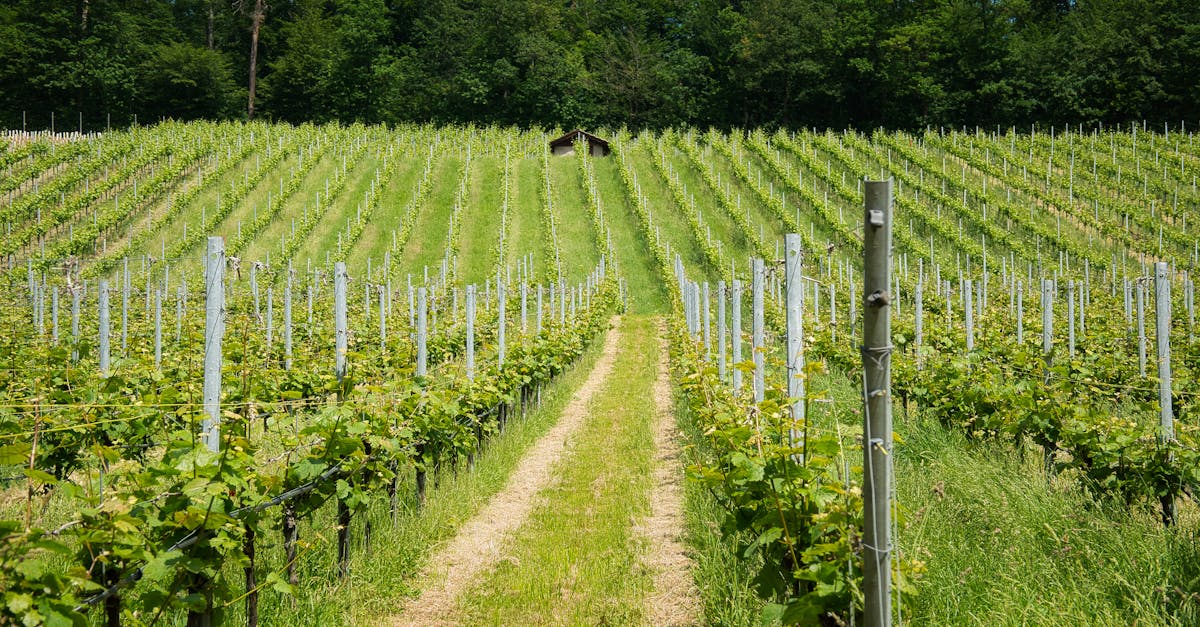
Between vineyards colored by changing foliage and the protected hillsides of the Vosges Mountains, Alsace stands out today as a region where respect for nature goes hand in hand with winemaking excellence. Here, wine isn’t just a beverage; it’s a story written in unique soils, with increased attention to sustainability and biodiversity. It’s no surprise that big names like Domaine Zind-Humbrecht, Domaine Weinbach, and Domaine Albert Mann are increasingly committed to promoting practices that are close to nature, with a genuine concern for ecological balance.
This vineyard benefits from a cool and dry semi-continental climate, ideal for growing healthy grapes with fewer chemical treatments, which significantly reduces the environmental footprint. The region’s geological diversity offers a magical palette of terroirs, reinforcing the unique character of each bottle. This diversity encourages winemakers to adopt practices that prioritize soil life and natural harmony. Moreover, organic and biodynamic methods, which are effortless yet highly effective, are spreading in Alsace, with estates like Domaine Paul Blanck and Domaine Trimbach serving as prime examples. Cultivating vineyards while taking care not to harm local wildlife, protecting pollinating insects, and promoting biodiversity have all become practically standard practice, and it’s safe to say that these efforts pay off in flavor and finesse in the glass. We invite you to delve into the ecological specificities of Alsace wine to better understand how a region can combine tradition and respect for nature, while ensuring everyone agrees on quality and taste.
Why the Alsatian climate and terroir shape a unique organic viticulture
The Alsatian terroir is a bit of a joker among French vineyards: a cold and dry semi-continental climate, cool winds from the Vosges, and an exposure that favors the sun’s rays. These weather specificities play a crucial role in the way vines are cultivated here.
When you balance all that out, you naturally have less humidity, so the vine is less prone to fungal diseases, which reduces the need for heavy phytosanitary treatments. In summary, the vine often does much better on its own, with a little natural help, without aggressive chemistry.
The ground, for its part, is not left out. It is made up of very diverse elements: schists, granites, clays, sandstone, limestone… Each plot plays its part, giving the grape a particular personality. This geological patchwork also makes it possible to adopt practices adapted to each micro-terroir, promoting the ecological balance of the vineyard.
❇️ Cold and dry climate limits treatments
- ❇️ Vent des Vosges helps with drying out the leaves
- ❇️ Geologically varied soils for more biodiversity
- ❇️ Harvests often late for perfect maturity
- Moreover, this late harvest is a real ecological asset. By staggering the harvest, we limit water and thermal stress, which promotes the overall health of the vine. The grapes take full advantage of each ray of sunshine, and the wine that comes out retains an impressive freshness and liveliness, without artifice.
Ecological factor
| Characteristic in Alsace | Impact on viticulture | Climate |
|---|---|---|
| Dry and fresh, semi-continental | Fewer diseases, fewer pesticides | Terroir |
| Varied soil (shales, granites, limestone, etc.) | Aromatic richness, specific adaptation | Exposure |
| Favorable slopes of the Vosges | Good ventilation, natural resistance | Harvest |
| Late harvest | Ideal ripeness, better balance | Discover the ecology of Alsace wines, a region that combines winemaking traditions and sustainable practices. Immerse yourself in the world of winemakers committed to environmentally friendly agriculture, while savoring unique and authentic wines. |
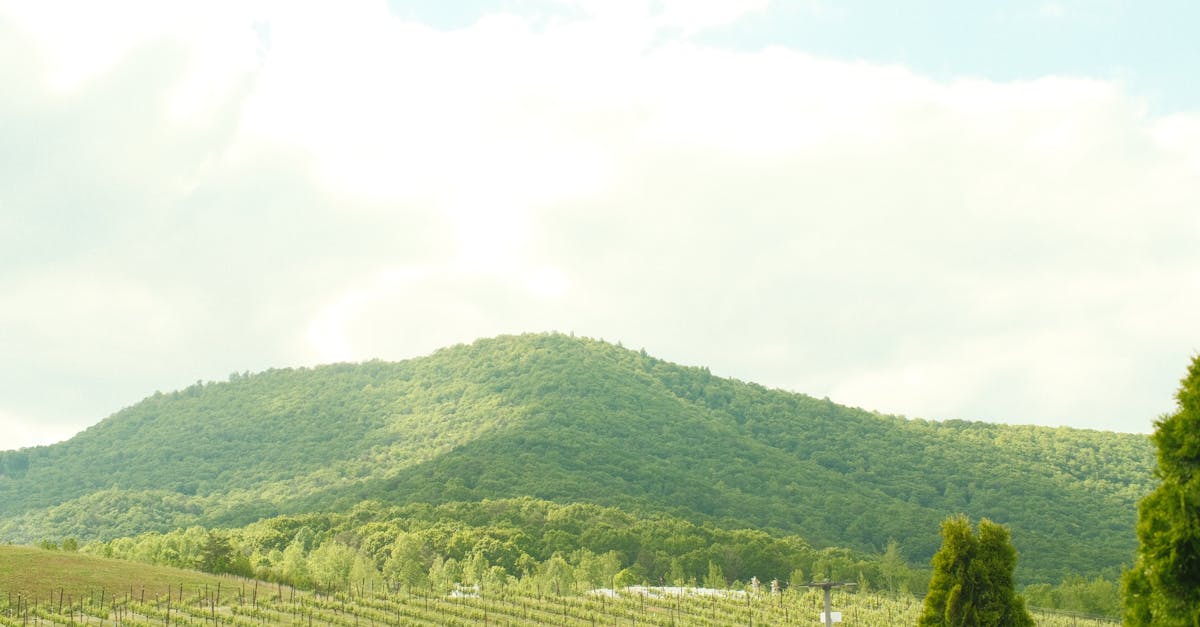
In Alsace, it’s no longer a question of being organic or not: it’s truly a way of life. Several iconic estates, including Domaine Marcel Deiss, Domaine Albert Mann, and Domaine Rietsch, are constantly refining their methods to meet the needs of nature as closely as possible.
They prioritize tilling the soil without herbicides, plant hedges to welcome beneficial wildlife (birds, predatory insects), and ensure that each vine benefits from a favorable environment to thrive. Chemical fertilizers have given way to compost and organic amendments. 🌿 Gentle pruning to preserve the plant
🌿 No herbicides, mechanical tillage
- 🌿 Biodynamic practices adopted in some estates
- 🌿 Natural protection against pests through biodiversity
- 🌿 Hand-picked for precise sorting
- This ecological approach has a direct impact on the quality of the wine. For example, at Domaine Barmès-Buecher, which combines organic and biodynamic methods, we notice a great aromatic finesse and organoleptic density that explains their international success. Their special care for the bees close to the vineyard is also a fine demonstration of their environmental commitment.
- Estates like Domaine Krier and Domaine Hugel are also part of this movement, combining modern technologies and respect for nature to offer clean, healthy wines without altering the terroir. You can explore their wines and learn more about this approach on specialized websites, for example
vin-et-chocolat.fr/atouts-vin-alsace/
. Areas Ecological practicesConsequences for the Wine
| Domaine Marcel Deiss | Biodynamic viticulture, manual tillage | Complex aromas, strong terroir identity |
|---|---|---|
| Domaine Zind-Humbrecht | Certified organic, hedgerows to protect wildlife | Rich and elegant, great precision |
| Domaine Albert Mann | Organic fertilizers, integrated pest management | Balanced wines, long natural aging potential |
| Domaine Barmès-Buecher | Biodynamics and beekeeping | Intense flavors, respect for bees 🐝 |
| https://www.youtube.com/watch?v=bBjgUlT_XOk | What are the characteristics of organic and biodynamic wines in Alsace? | In recent years, organic and biodynamic wine has been gaining impressive momentum in Alsace. This ecological shift goes far beyond a simple label: it embraces a profound philosophy that overturns traditional logic. Committed winemakers rely on natural practices to improve vine resilience, soil health, and grape quality. |
🍇 Vines that are not chemically treated, with soil management using organic fertilizers
🍇 Biodynamics that incorporate lunar rhythms and promote overall balance
🍇 Manual harvesting to select grapes at perfect ripeness
- 🍇 No chemical additives during winemaking
- 🍇 Wines that often reveal purer aromas and a beautiful freshness
- This movement is gaining notoriety with pioneers like Domaine Weinbach and Domaine Paul Blanck, who demonstrate that it is possible to work without pesticides while still producing high-end wines. This trend offers a smart, indulgent experience that is unanimously appreciated by wine lovers. Wine Type
- Growing Method
- Ecological Benefits
Taste Profile
| Organic Wine | No chemical pesticides, living soils | Less impact on nature | Frank aromas, freshness |
|---|---|---|---|
| Biodynamic Wine | Respect for the cosmic cycle, compost | Balanced ecosystem, less stress for the vine | Aromatic complexity, purity |
| 🔍 To unearth these ecological treasures and taste these exceptional wines, you have the option of | buying Alsace wine online | or visiting the best specialist wine merchants throughout Alsace and beyond, detailed at | vin-et-chocolat.fr/meilleurs-cavistes-vin-alsace/ |
. Let’s find a wine that dazzles the eyes while respecting the planet.https://www.youtube.com/watch?v=LbYJ4igQffw The role of biodiversity and insects in the ecological quality of Alsace wine Without these little creatures, we certainly wouldn’t have this wine with such freshness and such a rich aromatic palette. Here, biodiversity reigns supreme and provides a natural boost to the Alsatian vineyards. We often talk about bees, of course, because they pollinate, but local wildlife also helps fight pests without resorting to chemicals that damage everything.Estates like Domaine Krier and Domaine Hugel have long understood that maintaining birdhouses, planting hedges, and preserving soils rich in local microorganisms is a real ecological lever. They thus protect the fragile balance that creates the great wines of tomorrow.
🦋 Precious butterflies and beneficial insects
🦉 Predatory birds that regulate pests
🌱 Ground cover plants and hedges that promote biodiversity
- These natural elements work like a well-oiled team, avoiding pesticide-related disasters. The soil remains alive, the vines are more resilient, and the wines gain in complexity. This symbiosis, rare elsewhere, is part of the charm and success of Alsatian wine. Species
- Ecological Function
- Impact on Vines
- Bees 🐝
Pollination of Wildflowers
| Promotes Plant Diversity and Balance | Butterflies 🦋 | Regulation of Certain Pests |
|---|---|---|
| Limits Diseases and Damage | Birds 🦉 | Pest control |
| Reduces pesticide use | Hedges and plants 🌱 | Natural habitat for biodiversity |
| Maintains rich, living soil | These ecological initiatives are increasingly visible if you go on | wine tours in Alsace |
| . You can discover how these wineries respect living organisms and are committed to a sustainable future, without overthinking but with great passion. | Discover the ecology of Alsace wines: a perfect fusion of winemaking traditions and sustainable practices. Explore how Alsatian winemakers preserve their terroir while producing exceptional quality, environmentally friendly wines. | How to choose and taste an eco-responsible Alsace wine without making a mistake |
So, you’re convinced that ecology is a real plus for Alsace wine. But how can you sort through all the bottles? First of all, choose wineries that clearly display their eco-responsible practices. For example, some, like Domaine Rietsch or Domaine Zind-Humbrecht, don’t do things by halves and communicate openly about their commitments. Then, to get it right:✔️ Look for the organic or biodynamic label on the bottles
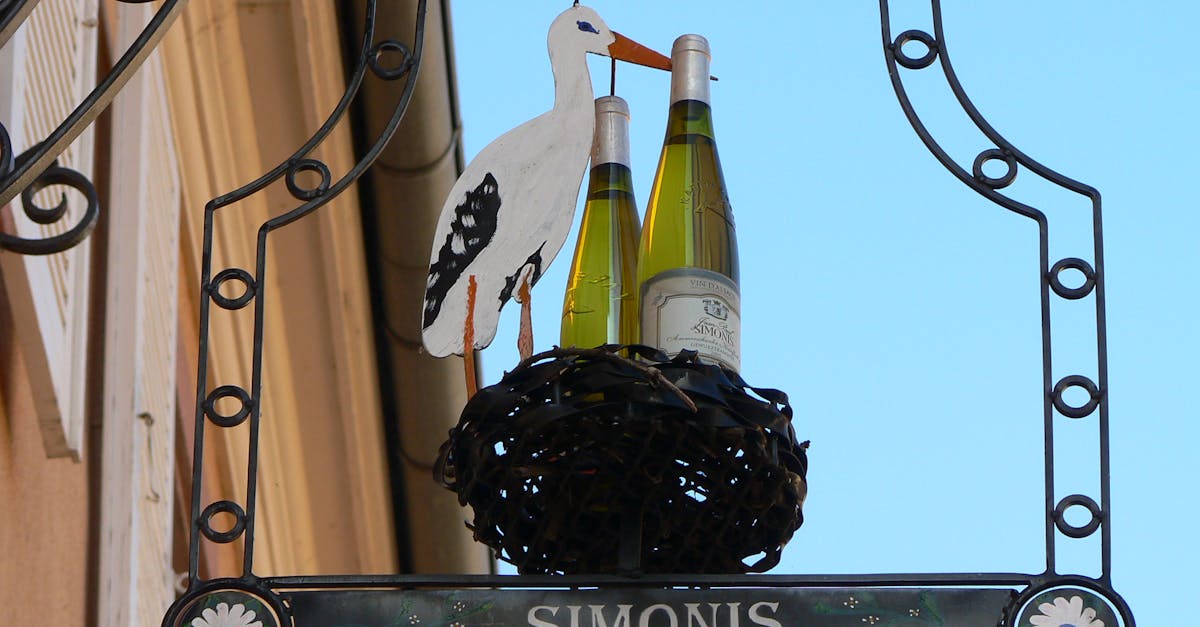
✔️ Choose wines from prestigious appellations like Alsace Grand Cru
✔️ Consult specialized guides or wine merchants to unearth gems
Don’t hesitate to try different vintages, such as a Riesling from Domaine Trimbach or a Gewurztraminer from Domaine Paul Blanck, to compare their profiles. The important thing is to remain curious and open-minded, as these wines are full of surprises for your taste buds.
- To complete the experience, know that knowing how to pair an eco-responsible Alsace wine is also crucial. To enhance this type of elixir, pair it with, for example:
- 🐟 With a white fish dish for a crisp Riesling
- 🥩 Pair with white meat for a full-bodied Pinot Gris
- 🍰 For dessert, a Gewurztraminer is a perfect option
🥂 For an aperitif, opt for a sparkling Crémant d’Alsace
You can learn more about these pairings in a dedicated article on
- vin-et-chocolat.fr/deguster-vin-alsace-2/
- and find out where to buy these wines at
- vin-et-chocolat.fr/acheter-vin-alsace-2025/
- , a real goldmine. Finally, to easily find what you’re looking for, don’t hesitate to visit supermarkets, where expert advice awaits you, detailed at
vin-et-chocolat.fr/choisir-vin-alsace-supermarche/ . Criteria How to identify eco-responsibility Why it’s importantOrganic/biodynamic label Official logo on labelGuarantee of sustainable practices
| Hand-harvested | Statement on technical sheet | Better sorting, respect for the vine |
|---|---|---|
| Grand Cru appellation | Indication on bottle | Recognized terroir, meticulous work |
| Wine merchants’ opinions | Professional suggestions | Guidance towards the best vintages |
| FAQ on the ecological specificities of Alsace wine | Which Alsatian estates are leaders in organic viticulture? | Estates such as Domaine Zind-Humbrecht, Domaine Marcel Deiss, and Domaine Weinbach are often cited for their organic or biodynamic commitment. |
| Why does the Alsatian climate favor more ecological viticulture? | The cool, dry climate limits disease, which greatly reduces the use of pesticides and other chemicals. | How can you recognize an organic or biodynamic Alsatian wine in the cellar? Look for certified labels and prioritize information about hand-harvesting and sustainable practices. |
Do these practices really influence the taste of the wine?
- Yes, they often produce more expressive wines, with greater aromatic purity and a distinctive freshness.
Can you visit environmentally responsible vineyards in Alsace? Absolutely, tourist circuits offer walks in environmentally friendly vineyards, as indicated onvin-et-chocolat.fr/circuits-touristiques-vin-alsace/ .