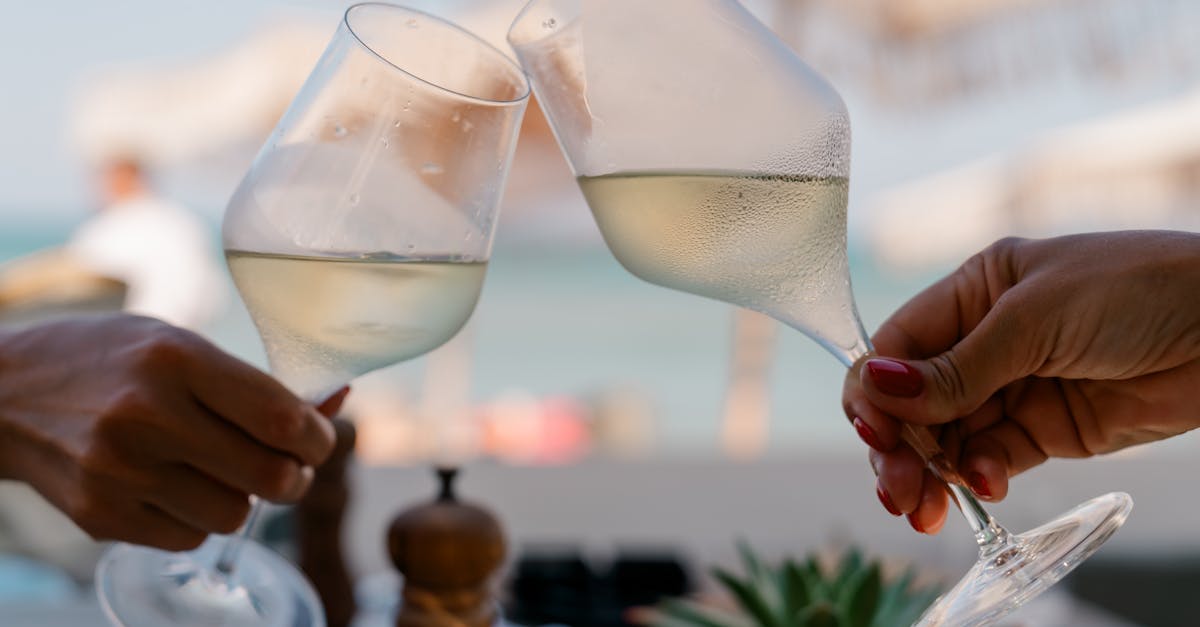
If you are a fan of wines from the South-West, you have inevitably heard of Madiran, this powerful and typical red wine which knows how to delight your taste buds! Cultivated on the Pyrenean hillsides, it captivates with its robustness and assertive character. But what do we really know about the secrets of its aromas and its terroir? Between millennial history, dominant grape variety and modern know-how, Madiran wine is a true concentrate of authenticity. We have put together this hassle-free guide so that you can decipher its particularities without getting lost in the technical details. Let’s discover together why this wine is so special, as well as the best pairings to savor it fully, without forgetting some curiosities and anecdotes that should delight you.
The Madiran vineyard extends mainly in the Gers, but also in the Hautes-Pyrénées and the Pyrénées-Atlantiques, areas with an oceanic climate slightly influenced by the continent. Its clay-limestone and molasses soils give it a unique range, which not every appellation has. It is clearly this cocktail of terroir-climate-care of the winegrowers which transforms the tannat into a dry, full-bodied red wine, with well-marked tannins, but also a beautiful liveliness. If you are looking for character, estates like Château Montus or Château Bouscassé will appeal to you.
Moreover, Madiran is a wine that likes to age well, and vintages like 2005 or 2000 are very sought after today. Whether for a traditional dinner or a more eccentric meal, this wine surprises and accompanies multiple dishes. Would you like to know more about its grape varieties, its tasting or its conservation? Here we go, we’ll take you to dive into the flavors of Madiran 🔥!
What unique terroir gives all its power to Madiran wine?
The secret of Madiran lies first and foremost in its terroir, a clever blend of climate, soil, and history. This vineyard, nestled at the foot of the Pyrenees, benefits from an oceanic climate that nevertheless receives a slight continental boost. The result? Mild winters, hot but not sweltering summers, and, above all, cool nights, ideal for preserving the freshness of the grapes. This climatic alliance allows the vines to grow very well, while developing intense aromas.
The soils play a key role in the distinctive character of Madiran. You’ll find mainly clay-limestone molasses, in other words, sedimentary layers rich in clay and limestone, sometimes accompanied by boulbènes, which are sandy-silty clays. This composition provides drainage while retaining enough moisture to nourish the vines without saturating them. Sandy pockets and pebbles can be added to enhance the wine’s mineral character. With all these elements, Madiran is part of a great winemaking tradition dating back to Roman times. This is no mere legend: the Benedictine monks of the 11th century contributed greatly to the spread of this culture, especially through their monastery in Marcilhac. They had already mastered vine-care techniques designed to extract all the richness of the terroir. 🌞
Climate:
- Oscillating between oceanic and continental 🌱 Soils:
- Clay-limestone molasses, boulbène clays, sand, pebbles 🕰️ History:
- Vineyard created by the Romans, developed by the monks 📍 Geography:
- Foothills of the Pyrenees, Gers, Hautes-Pyrénées, Pyrénées-Atlantiques Characteristic Factor
| Impact on the wine | Oceanic climate with continental influence | Hot summers and cool nights |
|---|---|---|
| Maintains good acidity and develops intense aromas | Clay-limestone and boulbène soils | Controlled drainage and rich mineral content |
| Strong tannic structure and aromatic complexity | Ancient History | Viticultural Practices Refined Since the 11th Century |
| High Quality and Authenticity of Wines | Discover Madiran wine, a jewel of the vineyards of southwest France, renowned for its rich aromas and tannic structure. Ideal for pairing with gourmet dishes, this wine offers a unique experience that will delight connoisseurs and novices alike. | Emblematic Estates that Capitalize on the Terroir |
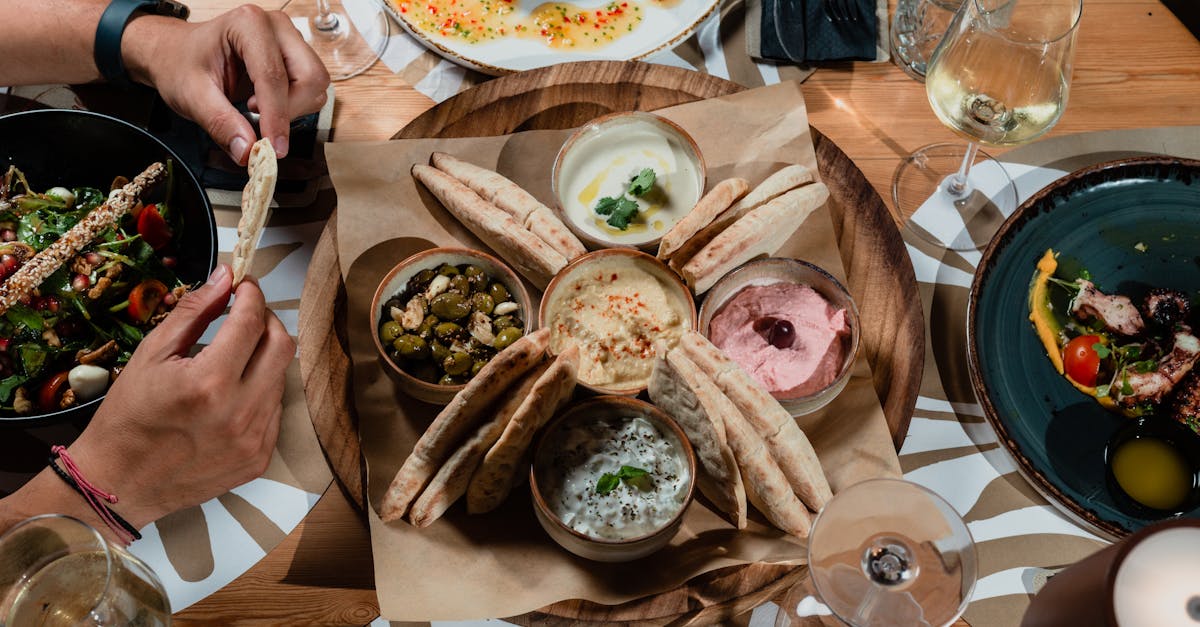
Domaine de Duran and Domaine Marjorie also bring their own personal touch, focusing on a more sustainable or biodynamic approach, favoring the natural and sometimes wild expression of the terroir. The Cave de Plaimont, for its part, works in groups to unite small producers and ensure consistent quality.
Don’t miss the discoveries of Château Aydie, Domaine de la Baïse, or Vignobles de Bénac, all working to keep Madiran on the list of the region’s must-have wines. Château de Crouseilles and Domaine de Pichard confirm that each corner of this terroir has its own style, but always shares the same strength of character that keeps Madiran standing. Estate
Specificity
Wine Style
| Château Montus | Very powerful and world-renowned wines | A wine for laying down, full-bodied, intense |
|---|---|---|
| Château Bouscassé | Balance between strength and elegance | Accessible, powerful yet fresh |
| Domaine de Duran | Biodynamic practices, respect for the terroir | Natural, distinctive wines |
| Cave de Plaimont | Union of small producers | Consistent quality, diversity |
| https://www.youtube.com/watch?v=pcvYTBMLK2w | Which grape varieties make up Madiran red wine, and how do they influence its flavors? | First of all, remember that Madiran is a 100% red wine, with a single main grape variety: the famous |
. It is the undisputed king of this appellation, providing all the tannic structure of the wine. In addition, up to four secondary grape varieties can be found, adding suppleness and providing greater aromatic complexity.
These complementary grape varieties are: 🍇Cabernet Franc:
adds fruity and floral notes and a touch of freshness
- 🍷 Cabernet Sauvignon: offers a bouquet of black fruits and a welcome roundness
- 🍃 Fer Servadou (or Braucol): adds a herbaceous and spicy touch
- Tannat, native to the Pyrenees, is a very tannic grape variety, giving Madiran its reputation as a powerful and full-bodied wine. However, winemakers know how to harness this potential to obtain silkier tannins thanks to a good harvest, controlled vinification, and harmonious oak barrel aging. This mastery produces a wine with complex aromas of black fruits (blackberry, blackcurrant), often accompanied by notes of licorice or cocoa. Grape Variety Origin
Contribution to the Wine
| Tannat | Pyrénées (France) | Powerful tannins, structure, aging potential, black fruits |
|---|---|---|
| Cabernet Franc | Southwest France | Fruity, suppleness, floral aromas |
| Cabernet Sauvignon | Bordeaux (France) | Roundness, red-black fruits, aromatic richness |
| Fer Servadou | Gironde (France) | Herbaceous notes, spices, finesse |
| The proportion of each grape variety in the blend varies depending on the estate, but Tannat must always be the majority, from 40% to 80% minimum. 100% Tannat wines also exist and are among the most full-bodied and distinguished. Some estates, such as Domaine de Pichard and Château Aydie, take this purity to the extreme to better express the raw character of this grape variety. | Would you like to learn more about the grape varieties of the Southwest and their subtleties? You might want to take a look at this helpful article, which decodes the major grape varieties of Southwest wine. | Discover Madiran wine, a curiosity from the southwest of France, renowned for its powerful aromas and tannic structure. Ideal for pairing with rich dishes, this red wine reflects a unique terroir and ancestral expertise. Immerse yourself in the world of Madiran wines and savor the authenticity of local grape varieties. |
The role of winemaking in revealing flavors
Madiran not only grows grapes in a good terroir; it also derives its prestige from well-organized winemaking methods. Aging in oak barrels, for example, helps soften the tannins, making the wine more supple and gourmet. Furthermore, to fully develop its aromas, the wine is often left to mature on fine lees. Aerating in a carafe before tasting is also a recommended tip, especially for younger vintages. It works quite well to reveal the full range of red fruits and spices. To discover how to maximize your tasting experience, take a look at this article on the flavors of Southwest wines.With this excellent foundation, winemakers like those at Domaine Marjorie and Château de Crouseilles refine their work to present wines that are sometimes rich, sometimes powerful, but always elegant and well-balanced.
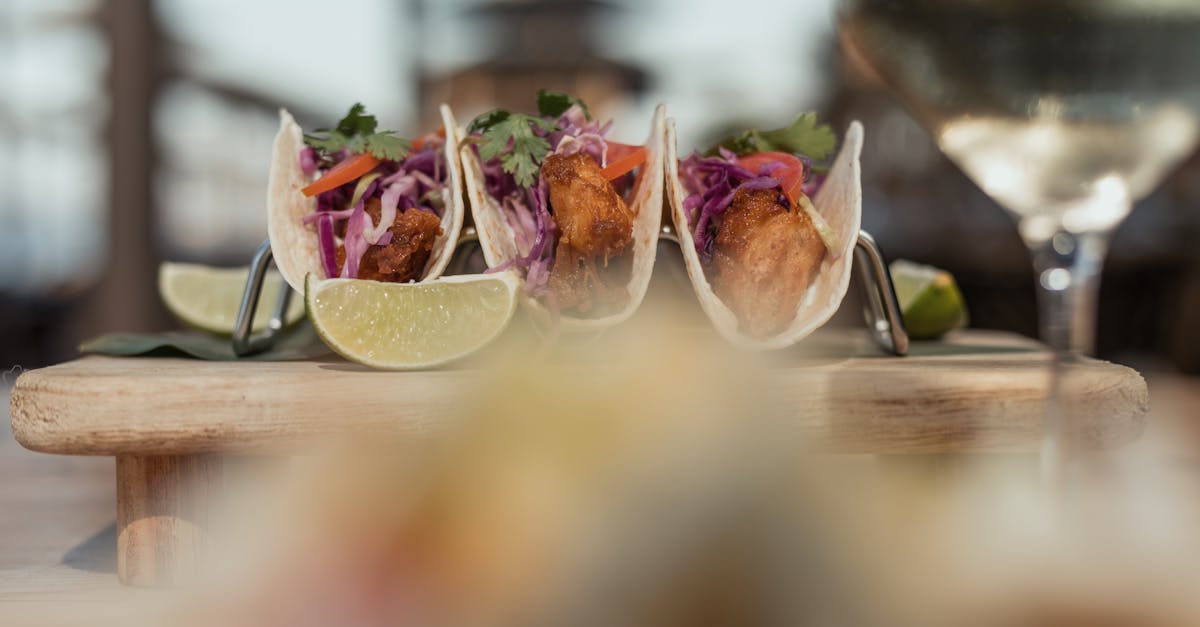
What are the must-try vintages and how to properly store Madiran?
In 2025, when we talk about Madiran, we also think of its aging potential, which can appeal to lovers of fine wines. There are many vintages to remember, but some truly stand out.
🏅 2005:Nicknamed the “Millennium Vintage,” it boasts impressive concentration and beautiful complexity.
🌟
An exceptional, very balanced vintage that can still be enjoyed today.
🍷
- 1961 and 2009: Excellent vintages, highly sought after by collectors. ✅
- Other great vintages: 1966, 1978, 1982, 1989, 1990, 1995, 1998, 2004 This aging potential, which can vary from 5 to more than 15 years depending on the quality of the vintage and its maturation, makes Madiran a wine to be treasured. Proper storage in a cellar or wine cabinet is essential to get the most out of it. Vintage
- Category Notes & Characteristics 2005
- Millennium Vintage Intense concentration, exceptional longevity, aromatic richness 2000
Exceptional Vintage
| Perfect balance, finesse, and power | 1961, 2009 | Excellent Vintage |
|---|---|---|
| Finesse, complexity, great finesse | 1966 to 2004 | Very Great & Great Vintage |
| Stable quality, good aging potential | For storage, favor a stable temperature between 12°C and 14°C, a humidity level around 70%, and total darkness to best preserve the wine. Also beware of vibrations and odors that could alter its quality. Without a cellar, a good-quality aging wine cabinet works wonders, especially if it controls temperature, humidity, and light. | With all these precautions, you’ll make the enchantment last longer than expected! For more information on storage and vintages, feel free to browse this article on red wine and storage. |
| How to serve and pair Madiran to bring out all its flavors? | Serving a Madiran requires a little attention to fully enjoy it. Ideally, the serving temperature is between 14°C and 16°C. This allows for all the aromatic richness to be brought out without masking the freshness. A Bordeaux-style glass, large enough to allow for aeration, is ideal. As for the quantity, we recommend 15 cl for a smooth pour. | If you have a young wine, especially one aged in wood, decanting is highly recommended. It helps soften the tannins and release the aromas. A simple trick: light the bottle with a candle as you pour into the carafe to avoid spilling sediment into the glass and ruining the tasting experience. Conversely, for an older wine, decanting should be gentler and preceded by a few hours of quiet time. 🥩 |
| Meat Pairings: | Grilled beef, duck, game 🦌 | 🧀 |
Cheese:
Ossau-Iraty, blue cheese, Pyrenees cheeses 🧀 🍝Main Dishes:
Mushroom risotto, pasta dishes 🍄
🌶️
Exotic:
- Chicken curry, tagines, and sweet and savory dishes 🥘 🍫 Desserts:
- Intense cocoa cake — here, discover the perfect pairing between Southwest French wine and chocolate!
- These varied pairings demonstrate that Madiran is truly a powerful yet versatile wine, ideal for surprising guests. Curious? Offer it as an aperitif with a typical Southwest charcuterie board to whet your appetite without fuss. Discover Madiran wine, a treasure of the appellation in southwest France. Made from tannic grape varieties, this full-bodied red wine reveals rich aromas of black fruits and spices. Perfect with grilled meats and dishes with sauce, Madiran is a must-have for wine lovers. Best practices for optimizing your tasting experience
- To achieve the perfect result, don’t neglect preparation. Decanting remains your best friend when the wine is young. On the other hand, an older wine deserves gentle corkscrewing, or even slow aeration. As for the temperature, keep it slightly cool but not too cold, always. You can also accompany the tasting with a little history or anecdotes about the Madiran appellation to fully appreciate it. The richness these wines exude is rooted as much in the terroir as in the local culture. How does it differ from other wines from the Southwest, particularly Pacherenc du Vic-Bilh?
- It’s important not to confuse them, especially if you’re new to the region. Madiran and Pacherenc du Vic-Bilh sometimes share similar terroirs, but their profiles are radically different. Madiran is the typical red wine, robust and full-bodied. Pacherenc du Vic-Bilh, on the other hand, is a white, which can be dry or sweet, very aromatic and fresh. This diversity perfectly illustrates the richness of the Southwest wine region. The vineyards are home to nearly 44 different appellations, such as Bergerac, Cahors, and Gaillac, each exploring a unique style while united in the same quest for quality. Appellation Type of wine Main characteristics Madiran
Red wine
Pacherenc du Vic-Bilh
White wine
Fruity, dry or sweet, floral notes, fresh acidity
Bergerac
Red, white, rosé
Versatile, fruity, accessible
| Cahors | Red wine | Intense, tannic, prune notes |
|---|---|---|
| To better explore the full range of Southwest wines, | this guide to the Southwest wine regions | is an excellent starting point. |
| https://www.youtube.com/watch?v=biaFbPAF4WA | A final look at the key figures and labels | Like all quality wines, Madiran is subject to strict regulations. It has been awarded the AOC label since 1948 and the European AOP label, guaranteeing production within a precise framework of quality and tradition. The vineyard currently covers approximately 1,300 hectares, dedicated exclusively to red wine. |
| ✅ | Labels: | AOC Madiran, AOP Madiran |
| 📍 | Area: | 1,300 hectares in the Gers and Pyrenees |
🍇 Red wine exclusively, 100% still wine 📅
minimum 1 year before release
Estates such as
- Vignobles de Bénac or Domaine de la Baïse
- care for this heritage with passion, each bottle telling a beautiful story. Would you like to discover other gems? Also discover the flagship flavors of Southwest wines, so everyone can agree on a wine without any hassle. Practical FAQ on Madiran wine 🍷
- What are the best vintages to invest in Madiran? The most exceptional remain 2005, 2000, 1961, and 2009. These are benchmark vintages that age magnificently well.How to choose a glass to enjoy a Madiran?
- Choose a large, rounded Bordeaux-style red wine glass, which allows for aeration and diffusion of the aromas. Does Madiran pair well with chocolate? Absolutely! It pairs wonderfully with intense dark chocolate, especially certain desserts with a strong cocoa content.
Is it advisable to decant a young Madiran? Yes, decanting helps temper the tannins and release its aromas, a real plus for serving. How long can Madiran be cellared? On average, it can be aged for 5 to 15 years, but very good vintages can be kept much longer, sometimes for more than 20 years.