
In the South of France, the Provence region is home to iconic wines, renowned for their freshness and authenticity. But preserving these precious wines in the best conditions isn’t enough. Storing wine, especially a wine from Provence, requires precision, careful temperature and humidity management, and organization designed around the available space. Whether you’re a fan of Château Sainte Marguerite, passionate about the vintages of Domaine Tempier, or a fan of the discoveries of Mas de Cadenet, a good storage method makes all the difference.
We’ve all heard the cliché of cool, humid cellars, but in 2025, technology and home tips have become more widespread, giving everyone the opportunity to transform their living room into a true wine sanctuary. From choosing where to place bottles to the best orientation to avoid cork taint, from custom storage to modern equipment, this guide explores all aspects of optimally preserving Provençal wine. There is no question of creating complications: the idea is to guide you towards simple solutions, adapted to your home, while highlighting the gastronomic richness and delicacy of the wines from Château Montaud or Domaine de la Brillane.
Along the way, we’ll also address issues related to space and lighting, with a nod to current trends for storing bottles in living rooms or small apartments, because yes, we can all enjoy a cellar even without a basement. And when it comes to nuances and aromas, every detail counts. It’s all about juggling tradition, local know-how, and practical innovations to ensure that Provence wine retains all its magic until the moment it’s served. Ready to discover how to master these techniques? We’ve put together this guide that’s worth sharing.
Why Storing Provence Wine Bottles Lying Down Is the Best Tip
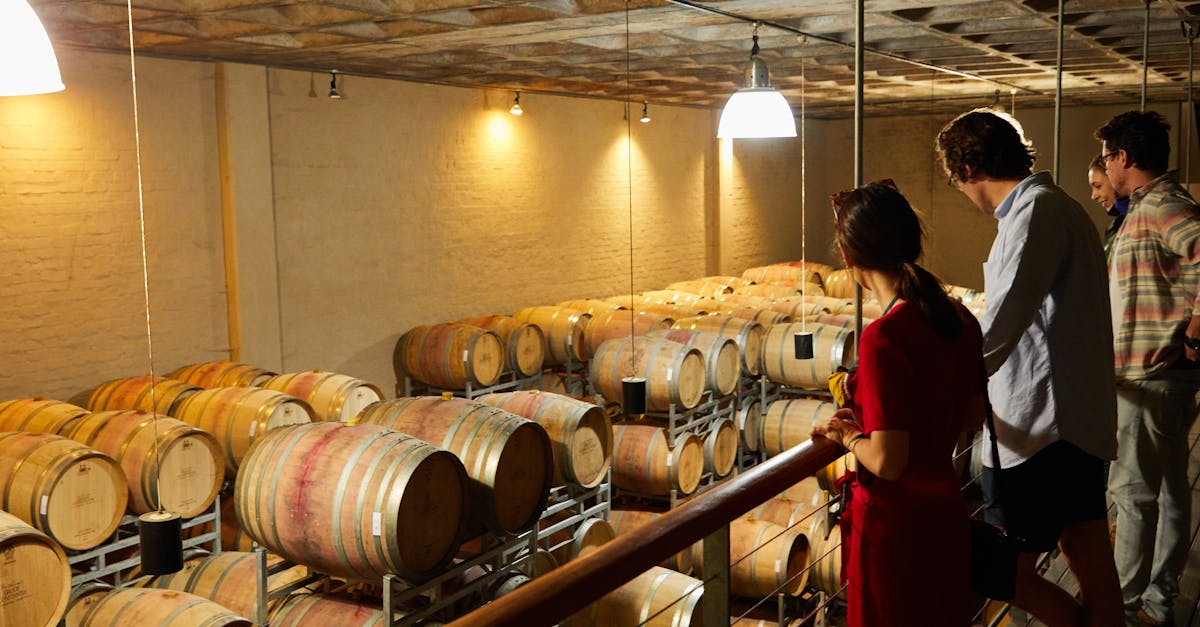
We can’t stress it enough: Laying your bottles down is a must for anyone who wants to keep a Provence wine in top shape. In a horizontal position, the wine remains in contact with the cork, an essential condition to prevent the cork from drying out and letting air through. Imagine this: a cork that’s too dry shrinks, cracks, and shortens the life of your wine, even if it comes from renowned estates like Domaine de la Mordorée or Château de Pibarnon.
Contact with the liquid maintains a good natural humidity inside the cork. This ensures its sealing function, preventing both premature oxidation and foreign flavors from infiltrating your wines. This simple technique truly acts as a safeguard against the risk of spoilage.
Another less aesthetic but equally appreciated advantage: horizontal storage optimizes space, a real plus when you don’t have a large wine cellar. This allows you to line up and stack bottles of Château Sainte Marguerite or Domaine Houchart without hassle, and it’s perfect for wine lovers who like to vary their wine pleasures without adding miles of storage space on the floor or walls.
Here’s a quick reminder of the benefits of horizontal storage:
- 🍇 Keeps the cork moist: prevents it from drying out and ensures a tight seal. 🧀
- Maximum preservation of aromas thanks to a good seal. 📏 Space saving thanks to a more compact layout.
- 🛡️ Reduced risk of oxidation and cork taint. 🔍
- Easy organization for quickly reading Provence wine labels. Storing wine side by side with the cork in contact with the wine is, above all, a long-term approach. Whether it’s a light rosé from Mas de Cadenet or a more structured red from Château Montaud, they all deserve this attention. Layout Main Benefit
- Impact on the Wine Horizontal Keeps the cork moist
Preserves the quality and taste of the wine over the long term 🍷
| Vertical | Immediate visibility on the label | Risk of cork drying out and rapid oxidation ⚠️ |
|---|---|---|
| Discover the art of wine storage with our tips and solutions to preserve the quality of your bottles. Learn how to create an ideal environment for your precious wines, so they age in the best conditions. | The Ideal Conditions for Storing Provence Wine: Temperature, Humidity, and Darkness | Provence wine is quite sensitive to the factors surrounding it. To aim correctly and preserve all the flavor of the wines from Domaine de la Brillane or Château de Pibarnon, the |
| temperature | , | humidity |
light
become the three key elements to master. To put it simply, we’re trying to replicate the conditions of a real, authentic cellar, but without the hassle. Consider the temperature: it must be cool and, above all, stable. Between 10 and 14°C (50 and 57°F), this is the sweet spot that works best. It sounds simple, but beware of excessive differences. A burst of heat, a burst of cold, and the wine can lose its finesse. In 2025, control systems have become more widespread, so it’s best to opt for a precise thermostat for your wine cellar or dedicated cabinet.Then, humidity follows the same pattern: around 70%. Too dry, it dries out the cork; too wet, it invites mold to take root—and that’s not what we want. Good ventilation and a hygrometer are therefore essential allies for maintaining the perfect balance.Finally, forget harsh light, especially sunlight! Light degrades the color and aroma of wines, especially rosés and whites, which make up a significant portion of the production—think of the delicate vintages from Domaine Tempier. Therefore, a dark corner is essential, or at least soft, indirect lighting. Here is a summary table of optimal conditions: Condition Recommended Value
Consequences if not observed
Temperature
10-14°C
Loss of aromas, accelerated aging ⚡
| Humidity | ~70% | Drying of the cork or mold 🤢 |
|---|---|---|
| Light | Darkness or low light | Alteration of color and aromas ☀️🛑 |
| Among practical solutions, in the absence of a traditional cellar, consider using a | wine cabinet | or even a high-performance wine refrigerator, like some models available today. They perfectly replicate these conditions and provide valuable stability, especially when space is limited. https://www.youtube.com/watch?v=1aa8ToXtS7I |
| Discover the best storage solutions for your wine. Learn how to preserve the quality of your bottles with practical advice and options suitable for all wine enthusiasts. | How to choose the best location for your Provence wine, even without a wine cellar | Don’t live in a house with a vaulted cellar? No worries, there are plenty of ways to create a dedicated corner for Provence wines, even in an apartment. The most important thing is to find a place that combines the right conditions discussed earlier: stable temperature, darkness, and controlled humidity. |
Here are some tips for finding the perfect spot: 🏠 Cupboards or rooms with little light, such as under the stairs, where it’s naturally cool.
Install a dedicated wine cabinet
with integrated temperature and humidity control.
🕶️
- Avoid areas with vibrations near appliances or high traffic.🌡️
- Monitor regularly with a thermometer and hygrometer to adjust as needed. Here’s a table to compare storage options in the absence of a wine cellar:
- Option Strengths Limitations
- Dark cabinet Accessible and often naturally cool May lack precise humidity control
- Modular wine racks Space optimization and easy organization No temperature or humidity control
Wine cabinet
| Optimized temperature and humidity control | Initial investment, may take up space | For example, certain models like the CLIMADIFF CC18F service cellar or the GIANTEX Angle cabinet are acclaimed for their reliability without breaking the bank. These pieces of equipment perfectly showcase the Provençal terroir and the bottles from Domaine de la Mordorée by providing them with a fitting setting. To learn more about the layouts, also check out this practical guide for wine storage. |
|---|---|---|
| https://www.youtube.com/watch?v=gjL_UJiQHiE | When the ideal conditions are met, you can let your preciously acquired wines age peacefully, waiting for the right moment to open them… | Preparing your bottles for optimal aging: essential accessories and best practices |
| Beyond simple storage, preparing your wine for aging is also an important step. A bottle, whether it comes from Mas de Cadenet, Château de Pibarnon, or a rosé from Domaine Tempier, must be pampered according to certain rules to promote maturation. Here are some practical tips to implement immediately: | 🛠️ | Use a suitable bottle rack |
| to stabilize bottles and prevent them from shaking. | 🌡️ | Install a thermometer and hygrometer |
to keep an eye on conditions and intervene quickly if necessary. 🔒 Check the integrity of the cork
🍾
Promote a vibration-free environment
: keep your bottles away from noisy machines or high-traffic areas.
🧴
- Use accessories like vacuum pumps to preserve already opened wine, especially delicate rosés and whites. A table summarizes the key accessories for successful storage: Accessory
- Role BenefitBottle rack
- Stabilizes, prevents vibrations Preserves quality and optimizes organization 📦 Thermometer & hygrometer
- Monitoring storage conditions Rapid response to changes 🚨 Vacuum pump (e.g., WOTOR)
- Keep opened wine longer Less waste, better freshness 🥂 Wine cabinet/dehumidifier
Maintains temperature and humidity
| Always optimal conditions 🌡️ | Discover our wine storage solutions to preserve the quality and taste of your bottles. Benefit from expert advice to choose the best equipment and create a dedicated space for your collection. | Want more tips and techniques for caring for your wines? This useful link will offer you delicious advice to refine your practices. |
|---|---|---|
| Storing wine in an apartment: effective tips for optimizing space without sacrificing quality | Provence wine doesn’t only benefit large houses with their long cellars. Today, many wine lovers live in cities and must reconcile their passion with limited space. However, there’s no question of sacrificing preservation for the sake of decor. Here’s how to avoid compromise. The secret: create a dedicated corner, even a small one, that meets ideal storage conditions. With a few adjustments, it’s possible every time. | Some easy ideas to implement: |
| 📦 | Use stackable wooden or bamboo wine racks: a natural and sustainable solution. For example, GoodFreshDecor for 6 bottles or Amazon Basics 36 bottles, perfect for your local wines or wines purchased in Languedoc-Roussillon (more info here). | 🌙 |
| Choose a dark area, such as a closet or a hidden spot under the stairs to limit light. | 🌡️ | Complement with a mini wine fridge, for those who can afford a little more, combining temperature and humidity control. |
| 📋 | Avoid sources of vibration: keep the mini wine cellar away from washing machines or the main refrigerator. 🕵️♂️ | Regularly monitor conditions to maintain optimal condition. |
Benefits Adaptation Wooden/Bamboo Lockers
Natural, stackable, aesthetically pleasing 🌿
Ideal for small spaces
Dark closet
Cool, easily accessible
- Good backup solution Mini wine cellar/fridge Precise temperature/humidity controlPerfect for serious wine lovers 🍷This strategy has worked well for many, especially those who enjoy tasting wines from Château Montaud, Domaine Houchart, or are discovering the beauty of Provençal wine. For more information, also check out this article on
- food and wine pairings which can inspire your tastings, even in an apartment. FAQ on Provence wine storage methods
- Why is storing bottles lying down so important? Storing bottles horizontally keeps the cork moist to prevent it from drying out and allowing air to alter the wine, thus protecting the wine’s quality over the long term. What temperatures are ideal for storing Provence wine?
- The optimal temperature ranges between 10 and 14°C. A stable temperature ensures harmonious aging without altering the aromas. How can I manage a lack of space to store my wine? Use modular wine racks or invest in a compact wine cabinet. Find a cool, dark location, such as a closet or under the stairs.
- Can I use screw caps instead of corks? Yes, screw caps provide a good seal and prevent cork taint, although they can slightly affect aging. What accessories are essential for proper wine storage?
| A stable bottle rack, a thermometer, a hygrometer, and possibly a vacuum pump for opened bottles are the best allies for successful preservation. | ||
|---|---|---|
