
You’ve undoubtedly heard of these popular wines, those labeled organic and born in the famous Loire Valley. But what really gives them their charm and strengths? You don’t need to be a wine expert to understand that these organic wines aren’t playing in the same league as the others. They have a freshness and purity that isn’t found everywhere, and an incredible variety that sets the Loire apart. You’ll see, between the terroir, the grape varieties, and the hands of the winemakers who care for their vines, there’s a whole world to discover.
The Loire Valley is, above all, a place where wine tells its story in nuances: vintage whites like Pouilly-Fumé, fruity and light reds, elegant rosés, but also delicious bubbles that make the taste buds sparkle. Here, organic farming takes on its full meaning, with grapes grown without chemicals, respecting the soil, the air, and even the bees that forage nearby. The range of organic wines offered is vast and reflects ancestral know-how meticulously updated. We also mention emblematic grape varieties that make all the difference: Sauvignon Blanc, Chenin Blanc, and Melon de Bourgogne. Each brings its own unique touch, a varied aromatic palette that is clearly felt during tasting. By opting for organic, winemakers awaken flavors often hidden in conventional wines. The result? Honest, sometimes surprising, but always authentic beverages.
Are you ready to dive into this exceptional terroir and understand why these organic Loire Valley wines are now favorites among wine lovers and novices alike? We’ve put together this hassle-free guide to help you discover their major assets, unearth the perfect bottle, and, above all, understand what lies behind this ever-growing appellation. Let’s get started!
How the Loire Valley’s unique terroir boosts the quality of organic wines
If you think the quality of a wine is limited to the work in the cellar, think again. It begins long before that, in the vineyard, where the vines flourish. In the Loire Valley, the terroir is a true gem that largely determines the richness and uniqueness of the organic wines produced.
At its core, you have an incredible diversity of soils: clay, limestone, sandy, schist… All play their part. Chenin Blanc, for example, thrives on limestone soils, where it finds the minerality that makes all the difference, giving the wine a liveliness and freshness that you’ll surely notice. Winemakers who go organic harness this natural diversity rather than combat it, allowing the plant to fully express itself.
This search for natural balance also encourages the use of traditional methods that respect biodiversity. No more pesticides, herbicides, and other chemical junk. Instead, we focus on crop rotation, natural fertilizers, and practices that encourage local wildlife (pollinating friends like bees, for example). The result is clear: healthy and balanced grapes, which produce wines of great aromatic purity.
The advantages of organic Loire terroir:
🌿 Soil diversity favors the expression of grape varieties
- 🐝 Respect for biodiversity and pollinator protection
- ☀️ A temperate microclimate that protects against extreme weather
- 💧 Beneficial hydrology with well-drained soils
- 🌱 Commitment to sustainable agricultural practices
- Let’s take a closer look at this table, which summarizes the soil types and their effects on different organic grape varieties in the Loire:
Soil Type 🍂
| Organic Grape Varieties 🍇 | Influence on the wine 🍷 | Limestone |
|---|---|---|
| Chenin Blanc, Sauvignon Blanc | Provides freshness, tension, minerality, and aging potential | Sandy |
| Gamay, Cabernet Franc | Provides suppleness, roundness, and aromatic finesse | Clay-limestone |
| Melon de Bourgogne, Chenin Blanc | Balance of richness and liveliness, complex and elegant | Schist |
| Sauvignon Blanc, Pinot Noir | Structure and power with a beautiful fruity expression | With such a varied and high-quality terroir, It’s no wonder that Domaine des Huards and Château de Fosse-Sèche have established themselves as benchmarks in the Loire Valley’s organic wine scene. |
Discover our selection of organic wines, carefully crafted with respect for the environment. Savor authentic flavors and enjoy the benefits of organically grown products. By combining this terroir with the organic philosophy, we achieve an almost magical combination: the fruit expresses itself unfiltered, with a precision and freshness that immediately makes your mouth water. Organic methods even enhance the expression of the terroir, offering you an authentic taste that organic wine lovers constantly seek. The essential organic grape varieties of the Loire Valley and their aromatic profiles If the terroir is the canvas, the grape varieties are the colors with which the Loire Valley is painted. And organic farming provides valuable assistance in revealing their finest and most natural nuances. Here are some essentials of organic Loire Valley wines, which you need to know well to make the right purchase.
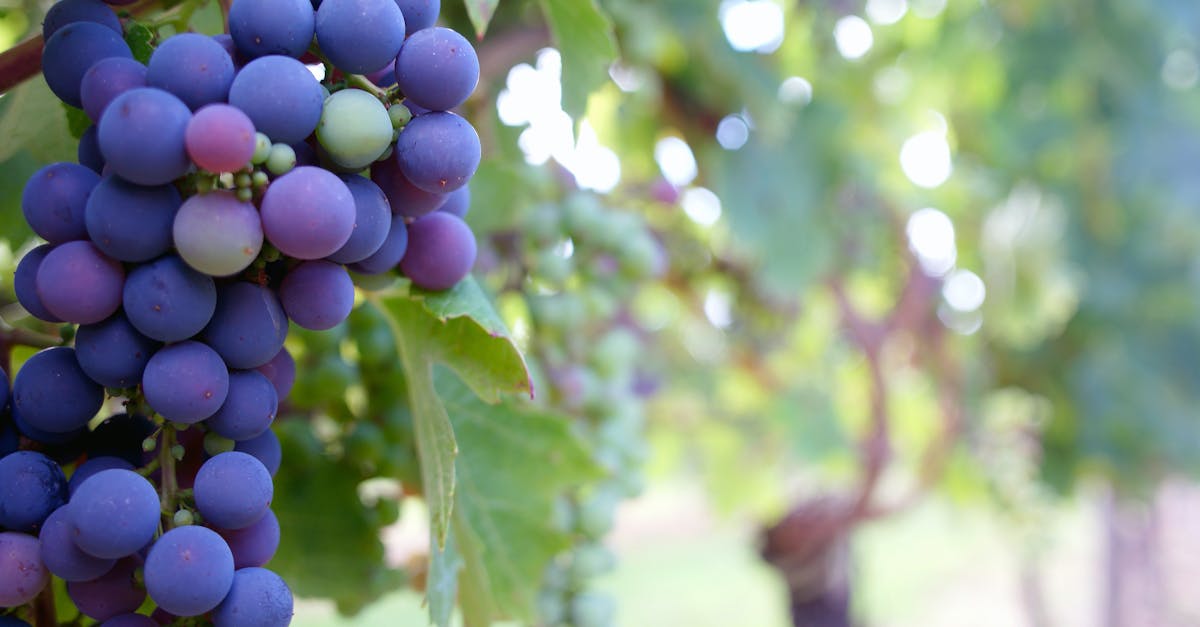
Pouilly-Fumé
is one of the flagship appellations where organic Sauvignon Blanc expresses itself impeccably.
Chenin Blanc, the chameleon of the Loire, is a must-have. This grape variety reveals its full potential in organic wines, from dry to sweet, with aromas of white fruits, sometimes even a hint of honey or flowers. The Domaine Philippe Giraud estate understands this well and offers organic wines that impress with their balance and finesse.For reds, Cabernet Franc reigns supreme in the region. Light and fresh, with its fruity notes and slightly spicy side, it offers a lovely contrast with the fuller-bodied reds of other regions. Château de Parnay and Domaine des Pothiers are true specialists in the art of producing organic reds that are not lacking in punch and personality. Top 5 Organic Grape Varieties from the Loire Valley and Their Characteristics 🌈 🔸 Sauvignon Blanc
: Lively, citrusy, mineral, pure and clean taste 🔸Chenin Blanc : Versatile, fruity, floral, sometimes sweet or dry 🔸
Cabernet Franc : Red fruits, spices, soft tannins 🔸 Melon de Bourgogne : Light, fresh, perfect for sparkling wines 🔸 Gamay
: Red fruit, light, rich, and easy to drink
- This table gives you an overview of the major organic grape varieties and their variations in the main appellations: Grape Variety 🍇 Organic Appellations 🌍
- Aromatic Profile 👃 Food and Wine Pairings 🍽️ Sauvignon Blanc
- Pouilly-Fumé, Sancerre, Touraine Citrus fruits, white flowers, mineral Seafood, fish, fresh cheeses
- Chenin Blanc Vouvray, Anjou, Montlouis-sur-Loire White fruits, honey, flowers, freshness
- Aperitif, grilled fish, goat cheese Cabernet Franc Chinon, Bourgueil, Saumur-Champigny
Red fruits, spices, sweet tannic touch
| Red meats, charcuterie, stews | Melon de Bourgogne | Muscadet-Sèvre et Maine | Fresh, lemony, light |
|---|---|---|---|
| Seafood, fish platter, Aperitif | Gamay | Touraine, Anjou | Red fruits, sweet spices |
| Barbecue, charcuterie, light dishes | Winegrowers’ respect for organic terroir is evident with estates such as Domaine de la Perrière, Château de l’Oliviere, and Domaine de la Prébende, which offer wine profiles faithful to what nature intended without artifice. | Discover our selection of organic wines, crafted with passion and respect for the environment. Savor authentic flavors while supporting sustainable viticulture. | https://www.youtube.com/watch?v=slu-9tMAv9Y |
| Why organic farming guarantees a healthier and more authentic wine | You may have wondered: why bother growing organically when you can produce in quantity more easily with chemical inputs? The answer lies in several points which are not just marketing slogans, but realities that we really feel when tasting. | Organic farming abandons pesticides and herbicides in favor of natural solutions. This means the vines live at their own pace, often slower but healthier in the long run. This method of cultivation not only protects the vineyard’s biodiversity, but also avoids toxic residues that could end up in your glass. This is a real benefit when you consider that health remains the primary reason for choosing an organic wine. | Beyond health, the impact on taste is significant. Organic wines often have a freshness and purity that shines through in the aroma and palate. By not masking the fruit, by allowing the vine to express itself without chemicals, we obtain authentic wines that speak of the terroir and are more enjoyable. It’s a choice that aims to satisfy palates seeking naturalness. Key benefits of organic viticulture 🍃: |
| ✔️ Fewer risks to consumer health | ✔️ Conservation of local biodiversity | ✔️ Better soil quality | ✔️ More natural and expressive flavors in the wine |
| ✔️ Reduced ecological footprint | The following table compares the impacts between conventional and organic viticulture in the Loire Valley: | Aspects 🍇 | Conventional Viticulture 🚜 |
Organic Viticulture 🌿 Use of chemicalsLarge quantities of herbicides, pesticides, fungicides Prohibited, use of natural methods Effects on biodiversity Significant decrease, negative impact Preserved and encouraged
Almost non-existent
Organoleptic quality
Standardized
More expressive and nuanced
Environmental impact
- Fairly High
- Reduced
- To better understand these benefits, you can take a look at the feedback from tasters at the Organic Wine Fair in Libourne, where the quality of organic Loire wines is often unanimously praised. Companies like Domaine du Clos de l’Etoile or
- Domaine de la Chanteclerc embodies this exemplary expertise that values the authenticity of the terroirs while fully respecting nature.
- https://www.youtube.com/watch?v=QiM1KsVzFKU
Organic wines from the Loire Valley: a range of styles to discover without moderation
| And now, we’re entering the part that really excites all the curious: what organic wines can you find in the Loire? The beauty of the Loire Valley is that you have everything, for all tastes and occasions. From dry and fresh whites to fruity reds, from light rosés to sparkling wines for the holidays, the valley never disappoints. | We highly recommend exploring the AOP Sancerre and AOP Pouilly-Fumé to indulge in typical organic whites with notes of citrus and fresh flowers. On the red side, the AOP Chinon, Bourgueil, and Saint-Nicolas de Bourgueil offer supple, fruity, and sometimes peppery wines made from Cabernet Franc, perfect for your fall dishes. | The rosés are no exception, with delicate and fresh cuvées that stand out, ideal for patio aperitifs. Estates like Château de Parnay and Domaine de la Perrière excel in this respect. Not to mention organic sparkling wines like those from Domaine Sérol, which delight lovers of natural, indulgent sparkling wine. List of organic Loire Valley wine styles to keep in mind 🍷: |
|---|---|---|
| 🥂 Dry and aromatic white wines (Sauvignon, Chenin) | 🍓 Fruity and elegant red wines (Cabernet Franc, Gamay) | 🌹 Light and fresh rosés, perfect for summer |
| ✨ Organic sparkling wines, ancestral and traditional method | 🍭 Sweet or liqueur wines, sweet treasures for desserts | To help you see things more clearly, this table presents some organic estates and their specialties: |
| Estate 🍇 | Organic wine style 🍾 | Appellation ⚜️ |
| Wine profile 🎯 | Domaine des Huards | Dry white |
| Montlouis-sur-Loire | Fruity, mineral, fresh | Château de Fosse-Sèche |
White and red Saumur-Champigny, VouvrayBalanced, elegant Domaine Philippe Giraud Organic Chenin Anjou Fine, floral, indulgent
Organic red
Bourgueil
Red fruits, complexity Domaine de la Chanteclerc White and sparkling wine Touraine Lively, refreshing, effervescent
To vary your pleasures and add a nod to other regions, don’t hesitate to also consult articles such as the rosé wines of the Rhône Valley or to perfect your knowledge, a good training course on Southwest wines can always make the difference. How to choose and fully appreciate an organic Loire wine?You have your organic bottle of Loire on hand, but how can you be sure that you’ll really enjoy it and get the most out of your tasting? Don’t panic, a few simple tips can put everyone on the same page and avoid unpleasant surprises.
First, do some basic research on the producer. Estates like Château de l’Oliviere or Domaine du Clos de l’Etoile often guarantee a certain quality and a respectful philosophy. The organic label itself is reassuring, but nothing beats a look at the winemaker’s background and methods. Also, check if the wine is AB certified or equivalent, a guarantee of reliability.
- Next, you need to know when to serve and what to pair your wine with. For example, an organic Sauvignon Blanc will pair beautifully with oysters or cream cheese, while a red Cabernet Franc will pair better with white meat or a stew. Playing the wine and food pairing card is a real way to bring everyone together at the table and dazzle your guests.
- Finally, don’t deprive yourself of tasting even a small sample; it helps you get started without risk. Some organic Loire Valley wines are available at low prices, perfect for trying them without breaking the bank! Don’t forget trade shows and events like the Libourne Organic Wine Show to meet producers and discover a whole fascinating world. Quick checklist for choosing the right organic Loire wine ✅:
- 🔍 Choose recognized and certified wineries
- 🥂 Choose a style that speaks to you (white, red, rosé, sparkling wines)
- 🍽️ Think about pairings with your food
💰 Don’t hesitate to taste a small quantity to get an idea
| 📅 Consider the tasting period (temperature, time of day, company) | Here’s a table to help you determine the right type of organic wine for each occasion: | Occasion 🎉 | Recommended Type of Organic Wine 🍷 |
|---|---|---|---|
| Food Pairing 🥗 | Serving Temperature 🌡️ | Relaxing Aperitif | Light Rosé or Fruity White |
| Salads, Tapas, Seafood | 8-10°C | Sociable Dinner | Cabernet Franc or Gamay Red |
| White Meat, Charcuterie, Main Courses Stews | 14-16°C | Parties & Celebrations | Organic Sparkling Wine, Traditional Method |
| Aperitif, Light Desserts | 6-8°C | Afterwork with Friends | Dry, Lively White |
| Cheese, Fresh Fruit | 9-12°C | You’re now equipped to shop stress-free and choose the organic wine that’s sure to hit the mark. And if you want to discover specialties like Chardonnay in Burgundy, don’t hesitate to consult | this comprehensive guide |
to broaden your horizons even further. https://www.youtube.com/watch?v=jBMhsBofQx4 Quick FAQ on Organic Wines from the Loire Valley 🧐 What are the advantages of choosing an organic Loire Valley wine? Less chemical residue, respect for the terroir, better expression of flavors, and a commitment to biodiversity.
Is organic wine more expensive? Often a little more expensive due to the increased manual labor, but there are also excellent value for money across the board.
How do you recognize a truly organic Loire wine?
Look for the AB label or other official certification, and choose renowned estates like Domaine Philippe Giraud or Château de Fosse-Sèche. Are organic Loire wines suitable for all dishes? Yes, with their diversity of whites, reds, rosés, and sparkling wines, you’ll always find a perfect pairing without any hassle. Can you keep an organic Loire wine for a long time? Yes, especially whites made with Chenin or Sauvignon Blanc, which have good aging potential when well-made.
