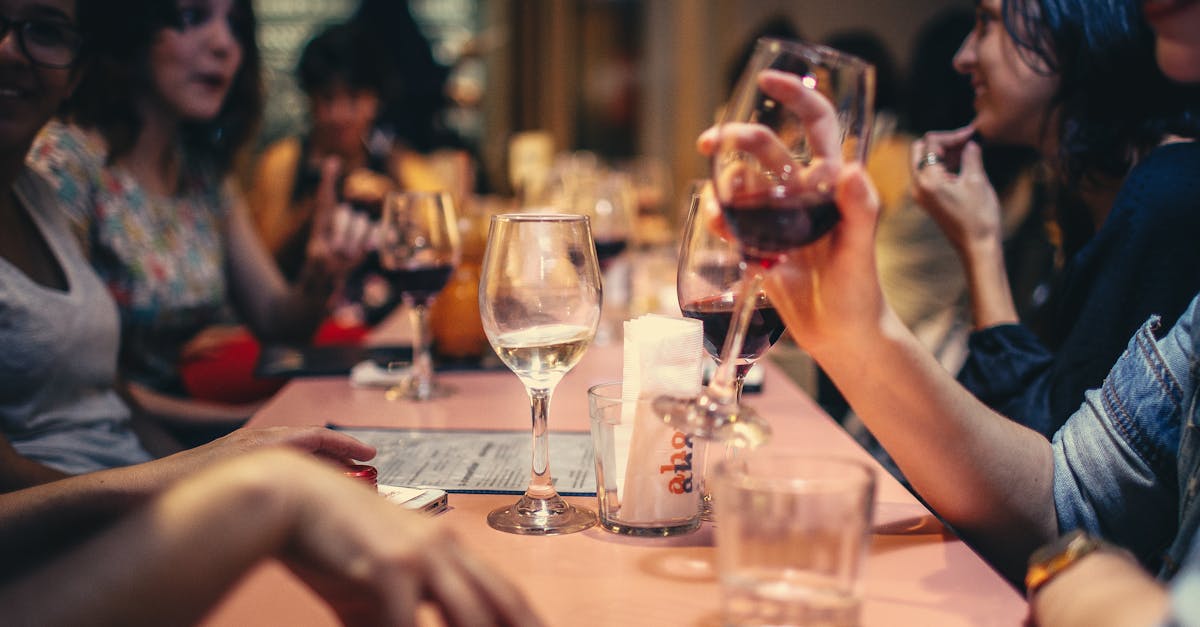
The launch of an iconic wine by Norah Jones, a passion project in the Dordogne wine region
Lovers of jazz, gastronomy and fine wines can now turn their gaze to the southwest of France, where the famous singer Norah Jones is preparing to reveal a new facet of her creativity. After having conquered hearts with her sweet melodies and poetic texts, she is now venturing into the complex world of oenology, in collaboration with the Icelandic winemaker Robert Wessman. Their joint project, called “This Life”, is part of an approach of passion and innovation, mixing French terroir and musical universe. The Dordogne region, renowned for its rich vineyards and wine culture, proves to be a perfect choice for the birth of this unique cuvée, in both white, rosé and red. Like artisans of taste, they intend to create a line of wines that reflect the sweetness of life, sophistication and authenticity, values dear to Norah Jones.
An alliance between musical and oenological passion: how Norah Jones gets involved in winemaking
This major project marks a significant step in the evolution of the singer, whose career has spanned more than two decades. Partnering with Robert Wessman, an Icelandic entrepreneur known in the wine world for his vineyards located in Conne-de-Labarde in the Dordogne region, she brings her artistic sensibility to the world of wine. The winemaking method begins with a deep understanding of the terroirs, where each grape variety is cultivated respecting ancestral traditions but also with a touch of modernity, aiming to reveal the true essence of the vineyard in each bottle. The philosophy is based on an organic approach, favoring sustainable techniques and limited production to continue cultivating a certain simplicity and authenticity essential to modern oenology. Norah Jones’ involvement goes beyond the simple role of “muse” or ambassador: she actively participates in every step, from the selection of vintages to the tasting, including the definition of the aromatic profile. Terroir selection: highlighting the specific characteristics of the Dordogne region, such as the richness of the soil and the Mediterranean climate
- Vinification process: particular attention to quality, grape selection, and fermentation control
- Creation of the reserve: carefully crafted to ensure true aromatic complexity and favorable development with age
- Packaging and identity: symbolized by simplicity and nobility, in harmony with the musical world of Norah Jones
- Distribution strategy: emphasis on exports to North America and Asia, with targeted distribution in Northern and Central Europe
- The subtleties of oenology: understanding the birth of an exceptional wine in the Bergerac region
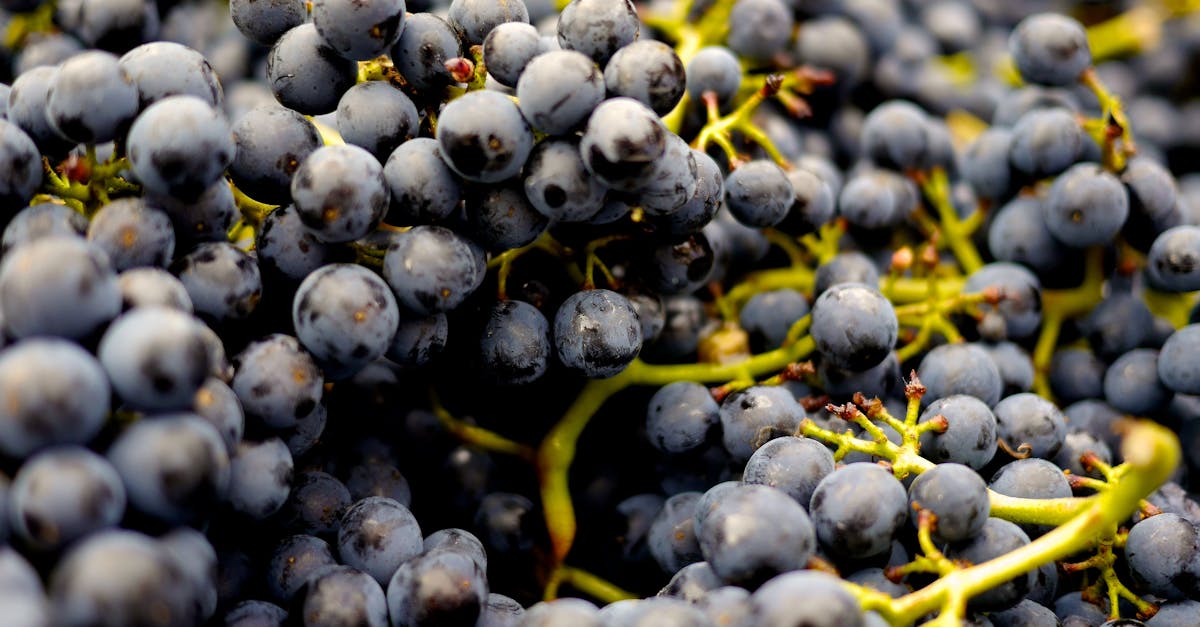
The choice of the Dordogne region to produce this wine reflects a desire to showcase a terroir rich in winemaking history. The region’s vineyards benefit from a unique microclimate, ideal for cultivating prestigious grape varieties such as Merlot, Cabernet Sauvignon, and Malbec, which will lend the future vintage its finesse and complexity. Winemaking in this region is based on time-honored tradition, but also on a constant search for innovation.
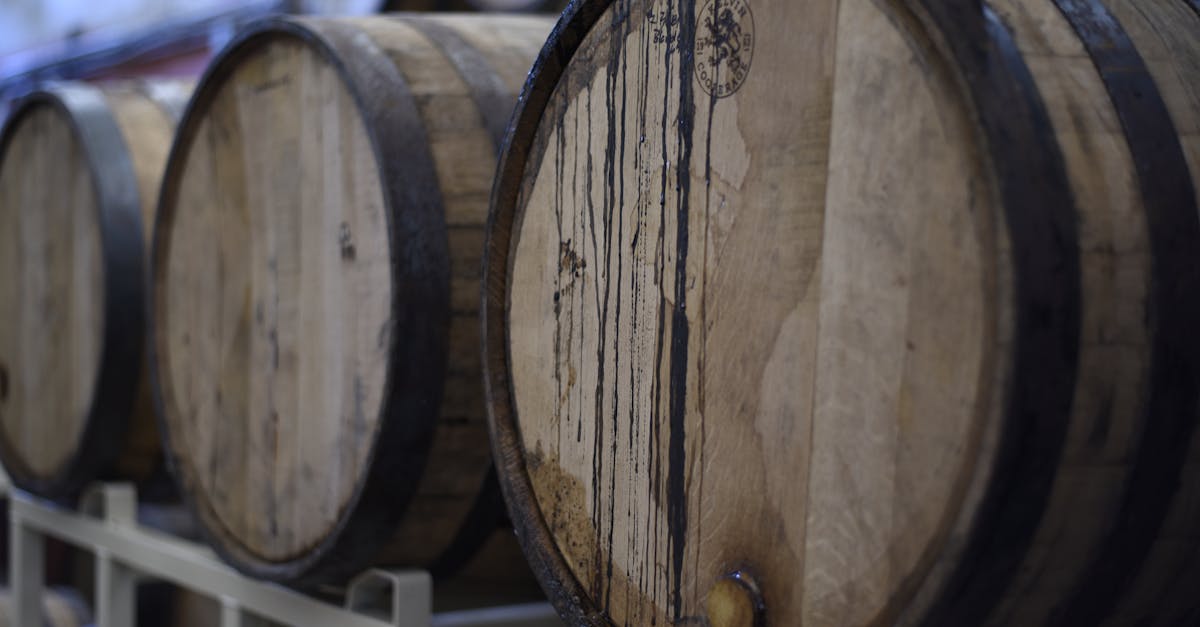
It all begins with careful harvesting, generally by hand, to select only the perfectly ripe grapes. Fermentation takes place in stainless steel vats or oak barrels, depending on the desired aromatic profile. Maturation, coupled with precise temperature control, reveals fruity, floral, or spicy notes, depending on the vintage. Furthermore, the ability to balance acidity, sweetness, and tannic structure is the key to producing an exceptional wine that can age in reserve, improving over the years. Tasting then becomes a true ritual, each sip telling a story of terroir and craftsmanship.
Criteria
| Description | Examples | Climate |
|---|---|---|
| Temperate with Mediterranean influences | Hot summer, mild winter | Terroir |
| Clay-limestone and limestone soils | Mineral contribution to the wine | Main grape varieties |
| Merlot, Cabernet Sauvignon, Malbec | Basic elements of the cuvée | Vinification |
| Controlled fermentation, barrel aging | Guaranteed aromatic complexity | Maturation period |
| From 6 months to several years | Determined by the desired style | A tasting experience: discover “This Life” wine and its harmony with local gastronomy |
The Dordogne terroir, combined with meticulous winemaking, creates an exceptional sensory experience. Tasting these wines invites you on a journey through time and space, blending conviviality and sophistication. The aromatic complexity of a wine from this region results from a symbiosis between sugars, acids, and tannins, which find their balance in the glass. With a fruity, floral, and sometimes spicy profile, “This Life” promises to delight both experienced wine lovers and discerning gourmets. Perfect pairings with Southwestern specialties 🥘
Enjoy with a summer meal or a chic aperitif 🥂 Pair with mature cheeses or local charcuterie 🧀 A simple tasting experience to reveal the wine’s finesse 🍇
- Access wine events to discover its nuances and secrets 🤝
- Discover the fascinating world of wine: from grape varieties to winemaking techniques, explore wine regions, and learn to appreciate food and wine pairings for a unique tasting experience.
- Frequently Asked Questions (FAQ) about “This Life” wine and viticulture in the Dordogne
- 1. When can we expect to discover the first “This Life” vintage?
- Production of the first vintage is currently in the final winemaking process, with a launch planned for late 2025 or early 2026, depending on the maturation and bottling stages. 2. What is the ecological approach to this production?
3. What is the expected aromatic profile of this wine?
- The vintage will be characterized by fruity notes such as cherry, strawberry, and raspberry, with floral and spicy touches for a balanced harmony, ideal for tasting or pairing with fine food.
- 4. How many bottles are planned for the first production run?
- The initial release will consist of approximately 100,000 bottles, with the goal of reaching several million in the coming years, thanks to controlled production and an international distribution network.
- 5. Where will these wines be available in France and abroad?
- In France, particularly in the Nouvelle-Aquitaine and Île-de-France regions, as well as for export to North America, Asia, and Central Europe. Promotion will be based on specialized trade shows and tasting events.
- Source:
- www.sudouest.fr