At the heart of French winegrowers, a silent but devastating storm is shaking the sector. Cooperative wineries, historic bastions of national viticulture, find themselves facing an unprecedented crisis that jeopardizes their future and that of the thousands of winegrowers loyal to them. Between climate disruptions, declining consumption, and global economic variables, the “wine crisis” of 2025 goes far beyond the purely commercial aspect: it raises fundamental questions about the survival of structures that have become symbols of regional expertise. In the midst of transformation, these cooperatives, which still produce half of French wine, must now rethink their model to continue playing their role of social and economic support. It is time for reflection, restructuring, or diversification, as several wine regions, from Provence to Bergerac, feel the growing pressure of a sector adrift. The crisis spares no one, not even iconic wineries such as Caves de la Loire or Cave Coopérative d’Oc, which are struggling to maintain their level of activity in the face of a difficult economic climate and declining consumption. Faced with this alarming situation, it is crucial to analyze the mechanisms at play, the strategies adopted, and the future that is emerging for these essential players in our cultural heritage.
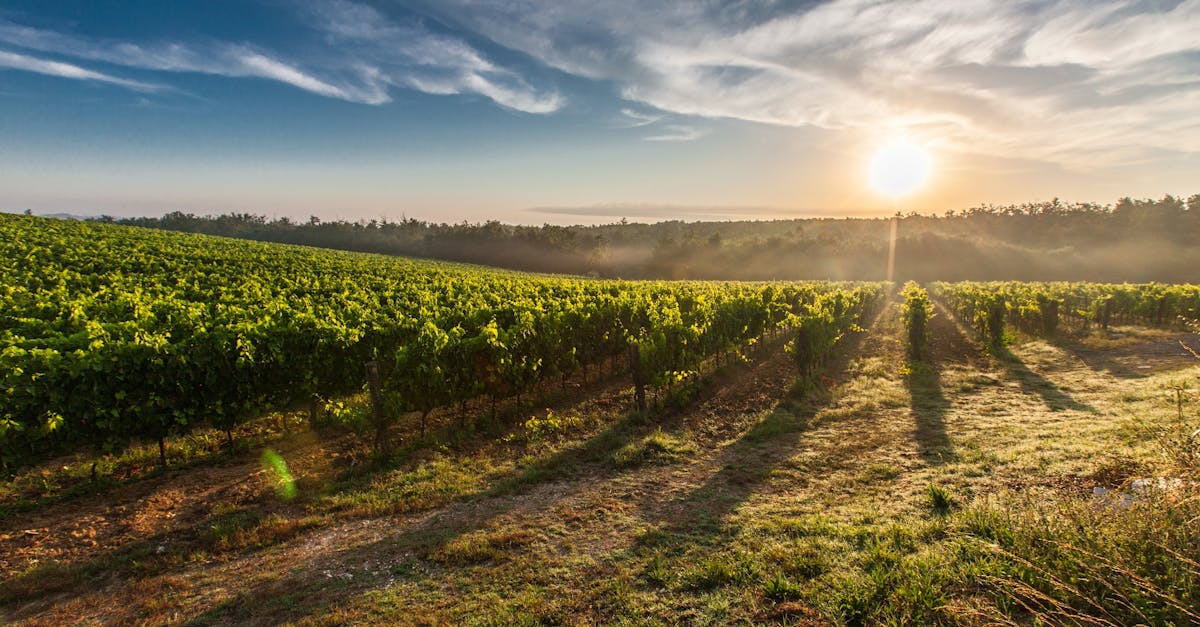
The root causes of the crisis in French cooperative wineries
For several years, French viticulture has been going through a turbulent period, but the situation intensified in 2025. The combination of extreme climatic factors and global economic changes is significantly weakening small winegrowing businesses. The decline in consumption, accentuated by the rise of alternative products and declining purchasing power, is playing a decisive role. Irregular rainfall, scorching summers, and late frosts are causing significant harvest losses, as in the Caves de la Loire or Alsace, where available volumes are reduced. Moreover, international competition is intensifying, particularly with the emergence of new markets in Asia and South America, where local production benefits from lower costs. Customs duties, often fluctuating, are further complicating exports, making French wines less competitive. The decline in profitability is forcing some wineries to review their model, reduce their inventories, or rethink their investments. Finally, rising production costs—energy, transportation, packaging—are weighing heavily on these already weakened structures.
Key Factors
| Impact | Examples | Climate |
|---|---|---|
| 🌦️ Reduced harvests or significant losses | Late frosts in Alsace or drought in Provence | Decline in consumption |
| 🛑 Falling sales, increasing inventories | Reduced wine sales in supermarkets | Production costs |
| 💸 Sharply declining margins | Rising energy prices in Roussillon wineries | International trade |
| 🌍 Increased competition, difficult exports | Customs taxes and dumping from overseas | Global economic factors |
| 💼 Inflation and currency devaluation | Impact on raw material costs | Resilience strategies adopted by French wineries in the face of the crisis |
Faced with these significant challenges, provincial wineries and other cooperative structures are mobilizing various strategies to try to preserve their future. Commercial diversification is a major response, as demonstrated by the Tain L’Hermitage Cooperative Winery and the Rhône Valley Wineries, which are investing in the production of premium or organic wines to attract a more demanding and modernized clientele.
Furthermore, several cooperatives are opting for mutualization to reduce their costs. Merging structures, particularly in regions such as the Loire and the Southwest, allows for the creation of more robust entities capable of investing in modern equipment or international marketing initiatives. At the Bergerac Winery and the Savoie Wineries, strategic alliances with merchants or wineries in France and abroad also give them a boost in accessing new markets. Strengthen image and communication 📈
Develop digital marketing and online sales 🌐
- Invest in quality and organic certification 🌱
- Adapt to new consumer trends 🍷
- Rethink inventory and resource management 💼
- Discover the challenges and impacts of the current wine crisis in our article. We analyze the economic, environmental, and social factors affecting the wine industry, as well as the future prospects for producers and consumers.
- The role of public policies and aid in the crisis facing French wineries

Wine-growing regions, from the Luberon to Provence, via the Rhône Valley and Savoie, are demanding better recognition of their situation and targeted support. Wine-growing regions must also address the need to promote their terroir beyond traditional markets. The visit by Minister of Agriculture Annie Genevard, accompanied by promises of aid, illustrates the political will to support a qualitative transformation, but the release of funds often remains conditional on lengthy and costly procedures. Support/Publics Concerned
Actions
Limitations
| Government | 🏛️ | Funding Immobilization, Technical Assistance Missions |
|---|---|---|
| Budgetary Restrictions, Slow Implementation Wine-Growing Regions | 🌿 | Support for Restructuring, Support for Innovation |
| Administrative Complexity, Lack of Agility European Institutions | 🇪🇺 | European Subsidies and Funds |
| Lengthy Procedures, Strict Criteria Professional Organizations | 🤝 | Advice, Training, Promotional Campaigns |
| Lack of Resources, Delays Winegrowers | 🍇 | Participation in Restructuring Plans |
| Reduction in Potential Beneficiaries Future Prospects and the Evolution of Cooperative Wineries in France | To survive the current storms, cooperative wineries must consider a radical transformation. Digitizing sales and increasing communication around local terroirs are becoming essential. In regions such as the Caves de Provence or Haute-Savoie, innovative initiatives with mobile apps or short supply chains are multiplying, helping to reconnect consumers with producers. | Among these avenues, emphasis is also being placed on converting to organic wines or wine tourism. Initiatives such as winery tours in Alsace or Occitanie illustrate this new direction, combining quality production and customer experience. Upscaling and the search for more profitable niches are also being pursued. Wineries in Roussillon or the Rhône Valley, as soon as they capitalize on their identity, will be able to regain some momentum. |
Discover the issues and challenges of the current wine crisis, a phenomenon impacting wine production worldwide. Analysis of the causes, consequences, and solutions for a sustainable future of the wine industry.
Frequently asked questions about the crisis facing French wine cooperatives in 2025
How can wine cooperatives cope with declining consumption?
What role does public aid play in reviving winemaking structures?
- Aid is essential, but its implementation remains slow and often requires lengthy administrative procedures to access the funds, such as those promised by the government. Are winery mergers a sustainable solution?
- Yes, they allow for shared costs, investment in modernization, and strengthening competitiveness, but they must be accompanied by a clear strategic vision. Do wineries in Alsace or Provence have a promising future?
- Yes, particularly thanks to their tradition of innovation and their adaptation to the market, by offering quality wines or targeting wine tourism. How can we preserve our wine heritage in the face of the crisis?
- By investing in the development of terroirs, promoting transmission, and modernizing production and marketing tools. Source:
- www.notretemps.com