
The Loire Valley, this jewel of France, is much more than just a river crossing the country. It is a land where vines tell two thousand years of history, blending heritage, traditions, and a passion for wine. Since ancient times, the Loire Valley has painted a captivating fresco crafted by the hands of men and lands blessed by nature, with its emblematic grape varieties, its grand estates such as Domaine Huet and Château de Chambord, and its wines that have graced royal palaces and contemporary tables. Tuesday after Tuesday, the Loire welcomes visitors between its majestic châteaux and lush vineyards, inviting you on an enchanting stroll through the heart of a region where each bottle is a fragment of heritage. This journey begins in the Nantes region, the cradle of Roman vines, and ends in Nevers in the Nièvre region, revealing the richness and diversity of the appellations. Each era, whether the Middle Ages with the influence of Benedictine monks or the Renaissance under Francis I, has left its mark on the vines and the glass. The region has adapted, overcoming crises, harsh winters and political upheavals, to revive and enhance its production, as evidenced today by the worldwide renown of appellations such as Sancerre, Chinon and Vouvray.
But beyond the historical facts, this journey through the centuries is also a stroll through terroirs, grape varieties, and expertise. From Domaine Fournier in Montsoreau to Domaine de la Taille aux Loups in Touraine, several estates reveal the carefully perpetuated tradition with each harvest. We’ll take you on a captivating journey that blends past and present, where wine becomes a symbol of culture, generosity, and authenticity. It’s bound to leave no one indifferent, whether you’re a curious beginner or an experienced oenophile; the Loire has something magical to offer every wine lover.
How has viticulture taken root over the centuries in the Loire Valley?
If we’re looking for the origins of Loire winemaking, we must open the book of time wide. The Nantes vineyards have an astonishing history, having been planted by the Romans as early as the first century, making them one of the oldest in our country. Can you imagine? Pliny the Elder already mentioned the vineyards along the Loire River at that time. This initial phase laid a solid foundation, but the true explosion of winemaking in this region occurred later, from the 9th to the 12th centuries, thanks to the tireless work of Benedictine and Augustinian monks.
These monks, true pioneers of local viticulture, cultivated vines as close as possible to waterways, taking advantage of the Loire River, which, at the time, was one of the safest transportation routes. Why is this important? Because easy transportation allowed wine to travel and find its lovers, giving rise to strategically located vineyards. As a result, the vineyard spread rapidly all around the Loire, from the Vendée fiefdoms to the lands further east around Saint-Pourçain.
The rise of these early vineyards was also largely due to the support of the kings of France. In the 12th century, King Henry II Plantagenet, Count of Anjou who had become King of England, brought his Anjou wines to the royal table. From then on, the Angevin vineyards became a benchmark, and the English court shared this taste for the nectars of the Loire Valley. From John Lackland to Henry III, successors perpetuated the tradition, and the prestige spread across the lands and centuries. Many dynasties, Capetian, Plantagenet, and Valois, shared this same appetite for these wines, which continued to gain in reputation.
An anecdote worth noting: in the 16th century, François Rabelais, a great French humanist, made no secret of the wines of Chinon in his writings, a sign that these nectars had already earned their reputation among the intellectuals and nobles of the Renaissance. It is this blend of history, culture, and terroir that makes the valley so rich, establishing Loire wines as key players in France’s winemaking heritage. Period ⏳
Key Event 🍇
| Impact on Viticulture ⚡ | 1st Century | Planting of the Nantes vineyard by the Romans |
|---|---|---|
| Official beginning of viticulture in the Loire | 9th-12th Century | Vineyard exploitation by monasteries |
| Expansion of vineyards along the river | 12th Century | Henry II Plantagenet favors Anjou wines |
| Radiance at the English court | 16th Century | Literary references to Chinon wines by Rabelais |
| Cultural nobility of the Loire vineyard | 🍷 The essential role of monasteries in the evolution of viticulture | 🏞️ Taking advantage of the Loire River as a secure trade route |
- 👑 The support of kings to boost the reputation of wines
- 📚 Cultural promotion thanks to writers and thinkers
- Discover the wines of the Loire Valley, a renowned wine-growing region in France, famous for its magnificent landscapes, historic châteaux, and diverse grape varieties. Explore our selection of unique wines, from crisp whites to rich reds, and let yourself be captivated by the art of winemaking in the heart of this beautiful region.
- What are the major appellations of the Loire Valley and their specific characteristics in 2025?
Let’s start with the Centre-Loire Valley with its nine must-see appellations: Sancerre, Pouilly-fumé, Pouilly-sur-Loire, Menetou-Salon, Quincy, Reuilly, Coteaux-du-Giennois, Châteaumeillant, Côtes-de-la-Charité, and Coteaux-de-Tannay. Suffice it to say, there’s no shortage of opportunities to explore these varied terroirs, whether you’re tasting a dry white Sauvignon Blanc or a fruity red, thanks to an elegant Cabernet Franc.
The Maison des Sancerre has become a must-see for anyone who wants to understand the history and richness of this appellation, which makes the Loire Valley famous far beyond its borders. With an interactive tour, there’s no risk of getting bored; it’s educational and fun, both for the curious and for families. So, consider it during your next wine tourism trip! Touraine and its breath of fresh wine
The Indre-et-Loire region is no exception, boasting six major appellations: Chinon, Bourgueil, Saint-Nicolas-de-Bourgueil, Vouvray, Montlouis-sur-Loire, and Touraine. While Cabernet Franc reigns supreme in red wines, it’s Chenin Blanc that delights the taste buds in sweet and dry white wines, with a beautiful aromatic expression.
Wests like Domaine de la Taille aux Loups and Domaine Fournier perfectly embody the pursuit of quality in this region, where sweetness and liveliness blend to the delight of all. We recommend trying a bottle of sweet Vouvray with foie gras or local goat cheese, for a hassle-free wine pairing experience! Anjou and Saumur, a hotbed of varied flavors
To the west, around the Layon and Aubance regions, the Anjou and Saumur vineyards boast 27 appellations! Impressive, isn’t it? Dry white wines made from Chenin Blanc are the stars, including vintages like Anjou Blanc and Saumur Blanc. But don’t stop there: also taste sweeter wines like Coteaux du Layon, which evoke the finer things in life.
Don’t miss the local specialties, such as the famous white wines from Domaine des Baumard. In the Loire-Atlantique region, the pleasant surprise is Muscadet, a fresh, lively wine that’s ideal with seafood and fish. Appellation 🍷
Type of wine 🍇
Main grape variety 🍾
Taste characteristics 🎯
Sancerre
Dry white
| Sauvignon blanc | Fresh aromas, notes of white fruits and flint | Chinon | Red |
|---|---|---|---|
| Cabernet franc | Fruity, spicy, supple tannins | Vouvray | Sweet or dry white |
| Chenin blanc | Smooth and fresh, floral aromas | Muscadet | Dry white |
| Melon de Bourgogne | Lively mineral wine, perfect with seafood | 🌊 The Loire as a link between vineyards | 🍃 Diversity of grape varieties adapted to each terroir |
| 🏰 Châteaux, historical witnesses and tasting venues | 🍽️ Food and wine pairings to enhance your tasting | https://www.youtube.com/watch?v=u30gcwfFXVU | Discover the wines of the Loire Valley, a wine-growing region renowned for its diversity and unique terroirs. Explore iconic grape varieties and prestigious estates, and savor exceptional vintages that will delight your taste buds. |
- What events and crises have marked the development of Loire Valley wines?
- It’s impossible to discuss the rich history of Loire Valley wines without mentioning the ups and downs that have shaped their character. The winter of 1709 remains etched in everyone’s memory, a dramatic episode when the temperature plummeted to -20°C. This calamity of frost destroyed a large portion of the region’s vines and caused barrels to explode, causing a real slowdown in production. But it’s in adversity that the most robust grape varieties reveal themselves. This is the case of the Melon de Bourgogne, which resisted heroically, giving rise to the famous Muscadet. One could almost say that this cold spell created a moment of reckoning, testing the terroir and the winegrowers. They then had to redouble their ingenuity to restore this precious heritage.
- Then, the French Revolution shook the region, with conflicts such as the Wars of the Vendée, which significantly disrupted the vineyards of Anjou and Nantes. The vines suffered not only from the fighting but also from the social and economic reorganizations of the time.
- The 19th century also brought its own challenges, with growing competition from wines from the South, fueled by the railway, and especially the devastating phylloxera crisis that affected virtually all French vineyards. This aphid, which originated in America, attacked the roots of vines and wiped out valuable plantations, particularly in the Loire Valley. Winegrowers had to replant and reinvent their methods, relying on resistant rootstocks.
Winegrowers’ Reaction 🍷
Winter of 1709
Massive frost damage, broken barrels
Resilience of the Melon de Bourgogne (Muscadet)
French Revolution
Vineyard Disruptions, Armed Conflicts
| Redeployment and Reorganization of Estates | Phylloxera Crisis (late 19th century) | Destruction of Vine Roots |
|---|---|---|
| Replanting with Resistant Rootstocks | 1936 | Creation of AOCs |
| Rehabilitation of Quality and Promotion | 2000 | UNESCO Listing |
| Increased Global Influence | ❄️ The Importance of Climate and Its Variabilities in Viticulture | ⚔️ The Socio-Political Impact on Vineyards |
| 🛠️ Innovation and Adaptation After Each Crisis | 🏅 Appellations and Recognition International | https://www.youtube.com/watch?v=5FXBOrEVPPQ |
| How have iconic estates shaped the reputation of Loire wines? | In the Loire Valley, several estates play a leading role in the quality and reputation of their wines. Among them, Domaine Huet in Vouvray is a true institution, renowned for its excellent Chenin Blanc white wines. Their approach to the terroir and their ancestral know-how often set standards in the region. | In the heart of Touraine, Domaine de la Taille aux Loups is a must-see, captivating wine lovers with its tender and elegant Chenin Blanc cuvées, often acclaimed by critics and appreciated by connoisseurs. Further west, Château de Saumur and Domaine des Baumard are also stars of the Loire Valley vineyards, each bringing their own unique touch to the winemaking landscape. |
- Champions of red wines, estates like Domaine Cady and Domaine Fournier stand out with fruity Cabernet Francs that display beautiful freshness. Not to mention the majestic wine châteaux such as Château de Chenonceau, Château de Montsoreau, and Château de Beaulieu, which serve as a reminder of the strong aristocratic tradition rooted in the production of quality wines. These estates, combining architectural heritage and winemaking excellence, are true ambassadors of Loire Valley expertise.
- We cannot discuss this period of history without mentioning the recent reappropriation of these vineyards by dynamic young winemakers, who blend tradition and modernity, playing with grape varieties like a joke with an old tome. Their creativity offers a renewed Loire Valley viticulture, full of promise for the future. To better understand these talents, take a look at some gems in food and wine pairings here. Estate / Château 🍷
- Location 🌍
- Wine Specialty 🍇
Domaine Huet
Vouvray
Chenin Blanc White Wines
Internationally Renowned
Domaine de la Taille aux Loups Montlouis-sur-LoireElegant White Wines
| Appreciated for its fine and delicate vintages | Château de Saumur | Saumur | Red and White Wines |
|---|---|---|---|
| Strong Historical Heritage | Domaine des Baumard | Quarts-de-Chaume | Sweet and Dry Wines |
| Made for Great Sweet Crus | Château de Chenonceau | Chenonceaux | Varied Wines |
| Viticultural and Historical Blend | Château de Montsoreau | Montsoreau | Red and White Wines |
| Prestigious Vineyards | 🍇 The Importance of Tradition in Every Glass | 🏛️ A Marriage of Architecture and Winemaking | 🌱 The Dynamic and Innovative Next Generation of Young Winemakers |
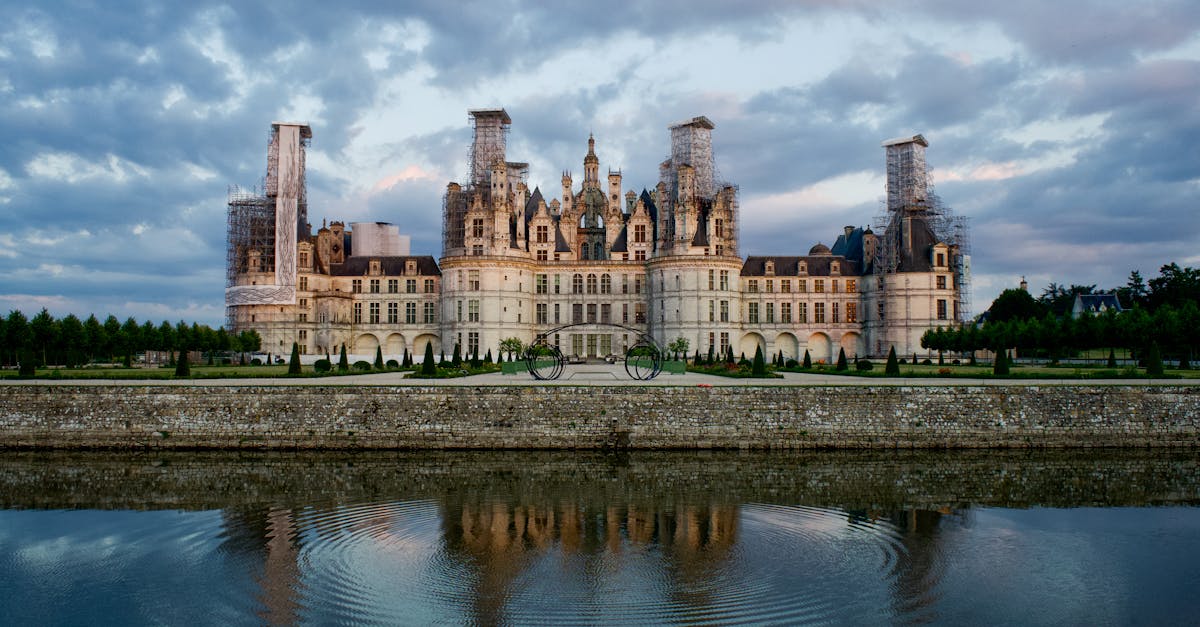
| 🔗 Discover Local Gems by Following This Hyperlink | What are the hidden treasures and best wine curiosities of the Loire Valley? | Beyond the classic appellations, the Loire Valley is full of lesser-known gems that are well worth the detour. For example, the Cheverny vineyard, with its AOC Cheverny and Cour-Cheverny, captivates with the diversity of its red, white, and rosé wines, which can be discovered during the famous Harvest Festival at the Château de Cheverny. It’s a truly convivial and discoverable experience for all visitors. | A look further east, in the Loir-et-Cher region, reveals another historic estate: the Château de Chambord. In 1518, Francis I planted a grape variety from Burgundy on its land, breathing new life into the regional vineyards. In 2015, a replanting took place near the château, with the release of two vintages—a white made from Romorantin and a red—celebrating the 500th anniversary of this iconic monument. |
| Finally, there are also exceptional estates such as Domaine Cady and Château de Beaulieu, which showcase rare terroirs and produce wines full of personality. Whether you’re a fan of crisp white wines or a fan of full-bodied reds, the Loire Valley offers a veritable palette of experiences. | Estate / Event 🎉 | Location 🗺️ | Specialty 🍷 |
- Highlights 🔥
- Harvest Festival at Château de Cheverny
- Cheverny
- Red, white, and rosé wines Festive atmosphere, wine discovery
Replanting at Château de Chambord (2015)
Chambord
Romorantin and red vintages
Celebrating 500 years, revival of the vineyard
| Domaine Cady | Loir-et-Cher | Red wines with character | Unique terroir and meticulous vinification |
|---|---|---|---|
| Château de Beaulieu | Loire Valley | White and red wines | Aromatic richness and finesse |
| 🎭 An invitation to celebrate and share during the harvest | 🌿 The revival of heritage grape varieties like Romorantin | 🏞️ Exploring lesser-known estates to surprise your palate | 🥂 The desire for unique expression in each bottle |
| FAQ about Loire Valley wines | What are the emblematic grape varieties of the Loire Valley? The main grape varieties are Chenin Blanc, Cabernet Franc, and Melon de Bourgogne, each offering a unique aromatic palette suited to its terroir. | How does the climate influence the quality of Loire Valley wines? | The Loire Valley climate, influenced by the river, provides a mildness and freshness that favors the aromatic expression of the grapes, while also being subject to the vagaries of winter, such as that of 1709. |
| Which estates should you visit for an authentic experience? | Estates such as Domaine Huet, Domaine de la Taille aux Loups, and Château de Saumur will offer you an immersion in the local winemaking tradition, accompanied by an unparalleled tasting. | What role do châteaux play in Loire Valley viticulture? | Châteaux such as Château de Chambord and Château de Chenonceau are historical symbols that preserve not only architectural heritage but also winemaking expertise passed down for centuries. |
- Where can I find information on food and wine pairings for Loire Valley wines? You can consult resources like this dedicated article that will help you perfectly pair your dishes with Loire wines.
