
In the gentle tumult of choices between wine and beer, the question is often debated: why choose one over the other? Whether you’re a fan of sweet bubbles or a fervent devotee of grape varieties, delving into the subtleties of these two iconic beverages allows you to grasp the major differences. Wine isn’t just a simple beverage; it’s a true sensory journey that combines tradition, terroir, and ancestral know-how. In a world where the trend is returning to authentic experiences, where the quest for taste is combined with enriching discoveries, wine often stands out as the winning choice. Far from folklore, its qualities are multiple and often underestimated compared to beer, despite being the star of festive moments. By exploring here seven solid reasons that tip the scales in favor of wine, we immediately highlight its impact on health, its ability to subtly enhance a meal, its infinite diversity, and its almost artistic side to tasting. You’ll see that wine, whether from a prestigious Château Margaux or a more confidential Domaine Faiveley, holds a special place in our hearts, even more so when we know its charms better. So, we’ve put together this hassle-free guide to demonstrate that, in the great wine versus beer duel, it’s often the grape that triumphs.
Wine, a health ally with proven benefits compared to beer
Let’s first talk about the health aspect, often a subject of heated debate. Wine, especially red wine, contains polyphenols, those famous antioxidants that protect our cells from oxidative stress. Among them, resveratrol is the most publicized star, with recognized positive effects on the cardiovascular system. Yes, it’s a solid argument that everyone agrees on, especially when compared to the generally more limited health benefits of beer. Several studies in 2025 continue to confirm that moderate consumption of red wine, in combination with a balanced diet, can reduce the risk of heart disease. Who hasn’t heard of the French paradox? This health mystery stems largely from the presence of wine in the daily diet, in moderation, of course.
In this regard, beer hardly holds a candle to comparison: it certainly provides fewer calories depending on the version, but its protective properties are less. Few beers are rich in antioxidants. It’s also worth noting that white wine is no exception, with some vintages boasting a high content of beneficial compounds. Furthermore, Lanson champagnes and other major Champagne houses like Veuve Clicquot and Louis Roederer are sometimes praised for their health benefits, provided they are consumed in moderation. The world of wine is therefore entering the world of health prevention, with a variety of positive effects: Cardiovascular protection ❤️ Fight against free radicals thanks to polyphenols ✨
Improvement of cognitive function 🧠 (particularly with certain red wines)
- Anti-inflammatory effect 💪
- Ideal in a Mediterranean diet as well as with a characterful Pouilly-Loire
- Drink 🍷 vs 🍺
- Polyphenols (mg/L)
- Calories per glass (150ml/330ml) Major health effects Red wine (e.g., Domaine de la Romanée-Conti)
| 200-300 | 125-130 | Heart protection, powerful antioxidant | White wine (e.g., Château Haut-Brion) |
|---|---|---|---|
| 100-150 | 120-125 | Moderate antioxidant effect | Beer (e.g., some craft beers) |
| 50-80 | 150-200 | B vitamins, fewer antioxidants | Discover the fascinating world of wine: from grape varieties to terroirs, including food and wine pairings and winemaking techniques. Explore the riches of the best vineyards and learn to appreciate every sip with our expert advice. |
| A palette of flavors that dazzles the eyes compared to beer | If taste matters—and it matters a lot—wine truly makes the difference thanks to its sensory richness. There’s no question here of reducing wine to a simple glass to sip. It’s a world unto itself, with aromatic nuances that change depending on the terroir, the grape variety, and even the vintage. In 2025, knowledge of wine flavors is becoming more widespread with the explosion of tastings and the rise of micro-winemakers who are revealing exceptional vintages. Compared to beer, which often remains confined to malty or hoppy profiles, wine offers an infinite number of flavor combinations. There’s something for everyone, whether you prefer a powerful Château Lafite Rothschild red, a delicious Domaine Tempier rosé, or a crisp white wine. | Beyond simple pleasure, this diversity allows for precise pairings. Wine then becomes a true partner in the culinary arts, making each meal more flavorful and memorable. This attention to pairings, often emphasized by discerning connoisseurs, translates into a unique experience: we talk less about consumption and more about sharing a work of art. Wine also lends itself to a variety of occasions, from festive evenings to intimate tastings. | Multiplicity of tastes 🍓🍒🥥 |
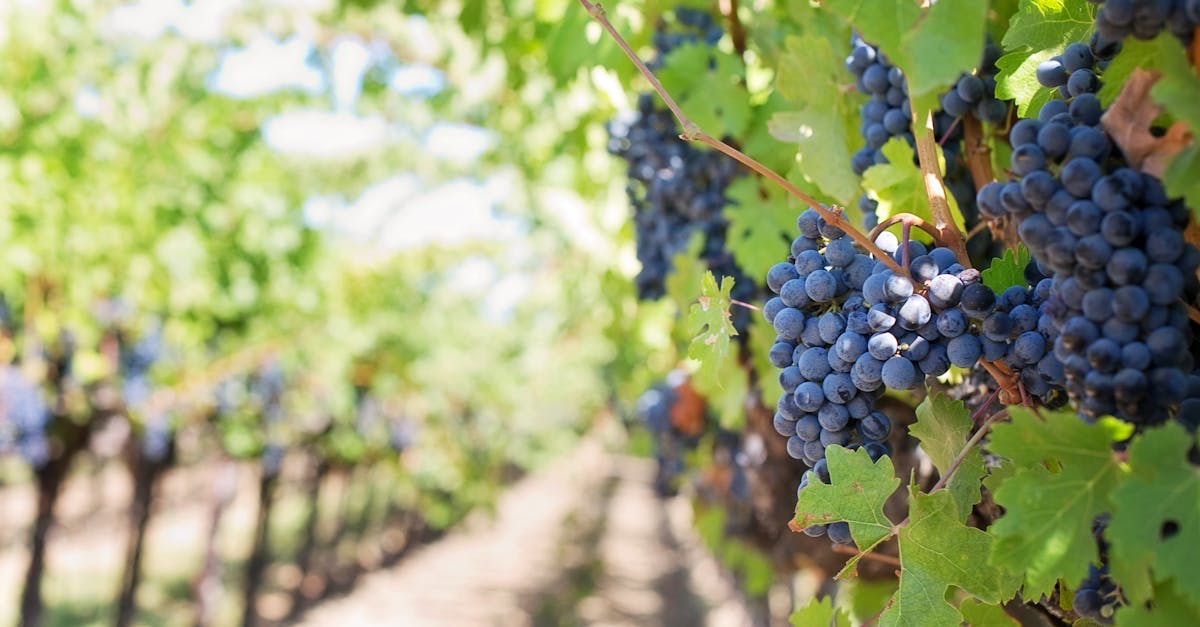
Various types: red, white, rosé, sparkling 🎨
Complex aromatic vibrations (fruits, spices, flowers)
Ease of pairing with culinary dishes 👩🍳👨🍳
- Wine 🍷
- Common aromas
- Beer 🍺
- Taste profile
- Domaine de la Romanée-Conti
| Red fruits, spices, earth | Lager | Hops, malt, cereals | Château Margaux |
|---|---|---|---|
| Black berries, vanilla, wood | Amber beer | Caramel, toasted cereals | Domaine Tempier (rosé) |
| Citrus fruits, red fruits, garrigue | Wheat beer | Spices, cereals, fruity | https://www.youtube.com/watch?v=ZMDvcBlvWxk |
| The finesse of the art of wine tasting compared to beer consumption | Wine tasting, It’s almost a ritual, an art that many enjoy practicing and exploring. Conversely, beer is often consumed more “laid back,” sometimes without asking too many questions. This isn’t a criticism, simply an observation. Wine is savored; it requires attention: we look at it, we smell it, we taste it, trying to understand its structure. This allows us to prolong the pleasure and better memorize it. | In tasting rooms like those in Bordeaux or wine regions, we learn to detect subtle notes. These moments also provide the opportunity to interact with enthusiasts and winemakers—a real social and cultural benefit. The best wines from Château Haut-Brion or Domaine Faiveley benefit from a complexity often beyond the reach of beer. This convivial and educational aspect elevates wine to the level of a true living art. Sensory progression 🎯 | Tasting ritual with techniques 🍽️ |
Wine education accessible to all 📚
Amazement at the complexity of vintages
Appearance Wine Beer
- Tasting time
- Longer, often ritualized ⏳
- Shorter, more spontaneous ▶️
- Aromatic complexity
- High, multi-layered 🌈
| Less complex, malty dominant | Atmosphere | Elegant, studious |
|---|---|---|
| Festive, relaxed | Wine encourages discovery and culture without the hassle | Both amateurs and novices appreciate the cultural richness that accompanies wine tasting. Discovering a wine also means diving into a whole story. Whether we’re talking about a prestigious wine like Château Margaux or a precious Domaine Tempier, each bottle tells the story of a terroir, a tradition. This exploration may seem intimidating, but it can be approached without any hassle thanks to the profusion of events and workshops available today. |
| With this in mind, the great Champagne houses Taittinger and Louis Roederer, for example, regularly offer tours and fun introductions. Discovering wine also means understanding a little better what goes into your glass, which makes the experience richer and more satisfying without ever being elitist. Wine thus acts as a bridge to areas of heritage, geography, and even ecology, particularly with the challenges of global warming, which are impacting already iconic cultures. | Accessibility of knowledge 🧩 | Discovering terroirs and expertise |
| Cultural travel without leaving home 🌐 | Wine events open to the public | Raising awareness of current ecological issues 🌳 |
House
Type of event
Objective Veuve Clicquot Champagne Fun tasting workshops
- Simplified champagne discovery
- Domaine Faiveley
- Private tours, winemaker meetings
- Increasing knowledge
- Taittinger Champagne House
| Open days | Education and sharing | Discover the fascinating world of wine: from grape varieties to terroirs, including food and wine pairings. Learn to taste and appreciate every sip, and explore the world’s best wine regions. |
|---|---|---|
| Wine, a versatile beverage suitable for all occasions | Another advantage wine has over beer is its ability to seamlessly blend into all kinds of occasions without ever seeming out of place. Whether it’s a family dinner, an aperitif with friends, or a special celebration, there’s bound to be a suitable wine. This versatility clearly distinguishes wine, which boasts an exceptional range of styles, from the full-bodied red of a Château Lafite Rothschild, to the fruity rosé of a Domaine Tempier, to the fine bubbles of a Lanson Champagne. | Beer, often more casual in nature, remains more associated with festive or informal events. Wine, on the other hand, can accompany a gourmet meal as well as be enjoyed on its own at a party. This ability makes it a safe choice when you want to hit the nail on the head without complicating things. Not to mention that some inexpensive wines, which you can easily find thanks to offers like those on |
| vin-et-chocolat.fr | , allow you to enjoy a wine without breaking the bank. Adaptability to Contexts 🎉🍽️ | Wide Variety of Grape Varieties and Styles |
| Easy Pairing with All Types of Dishes | Appreciated for Celebrations or Relaxation | Accessible to Experts and Novices |
Recommended Wine
Recommended Beer
Gourmet Dinner Château Margaux, Domaine FaiveleyStout, Porter
- Casual Aperitif
- Domaine Tempier Rosé, Champagne Lanson
- Pale Beer
- Sociable Party
- Veuve Clicquot Champagne
| Amber Beer | Wine, an Invitation to Conviviality and Warm Sharing | Beyond the taste, wine often embodies a unique moment of conviviality. It brings people together around the table, taking conversations to another level. It’s no coincidence that in many European cultures, the bottle is uncorked during reunions, family rituals, or moments of friendship. Wine invites us to slow down and savor the moment, whereas beer can sometimes encourage faster and less thoughtful consumption. |
|---|---|---|
| Evenings spent around a bottle of Domaine de la Romanée-Conti or Château Haut-Brion take on another dimension. They become precious moments, where sharing and discovery are at the heart of the exchanges. Wine encourages us to listen, to share stories, and to marvel at things simply, which often creates lasting memories and strengthens bonds. This warm and authentic quality is a real plus compared to beer, which, while festive, sometimes remains more superficial in its social interactions. Authentic moments of exchange 🗣️ | Invitation to take your time ⏳ | Creation of lasting memories 💫 |
| Family and friendly rituals | Culture of sharing and discovery | Social aspect |
| Wine | Beer | Duration of exchanges |
Longer and thoughtful
Often faster
Nature of conversations
- Authentic and in-depth
- More informal
- Setting
- Calm and warm atmosphere
- Festive and noisy atmosphere
| https://www.youtube.com/watch?v=M0Y7PuvHN7w | Wine, a constantly evolving field compared to beer | What also makes wine stand out is its constant dynamism. The global wine industry is continually adapting to new consumer expectations and environmental challenges, particularly in the face of global warming. |
|---|---|---|
| This translates into a shift toward more respectful and original wines, ranging from organic, biodynamic, and other eco-responsible practices. Today, we find a wide variety of initiatives, from small farms to major names like Château Lafite Rothschild and the Taittinger Champagne House, which are innovating to ensure quality and respect for nature. | This breath of innovation is not as common in the beer sector, although some microbreweries are trying to follow the trend. The field of viticulture thus offers a much broader creative palette, with natural, orange, or sulfite-free wines, which attract customers seeking responsible and authentic discoveries. Implementation of sustainable practices 🌿 | Development of organic and biodynamic wines 🌱 |
| Continuous oenological innovation 🚀 | Adaptation to climate change | Collaboration between prestigious estates and small producers |
| Initiative | Example estate | Impact |
Château Haut-Brion
Reducing pesticides and respecting the soil BiodynamicsDomaine Faiveley
Improved vineyard vitality
- Natural wines
- Small local producers
- Authenticity and reducing additives
- Packaging innovation
- Champagne Taittinger
| Waste reduction | Wine enriches culinary experiences better than beer | Finally, wine plays a key role in gastronomy. Its ability to accentuate or balance the flavors of a dish is widely recognized and practiced. In this area, beer can sometimes do the job, but when nuances need to be refined, wine often takes over. With a gourmet meal on the menu, it’s not uncommon to see Michelin-starred chefs recommending Château Margaux or Domaine Faiveley as ideal partners. |
|---|---|---|
| Certain cuisines, such as French, Italian, or even Japanese, have developed very precise food-wine pairings which allow you to explore the richness of tastes. Wine, through its diversity, can also be a cooking ingredient in traditional recipes, whether sauces, marinades or desserts. Besides, why not explore some good deals to find wines at reasonable prices, particularly with selections like on | vin-et-chocolat.fr | ? Beer, simpler, often provides a less refined complement. |
| Precise and refined food and wine pairings 👌 | Accentuation and balance of flavors | Varied culinary use |
| Partner of high gastronomy | Quality economical selections possible | Flat |
| Recommended wine | Recommended beer | Beef bourguignon |
Chateau Lafite Rothschild
Stout dark beer
Grilled fish Dry white wine (e.g. Pouilly-Loire) White beer
- Aged cheeses
- Domaine de la Romanée-Conti
- Amber beer
- Red fruit desserts
- Sweet wine
| Fruity beer | FAQ: everything you wanted to know about wine vs beer 🍷🍺 | Is wine really better for your health than beer? |
|---|---|---|
| Wine, especially red, contains antioxidants and can contribute to heart health if consumed in moderation. Beer provides B vitamins but has less protective effects. | Can you combine wine and beer in the same meal? | Yes, some meals support both, but for an optimal taste experience, it is better to choose wine with refined dishes. |
| How to choose a wine suitable for a limited budget? | Platforms like | vin-et-chocolat.fr |
| offer quality selections at low prices, allowing you to access good wines without breaking the bank. | Is wine accessible to novices? | Yes, thanks to the diversity of styles and the growing number of introductory workshops, wine is open to everyone without elitism. |
| Does global warming threaten vineyards? | Yes, but estates like Domaine Faiveley and Château Haut-Brion are innovating to adapt and maintain quality. |
