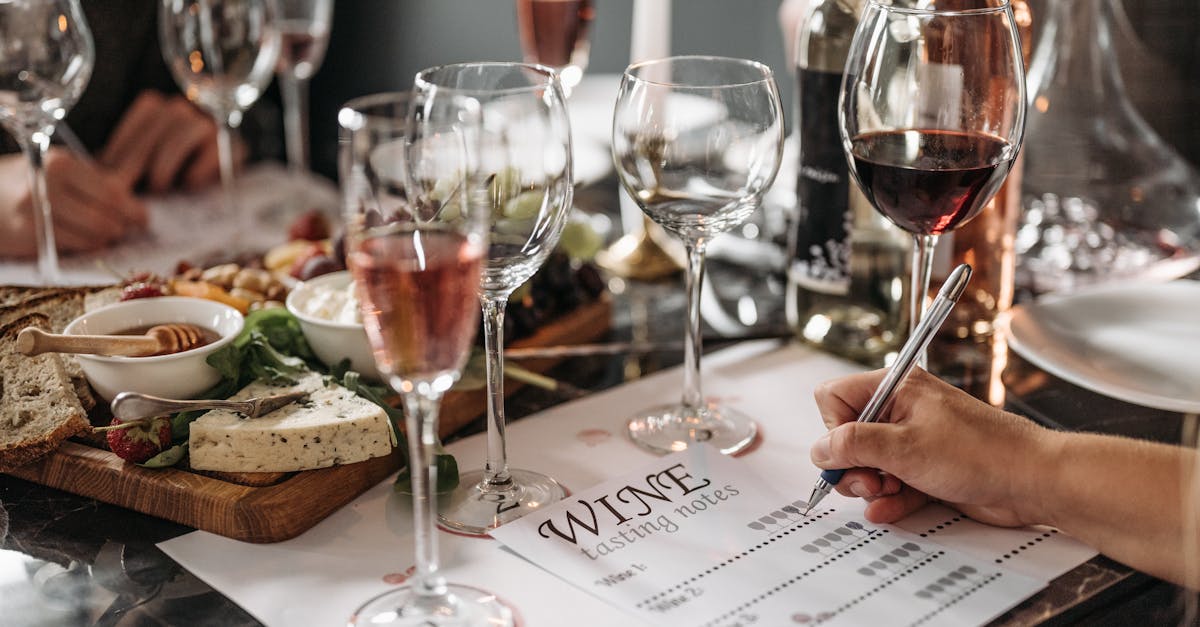
With the arrival of sunny days, rosé is establishing itself as the undisputed star of aperitifs, meals on the terrace, and moments of relaxation with friends. But while this wine is often perceived as simple and easy to choose, the reality is quite different. Between shades of color, grape varieties, regions, and alcohol levels, it’s easy to get lost in the face of the multitude of colorful bottles invading the shelves. However, choosing a rosé that pleases, that matches your tastes, and even the occasion, is not a matter of chance or a risky bet. This practical guide invites you to dive into the world of rosé wine to find, without any hassle, the ideal bottle that will delight your taste buds. Whether you’re an expert connoisseur or a novice, we’ve put together clear advice, simple tips, and reliable benchmarks so you never make a mistake again while lingering in front of the shelves. Between essential references like Provence Rosé, Château Miraval, Domaines Ott, and Gerard Bertrand, and emerging estates on the rise—Bastide Miraflor comes to mind—there’s a world to discover and enjoy without moderation. So, are you ready to learn to recognize the signatures of a tasty, refreshing rosé, perfectly suited to your taste buds?
Why should you always choose a young rosé for optimal enjoyment?
The first step in choosing a rosé is obviously to look at the vintage. Here, the golden rule is simple: rosé is best consumed young.Yes, you read that right. Generally, you should opt for a rosé less than two years old, with a strong preference for the very latest vintage, which in 2025 is 2024.
Why? Because rosé, unlike some reds or whites, is a wine that emphasizes freshness and liveliness. The fruity, floral, and sometimes slightly spicy aromas that will delight your palate flourish primarily in the first few years following the harvest. The delicate nuances offered by a young Château d’Esclans or the unique blends of Domaines Paul Mas therefore shine particularly brightly when the wine is recent.
That said, there are a few notable exceptions, but they require a more serious investment: certain appellations like Bandol, Les Baux-de-Provence, Vacqueyras, Marsannay, or certain Côtes de Provence classés can age for up to five years without losing their brilliance. Even then, caution must be exercised and avoid exceeding this limit, otherwise you risk losing the very essence of rosé.
Good to know: When baking, are you wary of sourdough bread that’s a little too stale? It’s the same here: rosé is better enjoyed fresh rather than overripe, so as not to miss out on its love at first sight effect.
To get the right wine for your next wine trip, here’s what you need to remember:
- 📝 Choose a recent vintage: ideally 2023 or 2024. 🍇 Exceptional vintages can last up to 5 years maximum.
- ⏳ Avoid old rosés, which may have lost their charm.
- 📅 Pay attention to labels; don’t be fooled by a beautiful bottle but an outdated wine.
- Selecting the best recent vintages is a good way to capitalize on the freshness, liveliness, and immediate pleasure of a rosé like those sold under the Miraval or Provence Rosé labels. To learn more about rosé winemaking and better understand its secrets, don’t hesitate to consult this guide to winemaking methods.
Discover our selection of refined rosés, perfect for accompanying your summer meals or evenings with friends. Enjoy unique flavors and a palette of delicate colors that will delight your senses. Why the color of rosé doesn’t say everything about its qualityA common misconception is that the paler the rosé, the better it is. However, the true quality of a rosé is not judged by its color; rather, it should reflect the grape varieties, the terroir, the blend, and the region from which it comes. And you’ll see, there’s a wide variety in terms of color, and it’s by playing with these nuances that some rosés stand out.

A little trick to avoid getting bogged down: imagine a dark glass where you can’t see the color of the wine. You’d then be forced to rely solely on the nose and taste, and you’ll quickly understand that color isn’t everything. It mainly serves to reveal the wine’s personality but in no way guarantees its quality or freshness. Rosé Type 🍷
Dominant Color 🎨
Taste Profile 🍓
Classic Examples
| Associated Regions | Pale Rosé | Light Salmon | Fresh, Floral, Delicate | Domaines Ott, Gerard Bertrand |
|---|---|---|---|---|
| Provence Rosé, Côtes de Provence | Dark Rosé | Raspberry, Copper | Powerful, Sometimes Sweet | Tavel, Bordeaux Clairet, Cabernet d’Anjou |
| Rhône, Bordeaux, Loire | If you want to learn more about the different colors and styles, the website | vin-et-chocolat.fr | offers a really good guide to understanding the rise of Provence rosé and its nuances. | https://www.youtube.com/watch?v=CdvNoz1yTr0 |
How does the price of rosé reflect its quality and origin? So, do we really have to stretch our wallets to enjoy a lovely rosé? Not so simple. The price of a rosé varies enormously, and it doesn’t directly indicate quality, but rather the investment, the rarity of the grapes, and the winemaker’s choices. Whether we’re talking about an affordable rosé between €4 and €8 or a grand cru wine costing over €50, each range has its own charm. Here are some clarifications to help you see things more clearly: 💰
: This range often includes Vin de Pays wines that can be very enjoyable, provided you choose wisely. These are generally simple, easy-drinking vintages, perfect for unpretentious aperitifs. To spot the best deals, check out this little guide:
favorite wines under 10 euros
.
- 🏆 Appellation rosés between 8 and 15 euros : This is often where the gems are found, particularly in Côtes de Provence, Domaine Paul Mas, or Bastide Miraflor, which produce wines with more personality, better balance, and a certain finesse. 🌟 Premium rosés costing over €15:These bottles feature iconic vintages such as Château d’Esclans, Miraval, and certain Bordeaux rosés from Les Vins de Bordeaux, crafted with the care worthy of great white wines. These bottles strive for excellence, sometimes with very low yields, meticulous aging, and hand-selected grapes.
- To balance budget and pleasure, it can be a good idea to alternate between these categories depending on the occasion and your desires. Moreover, enthusiasts can find some sound advice on affordable, quality rosés and avoiding certain pitfalls in this article not to be missed. Price Range 💸
- General Profile Examples of Estates Recommended Use
€4-8 Simple, accessibleDomaines Paul Mas, Bastide Miraflor (entry-level)
| Aperitif, simple meals | €8-15 | Balanced, refined | Provence Rosé, Côtes de Provence |
|---|---|---|---|
| Barbecue, terrace dining | €15 and up | Complex, intense | Château d’Esclans, Miraval, Domaines Ott |
| Special Occasions | Which are the essential terroirs for finding an exceptional rosé? If you love stories about terroir, there are places in France where it’s great to find rosé that will delight your taste buds. Of course, Provence is the undisputed star, offering vintages of rarely matched freshness and elegance, notably with the Provence Rosé, Bastide Miraflor, and the renowned Côtes de Provence appellation. Their climate, sunshine, and soils contribute to giving rosé wine its unique character. | But the pleasant surprises don’t stop there. The Rhône, in particular, offers a wide variety of rosés, often powerful, with a strong personality. The wines of Gerard Bertrand and certain vintages like Vacqueyras offer precisely this balance between intensity and freshness. The Loire also surprises with rosés with mineral and fruity notes that you might not necessarily suspect, while Bordeaux is no longer just a benchmark for prestigious reds, but also for elegant and structured rosés, like those from Les Vins de Bordeaux. Here’s a list of terroirs for rosé lovers: | ☀️ |
| Provence Rosé and Côtes de Provence | – The ultimate reference for light and elegant rosés. | 🍇 | Château d’Esclans |
and
Domaines Ott
– Iconic and accessible vintages. 🌿 Gerard Bertrand (Rhône)
– Expressive wines with a beautiful personality.
- 🏞️ La Loire – For lovers of tangy freshness.
- 🍷 Bordeaux – A rapidly growing and high-quality rosé production, as with Les Vins de Bordeaux. These terroirs clearly demonstrate that rosé is not just a southern affair, but an adventure that spans the entire country. To learn more about its geographical significance, follow this link wine and chocolate terroirs and regions
- . Discover our refined selection of rosés, ideal for accompanying your summer moments. Explore delicate flavors, floral aromas, and fruity notes that will awaken your taste buds. Find the perfect rosé for every occasion, from picnics with friends to dinners on the terrace. How much does alcohol influence your rosé experience? A good rosé isn’t just a question of flavor and color, but also of alcohol. Striking a balance between liveliness, freshness, and power often depends on the alcohol content, which for rosés generally hovers around 12 to 13%.
- With global warming, achieving and controlling this level has become a real challenge. Some regions struggle to stay below 13%, which can make some rosés heavier and less refreshing. However, we often look for rosés that remain light on the palate, refreshing, perfect for hot days. To achieve this, we shouldn’t go below 12% alcohol, otherwise we risk producing a wine that’s too watery and lacking in expression. The ideal is often to choose rosés around 12.5%, which offer a good compromise between body and lightness. Alcohol Content 🍷 Impact on Taste
- Choice Tips < 12% Often light, sometimes watery, with little flavor
Avoid with some exceptions 12-13%Ideal: balance of freshness and complexity
> 13%
More powerful, may lack freshness
Preferred for full-bodied rosés
Here too, the expression of the terroir plays a key role. Some Gérard Bertrand rosés, for example, with higher temperatures, reach an alcohol content close to 13% but remain balanced thanks to their particular style. To discover how alcohol plays a role in tasting, this site
| offers a good analysis | . | Roses aren’t just for summer: when and how to enjoy them all year round? |
|---|---|---|
| Who said rosé was only drunk in the middle of summer, by the pool? You’ll be surprised to discover that this pastel wine can perfectly complement a wide range of meals and can be enjoyed without moderation throughout the seasons. In 2025, wine merchants have fully grasped this trend and now offer a selection of rosés to be consumed year-round, such as those from Château Miraval or Bastide Miraflor. To help you choose according to the occasion, rosé can be divided into two main categories: | 🌞 | Friand |
| : The perfect companion for impromptu aperitifs, get-togethers with friends, or lighthearted moments. It is best served chilled (8-10°C), is low in alcohol, and very easy to drink. Perfect for pétanque, casual barbecues, and picnics. | 🍽️ | Élégant |
| : More complex, this rosé holds its own at the table, alongside a seafood dish, a summer salad, or even a sophisticated barbecue. It requires a slightly higher temperature (10-12°C) to deliver all its nuances and offers a beautiful fullness on the palate. | This segmentation guides the choice of many wineries, notably | Miraval |
or Domaines Ott, which offer vintages suited to these different occasions. If you’re looking for variety, consider playing the versatility card with a rosé by Gerard Bertrand. And to spice up your evenings, why not try some explosive rosé cocktails? The recipes are available and suggested on this page:
Rosé-based cocktails
.
- Rosé and gourmet food: what pairings enhance this refreshing wine? To truly showcase a rosé wine, nothing beats a well-thought-out food and wine pairing. Rosé is a favorite of light and fresh cuisine, but it can also surprise with richer dishes, provided you play with contrast or complementarity. At the table, it’s best not to overlook these winning combinations: 🍤
- Seafood and grilled fish: The classic pairing that works every time, ideal with Miraflor or Domaines Paul Mas bastide rosés. 🥗 Gourmet salads and vegetarian dishes:
Lightness and freshness are the order of the day, with rosés from Provence, such as Rosé or Château Miraval, to be preferred. 🔥 Barbecue and white meats: The structure of elegant rosés like Gérard Bertrand helps balance the flavors.🍛 Exotic cuisine:The fruity notes of rosé soften the spices in Thai or Indian dishes.
Mild cheeses: Munster, goat cheese, feta—rosé can be a superb companion to cheese platters. Here’s a table that perfectly summarizes these pairings:
Dish 🍽️
- Recommended Rosé 🍷 Recommended Domaines Seafood
- Fresh and Light Rosé Bastide Miraflor, Domaines Paul Mas Salads and Vegetarian Dishes
- Fruity and Floral Rosé Provence Rosé, Château Miraval Barbecue
- Elegant and Structured Rosé Gérard Bertrand, Domaines Ott Exotic Cuisine
- Rosé with Fruity Notes Miraval, Château d’Esclans Cheese Platter
Sweet and Balanced Rosé
| Les Vins de Bordeaux, Bastide Miraflor | But be careful, don’t fall into the trap of choosing a pre-made “grapefruit” rosé, which is often too sweet and unnatural. Instead, make your own homemade blend by squeezing a little pink grapefruit at home to accompany your Friand rosé. It’s simple, natural, and a thousand times better. More information here: | Rosé wine and pairings |
|---|---|---|
| . | Do you really need to add ice cubes to chill rosé? | This practice seems popular, especially during hot weather, but it’s often frowned upon by informed wine connoisseurs. Adding ice cubes to a so-called “swimming pool” rosé is a bit like diluting the magic. The ice cubes melt quickly, transforming the wine into clear water, and masking its delicate aromas. So yes, a chilled rosé is great, but the technique for keeping it at the right temperature often involves chilling it for at least two hours beforehand and serving it between 8 and 12°C, depending on whether it’s Friand or Elegance. A popular tip: keep Italia grapes in the freezer and use them as ice cubes! They’re refreshing without diluting, and they’re delicious too! |
| ❄️ Always chill your rosé before serving. | 🍇 Ice cubes made with frozen grapes to avoid dilution. | 🥂 Choose a Friand rosé instead if you prefer it super chilled. |
| 🚫 Avoid classic ice cubes, which spoil the flavor. | To ensure you don’t miss out on the pleasure of rosé, keep in mind that it’s first and foremost a wine to be savored, not just a sparkling soda. More details can be found on this site: wines to avoid and best practices. FAQ: Everything you need to know to never mess up your perfect rosé again! | ❓ |
| What is the ideal temperature for serving rosé? | Between 8 and 12°C (46 and 54°F) depending on the style: cooler for a Friand rosé, a little warmer for an Elegant rosé. | ❓ |
| Can rosé age like red wine? | Rarely, except in certain prestigious appellations where it can age for more than three to five years without losing quality. | ❓ |
Is the color of rosé a quality criterion? No, it depends mainly on the grape variety, region, and style, and is not a reliable indicator of quality.❓
Can you drink rosé all year round?
Absolutely! Rosé is a versatile wine that adapts to all seasons and all occasions.
❓
- How can you avoid choosing a rosé that’s too sweet or too light?
- Choose a rosé with at least 12% alcohol and recognized appellations, and avoid ready-made industrial “grapefruit” products.