Imminent Closure and Liquidation of an Iconic Wine Cellar in La Roche-sur-Yon
The wine and gastronomic scene in La Roche-sur-Yon is experiencing a sudden change with the announcement of the permanent closure of a local wine cellar, a favorite with connoisseurs and lovers of fine wines. After several years of presence in the town center, this cellar, which was a true landmark for fine wine lovers, is forced to hold a final sale due to economic difficulties and increased competition. The closure of an establishment of this type, often seen as a symbol of conviviality and sharing, is already causing great emotion among its loyal customers, industry professionals, and the local community. Inventory liquidity, in a context of clearance sales, is reaching its peak, with a cellar clearance operation that could yield some good deals for the fastest-moving customers. The closure of the winery is part of a broader restructuring of traditional businesses in the face of the rise of online commerce. Find out everything you need to know about closing a wine cellar: reasons, procedures, and tips for protecting your precious bottles. A practical guide to successfully managing the closure of your aging space.
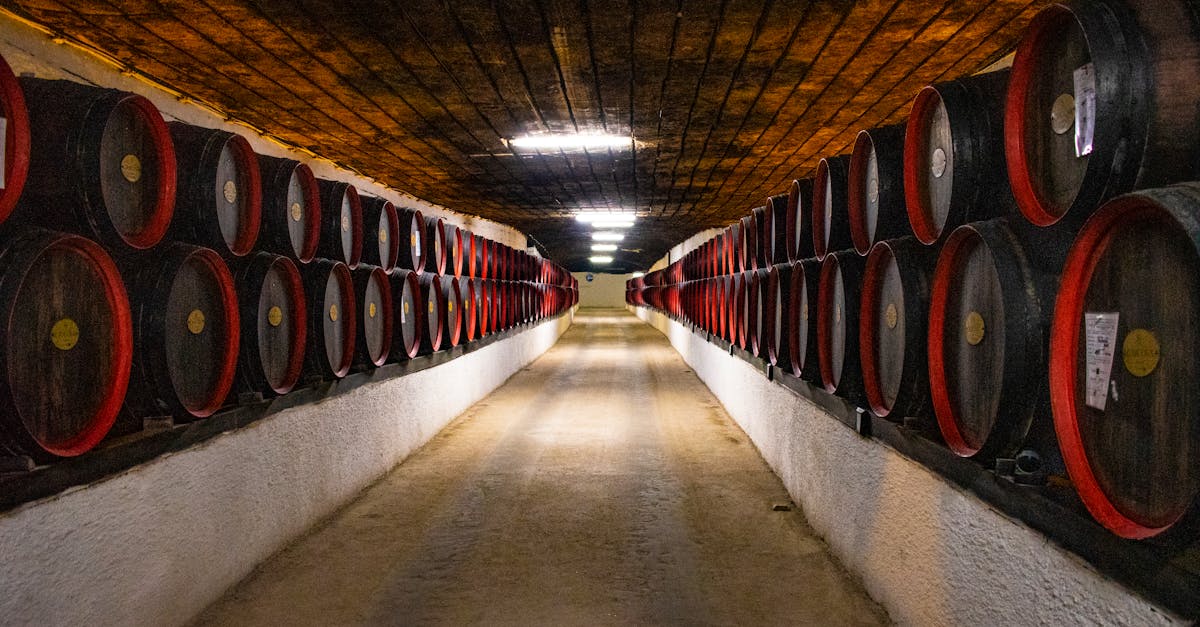
Financial indicators for 2025 reflect a challenging environment for many small businesses, particularly in the wine and spirits sector. The once-thriving winery in the Yonne region is facing a bleak economic climate that is hampering its traditional sales. Rising supply costs, declining tourist numbers, and competition from major online sales platforms partly explain this race against time. Furthermore, managing a plethora of bottle inventories, sometimes with low margins, no longer ensures long-term profitability. The decision to liquidate the winery is also based on a desire to quickly dispose of assets and avoid irreversible decline. The cellar clearance strategy, often used when closing a business, then becomes an essential step to prioritize the sale of remaining bottles at attractive prices. Economic Factors Influencing the Closure of a Wine Business
📉 Decrease in revenue due to the economic climate
🛍️ Rise in e-commerce and specialty supermarkets
- 💸 Rising supply and storage costs
- 👥 Decrease in local and tourist clientele
- 📊 Low margins on certain rare or niche wines
- https://www.youtube.com/watch?v=dq8K3qspOyI
- Liquidation sales, cellar clearance, and final sales: a final farewell for wine lovers
Discover everything you need to know about closing a wine cellar: practical advice, secure procedures, and tailored solutions to preserve the quality of your wines. The best opportunities during cellar clearance
🔖 Significant discounts on in-stock wines
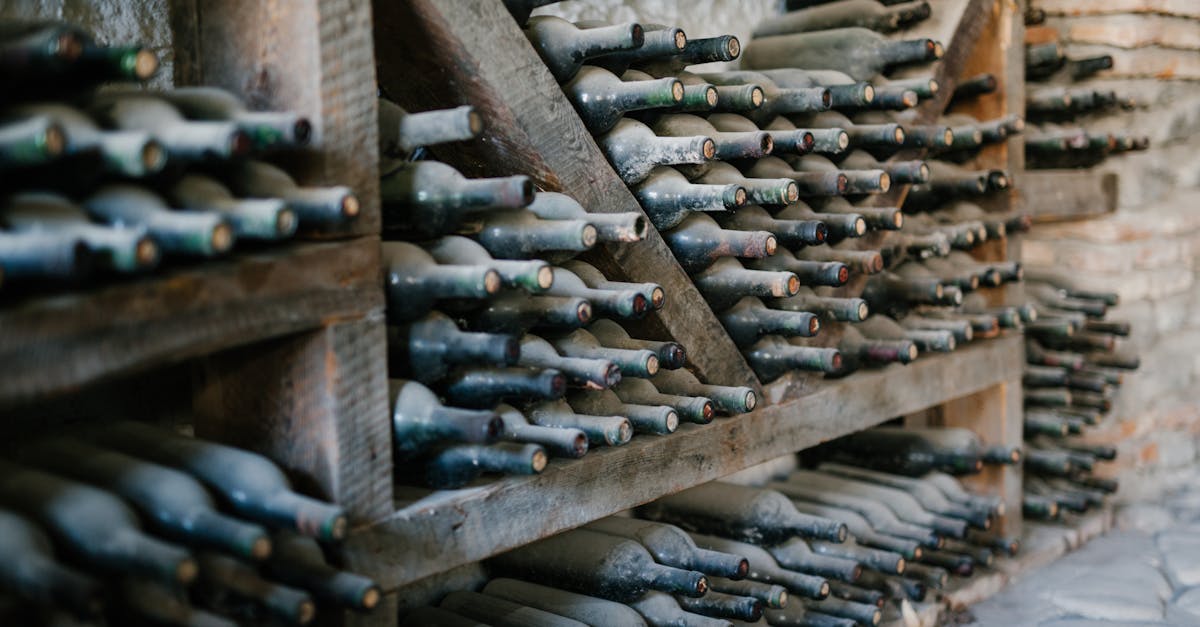
✨ A real opportunity to build or expand your personal cellar
- 🏷️ Negotiations with sellers are possible for group purchases
- 🔑 Last items available, often in limited quantities
- The impact of the closure on the local wine market in La Roche-sur-Yon
- The permanent closure of this wine cellar is a major blow to local commerce, but also to the cultural dynamics surrounding wine in the region. Over the years, the shop had become a meeting point for wine lovers and connoisseurs, promoting the dissemination of knowledge and the discovery of wines from different French and foreign regions. Its disappearance raises questions about the future for small establishments struggling to survive in the face of the power of large brands and digital platforms. Furthermore, the closure may lead to a reduction in offerings and a potential price increase at other local retailers. However, it could also encourage a rethinking of the business model, incorporating more events, tastings, or collaborations with local wineries, in order to revitalize a changing market. Major Consequences
- Direct Impacts
🌍 Loss of a local player
Reduction in the fine wine offering in La Roche-sur-Yon
| 📉 Decreased diversity | Less choice for consumers |
|---|---|
| 🤝 End of partnerships with winemakers | Fewer local events or tastings |
| 💡 Opportunities | Consideration of new digital cellar concepts or deployment of pop-up stores |
| Discover everything you need to know about closing a wine cellar: best practices, storage tips, and key steps to preserve the quality of your bottles. | Reactions and future prospects in a changing market |
| The end of this wine cellar comes from a rapidly changing context. The closure triggers a variety of reactions: sadness among regulars, indifference among some, but also a real opportunity for other players to invest in a new form of commerce. This situation also leads us to reflect on the future of the wine merchant profession in a landscape where consumers are becoming more demanding and informed, thanks to the emergence of specialized platforms, wine clubs, and digitalization. The closure of this winery in La Roche-sur-Yon could lead to the emergence of new projects, such as pop-up cellars, online sales, or even wine events outside traditional venues, to renew the way we consume and discover wine in 2025. | https://www.youtube.com/watch?v=fUrpz7twcq0 |
🌟 Rethinking wine distribution in line with new consumption patterns
📱 Harnessing the potential of digital technology to maintain customer proximity
💼 Being more economical in the face of the profitability of physical points of sale
- 🔮 Anticipating the revival or transformation of the wine merchant network
- Frequently Asked Questions
- Is the liquidation of this winery a trend in the region? Yes, according to several local sources, such as
- La Roche-sur-Yon and Challans
- , several retailers are facing similar difficulties, particularly those specializing in the sale of wines and spirits. The economic crisis, coupled with increased competition, is forcing some to sell their businesses. This trend is intensifying in 2025, leading to more frequent liquidations and clearance sales.
What happens to the wines after a winery closes?
Wines in stock are generally offered on liquidation or clearance sale, allowing wine lovers to benefit from a last chance to acquire bottles at a reduced price. Many opt for consignment or direct sales to quickly liquidate their stocks, avoiding deterioration or depreciation of the remaining bottles. For some, it is also an opportunity to obtain rare wines at a lower cost, in a context where demand for the wine library in liquidation is increasing.
What are the risks for the local market following the closure of a cellar? A closure can reduce diversity and supply, especially in a region where the wine sector is strategic. The reduction in points of sale can increase dependence on other stores or online platforms. However, this also opens the way to innovations, such as ephemeral sales, pop-up stores or collaborations with local winegrowers, in particular to boost an offer which must adapt to new modes of consumption, in particular online purchases or oenological subscriptions.Source: