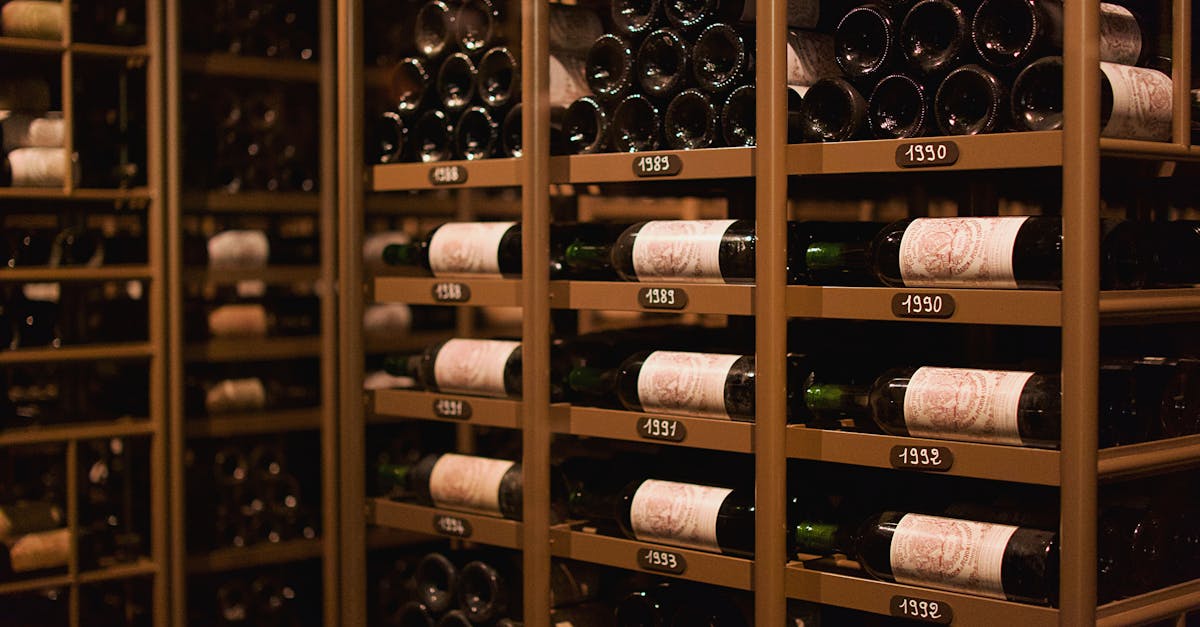
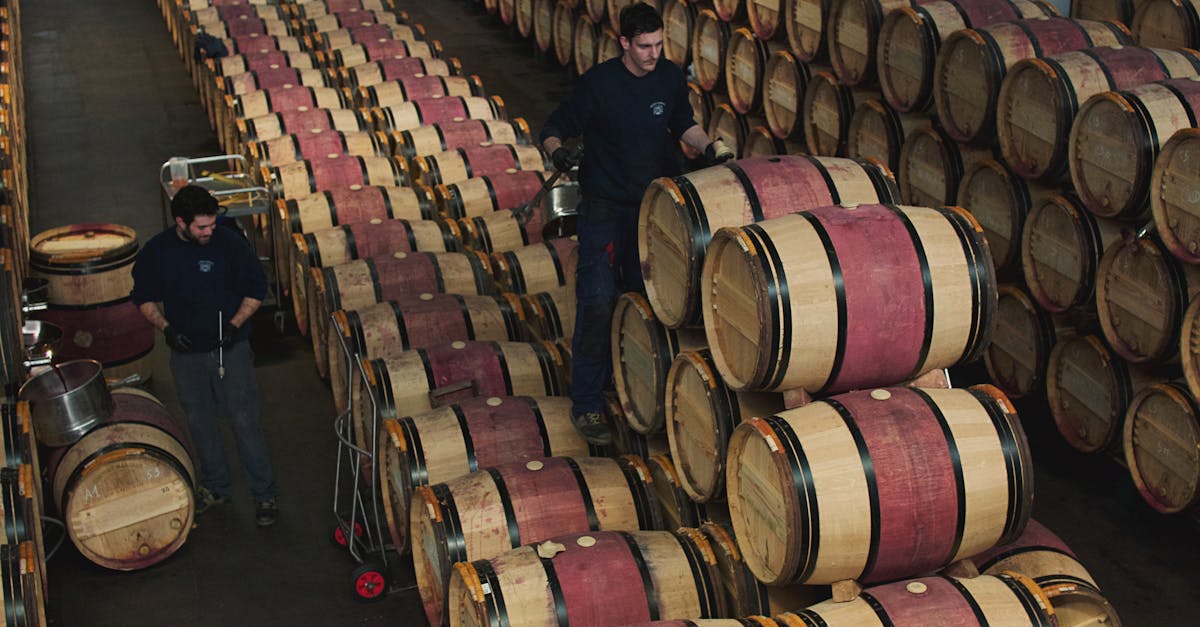
You’ve stumbled upon that fine Southwest wine you enjoyed at a friend’s house, at Château Montus or Domaine des Terrisses, and now you’re wondering how to keep it at its peak at home? There’s no question of letting its quality slip away like a bad fairy tale. Storing wine isn’t just about setting it aside; it requires real expertise that plays a role in several factors: temperature, humidity, darkness, and, of course, the famous cork. We’re talking about wines with character, like those from Château Laffitte or Domaine de Bouscassé, renowned for their aging potential. Whether you have a few bottles at home or a small cellar like Domaine de Lisennes, you have to play your best to avoid mistakes that can ruin a vintage.
Temperature, light, and the position of the bottle are key elements to monitor and control. Too high a temperature accelerates aging, while sudden changes unleash it and disrupt the aromas. Next, forget about the sun’s rays, which can seriously damage your favorite Clos Triguedina. The cork, often made of cork, remains the bottle’s guardian; it must remain moist to promote aging without paranoia. Humidity in the air is also essential, but beware of mold!
This article takes you on a comprehensive overview of how to store your Southwest wines in the best possible conditions, with a focus on quality and tasting pleasure. With an eye on iconic estates like Château de Gaube and Domaine de Combebon, discover simple but foolproof tips, as well as mistakes to avoid, to ensure each bottle retains its class.
Why is maintaining a stable temperature the first rule for your Southwest wines?
Let’s start with the basics: temperature is the key to keeping your wine intact. Southwest wines, whether from Château de Maniban or Domaine des Terrisses, are gems that require a calm and stable environment. Imagine a temperature that regularly fluctuates between 10 and 20 degrees Celsius, and you can understand that your bottle is going to suffer. 🤯
It is generally recommended to store wine between 10 and 15 degrees Celsius. This is the ideal range for the wine to evolve without turning sour or solidifying. At higher temperatures, aging accelerates, and the fruit can quickly turn sour or lose all its vigor. At temperatures that are too low, some of the powerful aromas of local grape varieties like Tannat or Malbec will struggle to express themselves.
And be careful, we’re not just talking about having a good average; it’s also important to avoid unwanted peaks. Sudden changes in temperature, such as moving from a cool cellar to a heated living room, can ruin years of aging. So, avoid the cupboard under the boiler or a kitchen exposed to the sun. Choose a cool, dark place, such as a traditional cellar, or a modern, temperature-controlled wine cabinet if you live in the city.
- 🧊 The temperature should be stable between 10 and 15°C.
- 🌡️ Avoid sudden fluctuations which accelerate deterioration.
- 🏠 Choose a cool location away from direct light.
- ❄️ Opt for suitable solutions such as a cellar or wine cabinet. Type of wine 🍷
| Optimal storage temperature 🌡️ | Effects of poor temperature ⚠️ | Southwest red wines (Tannat, Malbec) |
|---|---|---|
| 12-15°C | Accelerated aging or dried cork | Dry white wine (e.g., Château de Gaube) |
| 10-12°C | Loss of fresh aromas and dulled acidity | Rosé wine |
| 10-13°C | Rapid deterioration of fruit and oxidation | Sparkling wine |
| 6-8°C | Loss of bubbles and rapid deterioration | For those who want to immerse themselves in a complete sensory experience, nothing beats temperature-controlled storage. If you’re curious about wines from regions other than the Southwest, take a look at this insight into Burgundy white wines or Burgundy rosé wines, which also require special care. |
https://www.youtube.com/watch?v=DEylk0WHCO4 Humidity and Darkness: The Discreet Guardians of Your Bottles’ Quality After temperature, two other essential elements in your quest for the perfect wine are humidity and darkness. In the deep cellars of Domaine de Combebon or Château Montus, these conditions are often natural, but at home, you sometimes have to do your part. The ideal humidity is around 70%. Below that, the corks dry out and allow air to pass through, contaminating the wine. Beyond that, you risk mold growth, not on the wine itself, but on the label and cork, which isn’t great for identifying your treasures or for your pride as a connoisseur of fine wines. To achieve this, here are several easy tips:
🌿 Use a humidifier if you live in an apartment or if the air is too dry
🕶️ Keep your bottles away from light, especially UV rays, which can degrade the aromas 📦 Avoid cellars with excessive exposure or cupboards with natural light Wine doesn’t like pools of light. Whenever your bottle is exposed, UV rays are part of the show, but not the good kind. They cause accelerated oxidation and can give what’s called a “light” taste, which spoils the tasting experience. So, do as you do in the Château de Maniban vineyard: favor shade and privacy. Factor 🧩Impact on wine conservation 🍇
Practical advice 🛠️ Low humidity < 60%
Cork that dries out and oxidizes the wine
- Humidify the air with a bowl of water or a humidifier
- Excessive humidity > 80%
- Mold on the cork and label
- Ensure good natural or mechanical ventilation
Natural light and UV rays
| Rapid oxidation and unpleasant taste | Storage in a dark place or in a UV-protected wine cabinet | Speaking of preserving wines as well as at home, it’s always cool to see how experts handle their wines. A few simple tips implemented at wineries like Clos Triguedina reassure you of the robustness of these fine Southwest wines. And to help you discover different styles, also consider exploring other terroirs like Savoie with these valuable tips on Savoie and Bugey wines. |
|---|---|---|
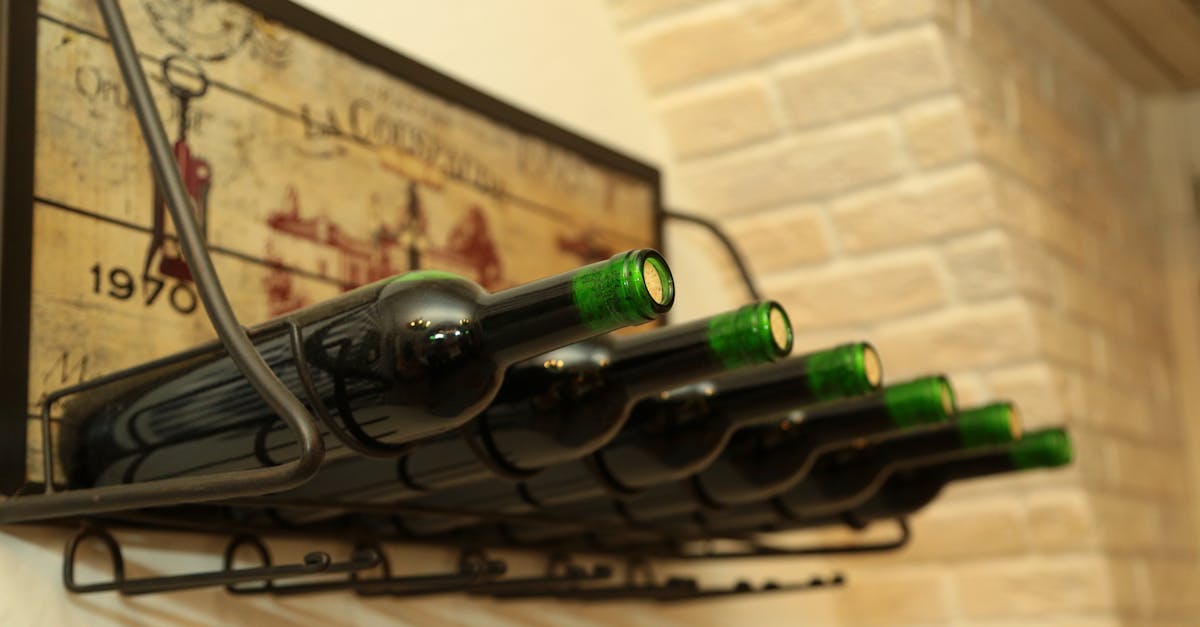
| Discover innovative solutions for preserving your wine. Extend the life of your bottles with our tips and products dedicated to preserving aromas and flavors. Perfect for wine lovers looking to enjoy their collection in the best conditions. | How do the position and type of cork ensure the longevity of your bottles? | The position of the bottles in your wine cellar isn’t a detail, but a crucial factor in maintaining the wine’s quality. For example, at Domaine de Bouscassé, they take great care to lay the bottles flat. Why? So that the cork remains constantly moist thanks to contact with the wine. 🛑 If the cork dries out, it lets air through and, bam, oxidation. |
| Storing your bottles horizontally also maintains a good seal, preventing the wine from evaporating or odors developing. It’s a classic that works too well to ignore. It’s a shame we sometimes see bottles standing upright in improvised cellars, resulting in a much less pleasant aging process. | When it comes to corks, not everything is good: | 🌳 Natural cork |
| remains the best ally of wine that ages gently. It’s porous, allows a little air to pass through, and provides a balance between protection and breathability. This is what you’ll find on bottles from Château de Gaube or Domaine des Terrisses. | ⚠️ Synthetic corks, on the other hand, are less recommended. Too airtight, they block natural aging and can distort flavors. | 🔧 If a cork is damaged or dry, it’s best to replace it before it turns sour. Cork Type 🍾 |
Advantages 🌟 Disadvantages ⚠️Natural Cork
Can dry out if stored improperly
Synthetic
Cheaper, airtight Hinders wine’s development, alters aromas
Screw Cap
- Practical, does not dry out Not suitable for wines for aging Furthermore, bottles must be handled gently, avoid shocks, and be patient for a few days after purchase to allow the wine to recover. A little tip for organizing your cellar: label your bottles with the vintage and grape variety so you can find them without destroying their storage. To learn more about the different types of wine, take a look at the characteristics of Madiran wine, emblematic of the Southwest. https://www.youtube.com/watch?v=ohzoOxJpp68
- Ideal shelf life and tips for preserving your Southwest treasures
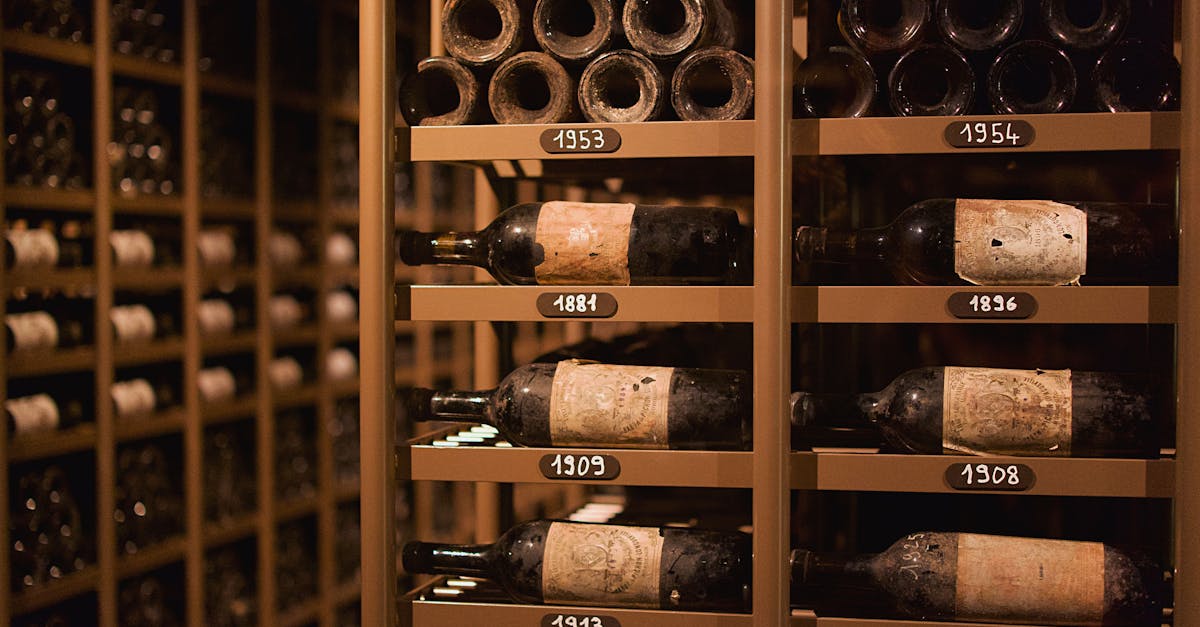
- Every wine has its time. Some, like those from Domaine de Lisennes, will reach their best after 5 to 10 years, while others, like the rosé wines from Château Laffitte, are made to be drunk young and fresh. For example, a good Malbec from Domaine de Combebon can be kept for 8 to 12 years if stored properly, but a rosé is more fragile.
| A table to help you find your way around: | Type of wine 🍷 | Estimated shelf life ⏳ |
|---|---|---|
| Consumption recommendations 🥂 | Red wines (Tannat, Malbec) | 5 to 12 years |
| Store at a stable temperature, open gradually | Dry White Wines | 1 to 5 years |
| Drink chilled for younger wines | Rosé Wines | 1 to 3 years |
Drink quickly, avoid long storage Champagnes and Sparkling Wines1 to 3 years
If you store your bottles correctly, it’s a bit like giving your wine a luxury spa to help it age well. Each wine has its own profile, as detailed in this guide to
Provence wines
or the specificities of
| Alsace sweet wine | to broaden your taste horizons. Practical tips to stay on track: | 🗂️ Regularly organize your cellar and list your bottles |
|---|---|---|
| 🔄 Rotate your bottles every 6 months to keep the corks moist | 🧼 Clean your cellar to avoid dust and unwanted odors | 📅 Write down purchase dates and vintages on labels or a notebook |
| ❄️ Use a temperature and humidity control system | Discover the best wine preservation techniques to maintain its aroma and quality. Learn how to store your bottles to fully enjoy every sip. | Mistakes to avoid to avoid ruining the storage of your Southwest wines |
| Here’s a look at some classic pitfalls that deserve to be highlighted to avoid disappointments: | 🔥 Never leave your wine in a place that’s too hot, or near heat-generating appliances like ovens. 🌞 Avoid exposing your bottles to natural light or overly intense artificial light sources. | 🎶 Vibrations, surprisingly, are harmful to wine: avoid cellars near washing machines or other noisy equipment. |
| 📦 Don’t leave your bottles in their boxes for too long, as humidity can cause the boxes to mold and retain unwanted odors. | ❌ Don’t consume a wine with a visibly dry or damaged cork without checking it first. | Common Mistake 🚫 |
Consequences for the Wine ⚠️ Simple Solution 💡 Area Too Warm or Fluctuating Premature Aging and Loss of Aromas Cool, Stable Cellar or Wine Cabinet
Direct Light
- Emission of Light Flavors, Alteration
- Dark Storage or UV-Protected Glass
- Vibration and Noise
- Alteration of Aging
- Away from Noisy Electrical Appliances
Off-Kind Odors and Label Degradation
Prefer Wooden Racks or Holders
- Dry Cork
- Alteration of Wine and Oxidation
- Change the Cork if Necessary
- These tips aren’t just idle talk; they’re the little secrets found in the best cellars, places where Domaine des Terrisses and Château Montus pamper their bottles. To better understand the delicacy of sparkling wine, you can also look at how Champagne is made, which also requires careful storage. Discover the best wine preservation techniques to preserve its aromas and flavors. Learn how to store and serve your wine to fully enjoy every sip, while preventing oxidation and deterioration of your favorite bottles.
- FAQs about Storing Southwest Wine
| What is the best temperature for storing Southwest wine? | Between 10 and 15 degrees Celsius, at a constant temperature, to avoid harmful fluctuations. | Do bottles have to be laid down? |
|---|---|---|
| Yes, to keep the cork moist and prevent air from entering, except for screw caps. | Can rosé wine be stored for more than 3 years? | Generally, rosés are best consumed young (1 to 3 years); they are not designed for long-term aging. |
| How can I prevent my cork from drying out? | Store the bottle horizontally in a place with humidity around 70%. | What are the signs of poorly stored wine? |
| Diminished tastes, corky smell, flat aromas or a “light” taste due to overexposure to light. | ||