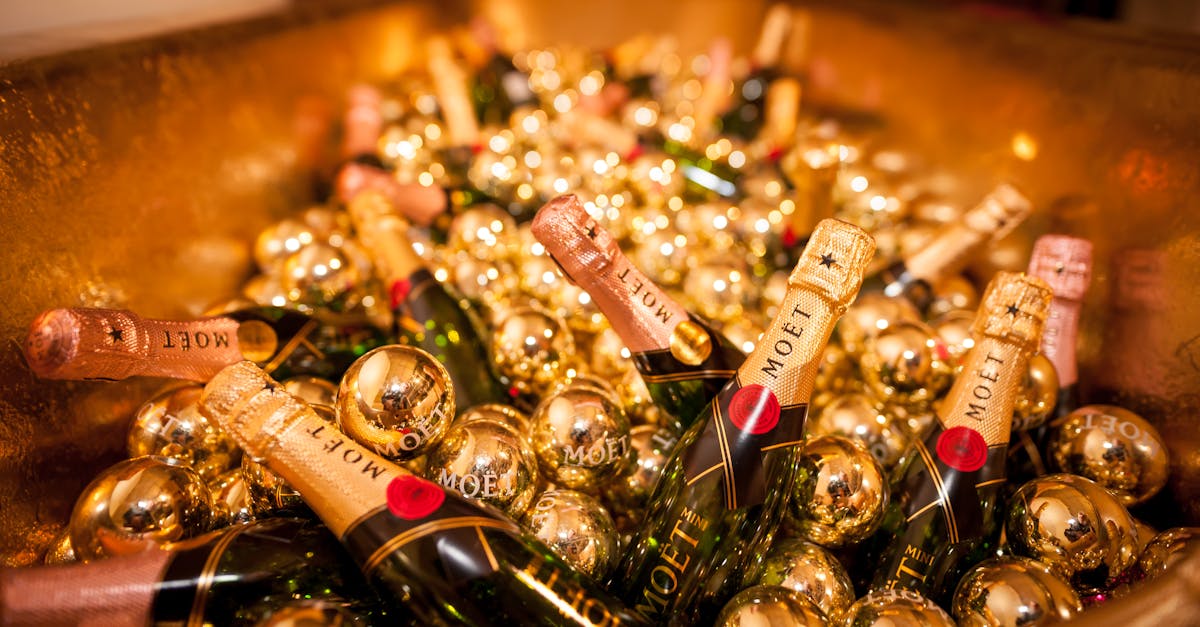
Champagne wine continues to turn heads and fascinate connoisseurs and experts alike. This sparkling nectar, a symbol of festivity and elegance, is not to be enjoyed lightly. Behind its joyful effervescence lies a complex universe, where each bottle tells a unique story, shaped by the meticulous work of houses like Moët & Chandon, Veuve Clicquot, and Dom Pérignon. Whether you’re a novice or already experienced, understanding the subtleties of Champagne, from its ideal temperature to the choice of glass, allows you to get the most out of every sip. It’s an art that combines observation, sensations, and respect for tradition. Simply opening a bottle isn’t enough to fully experience this exceptional wine. Savoring Champagne means listening to its stories, inhaling its secrets, and playing with its constantly evolving aromas. Discover how to conduct this tasting with flair and without fuss. Not to mention a few tips for finding the best vintages of the moment, whether they’re vintages or from world-renowned terroirs, like those from the region highlighted on vin-et-chocolat.fr. In 2025, the quest to unearth an excellent Champagne also involves understanding exceptional vintages and their aromatic developments. We’re thinking in particular of the superb creations resulting from the expertise of Krug ,Bollinger
, and Laurent-Perrier. So, are you ready for a detailed and accessible overview of all the steps that will make you a true Champagne connoisseur? Well, we’ve put together this comprehensive and hassle-free guide! 🥂
Temperature and Service: Why It’s the Key to a Perfect Champagne If you think you can enjoy your bottle of Champagne any way you like, think again. The temperature at which you serve this sparkling wine greatly influences its taste and aromas.At what temperature should you serve your Champagne? To get it right, the ideal temperature for classic champagnes is between 8 and 10°C. This coolness reveals the vitality of the bubbles and allows the floral and fruity aromas to express themselves without being stifled. For exceptional champagnes, such as a Dom Pérignon or a vintage, it’s best to raise the temperature slightly, between 10 and 12°C. This will dazzle your eyes by capturing all their aromatic complexity. But how do you reach the right temperature without struggling? Here are some hassle-free tips: Refrigerate the bottle 4 hours before serving ❄️Use an ice bucket filled with water and ice cubes for 20 minutes 🧊
Do not freeze the bottle; this will harm the structure and finesse of the champagne 🚫❄️
Note that temperature not only determines the taste pleasure, but also the perception of the bubbles. Champagne served too cold will imprison its flavors, while a temperature that’s too high will impair the freshness and risk quickly losing the effervescence.
Discover the refined world of champagne, this prestigious sparkling wine that embodies elegance and celebration. Explore the different varieties, production methods, and gourmet pairings that will make every occasion unforgettable. The greatest champagne houses and their serving style Each great Champagne house has its own unique recipes and tips. Moët & Chandon, for example, recommends serving chilled but not iced, so that its famous Brut Impérial fully expresses its fruity and vinous character. Veuve Clicquot is less strict, advocating gentle cooling that preserves the power and roundness of its Yellow Label. For Laurent-Perrier, finesse and freshness are the order of the day, with careful service around 9°C.Summary table of ideal serving temperatures 🌡️
Type of Champagne 🥂
- Ideal Temperature (°C) 🌡️
- Effect on tasting
- Classic Champagne (Brut, Non-Vintage)
8 – 10
Vintage Champagnes & Special Cuvées
10 – 12 Aromatic complexity revealed, fine bubbles preservedRosé Champagnes 8 – 10 Accentuation of red fruits and freshness To further understand the style of champagne, temperatures play a key role. When the bottle is well chilled, even a Perrier-Jouët reveals its elegant bouquet, and a Ruinart impresses with its finesse.https://www.youtube.com/watch?v=PCAb6ZbzqmE
Observe, Smell, Taste: The Key Steps of Champagne Tasting
| To savor champagne with excellence, you must take the time and proceed step by step. Tasting isn’t just about bringing the glass to your mouth; it also involves the senses and a small ritual worthy of this star wine. | The eye analyzes the color and bubbles | This isn’t just a fad. Observing the wine in the glass tells you a lot. The color, finesse, and consistency of the bubbles already provide valuable clues: |
|---|---|---|
| 🎨 | The color | varies from light straw yellow to intense golden hues. A young Champagne will appear paler, while a vintage will often have a deeper color. ✨ |
| Bubbles | demonstrate their quality. The finer and more numerous they are, the more controlled the secondary fermentation is. A good champagne is often a ballet in a continuous column. | 🌟 |
| Clarity | is also an important sign: a clear and bright liquid is always a positive sign. | The nose captures the first aromas |
The nose is a two-step process. First, without moving the glass, we soak up the lighter aromas, often fruity or floral (apple, pear, acacia). Then, after a gentle swirl, the scents evolve toward complex notes: honey, brioche, ripe fruit, even dried fruit, a true feast for the senses and a sign of quality. The palate reveals the taste profileWhen it’s time to taste, take a small sip and let the liquid play on the palate. Here’s what to look for: ⚖️ A good balance between acidity, alcohol, sweetness, and effervescence 🍏 Fresh fruity, floral, or mineral sensations 🕰️ A long finish, the unmistakable sign of a great champagne Tasting notes naturally vary depending on the house. For example,
is known for its power and aromas of brioche and walnuts, while
Louis Roederer
cultivates a very accessible and refined fruity elegance.
Step 🥂
- To observe or sense Example of aromas or sensations 🍋 Visual observation
- Color, bubbles, clarity Pale gold, fine bubbles, crystal clear Nose (first nose)
- Light aromas (fruity, floral) Apple, pear, acacia Nose (second nose)
Complex aromas after swirling
Honey, brioche, dried fruits, almonds
Tasting on the palate
Balance, intensity, length
- Fresh acidity, mineral notes, long finish https://www.youtube.com/watch?v=ETjovVZfejo Choosing the Perfect Glass to Enhance Your Champagne
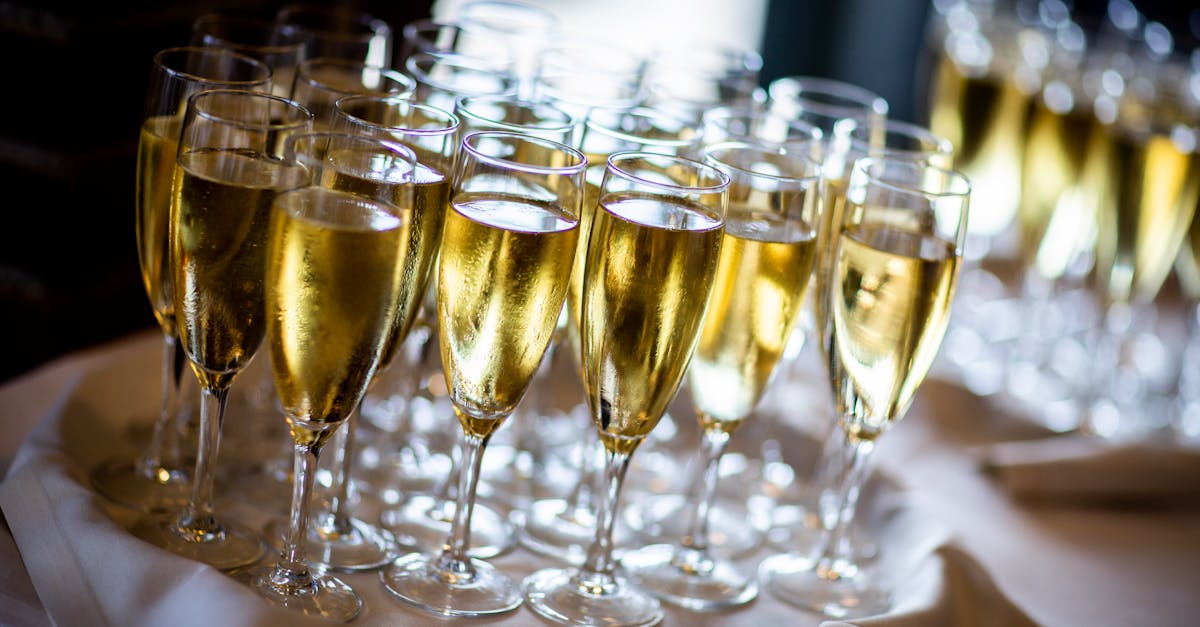
- The glass used to taste champagne directly impacts your experience. Yes, it may seem subtle, but you only have to try it to see the difference between a classic flute, a coupe, or a tulip glass.
- 🥂 The fluteis the star of the party. Its elongated shape preserves the bubbles well and delights the view with the rising pearls. However, it limits the expression of aromas, so it’s best used for simple champagnes.
👗 The coupe It’s aesthetically pleasing and evokes a sense of celebration, but bubbles escape quickly and don’t retain aromas. It’s best forgotten for serious tastings. 🌷 The tulip glass
| combines a wide base with a narrow opening. Ideal for revealing both bubbles and aromas. The best compromise for enthusiasts and professionals. | 🍷 | The white wine glass |
|---|---|---|
| is gaining ground among connoisseurs, particularly for complex or vintage champagnes. It provides ideal oxygenation and enhanced aromatic freedom. | Major French brands such as | Ruinart |
| or | Perrier-Jouët | often recommend the tulip glass or white wine glass for their prestigious vintages. Glass Type 🍾 |
| Pros | Cons | Recommended Use |
| Flute | Preserves bubbles, nice rise in effervescence | Underdeveloped aromas |
Coupe
Festive, vintage aesthetic
- Rapid loss of bubbles, dispersed aromas Casual festive atmospheres Tulip
- Good compromise between bubbles and aromas, reveals complexity Less visually spectacular than the flute Serious tasting, amateurs
- White wine glass Optimal oxygenation, rich expression of aromas Less spectacular, less visually effervescent
- Vintage and fine Champagnes To learn more about the different bottle sizes and formats, read on vin-et-chocolat.fr
. Pitfalls to avoid to avoid spoiling your Champagne moment Drinking Champagne may seem like child’s play, but there are a few pitfalls to avoid to ensure the tasting remains at its best. Here are the most common mistakes that can ruin an otherwise perfect experience. 🚫 Improper temperature:
| Serving champagne too cold or too lukewarm means missing out on its aromatic potential. | 🥴 | Unsuitable glasses: | Using a coupe for a vintage wine or a red wine glass ruins the tasting experience. |
|---|---|---|---|
| ⏳ | Leaving the bottle open too long: | After opening, the wine quickly loses its bubbles and aromas. Use a special cork and consume within 24-48 hours. | 🌀 |
| Do not swirl the glass: | This prevents the aromas from fully releasing. | 🍽️ | Drinking too quickly: |
| A great Champagne is best enjoyed slowly, step by step, to reveal its richness. | Mastering these elements ensures an exceptional moment with every tasting, whether it’s a Taittinger Champagne or an elegant Louis Roederer brut. Mistake 🚩 | Consequence | Solution |
| Temperature too low | Hidden flavors and aromas | Serve between 8-12°C depending on the type | Unsuitable glasses |
Biased tasting Prefer tulip glass or white wineBottle open too long
Loss of bubbles and freshness
Use a special cork and keep refrigerated
- No aeration Underdeveloped aromas Swirl the glass gently
- Tasting too quickly Missing the complexity Take your time, savor step by step
- FAQ to learn everything about tasting Champagne ❓ How to store opened Champagne?
- It is best to use a special Champagne cork and keep the bottle refrigerated. Consume quickly, within 24 to 48 hours, to avoid losing the bubbles and aromas. ❓ What is a vintage Champagne?
- It is a cuvée made from grapes from a single exceptional year. Non-vintage champagnes are generally blends of several years. ❓ Can you enjoy Champagne in a red wine glass?
This is not recommended: the wide opening disperses the aromas and bubbles. Instead, use a white wine glass, flute, or tulip glass. ❓ Can Champagne age in a cellar? Yes, especially vintages. They can be stored for several years in good conditions (cool, dark). Non-vintage champagnes are consumed more quickly.❓
| What are the best champagnes to start with? | Moët & Chandon, Veuve Clicquot, and Laurent-Perrier offer very affordable ranges. To explore further, take a look at the wines listed on | vin-et-chocolat.fr |
|---|---|---|
| . | ||