Looking to unlock the mystery of a good glass of Rhône Valley wine? Don’t panic, this region spanning more than 200 kilometers, between Vienne and Avignon, is a true oenological treasure trove that combines centuries-old traditions, diverse terroirs, and comprehensive expertise. Between Côte-Rôtie and Châteauneuf-du-Pape, you have at your fingertips an exceptional palette, rich in aromas and emotions, which will delight both the curious and the connoisseur. Whether you’re a fan of powerful reds or elegant whites, you’re sure to find the perfect wine for you, or rather the perfect bottle for your table.
This guide takes you step by step to discover how to choose, taste, and appreciate the full range of wines from this valley so dear to the palate. Tips for food and wine pairings, key points for bringing out the aromas, and a quick dive into the world of estates like Château Mourgues du Grès or Domaine de la Janasse are all provided without any hassle. Let’s uncover some well-kept secrets that will allow you to dazzle your eyes during your next tastings with friends or alone.
What are the secrets to choosing a Rhône Valley wine that really stands out? 🍷
You’re in a wine aisle and your eyes fall upon all this extraordinary diversity of Rhône appellations. It’s not easy to navigate, but it’s undoubtedly one of the riches of this unique region.
It’s roughly divided into two main families based on geography: the Northern Rhône in the north, with appellations like Côte-Rôtie, Hermitage, and Saint-Joseph, and the Southern Rhône in the south, where Châteauneuf-du-Pape, Gigondas, and Vacqueyras shine. Each corner has a distinct style, thanks to its climate, soils, and, of course, its preferred grape varieties.
- 🔥 In the north: Syrah dominates, this essential red grape variety that produces elegant, refined, and powerful wines with notes of black fruits, spices, and violets.
- 🌞 In the south: Grenache reigns supreme, producing generous, warm reds rich in aromas of ripe fruit and garrigue.🍇
- For whites in the north, Viognier, Marsanne, and Roussanne are the main grapes that produce rounded, often very aromatic and charming wines. 🌿In the south, whites are rarer but fresh, often made from Grenache Blanc, Clairette, or Bourboulenc.
- When purchasing, don’t hesitate to choose reputable producers such as Domaine Chapoutier, E. Guigal, or Château de Beaucastel. They perfectly embody the style and quality of Rhône wines. For your convenience, cooperative wineries like Cave de Tain also offer excellent value for money. Appellation 🏞️ Main Grape Varieties 🍇 Wine Style 🍷
Recommended Producers 👌 Côte-RôtieSyrah, Viognier Elegant, powerful red, aromatic white E. Guigal, Domaine Côte Bonneville HermitageSyrah, Marsanne, Roussanne Structured red, rich and floral white Domaine Sant Joseph, Domaine Paul Jaboulet Aîné
| Châteauneuf-du-Pape | Grenache, Syrah, Mourvèdre, Clairette | Powerful, generous, complex wine | Château Mourgues du Grès, Château de Beaucastel |
|---|---|---|---|
| Vacqueyras | Grenache, Syrah, Mourvèdre | Round and spicy red | Domaine de la Janasse |
| If you’re interested in exploring further, take a look at the differences between this region and other French wineries. For example, it’s quite easy to compare the Rhône Valley using guides like | this link on Savoie and Bugey wines | or | this selection for Provence |
| , just to vary the pleasures and never get bored with your glass. | Discover the art of wine tasting with our comprehensive guide. Learn to appreciate aromas, flavors, and food pairings for an unforgettable experience. Whether you’re a novice or a wine enthusiast, explore the secrets of the finest wines. | How to prepare and serve your Rhône Valley wine to reveal its full flavor? 🍽️ | A Rhône Valley wine is not appreciated by chance, especially when it comes to prestigious wines like those offered by Domaine Paul Jaboulet Aîné or Domaine Sant Joseph. Preparation plays a key role, from decanting to the right serving temperature. |
| For northern reds like Hermitage or Côte-Rôtie, which often have a beautiful tannic structure and complex aromas, a decanter is your best friend. Decanting for 1 to 3 hours allows the aromas to fully release without rushing the wine. ⏱️ | Decanting | : essential for aerating young, powerful wines, especially those made with Syrah. | 🌡️ |
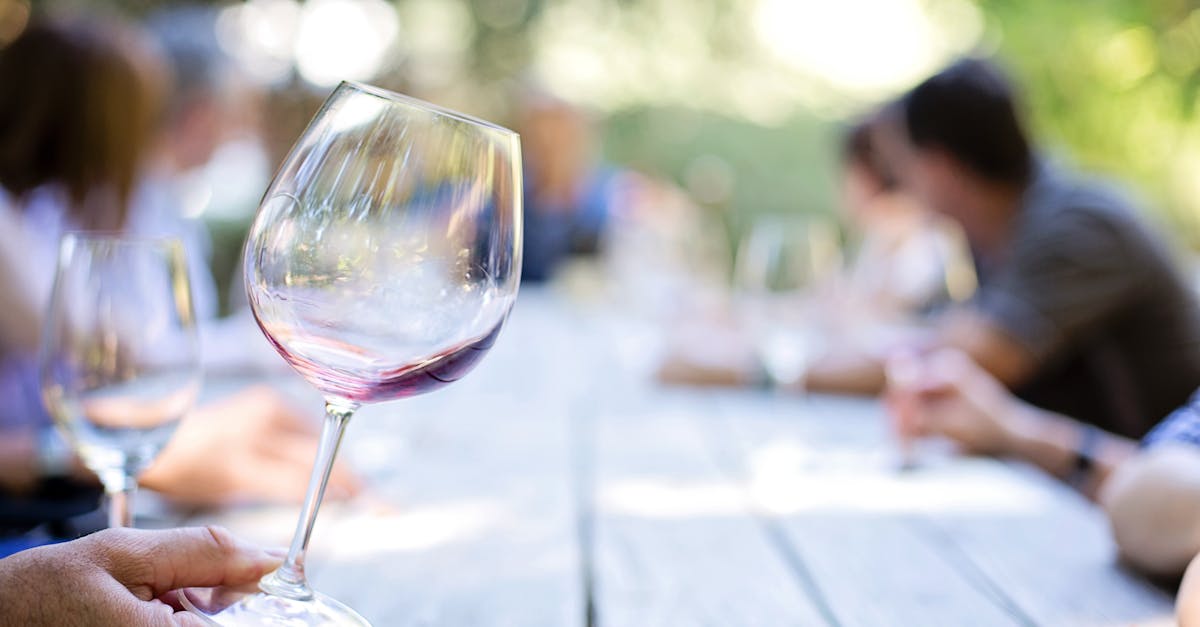
Ideal temperature : between 16°C and 18°C for reds, slightly cooler for whites (10-12°C). 🥂 Use the right glass: choose a wide tulip-shaped glass that amplifies the aromatic range of Rhône wines.
Patience and timing
: let your wine express itself slowly before drinking, especially for the grands crus. For whites like those from Domaine de la Taille aux Loups or Domaine Côte Bonneville, this rule of chilling and increasing oxygenation remains invaluable. Fresher and livelier, they are best served in a smaller, cooler glass, but not excessively, to preserve their fruity and floral aromas. Wine Type 🍷 Serving Temperature 🌡️ Decanting Time ⏳Glass Type 🍸
Northern Rhône Red (Côte-Rôtie, Hermitage)
- 16-18°C 1 to 3 hours Large, wide tulip-shaped glass
- Northern Rhône White (Viognier, Marsanne) 10-12°C Not necessary
- Small tulip-shaped glass Southern Rhône Red (Châteauneuf-du-Pape) 16-18°C
- 0-1h Medium tulip glass Southern Rhône white (Grenache blanc, Clairette)
8-10°C
| Not necessary | Small, thin glass | Of course, your tasting will be all the more successful if you avoid common mistakes like serving the wine too cold or neglecting to decant it. To fully explore all these subtleties, we recommend discovering the little tips to avoid in other regions, as presented in this guide to mistakes in the Southwest. | https://www.youtube.com/watch?v=W2p9DWITGbs |
|---|---|---|---|
| How to pair Rhône wines and food for a killer duo? 🍖🍷 | Wine and food pairing is often that little trick that transforms a classic dinner into an unforgettable moment. With Rhône Valley wines, it works quite well, provided you know the basics. Here are a few ideas to help you make the right choice: | 🍗 | Northern Rhône red wines |
| (such as those from Domaine Chapoutier or Domaine Sant Joseph): These wines pair perfectly with grilled red meats, lamb, or even game. | 🍝 | Southern Rhône red wines | : Their strength and spice pair perfectly with dishes based on stewed meat, ratatouille, or dishes with sauce and mild spices. |
| 🧀 | Northern white wines | : These full-bodied, floral whites are ideal for strong cheeses like blue cheese, as well as seafood and poultry in light sauces. | 🥗 |
| Southern white wines | : These wines are perfect with fresh salads, grilled fish, or light Mediterranean dishes. To give the pairing even more body, also consider larger estates like Château de Beaucastel or Domaine de la Janasse, which often offer vintages specifically designed for convivial meals. | Wine Type 🍷 | Recommended Dishes 🍽️ |
Northern Rhône Reds Lamb, game, grilled red meatsSouthern Rhône Reds
Northern Rhône Whites
Strong cheeses, seafood, poultry in sauce
Southern Rhône Whites
- Grilled fish, salads, Mediterranean cuisine Finally, a little tip: to discover wines from other regions and learn even more about pairings, don’t hesitate to browse specialized websites like this Alsace tasting guide, which is full of useful tips. Discover the art of wine tasting with our comprehensive guide. Learn to savor each sip, recognize aromas, and explore food and wine pairings for an unforgettable experience.
- https://www.youtube.com/watch?v=flCQhU-028E Which wineries should you explore during a wine tourism trip to the Rhône Valley? 🚶♂️🍇 Wine is also a human adventure. The Rhône Valley is home to vineyards where passion is felt at every step. Visiting estates like Domaine Paul Jaboulet Aîné or Château Mourgues du Grès offers a direct immersion into centuries of expertise.
- Here are some must-see addresses: 🍷 Domaine Chapoutier: a pioneer in organic and biodynamic farming, respectful of its terroirs.
- 🍇 Cave de Tain: the iconic cooperative with a sustainable and authentic offering, including wines like the Hermitage “Sur les Pas de Gambert.” 🌿
Domaine de la Taille aux Loups: a benchmark for refined white wines. 🏰 Château de Beaucastel: a historic monument, a symbol of Southern Rhône wines. 🚴♂️ Le Caveau M. Chapoutier: a bike tour for a fun ride through the vineyards. These vineyard strongholds offer guided tastings, cellar tours, and discovery workshops to combine practice with pleasure. Remember to book in advance; it’s always appreciated. To better understand wine tourism tours and events, here’s a good idea to explore:
| Wine trade shows and fairs not to be missed in 2025 | . |
|---|---|
| Estate 🍇 | Specialty 🍷 |
| Special Features 🎯 | Wine Tourism Offers 🥂 |
| Domaine Chapoutier | Organic and Biodynamic Wines |
| Committed to respecting the terroir | Biking tours, guided tastings |
Cave de Tain Hermitage, Crozes-Hermitage Cooperative promoting wines and terroirs
Châteauneuf-du-Pape
Historic and renowned estate Premium tastings Domaine de la Taille aux Loups Fine white wines Specializing in aromatic whites
Private tours
- Domaine Paul Jaboulet Aîné Hermitage Established winemaker for several generations
- Wine workshops And if you want even more before diving into this experience, you can immerse yourself in the art of winemaking by visiting neighboring regions, for example with this excellent buying guide for Provence
- . Discover the art of wine tasting with our comprehensive guide. Learn to savor aromas, choose the best grape varieties, and appreciate every sip. Join us for an unforgettable sensory experience that will awaken your taste buds! How do climate and terroir make all the difference in the character of Rhône wines? 🌦️🍇
- The taste of a wine isn’t just about the vine or the winemaker; it’s also about the land and microclimate that shape its personality. In the Rhône Valley, the contrast between north and south is a perfect example that everyone agrees on the influence of terroir. The Northern Rhône, with its cool continental climate, offers harsh winters and summers punctuated by the Mistral. This dry, powerful wind acts as a natural cooler, protecting the grapes from disease and helping to maintain a beautiful balance of acidity. The steep slopes favor optimal exposure, allowing for slow and expressive ripening. In the south, the warm, dry Mediterranean sun reigns supreme, imbuing the wines with magnificent power, roundness, and generosity of fruit. Châteauneuf-du-Pape’s famous pebbles accumulate heat during the day and release it at night, contributing to the grapes’ perfect ripeness.
- 🌡️ Continental climate in the north : more acidic, tannic wines with finesse and elegance.
🌞 Mediterranean climate in the south: concentrated, rounded, and spicy wines.
| 🌍 | Granite and schist soil in the north | : contributes to spicy and mineral aromas. | 🪨 |
|---|---|---|---|
| Clay-limestone soil and pebbles in the south | : warm and crisp on the palate. Geographical Area 🗺️ | Climate Type 🌤️ | Soil Characteristics 🌱 |
| Effect on Wine 🍷 | Northern Rhône | Continental climate with Mistral | Granite, schist |
| Elegant, tannic, spicy wines | Southern Rhône | Warm, dry Mediterranean climate | Limestone soil and rolled pebbles |
| Rich, powerful, fruity wines | For wine lovers who want to know how terroir truly impacts wine, the discovery doesn’t stop there. A detour through respectful techniques like biodynamics in Champagne illustrates other ways of expressing terroir naturally, an approach that is attracting more and more Rhône winemakers, particularly at Domaine Chapoutier. https://www.youtube.com/watch?v=hb8s5VHDBSI | Frequently Asked Questions About Tasting Rhône Valley Wines 🍇❓ | Q: When is the best time to taste a Côte-Rôtie? |
| A: Côte-Rôtie often needs to be decanted 1 to 3 hours before tasting to reveal its full aromatic complexity. | Q: How should you store a Rhône Valley wine? | A: Store your bottles in a cool cellar (between 12 and 15°C), with controlled humidity and away from light. | Q: What dishes pair with a Châteauneuf-du-Pape? |
A: It pairs perfectly with Provençal stew, stewed meats, and mature cheeses. Q: Can you drink a young Hermitage?A: Yes, but its tannic structure requires aeration in a carafe or aging in the bottle to fully delight the taste buds.