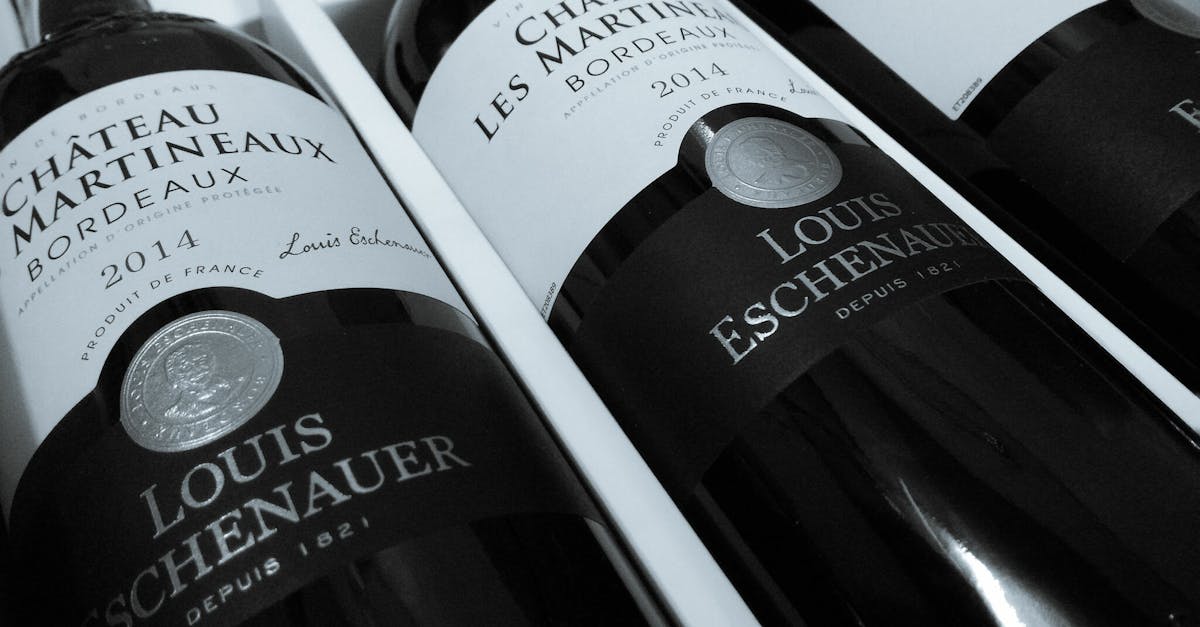
Delving into the world of Bordeaux wines means embarking on a sensory journey where each bottle tells a rich and fascinating story. Whether you’re a curious connoisseur or already well-versed, learning to savor Bordeaux like a pro requires a little method and a lot of pleasure. Behind famous names like Château Margaux, Château Lafite Rothschild, and Château Pichon Longueville, lie treasures of aromas, textures, and balances that deserve your full attention. This guide takes you behind the scenes of tasting, offers tips to sharpen your senses, and invites you to discover the unique character of these exceptional nectars.
It can’t be emphasized enough: the environment is key. From the light to the tranquility, everything influences how your palate will receive these prestigious wines. Therefore, it’s best to taste at the right time, around 11:00 in the morning or late afternoon, when your senses are at their peak without being overwhelmed. And to stay in this frame of mind, don’t forget to take notes—believe experience, sensory memory can play tricks on you. The time has come to learn how to dissect the color, track the aromas, and play with the sensations in the mouth. The big game is understanding how these bottles, from Château Haut-Brion to Château d’Yquem, express themselves and make you vibrate.
Savor these moments, because tasting Bordeaux isn’t just about plunging your nose into a glass or filling your throat. It’s a balancing act between color, aroma, taste, and emotion—all underscored by the richness of the terroir, the expertise of the winemakers, and the history captured in each vintage. Here, we discover why some wines impress, why others evoke nostalgia, and how to unveil the well-kept secrets of Bordeaux wines. Without any hassle, but with the desire to dazzle your friends, in these moments where we share much more than just a glass of wine. Let’s embark on this adventure, at the crossroads of grape varieties, terroirs, and sensations.
How do you set the stage to taste a Bordeaux wine like a pro?
Tasting is first and foremost a question of atmosphere and preparation. Imagine yourself in a quiet room, lit fairly softly but with enough light to highlight the wine’s color. No extraneous odors, because the slightest hint of cooking could disturb your nose. Aim for a spacious space with a stable table to place your notebook on. And this is the key tip from the pro: always write down your impressions. Even when you feel confident, the brain isn’t a good ally for retaining all the olfactory or taste sensations. Over the course of tastings, these notes become a treasure trove for remembering nuances and improving your choices.
When to spit? Yes, it’s important! Savoring without saturating your palate is the key to being able to enjoy several wines in a row. When tasting different vintages, such as a lingering Château Latour or a more supple Château Leoville Las Cases, this gesture allows you to keep your senses alert. Another little tip: always have a bottle of water handy to hydrate and prevent your mouth from freezing, which would ruin the finesse of your perceptions.
The ideal time? Eleven o’clock in the morning is often recommended. The microcosm of connoisseurs has clearly identified this: far from breakfast and the famous toothbrush, your senses are still as clear as water. The afternoon, around six o’clock, can also be a good time, but be careful: if you’ve already indulged in a treat, your olfactory abilities may take a hit. And if Bordeaux wine is the star of the moment, why not take advantage of its brilliance in full light to admire its hues in a suitable glass, before diving into the experience? Checklist for optimal preparation for any Bordeaux wine tasting 🍷:
Choose a quiet, bright location 🌞
- Ensure there are no distracting odors 👃
- Use a tulip-shaped glass to concentrate the aromas 🍷
- Keep a notebook handy 📒
- Bring water and a spittoon to stay fresh and alert 💧
- Taste preferably around 11 a.m. or late afternoon 🕚
- Preparation
| Objective | Impact on the tasting | Quiet, well-lit location |
|---|---|---|
| Promote concentration | Better recognition of colors and aromas | Tulip-shaped glass |
| Channel aromas | Enhance olfactory perception | Hydration |
| Preserve sensory receptors | Maintains palate freshness | Notebook |
| Monitor progress | Helps with memorization and comparison | Discover the art of Bordeaux wine tasting, a unique sensory experience in the heart of renowned vineyards. Explore the aromas, flavors, and history of this iconic wine region during an unforgettable adventure. |
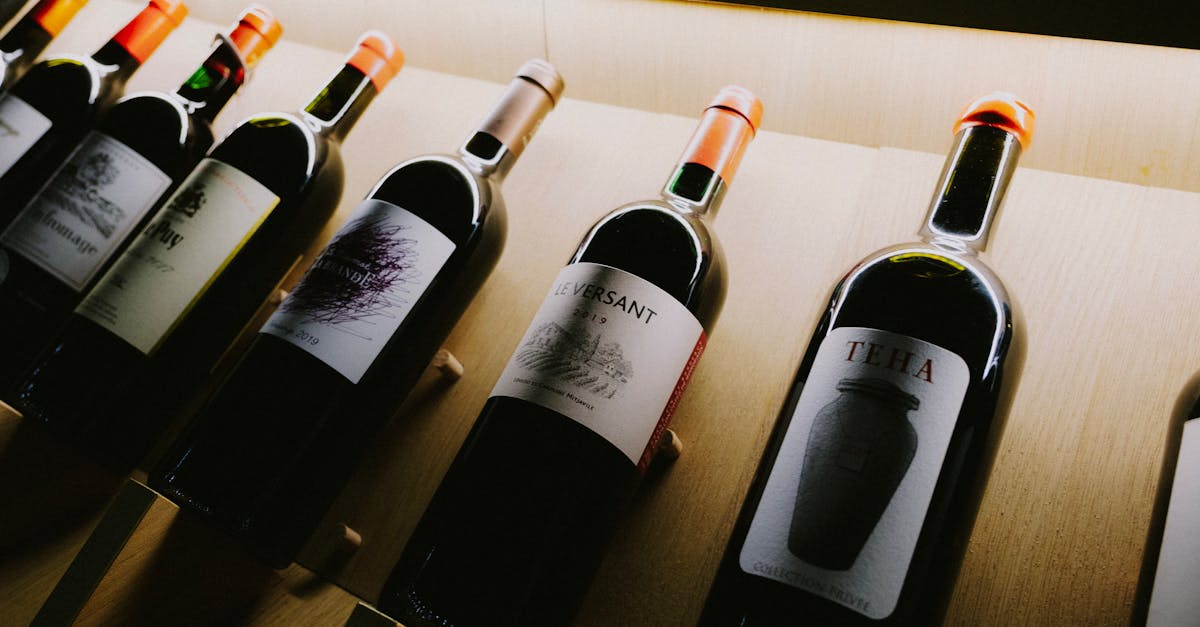
The first contact with a wine is its color, which reveals its age, maturity, and sometimes even the nature of the grape variety. With a Bordeaux, we know that we can encounter an extraordinary palette, ranging from a dark and dense red, typical of robust Château Mouton Rothschild or Château Palmer, to lighter shades when the vintage leans toward youth or a white Bordeaux with golden highlights.
A few simple rules to play like a pro from the first glance. Tilt the glass 45 degrees toward a white surface (a light tablecloth or a leaf), and note whether the wine is clear, limpid, or if it has a cloudiness, which could indicate an unfiltered wine or a slight defect, which can sometimes occur in small wineries without any impact on the quality.
Color intensity is also a key indicator. If you can clearly distinguish two fingers placed at the back of the glass, it’s considered a rather pale color, often associated with a supple and light wine. Conversely, if the color is deep and almost prevents you from seeing the surface, you’re looking at a powerful and structured wine, as is often the case with the prestigious Crus Classés of the Médoc. Finally, pay attention to the hue: a young Bordeaux red often displays purplish highlights, while a more mature wine tends toward brick or even tile hues. White wines will evolve from pale yellow to gold with age, a signal of their complexity and the extent of their aging potential. What to look for in the color of a Bordeaux wine 🍷: Clarity: clear or cloudy?Color intensity: pale, medium, intense?
Hue: red, purple, brown, golden hues
Viscosity: observation of tears and legs on the sides of the glass
Visual Appearance
- Meaning
- Practical example
- Clear and limpid
- Fresh, young or filtered wine
| Recent vintage of Château Lafite Rothschild | Slightly cloudy | Unfiltered wine, natural potential |
|---|---|---|
| Small organic producer | Intense red | Structured, pronounced tannins, long finish |
| Château Latour | Brown/tile-colored highlights | Older wine, development in bottle |
| Château Haut-Brion, great age | https://www.youtube.com/watch?v=r9pEjs7qpiY | How to accurately decipher the nose of a Bordeaux wine? |
| You’re now ready for the most complex but also the most exciting part: understanding the nose. Our olfactory organ is a true sensory machine, capable of detecting hundreds of aromas. With a Bordeaux, this work begins with the primary aromas, derived from the grape variety: red and black fruits, floral or vegetal notes that reflect the terroir. Imagine a Château Mouton Rothschild, which will often reveal nuances of blackcurrant, blackberry, or even licorice. | Once the wine has been slightly aerated by swirling it gently in the glass, the secondary aromas are expressed: yeast, wood, vanilla, often brought by aging in oak barrels. The famous Château La Mission Haut-Brion or Château Palmer perfectly master this harmony. As it ages, tertiary aromas emerge: coffee, tobacco, truffle, or caramel, which testify to the complexity acquired over the years. | To properly decipher the wine, simply proceed in two steps: |
Second Nose: Swirl the wine gently to release the heavier aromas.
Becoming aware of these aromatic layers completely changes the tasting experience. But be careful, only practice will help you develop this finesse, so don’t hesitate to smell frequently and compare different vintages, for example, a classic Bordeaux wine with a more unusual one.
Aroma Type
Origin
- Aroma Examples Iconic Wines
- Primary Aromas Grape Variety and Terroir
Red (strawberry), black (blackcurrant), floral (rose), vegetal (thyme) Château Margaux, Château Pichon Longueville Secondary Aromas
| Fermentation and Aging | Brioche, vanilla, wood, butter | Château La Mission Haut-Brion | Tertiary Aromas |
|---|---|---|---|
| Aging | Leather, tobacco, truffle, coffee, caramel | Château d’Yquem, Château Mouton Rothschild | https://www.youtube.com/watch?v=KJOUWPipNaE |
| How to savor a Bordeaux wine on the palate? The key to judging a great vintage | Once the eye and nose have been seduced, the palate delivers the final verdict. The palate reveals the wine’s balance, structure, and intensity. To properly judge a Bordeaux, you need several sips, taking the time to let the wine unfold and deposit its sensations on every part of the tongue and gums. It’s not a sprint, but a sensory journey. | Several elements come into play: | Sweetness |
| 🍯: generally low in dry Bordeaux wines, it can dominate in certain sweet wines like Château d’Yquem. | Acidity | 🍋: provides freshness and liveliness, typical of white Bordeaux and some young reds. | Tannins |
Alcohol
🔥: influences roundness but can also indicate excess. The finish
🎯: the length and complexity of the sensations that remain after swallowing or spitting out.
- An effective technique is to not swallow the sip immediately, but to circulate it throughout your mouth, exploring every corner of the palate. A sensation of salivation is often a sign of good acidity, while the texture on the gums betrays the tannic power. To avoid tiring too quickly, equip yourself with a spitbuck: it will allow you to taste several great vintages without losing freshness, essential when tasting several wines, especially those from the finest estates like Château Leoville Las Cases or Château Lafite Rothschild. Palate Component Perceived Effect
- Wine Example Sweetness
- Smoothness and Roundness Château d’Yquem (sweet white wine)
- Acidity Freshness, Liveliness
- Château Pichon Longueville Tannins
Structure, Astringency
| Château Margaux | Alcohol | Roundness, Warmth |
|---|---|---|
| Château Palmer | Finish | Aromatic Length |
| Château La Mission Haut-Brion | Quick Checklist for an Effective Palate Tasting 👅: | Take a small sip |
| Let the wine swirl in your mouth | Observe the acidity, tannins, and roundness | Note the length and aromatic persistence |
| Spit if necessary to keep your palate fresh | Tips for Evaluating a Bordeaux Wine Like a Seasoned Sommelier | Beyond raw sensations, a true pro knows how to summarize their impressions by judging four main criteria: |
| Balance | ⚖️: harmony between sweetness, Acidity, alcohol, and tannins | Intensity |
💥: strength and power of aromas
- Length
- ⏳: persistence of flavors on the palate
- Complexity
- 🧩: richness and aromatic diversity
- A wine that scores 4/4 is often a great wine, worthy of the most famous like Château Lafite Rothschild or Château Latour, while a 1 or 2/4 remains pleasant but less striking. Here is a table to help you keep these essential criteria in mind:
Criteria
Possible Assessment
- Meaning Example of a Bordeaux Wine
- Balance Poor to Excellent
- Harmonious or Unbalanced Wine Château Mouton Rothschild
- Intensity Low to Powerful
Delicate or Intrusive Aromas
| Château Leoville Las Cases | Length | Short to Very Long | Aromatic Persistence |
|---|---|---|---|
| From a few seconds to >10 seconds | Château Haut-Brion | Complexity | Simple to Rich |
| Broad Aromatic Palette | Château Palmer | To get it right, alternate between serious tastings and moments where you simply let yourself be carried away by the pleasure, without thinking too much. This works quite well to keep the desire intact, and wine is, above all, conviviality and sharing. Moreover, if you want to learn more about the specific characteristics of Bordeaux wines, this specialized website is a wealth of information. | https://www.youtube.com/watch?v=_AifUpK571g |
| FAQ – Your most frequently asked questions about tasting Bordeaux wines | When is the best time to taste a Bordeaux wine? Ideally, around 11 a.m., when your senses are fresh and uncluttered by other flavors. | How to choose the right glass? A tulip-shaped wine glass is perfect for concentrating aromas and making it easier to observe the color. |
Should you always decant a Bordeaux? |
| Not always. Young, tannic wines often benefit from aeration, but older or more delicate wines can become fragile. | What is a Bordeaux “grand cru”? | This is a wine recognized for its exceptional quality, often from estates such as Château Margaux, Château Haut-Brion, or Château Latour. | Where can I find more information on Bordeaux wines? |
The website vin-et-chocolat.fr offers numerous up-to-date guides and advice.