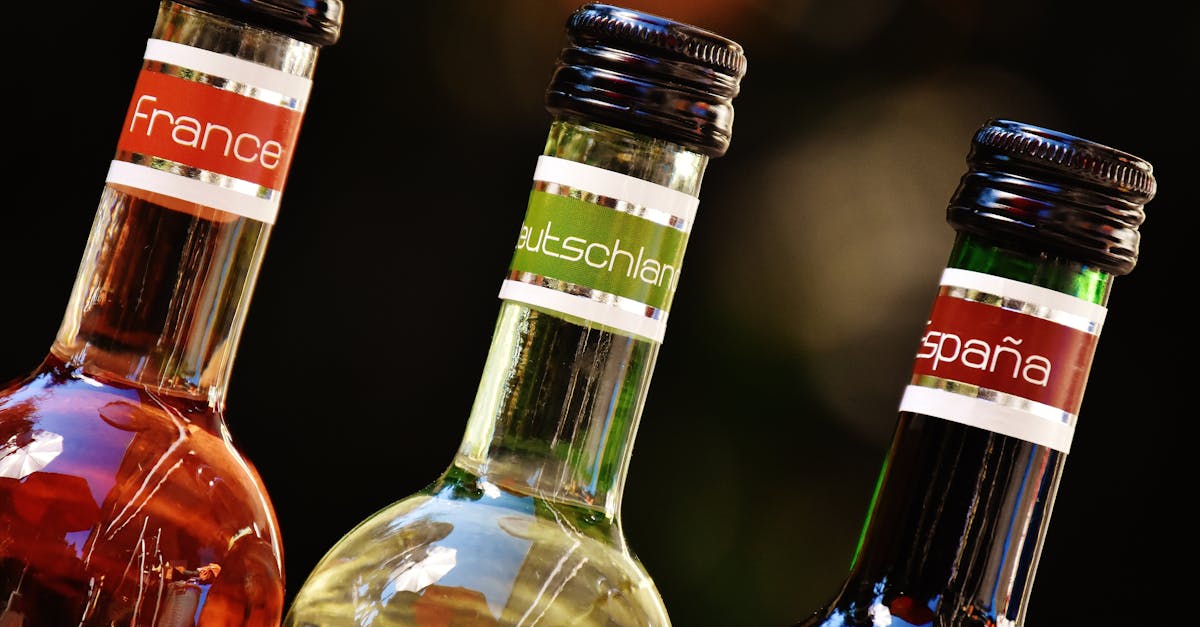
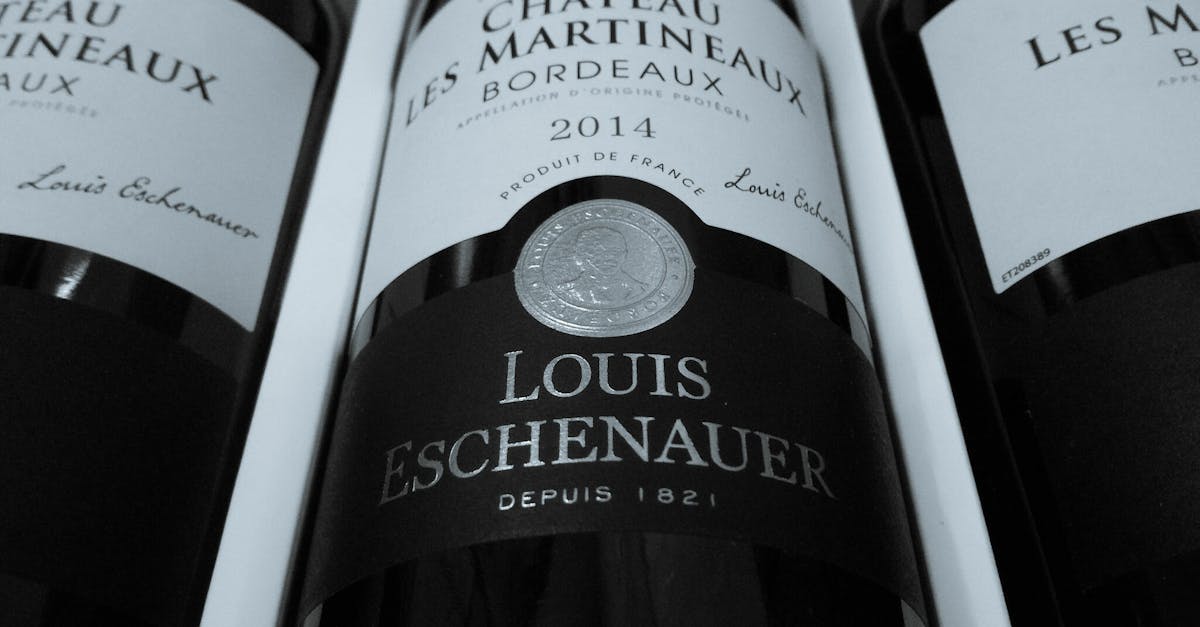
When faced with a bottle of wine, we’ve all had that moment where we wonder: what does all this really mean? Loire Valley wine labels are no exception. This treasure trove of winemaking stories is famous for its light whites, fruity reds, and fine bubbles, but how can you easily spot the essentials in these small graphic masterpieces? No need to be a seasoned sommelier; a clever overview allows you to review everything without any hassle. From specific appellations to vintages that tell the story of the weather, and even the estate’s name that chisels local identity, we’ve put together this guide to help you decipher these precious clues. You’ll be able to recognize the wines of Château de Chalon or the bottles crafted by the Vignerons de Jasnières, and understand what Domaine Michel Brégeon or Château de Fosse-Seche really mean at a glance. As a bonus, we’ll also explain what back labels often say, and how organic and biodynamic labels are making their way into this fertile region. Let’s uncover all the secrets on the label of your next Loire Valley wine!
What are the key elements to look for on a Loire Valley wine label?
The first step, even before smelling or tasting, is to carefully examine the label. Not just for aesthetics, but to understand what the bottle promises. On a glass of wine from Caves de Saumur or Domaine de la Taille aux Loups, you should look for a few essential labels:
- 🍇 Appellation d’Origine Contrôlée (AOC): this designation is a true guarantee of origin and strict regulations. It specifies that the wine comes from a defined area and meets known criteria. In the Loire, you’ll see, for example, Saumur ,Jasnières or the famous Montlouis-sur-Loire .📅
- The vintage : this is the year of the grape harvest. To be on the safe side, keep in mind that the climate of the year greatly influences the final quality of the wine. A warmer vintage may produce a wine with higher alcohol content, while a cooler year will favor acidity. 🏷️
- The name of the estate or producer : generally placed at the top or center of the label. Names like Domaine Stéphane Boucher or Domaine des Rouilleres aren’t just for show; they tell a true story about the terroir. 🍷
- Type of wine : red, white, rosé, or sparkling, this is often clearly stated, sometimes with terms like dry ,sweet , or brut for fine bubbles. 🌍 Geographical Indication:
- You can go from a broad “Vin de France” to a much more precise and controlled appellation, sometimes even down to specific plots. ⚠️ Legal Information:
- Volume, alcohol content, batch number, health warning—you should have these in front of you. This provides reassurance regarding traceability and the true composition. Identifying these points already gives you the best chance of choosing a wine that suits you. It’s like reading the summary of a book before diving into it! Element What it means
Example in the Loire
| AOC designation | Origin and controlled quality | Saumur, Jasnières, Anjou |
|---|---|---|
| Vintage | Grape harvest year | 2019, 2020, 2022 |
| Name of the estate | Wine producer | Domaine Michel Brégeon |
| Type of wine | Red, White, Rosé, Sparkling | Loire Rosé, Saumur Blanc |
| Legal notices | Alcohol content, volume, traceability | 13% vol., 750 ml |
| Want to learn more about this topic, particularly the specific characteristics of Savoie white wines? Take a look at this detailed guide, which will provide you with plenty of good advice to help you choose the right wine. | Discover the fascinating world of wine labels, a blend of art and tradition that tells the story of each bottle. Explore the innovative designs and artistic creations that reflect the quality and character of the wines. Perfect for wine lovers and those passionate about wine culture. | How can you identify the producer and their specific characteristics on a bottle from the Loire Valley? |
The producer is a bit like the human signature of the wine. In the Loire, estate names are often linked to a true family history, a know-how passed down from generation to generation. For example, when you come across a bottle from Domaine Stéphane Boucher or
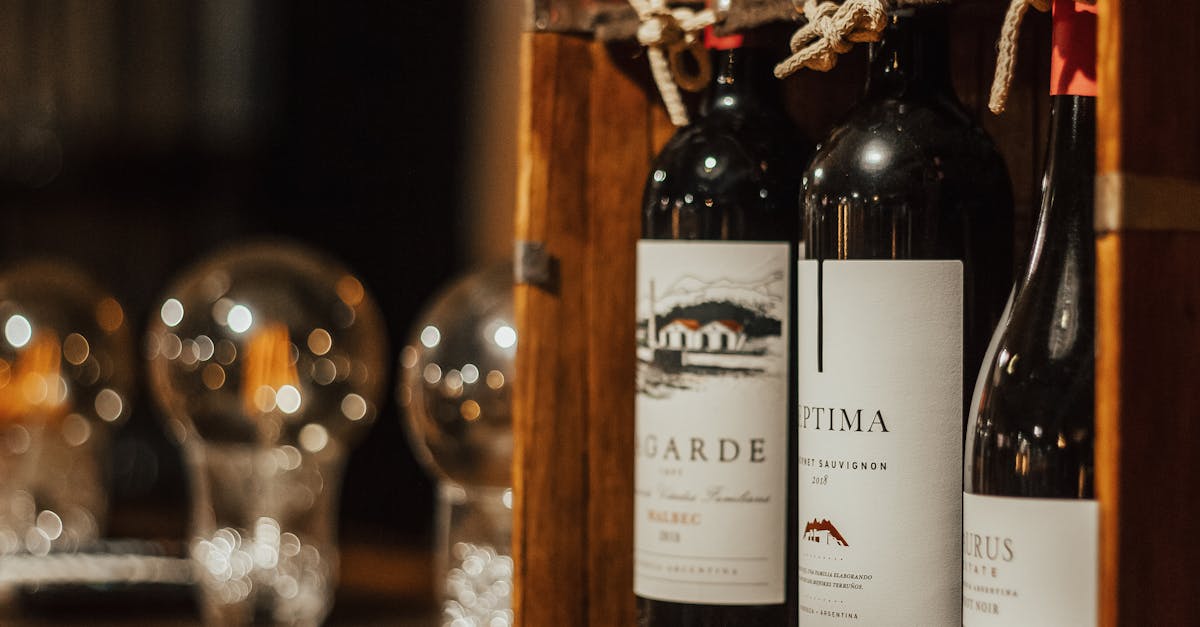
, you are dealing with artisans who play with iconic grape varieties like Chenin Blanc to create a unique style. On the front label, their name is highlighted for easy identification, sometimes accompanied by an illustration that recalls the terroir, a mention of the village, or even an old mill, a giant grape cluster… These symbols aren’t just there to dazzle the eye; they help tell the story of the vineyard’s life.
What information can help you better understand the producer? 🏰 The term “Château”: reserved for AOC wines, it often indicates an estate with a historic building, such as the famous Château de Chalon🏡 or the
Château de Fosse-Seche
in the Saumur region.
- 🧾 The name of the vintage and the cuvée: often the cuvée is a selection of the best plot or the best grapes, sometimes with a warm or chic evocative name. 🌳 Cultivation information: organic or biodynamic labels will be mentioned here to indicate a wine that respects the vine and the environment. Knowing these details helps you choose wines with a story, but also those that align with your ethics. Organic wines from the Maison de Vin de la Loire or Domaine Michel Brégeon, for example, often demonstrate true transparency in their approach. To delve deeper into the subject, this article on organic wines from the Loire Valley is a must-read to better understand their advantages. Estate Name
- Specificity Type of Culture Notable Example
- Domaine Michel Brégeon Expressive Chenins, Careful Aging Certified Organic
Saumur Blanc Sec Domaine Stéphane Boucher Terroir White Wines, Artisanal Processing
| Biodynamic | Jasnières Sec | Domaine des Rouilleres | Balanced Blends, Good Value |
|---|---|---|---|
| Conventional or Organic | Saumur Rosé | A detour to the Caves de Saumur is often a must if you’re visiting to chat with passionate winemakers and discover unusual vintages. | https://www.youtube.com/watch?v=r9pEjs7qpiY |
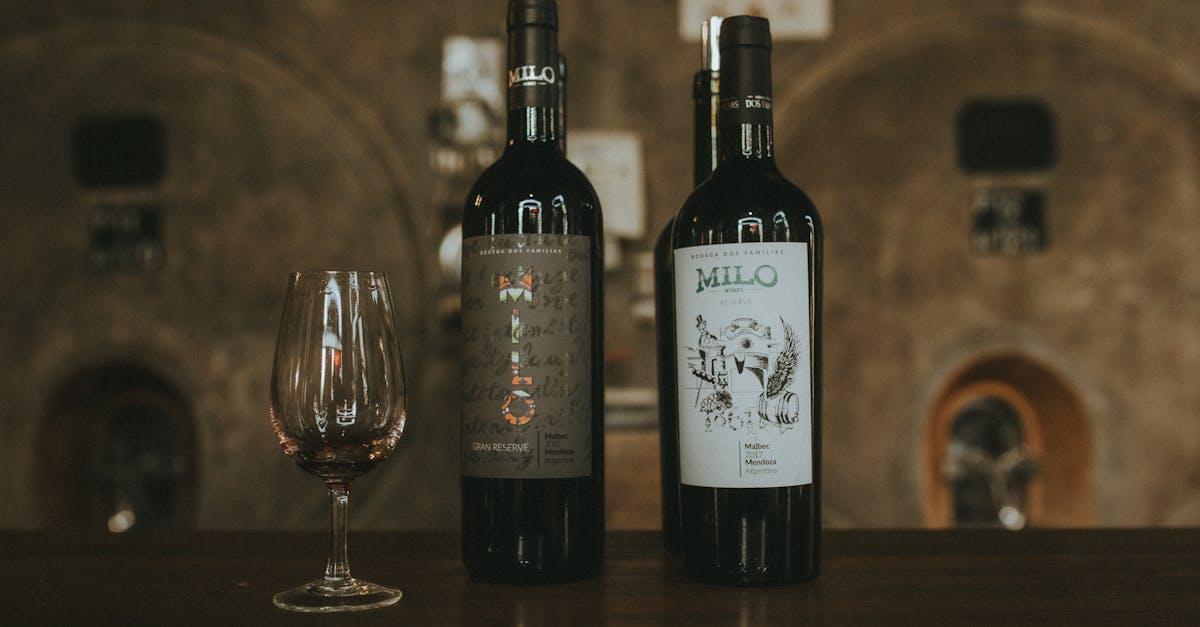
| Discover the art of wine labels: a blend of creativity and identity in every bottle. Explore the trends, history, and design process of labels that tell the soul of each wine. | What terms and indications help you understand the style and quality of wine? | The jargon on labels isn’t always easy to understand. Yet these little words provide valuable clues. To decipher a red or white wine from the Loire Valley, we’ll find: | 🍾 |
| Wine type and style indications | such as “dry,” “sweet,” “brut,” or “sweet,” which reveal the residual sugar content and therefore the mouthfeel. | 🌿 | Aging information |
: An expression like “aged in oak barrels” means that the wine has been aged in barrels, often imparting woody or vanilla notes. 🎨
🧪
Alcohol content**
- , which gives an idea of the strength: a wine above 13.5% alcohol has often benefited from good grape maturity, especially during a hot summer. 🏆 Labels and medals
- : organic logos (like a clover or AB) or a gold medal shouldn’t give you complete confidence, but they are an indication of the producer’s reliability or a little something “extra.” Here’s a small table that summarizes these practical clues to help you choose without getting lost: Clue on the label What it means
- Effect on the wine Sector and appellation Geographic origin
- Influences style and quality Type “dry”, “sweet”Sugar content
- Impact on sweetness and freshness Aging in oak barrels Finishing in barrels
Wood, vanilla aromas
| Alcohol content | Alcoholic strength | May indicate a warm vintage |
|---|---|---|
| Organic, biodynamic labels | Responsible farming practices | Respect for the vine and nature |
| Want to learn more about tasting and how to best appreciate a sparkling wine from the Loire? Don’t hesitate to discover the excellent guide | on champagne and bubbles | (it also works quite well for Crémants de la Loire!). https://www.youtube.com/watch?v=WjmRNP7Ky_0 |
| What does the back label of a Loire wine reveal that isn’t always obvious? | As is often the case, nuggets of information are hidden behind the bottle. The back label, this small but sometimes modest text, often reveals the secrets of the wine you’re holding in your hands. | 🍾 |
| The grape varieties used: | For example, a wine from Domaine de la Taille aux Loups will specify whether Chenin Blanc is the predominant grape variety, or whether it’s a blend of Sauvignon and Chardonnay. | 🧉 |
| Winning methods | : it might say “barrel-aged” or “neither filtered nor fined,” which gives clues about the wine’s texture or age. | 🌡️ |
Serving Recommendations : Ideal temperature and recommended ageing time. Practical for not missing the perfect opening moment. 🍽️
: Château de Chalon wine paired with a suggestion for a simple dish or a local cheese is an instant hit.
⚠️
- Allergy Warnings : Very often you’ll see the word “contains sulfites” or sometimes even a warning if the wine is unfiltered. This was a comprehensive tour, but it’s worth adopting in-store or at a wine merchant, like at the Maison de Vin de la Loire. Next time, don’t hesitate to take a moment with the bottle to fully understand all these hidden riches. Element on the back label
- Importance Example Grape varieties
- Informed choice on wine style 60% Chenin, 40% Sauvignon Vinification
- Texture & aging Aged in oak barrels Serving temperature
- Optimal tasting 10-12°C Food and wine pairings
Pairing guidance
| Local cheeses, grilled fish | Allergy warnings | Warning for sensitive consumers |
|---|---|---|
| Contains sulfites | Want to broaden your horizons by discovering the perfect balance of Rhône wines? This guide to the best Rhône Valley wines is a good starting point. | Pitfalls to avoid and tips for making the best choice in the Loire Valley |
| To make an informed choice, you should also keep in mind that some labels are more about marketing than quality. Here are some tips to avoid being fooled: | 🚫 | “Old vine”: an attractive but unregulated term. It can refer to vines that are 20 or 80 years old. To get the right answer, check with the winery or visit their website. |
| 🎖️ | Medals and Awards | : They encourage confidence, but not all good wines are entered into competitions. This shouldn’t be taken as an absolute guarantee. |
| 📝 | “Grand Vin” | : A designation often given to a winery’s first wine, but without a strict legal framework. Often a clue, but it’s not everything. |
| 🛒 | Compare and rate | : Keep track of your favorites, try several wineries like Domaine Michel Brégeon or Château de Fosse-Seche, and note down your discoveries to make a better choice next time. |
🔍 Consult the back label : It often reveals more than the facade and will always help you understand the wine as a whole. Here’s a summary table to help you further:
Mention
What you need to know
- Tip Old vine
- Unregulated, variable age Ask the winemaker for more information Medals
- Not a universal guarantee Don’t base your choice solely on this Grand Vin
- Unofficial term, often the first wine Check the vintage and taste Organic certifications
- A pledge of agricultural respect Prefer if ethically important To deepen your wine culture, don’t hesitate to consult this
guide to understanding the label of a Provence wine
| , which offers good tips applicable throughout France. | Discover the fascinating world of wine labels, where art and identity meet. Learn how these decorations reflect the terroir, culture, and authenticity of the wines. Explore trends, innovative designs, and the secrets to choosing the perfect bottle. FAQ: Your questions about Loire Valley wine labels | ❓ |
|---|---|---|
| What does the AOC designation really guarantee? | It ensures that the wine comes from a specific geographical area and meets strict specifications related to cultivation, production, and grape varieties. | ❓ |
| Why is the vintage important? | Because it provides clues about the harvest conditions, which directly influence the wine’s taste and texture. | ❓ |
| What’s the difference between organic and biodynamic on the label? | Organic certifies the absence of chemical pesticides, while biodynamic also includes a holistic approach and a lunar calendar in viticulture. | ❓ |
| What does “neither filtered nor fined” mean? | The wine has not undergone clarification; it may appear cloudy, but its flavor is unaffected. | ❓ |
How to choose a Loire red wine according to its intensity? Look for terms like “full-bodied” and “tannic” on the label or in the tasting notes; they indicate the wine’s structure.