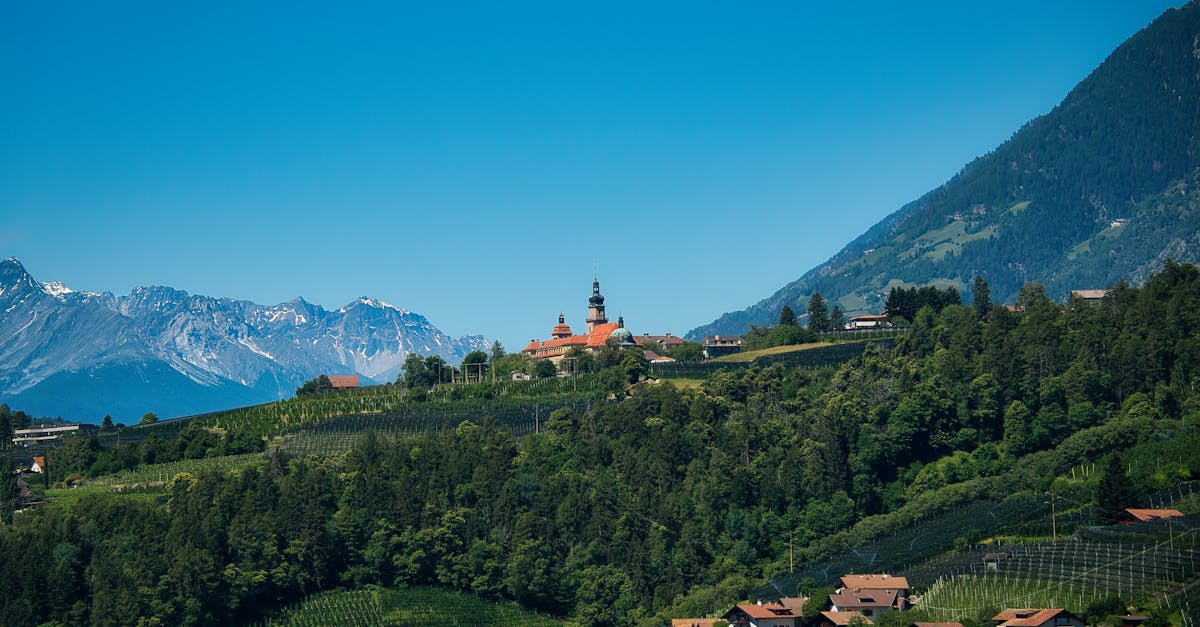
The vineyards of Southwest France offer much more than a simple tasting experience: they tell a profound story, shaped by rich and varied terroirs, ancient grape varieties, and expertise passed down from generation to generation. This region, often overshadowed by great appellations like Bordeaux, nevertheless deserves your full attention, particularly thanks to its breathtaking diversity and unvarnished authenticity. Discover how these wines are formed, why they attract more and more wine lovers, and how their unique terroirs play a key role in their unique characters.
Ranging from the banks of the Lot River to the foothills of the Pyrenees, via the sunny slopes of Gascony, each plot of land in the Southwest is an invitation to travel. Here, it’s not just a question of grape varieties, but rather the union between soil, climate, and people that creates the alchemy of wines. In 2022, the region saw its exports increase by 30%, demonstrating a marked renewed interest in these wines, rich in stories and sensations. Whether you’re a novice or a seasoned connoisseur, embark on a stress-free journey, where every sip will tell you an epicurean adventure.
In this article, we explore the secrets of the terroir, the diversity and characteristics of the local grape varieties, as well as the winemaking practices that give each appellation its own identity. You’ll see that beyond just wine, the Southwest is a true treasure to be tasted, understood, and shared. And because we know that curiosity often goes hand in hand with the desire to understand, we’ve prepared a guide to help you navigate this magnificent patchwork of flavors and stories.
The Terroirs of the Southwest: The Key to Exceptional Taste Diversity
The Southwest is a mosaic of landscapes where soils play a key role in wine formation. It features a veritable geological patchwork ranging from limestone to clay to sand, with a strong presence of alluvial elements and even volcanic soils in some areas. This palette provides the ideal backdrop for a multitude of grape varieties, represented everywhere from Cahors to Bergerac to Gaillac.
This diversity of soils directly influences the style of the wines produced. For example, clay-limestone soils provide the structure and finesse necessary for rich tannins, while sandy soils favor lighter, fruitier, and fresher wines. The terraced hillsides of the Lot, sheltered from the wind, allow Cahors Malbec to develop its full power and concentration. As for the vineyards facing the oceanic climate, they benefit from moderate humidity, which prevents excess alcohol and guarantees a beautiful freshness to the white wines of the Côtes de Gascogne. In addition to the soil, the climate also plays a major role. On one side, you have a temperate oceanic climate perfect for Merlot, Tannat, and Cabernet Franc; and on the other, a more Mediterranean climate that favors the rapid ripening of grape varieties like Mauzac and Braucol. It’s this combination of climates that creates wines with a unique character, combining finesse and power, freshness and richness. Moreover, the varying altitude of the vineyards allows for the modulation of the aromas and ripeness of the grapes. It’s no surprise, then, that the wines of the Southwest often turn heads with their varied and surprising profiles.
Explore the richness of French terroirs, a journey to the heart of authentic flavors and culinary traditions. From the diversity of landscapes to local products, discover what makes each region unique.
🌿
- Clay and limestone : These soils provide excellent water retention and mineral richness. Ideal for Cahors Malbec, they develop powerful wines with silky tannins. 🌞
- Sandy soils : Lighter, they produce fruity and supple wines, particularly appreciated in Bergerac for its fresh whites. 🌬
- Volcanic soils : Rare but precious, they provide intense minerality and marked aromatic complexity, particularly in certain plots in the Southwest. 🌾
- Alluvium : Found on the valley terraces, they promote balance and freshness, very useful for the production of aromatic white wines like those of Irouléguy. Soil Type 🍇 Iconic Appellations 🍷
| Wine Characteristics 🎯 | Clay-limestone | Cahors, Madiran, Saint-Mont |
|---|---|---|
| Powerful tannic structure, finesse and complexity | Sandy | Bergerac, Côtes de Gascogne |
| Fruity, lightness, freshness | Volcanic | Gaillac, Irouléguy |
| Minerality, aromatic complexity, long persistence | Alluvial | Jurançon, Irouléguy |
| Balance, fruity aromas, freshness | If you want to learn more about the specificities of French terroirs, with a focus on other regions, we recommend reading this interesting article that dissects the emblematic terroirs of the Loire, always a source of inspiration for soil and wine lovers. | The Grape Varieties of the Southwest: A Head-Spinning Richness |
In the Southwest, simplicity is no joke! The region is distinguished by an astonishing diversity of grape varieties, with indigenous varieties highlighted alongside the more classic ones. This hodgepodge of grape varieties, far from being a handicap, proves to be a true identity card of the vineyard. There are stars like Malbec, the star of Cahors reds, the robust Tannat of Madiran, but also white gems like Gros Manseng and Sauvignon Gris. Richness is everywhere, whether at Domaine Cauhape, renowned for its powerful reds, or at Château Montus, which produces legendary Madiran wines. The unique feature lies in the ability of Southwest winemakers to take advantage of this diversity to create balanced blends, as well as single-varietal wines full of character. For example, Tannat is brought into perfect balance with Cabernet Franc or Merlot, Colombard is carefully cultivated in the Vignobles de Gascogne vineyard, or the fresh whites of Domaine de Pellehaut. These grape varieties, adapted to the local soils and climates, play a key role in the expression of the wines, where fruitiness, structure, and acidity blend perfectly.🍒
Malbec
: An emblematic grape variety of Cahors, with aromas of black fruits, spices, and a strong tannic character.
🍇
- Tannat : Powerful and tannic, it dominates in Madiran, with notes of red fruits and spices. 🍋
- Gros Manseng : For aromatic whites, it brings freshness and floral notes, very present in Jurançon. 🍏 Colombard
- : A versatile grape variety, it is used in dry whites and blends from the Southwest, particularly at Vignobles de Gascogne. 🍷 Merlot
- : An essential blending partner, bringing suppleness and fruitiness, particularly to Château Bouscassé. Grape Variety 🍇 Region and Appellation 📍
- Aromatic Profile 🎨 Malbec Cahors, Clos Triguedina
| Black fruits, spices, powerful tannins | Tannat | Madiran, Château Montus |
|---|---|---|
| Red fruits, tannic structure, spices | Gros Manseng | Jurançon, Domaine de Vassal |
| Fruity, balanced acidity, floral notes | Colombard | Gascony Vineyards, Domaine de Laguille |
| Fresh, light, citrus | Merlot | Bergerac, Château de Mérac, Château Bouscassé |
| Supple, fruity, round | For those looking to delve deeper into the world of grape varieties, you should also take a look at related articles, for example, on the role of | Chardonnay in Burgundy wines, to understand how the grape variety influences the style of its wines, much like here in the Southwest. |
| https://www.youtube.com/watch?v=ZgvJ4_mZSAY | Winemaking techniques that respect the terroir | In the region, winemaking is not a rigid science, but a living history that combines tradition and innovation. It’s worth noting that Southwest winemakers persist in preserving ancestral methods while adding a touch of modernity to meet today’s expectations. With companies like Château du Cèdre and Domaine de Pellehaut, each step, from harvest to bottling, is designed to enhance the fruit while preserving the soul of the terroir. |
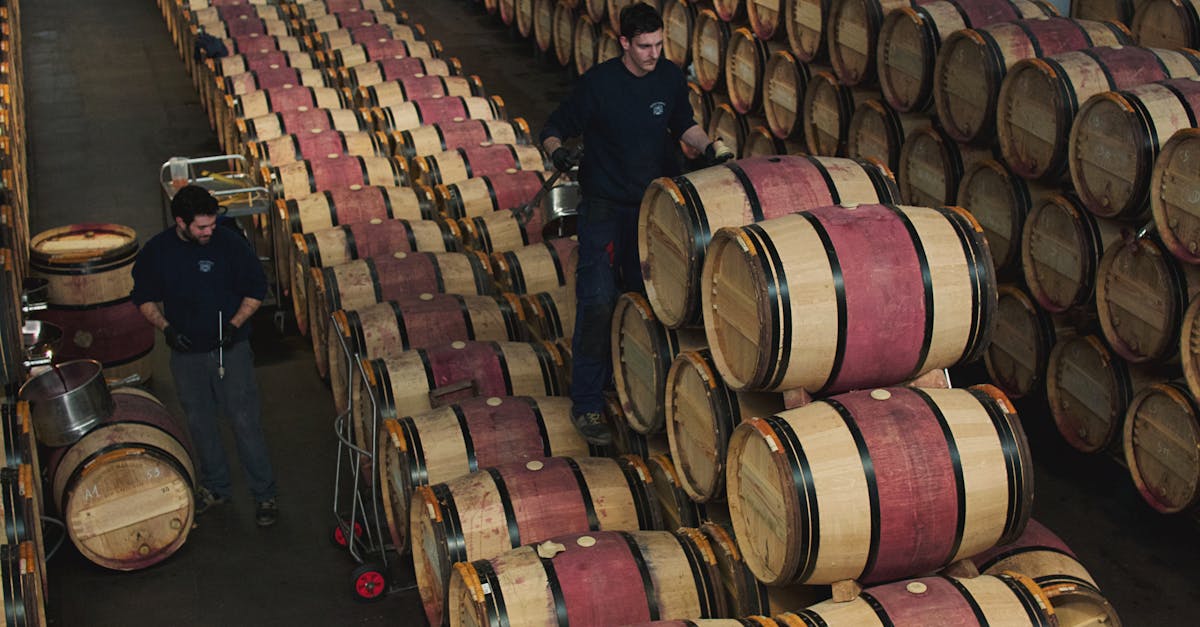
Harvesting is often done manually, allowing for rigorous grape selection, a guarantee of quality. Then, the winemaking process takes into account the specific characteristics of the grape varieties and soils to fine-tune the process: longer maceration to strengthen structure, temperature control to preserve fresh aromas, or the use of modernized stainless steel vats where the steel is almost invisible. A local specialty? The art of aging in oak barrels, often sourced from nearby forests, which goes hand in hand with patient maturation to produce balanced, complex wines ready to stand the test of time. One example is the famous Château Montus, which excels in this exercise. Antique furniture and modern workshops coexist wonderfully in these estates where every care counts.🍷
: guarantees careful selection of grapes to preserve quality.
⚖️
Controlled maceration
: to extract the flavors and tannins suited to the desired style.
- 🌡 Temperature management : essential to maintain freshness and aromas.
- 🛢 Barrel-aged : brings complexity, soft tannins, and subtle oak. Step 🍇
- Common practice in the Southwest 🔍 Benefits 🍾 Harvest
- Manual Selection of the best grapes, respect for the fruit Vinification
| Long maceration, precise temperature control | Optimal extraction of aromas, adapted tannins | Aging |
|---|---|---|
| Local oak barrels | Aromatic complexity, balanced structure | Bottled |
| Careful and sometimes artisanal | Preservation of the wine’s qualities | Want to see what happens in practice? This video takes you through a typical day at Château Montus and demonstrates the local expertise. |
| https://www.youtube.com/watch?v=_PtPx8KkvII | The rise of Southwest wines on the international stage | Southwest wines have long existed in the shadow of larger regions like Bordeaux or Burgundy. However, in recent years, they have gained recognition thanks to their authenticity and the growing quality of the wines on offer. In 2022, there was an increase of more than 30% in exports, particularly to North America, Asia and certain European countries fond of atypical grape varieties. |
| This rise in popularity is based on a combination of factors: a diversity of terroirs that gives the wines multiple characters, more sustainable viticultural practices, and the drive of passionate winemakers such as those at Domaine de Laguille and Château de Mérac. Appellations such as Gaillac, Cahors, and Madiran are becoming benchmarks not to be underestimated. | It is also the recognition of unique grape varieties, particularly Malbec and Tannat, that allows the region to stand out. The wines adapt perfectly to new trends, with organic versions, biodynamic wines, and innovative vintages that combine tradition and modernity. | 📈 |
Increase in exports: +30% in 2022, a sign of growing interest.
Commitment to sustainable viticulture: respect for the environment, organic and biodynamic viticulture. 🏅
Distinct grape varieties highlighted: Malbec, Tannat, and Gros Manseng.
🍇
Multiple appellations: Cahors, Gaillac, Madiran, Côtes de Gascogne. Appellation 🍷
- Exported Volume 2022 📦 Main Markets 🌍 Special Features 🍇
- Cahors +20,000 hl United States, Japan, Germany
- Dominant Malbec, powerful wines Gaillac 8,500 hl
- Canada, Belgium Various grape varieties, white and red wines Madiran
| 7,200 hl | China, United Kingdom | Powerful, structured Tannat | Côtes de Gascogne |
|---|---|---|---|
| 25,000 hl | Netherlands, Sweden | Fresh, light white wines | If you’re interested in exploring the French wine scene beyond the Southwest, why not take a look at the Loire Valley wine festivals in 2025? It’s a good way to compare and see how terroirs can influence very different styles. |
| What does the future hold for wines from the Southwest? Innovations and traditions hand in hand | The future looks exciting for the Southwest vineyards. Between a quest for authenticity and a shift toward more ecological practices, winemakers have no shortage of resources to make a lasting impression. There are iconic estates like Château Bouscassé and Domaine Cauhape, which combine excellence with respect for nature. | The trend toward organic, even biodynamic, viticulture is growing rapidly, driven by consumer demand for healthier and more responsible wines. At the same time, promoting local grape varieties remains a priority, ensuring that each bottle remains a living testament to the terroir and its millennia-old history. | On a technical level, some estates are exploring new aging methods or spontaneous fermentations, alongside solid traditions. The emphasis on rosé wines or atypical vintages also demonstrates that the region knows how to adapt to changing tastes without betraying its identity. 🌿 |
| Growth in organic and biodynamic farming: | For sustainable and respectful viticulture. | 🛠 | Innovation in techniques: |
| Natural fermentation, new oak aging methods. | 🍇 | Promotion of indigenous grape varieties: | Malbec, Tannat, and Gros Manseng are valued. |
✨ Development of rosé wines and special vintages: Diversity and modernity are the order of the day. Initiative 🌟
Description 📄
Benefits 🏆
Organic viticulture
Production without synthetic pesticides or herbicides
- Respect for the environment and increased quality Spontaneous fermentation Native yeasts for a typical expression of the terroir
- More authentic and complex wines Aging in alternative barrels Use of less conventional wood or smaller barrels
- Aromatic complexity and finesse Southwest rosés Explosion in production and diversity of styles
- Meets growing consumer demand To stay connected with the latest developments in wine, feel free to visit this article exploring Greek wines
| , a good parallel on how other regions mix terroir and modernity. | discover the fascinating world of terroirs, where the richness of the soil and the know-how of the producers combine to offer authentic flavors. immerse yourself in the culinary traditions and local products that make our regions famous. | FAQ: Everything you need to know about the formation and specificities of South-West wines |
|---|---|---|
| What really distinguishes South-West wines from other French regions? | The South-West is distinguished by its diversity of terroirs and its wealth of indigenous grape varieties, which produce powerful, original wines that are often less expensive than in other legendary regions. | What are the key grape varieties that you absolutely must discover? |
| Malbec from Cahors and Tannat from Madiran are essential, but Gros Manseng for whites or lighter Colombard also deserve to be given a chance. | How does terroir influence the style of South-West wines? | The nature of the soil, the climate and the exposure allow the grapes to develop very different aromatic profiles, making each wine unique according to its micro-terroir. |
| Are South-West wines good to accompany local gastronomy? | Absolutely ! Whether to accompany cassoulet, foie gras or local cheeses, these full-bodied wines enhance traditional flavors. | Where can you easily find these wines? |
| In 2025, thanks to the rise in their popularity, we can find many of these wines in specialized wine merchants, in organic markets, and even online, notably via sites like | Wine and Chocolate | . |