Bordeaux wine is a legend that fascinates as much as it seduces. A region rich in history and expertise, Bordeaux leaves no one indifferent with its prestigious vintages such as Château Margaux and Château Lafite Rothschild. Behind these legendary names lies a fascinating process, both technical and artisanal, whose mastery guarantees each bottle unparalleled finesse and complexity. We’ve put together this simple and comprehensive guide to unveil the secrets of this unique winemaking process. From the grape varieties that make Bordeaux world-renowned, to the meticulous harvest, fermentation, and blending, every step counts for the wine to enter the elite circle of great vintages. In addition, you’ll discover some tips and anecdotes to better understand the wine’s aromatic profiles and their evolution. Let’s uncover what makes Bordeaux wine so precious and timeless! Which grape varieties create the magic of Bordeaux wine? 🍇 Bordeaux is a bit like a large family of grape varieties, each bringing its own character. In red, the star is, of course, Cabernet Sauvignon. This grape variety, often described as noble, produces rich, full-bodied wines with aging potential and aromas ranging from blackcurrant to oaky notes. But it doesn’t stand alone.
Merlot
comes in to soften the game: it brings a touch of sweetness and easy-to-appreciate fruity flavors, making it a perfect balance for blends. Cabernet Francplays the role of spice with its more intense, slightly peppery notes. Alongside this, Petit Verdot adds depth, a sort of extra layer to the wine’s structure, while Malbec , although less common, elegantly shapes the length on the palate. Don’t miss the white grape varieties either, which bring another facet of the Bordeaux vineyard to life. Sauvignon Blanc offers that refreshing, sparkling, and aromatic acidity. Semillon, rounder and creamier, is the star of sweet wines, particularly Sauternes. As for Muscadelle, it brings a delicately floral and spicy bouquet, perfect for adding a twist to blends. Here’s an overview of these essential grape varieties:🔴
Cabernet Sauvignon : power, tannins, blackcurrant and oak aromas 🔴 Merlot: suppleness, red fruits, roundness 🔴Cabernet Franc
: intensity, peppery and fruity notes
- 🔴 Petit Verdot: richness, deep color, finesse
- 🔴 Malbec: structure, elegance, length on the palate
- ⚪ Sauvignon Blanc: freshness, acidity, herbaceous aromas
- ⚪ Semillon: richness, smoothness, length on the palate
- ⚪ Muscadelle: floral finesse, subtle spices
- Type of Wine 🍷 Main Grape Varieties 🔑Contribution to Wine 💡
- Red Wine Cabernet Sauvignon, Merlot, Cabernet Franc, Petit Verdot, MalbecStructure, Balance, aromatic intensity, color, length
- White Wine Sauvignon Blanc, Sémillon, MuscadelleFreshness, acidity, smoothness, floral and fruity aromas
| Each estate, such as Château Pichon Longueville or Château Haut-Brion, can modulate its blend to highlight a very specific profile. This is the key to mastering the subtle art of blending that makes Bordeaux wines so sought-after. | Discover the art of Bordeaux winemaking, its exceptional terroir, its iconic grape varieties, and the traditional techniques that make this region one of the most renowned in the world. Immerse yourself in the world of Bordeaux winemaking and explore the secrets of its great vintages. | Harvest and the first steps towards a great Bordeaux wine 🍷 |
|---|---|---|
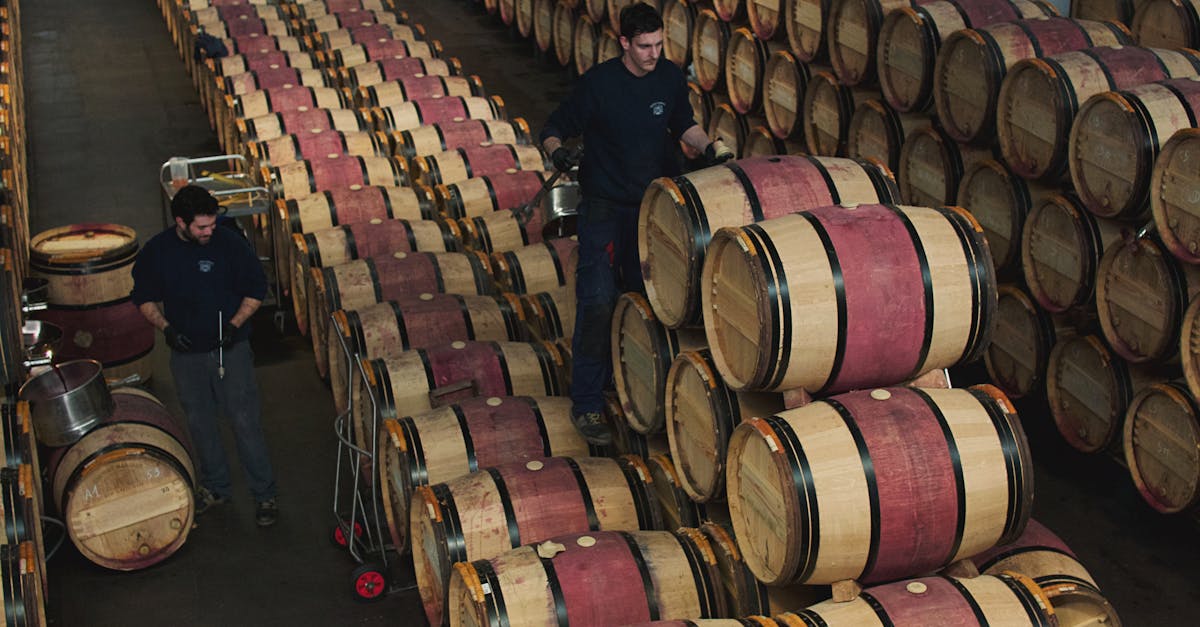
| Nothing is left to chance as the harvest approaches, a crucial stage in the Bordeaux winegrowers’ calendar. Generally scheduled between September and October, the harvest marks the moment when the fruit has reached its ideal ripeness. Harvesting is not done lightly, as each bunch will influence the final quality. | Harvesting can be carried out manually or by machine, depending on the estate. The most prestigious, such as Château Mouton Rothschild or Château Cheval Blanc, often opt for hand-picking to carefully select the finest grapes. Here’s an overview of the steps that follow the harvest to create wine: | ✂️ |
| Harvest | : careful collection and sorting of the grapes | ⚖️ |
De-stemming and crushing : separation of the grapes and gentle pressing to prepare for fermentation 🔬 Quality Controls: verification of sugar levels, acidity, and absence of defects
Beginning of Fermentation
: a crucial stage where the must transforms into wine
This harvest period is considered physically intense, but also very sensitive to timing, as the quality of the grapes can turn a good vintage into a great vintage. https://www.youtube.com/watch?v=dcRKwTLoYUM Step 🔄 Description 📝 Impact on the Wine 🍇Harvest
Harvesting grapes at optimal ripeness
- The basis of a balanced and aromatically rich wine De-stemming & Crushing Separation of the berries and preparation of the must
- Development of aromas and tannins in red wines Fermentation Transformation of sugar into alcohol
- Creation of texture, color, and flavors Pressing (for whites) Extraction of the juice from the white grapes
- Determination of the quality of the white wine, acidity, and freshness Bordeaux winemakers, including those at Château Smith Haut Lafitte
and
| , work hand in hand with nature to determine the perfect moment. This step marks the beginning of the masterful work. | Discover the fascinating world of Bordeaux wine production, where tradition and innovation meet to create exceptional vintages. Explore the iconic grape varieties, ancestral winemaking techniques, and prestigious appellations that make this wine region world-renowned. | Fermentation and Aging: When Wine Finds Its Unique Character 🍾 |
|---|---|---|
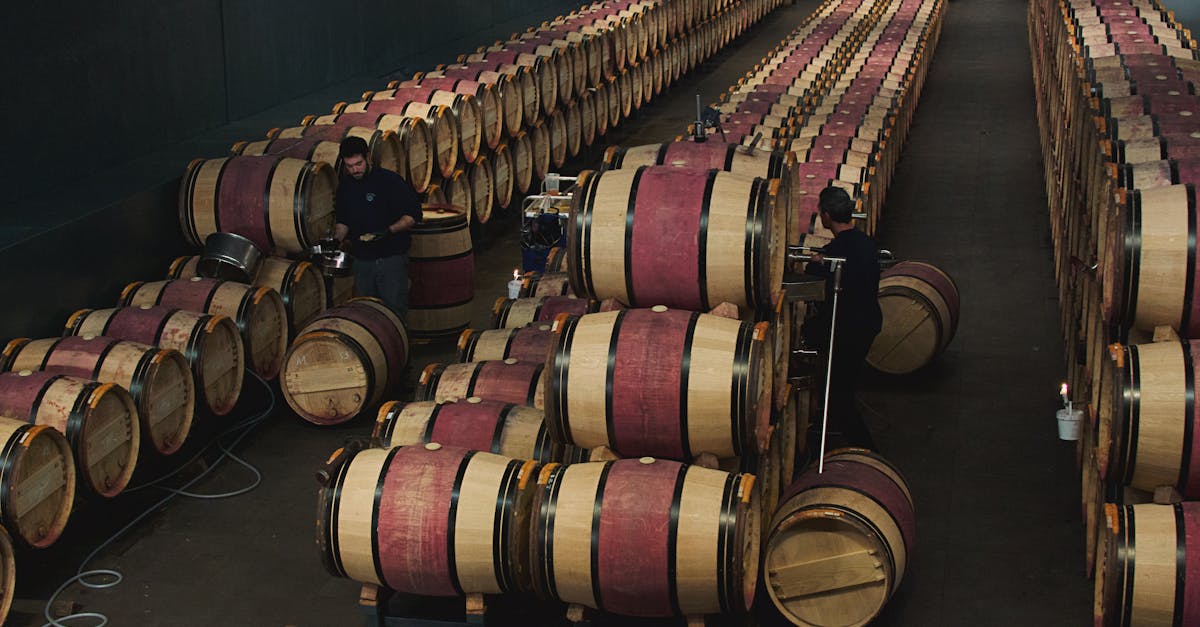
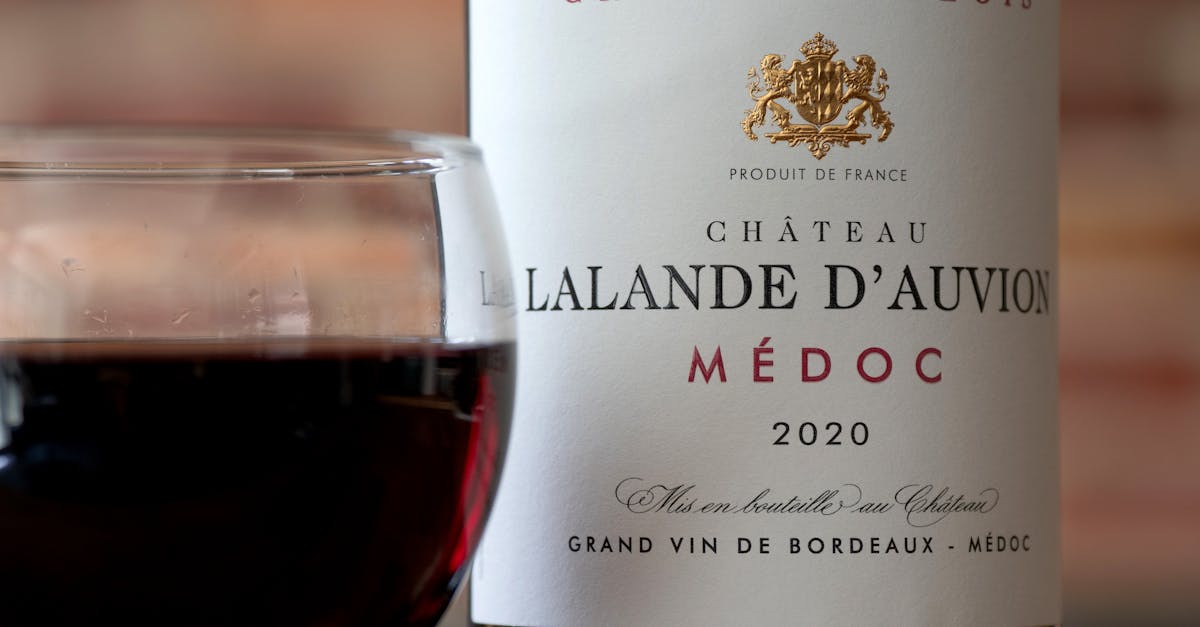
| Once the must is ready, the magic of fermentation begins. The sugars in the grapes slowly transform into alcohol thanks to the action of yeast. On the left bank of the river, where Cabernet Sauvignon-based wines dominate, fermentation often takes place at relatively high temperatures to extract tannins and intense colors. | For white wines, fermentation is gentler, controlled at low temperatures to preserve freshness and aromas. Dry white Bordeaux wines, such as those from the AOP Vin Sud-Ouest (Southwest Wines), draw on this mastery to stand out for their elegance. Next comes aging, a key step that can last from a few months to several years. This is where red wines like those from the prestigious Château Latour or Château Palmer refine their woody notes in oak barrels, gaining complexity and finesse. Aging also contributes to the integration of tannins and the wine’s stability—a true watchmaking process. To summarize: | 🎛️ |
| Alcoholic fermentation | : transformation of sugars into alcohol | 🌡️ |
| Temperature control | to preserve aromas | 🛢️ |
| Aging in oak barrels | to add complexity and structure | ⏳ |
Variable duration depending on the type of wine and the winemaker’s objective Phase ⏩ Description 📋Effect on the Wine 🌟
Yeasts transform sugar into alcohol
Creation of alcohol and development of aromas
Aging in tanks Storage to preserve fruit and freshnessBalance and expressiveness of the wine
Aging in oak barrels Barrel aging Brings woody notes and softened tannins Maturation Final refinement before bottling
Final complexity and harmony
- If you’d like to learn more about the technique or find professional tips, don’t hesitate to check out the South-West wine training coursewhich explains everything in detail without any hassle.
- https://www.youtube.com/watch?v=c5vL42EB0Fk Blending, the stage where the wine comes to life 🎨 In Bordeaux, blending is a bit like composing a symphony. It involves blending different grape varieties to create a wine that is balanced, complex, and unique. In other words, each grape variety is an instrument, and it’s the expert hand of the cellar master that plays the score. Bordeaux red wines are famous for this blending process, often based on a mixture of Merlot, Cabernet Sauvignon, Cabernet Franc, Petit Verdot, and sometimes Malbec. This art not only balances power, suppleness, and structure, but also reflects the terroir and the vintage.
- Here’s how it generally works: 🔍 Selection of batches
- based on aromatic and flavor characteristics 🧪 Tasting tests
| to assess harmony | ⚖️ | Dosage of grape varieties |
|---|---|---|
| to achieve the perfect alchemy | 🛢️ | Placement in barrels or vats |
| for final aging | It is thanks to this expertise that wines like | Château Angelus |
| or | Château Pichon Longueville | stand out by producing wines that are both powerful and refined. This step is a true science but also a creative act where the winemaker’s sensitivity makes all the difference. Blended Batch 🎯 |
| Function in the blend 🎭 | Expected effect 🍷 | Merlot |
Softens and adds fruitiness Balance and suppleness Cabernet Sauvignon
Longevity and power
Cabernet Franc
Spicy and fruity notes
Aromatic complexity
- Petit Verdot Adds depth and color Richness and intensity
- Malbec Adds length and finesse Elegance on the palate
- If this topic interests you, we strongly recommend taking a look at our selection of the best Bordeaux wines of 2024 , ideal for understanding the richness of today’s blends.
- Discover the art of wine production in Bordeaux, a region renowned for its prestigious wines. Learn all about the grape varieties, winemaking methods, and the history of Bordeaux vineyards. How to taste a Bordeaux wine like a pro? 🍷👃👅 Tasting a Bordeaux wine isn’t a random process. It’s a true ritual that begins even before you taste it. We offer a simple path to ensure everyone is on the same page, whether you’re a novice or already a wine connoisseur. The secret to tasting lies in:
👀 Observing the wine’s appearance: color, intensity, brightness 👃 Smelling
| the wine to capture the aromatic bouquet | 👄 | Tasting |
|---|---|---|
| by taking a small sip and swirling it on your tongue | 💭 | Thinking |
| about the balance between acidity, alcohol, tannins, and fruitiness | Bordeaux wines like those from | Château Haut-Brion |
| or | Château Palmer | often exhibit beautiful complexity. For example, in reds, you might detect flower petals, leather, or even tobacco—all aromas that reflect their depth. In whites, notes of lemon or hawthorn can take center stage. Here’s a handy chart to help sharpen your eye and palate: |
| Aspect to Observe 🔎 | What it Reveals 🔥 | Example in Bordeaux 🍇 |
| Color | Indicates youth or maturity | Deep garnet in a mature Pauillac |
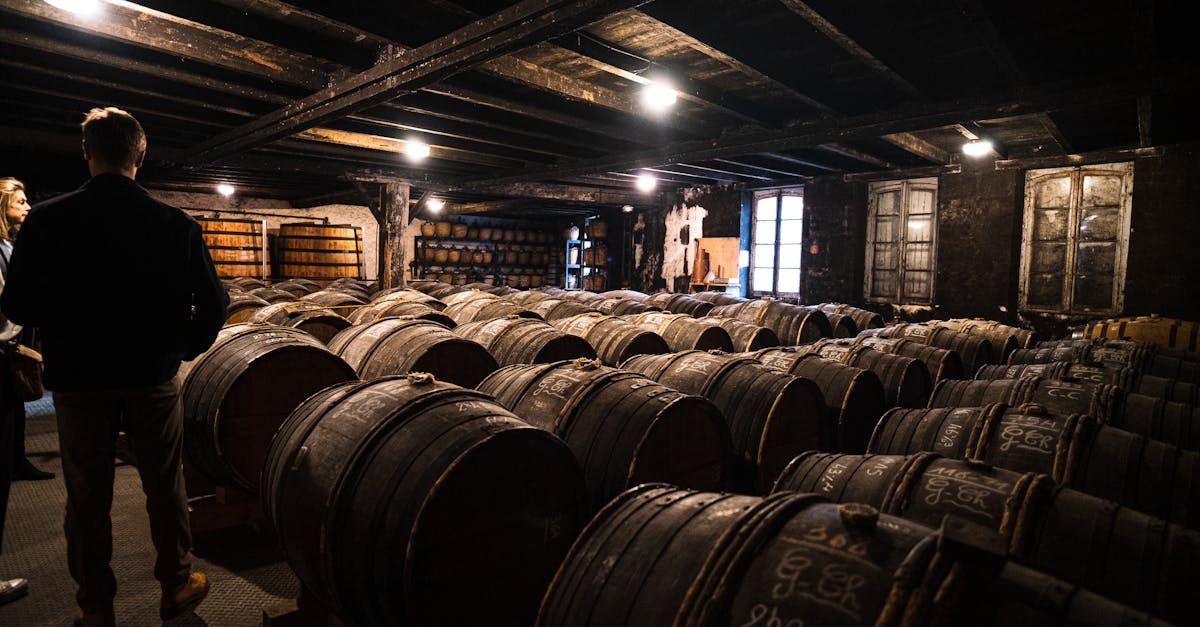
Aromas Highlights the different grape varieties and agingVanilla and blackcurrant in a barrel-aged Médoc
Passage, tannins, and finesse
Smoothness in a Merlot-dominant Saint-Émilion
Finish
- Length of flavors Long and complex in a grand cru To learn everything about wine in general, tasting Champagnes, and other wines
- can be an excellent starting point for comparing and refining your senses. Practical FAQ: Everything you want to know about Bordeaux wine 🍷❓ What is the main role of grape varieties in a Bordeaux wine?
- They provide the structure, aromas, and finesse that define each vintage. The choice of grape varieties directly influences the wine’s profile. Why is blending so important in Bordeaux? Because it allows each grape variety to be precisely measured to obtain a balanced, complex wine that is faithful to the terroir.
- How do you recognize a good Bordeaux vintage? A successful vintage combines optimal grape maturity and favorable weather conditions during growth and harvest. Are all Bordeaux wines aged in oak barrels?
Not necessarily. Some wines, particularly dry whites or young wines, can be aged in stainless steel vats to preserve freshness. Where to buy quality Bordeaux wines? Choose recognized and specialized wine merchants, such as those listed on the “Best Wine Merchants in Alsace” website, which also offer a fine selection of Bordeaux wines.