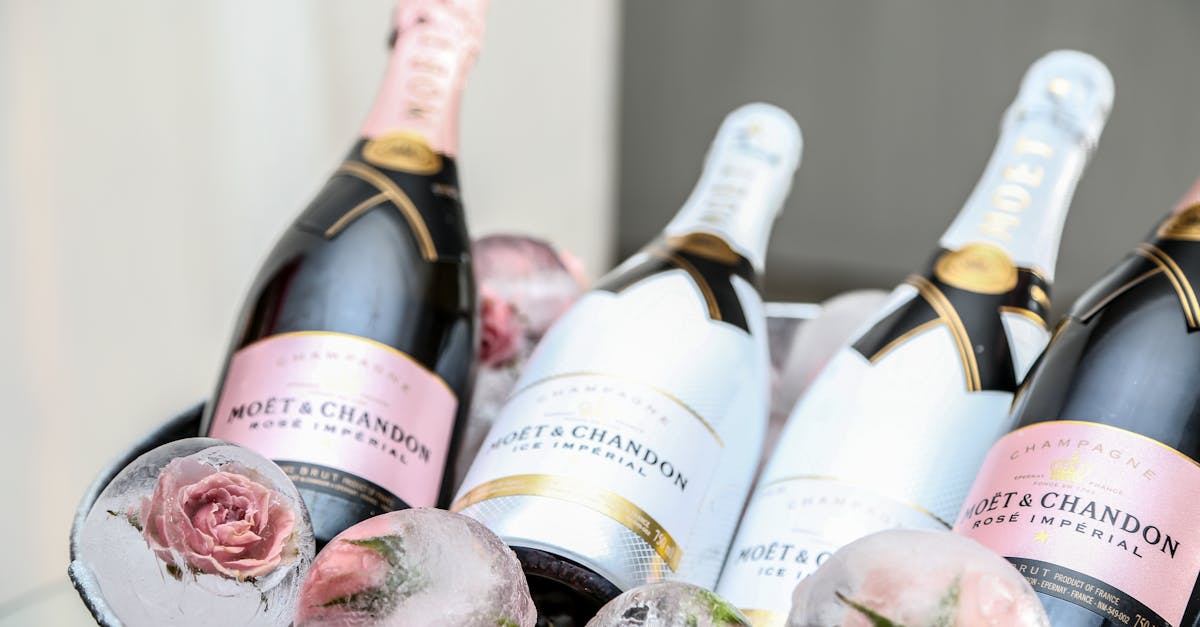
The Champagne region is not just about these fine bubbles that we open on special occasions. It is a territory that combines history, culture, agriculture and innovation. Located in the east of the country, this region is an integral part of the Grand Est and is home to cities such as Reims, Troyes and Châlons-en-Champagne. Its geographical positioning, its worldwide reputation linked to the eponymous wine and its economic weight in the wine sector make it a region apart in the French landscape. More than just a province, Champagne asserts itself as a key player in several areas, from tourism to agriculture, including a strong cultural identity.
With its landscapes of chalky plains, Champagne saw the birth of a fertile agricultural tradition which continues today. The Champagne vineyard is one of the jewels when it comes to French wines, home to prestigious houses such as Veuve Clicquot, Moët & Chandon, Taittinger, Pommery, Ruinart and even Laurent-Perrier. These names are synonymous with excellence and help place Champagne at the top of the world’s wine regions. But the region does not stop there: it also brings together lesser-known appellations such as those of Champagnes de l’Aube, dear to enthusiasts wanting to discover authentic and distinct wines, or even territories such as Château de Boursault, rich in history.
If we look at the broader economic fabric, Champagne knows how to combine tradition and modernity. In 2025, this alliance will allow it to shine well beyond its borders, thanks to ancestral know-how combined with innovations in the production and marketing of wine. Discover with us how this magnificent region stands out in France, in a broader light than just its excitement.
What is the historical importance of the Champagne region in the French context?
To understand how Champagne is perceived today, we must first delve into its rich and eventful past. This region was formed in the Middle Ages around the counties of Troyes, Meaux, and Reims, quickly becoming a major political and economic hub. With its fairs, the region attracted merchants and travelers from all over Europe, making Provins a renowned metropolis by the 12th century. This golden age was also marked by the emergence of a refined culture, driven by the Counts of Champagne and their courtiers, who influenced literature with figures such as Chrétien de Troyes and the growing use of vulgar French.
By laying the foundations for economic development through annual fairs, Champagne distinguished itself seamlessly among its neighboring territories. Its influence even surpassed that of some neighboring states thanks to its strategic alliances and the development of a banking network within the Order of the Temple, created in Troyes in 1129. This economic and cultural power laid the foundations for a strong identity that the region still maintains today.
To accurately understand its importance, several key points can be highlighted:
- The role of the Counts of Champagne as political actors and peers of France.
- The economic prosperity generated by the Champagne fairs, contributing to its medieval influence.
- The cultural impact through the promotion of courtly literature and the protection of Jewish communities.
- The initial administrative management of the territory, which shaped its modern contours.
This flamboyant past explains why the region, although today integrated into the Grand Est, retains the status of a well-established cultural and historical entity. This strong link to its heritage is felt in the way in which the inhabitants, the “Champenois”, claim their identity and in the promotion of the wine region which extends over several departments.
| Era | Major event | Impact on the region |
|---|---|---|
| 10th – 13th century | Formation of the County of Champagne and emergence of fairs | Economic and political growth, cultural influence |
| 12th century | Creation of the Order of the Temple in Troyes (1129) | Banking and commercial development |
| 1284 | Champagne meeting at the French royal estate | Integration but maintenance of a strong regional identity |
| Golde Époque | Fairs and active trade until the 15th century | Provins, 3rd city in France by population |
How does the geography of Champagne influence its wine development?
You are probably wondering what makes Champagne have this unique taste and this particular effervescence. Well, that’s partly thanks to the geography of the region. Located approximately 150 kilometers east of Paris, it extends over a chalky plain which provides perfect soil for growing vines. This geological characteristic is no coincidence: the chalk lets water pass through, but also retains it, creating an ideal microclimate for the vines.
The vineyards stretch mainly across four departments, including Marne (but also Haute-Marne, Ardennes, and part of Aube). This last department, home to the famous Champagnes of Aube, deserves special mention for its authentic villages and vintages that are lesser-known to the general public, yet highly prized by discerning connoisseurs. Each wine-growing sub-region of the Champagne region—Montagne de Reims, Vallée de la Marne, Côte des Blancs, and Côte des Bar in Aube—has specific conditions that influence the character of the champagnes produced.
The geological and climatic diversity produces varied blends: Pinot Noir provides body and structure, Chardonnay brings finesse and elegance, while Pinot Meunier balances with its suppleness. It is this mosaic that explains the richness of the region’s champagnes. The Champagne chalk, the natural support of the vine, promotes good water drainage.
- Cool winters and mild summers create a temperate climate conducive to slow, high-quality ripening.
- The south/southeast-facing valleys and hillsides maximize sun exposure.
- The diverse soils—clay, limestone, marl—allow for a wide variety of aromas.
- This unique terroir explains why major wineries like Veuve Clicquot, Moët & Chandon, Taittinger, Pommery, Ruinart, and Laurent-Perrier have chosen to establish themselves here. They exploit these exceptional conditions to create distinctive vintages that bring crowds to their feet during major celebrations. To delve deeper, it’s interesting to take a look at the distribution of vineyards in Champagne and understand how each terroir plays a role in the aromatic profile of the wines. Wine-growing areas🍇
Characteristics Famous wineries located Montagne de Reims
| Cool climate, clay-limestone soils, ideal for Pinot Noir | Veuve Clicquot, Ruinart | Marne Valley |
|---|---|---|
| Silty-clay soil, mastery of Pinot Meunier | Moët & Chandon | Côte des Blancs |
| Limestone soil, renowned for Chardonnay | Taittinger, Laurent-Perrier | Côte des Bar (Aube) |
| Clay-limestone soil, rich and powerful wines | Pommery, Champagnes of the Aube | Want to delve deeper into the secrets of Champagne’s meteorology and soil? The website |
| vin et chocolat | offers fascinating articles to help you understand how this exceptional wine is made. | Who are the major economic players and how do they boost the Champagne region? |
When we talk about Champagne, we immediately think of the great Champagne houses that have made sparkling wine world-renowned. But their importance goes beyond mere commercial aspects, as they directly impact employment, tourism, and the local economy. These houses, such as Veuve Clicquot, Moët & Chandon, Taittinger, Pommery, Ruinart, and Laurent-Perrier, are among the most influential and dynamic in the sector in 2025. Their international reach attracts thousands of visitors to the region each year, creating a beneficial ripple effect for small winemakers and local artisans. Beyond the major houses, the Champagnes de Vignerons also play a key role. This movement brings together independent producers who showcase specific terroirs, often smaller and atypical, such as those of the Aube region. This diversity allows the region to offer a varied range suitable for both novices and connoisseurs. Thanks to their territorial network and strong identity, these winemakers contribute to the local economic vitality by ensuring the sustainability of traditions and innovating their methods. International marketing for prestigious wineries 🌍 Fast-growing wine tourism with tours, tastings, and events
Direct and indirect employment in viticulture, logistics, and marketing
Support and revitalization of small farms through cooperatives and even specialized labels
Château de Boursault, with its impressive architecture and vineyards, symbolizes this alliance between heritage and modern winemaking. It embodies the new generation of Champagne estates that invest in quality and prestige, while promoting their local roots.
- Economic actors 💼
- Type
- Impact
- Veuve Clicquot
Grande maison
| World leader, driving force of wine tourism | Champagnes de Vignerons | Independent group |
|---|---|---|
| Promotion of unique terroirs, diversification | Château de Boursault | Family estate |
| Investment in tradition and innovation | Pommery | Grande maison |
| Artistic creation, cultural events | https://www.youtube.com/watch?v=t-D50vYyyMc | How is Champagne adapting to contemporary challenges? In 2025, the wine region faces several major challenges, including climatic, economic, and societal ones. Climate change is affecting Champagne viticulture, with milder winters and sometimes hot summers disrupting the vine’s ripening cycles. To address these challenges, producers are investing in sustainable techniques and organic farming, seeking to preserve soil quality and biodiversity. Initiatives around biodynamic viticulture are developing across the region, particularly among independent winemakers and innovative houses. |
| At the same time, sparkling wine consumption is evolving. While the international market remains strong, it is adapting to the new expectations of younger consumers, who are sensitive to ethics, traceability, and taste diversity. This is encouraging the region to showcase its diverse vintages and offer blanc de blancs champagnes or rosé cuvées, sometimes unique, that intrigue and seduce. To learn more about this diversity, visit | Opt for white champagnes | or discover |
.
Implementation of ecological viticultural practices 🌱
Optimization of water and natural resource management Creativity in the development of vintages to diversify the offering Promotion of sustainable and environmentally friendly tourism By playing the joker card between tradition and modernity, Champagne displays a strong capacity for adaptation and continues to generate enthusiasm without ever losing its soul.Challenges in 2025
- Responses and adaptations
- Climate change
- Biodynamic viticulture, organic farming
- Evolving consumer tastes
Creation of diversified vintages, targeted communication
| Preservation of biodiversity | Responsive management of soils and resources |
|---|---|
| Sustainable tourism | Development of eco-responsible offerings |
| What are the cultural and tourism specificities that make Champagne shine in France? One might think that Champagne lives only for its bubbles, but the reality is richer and more varied. The region shines with its historical cultural heritage, its vast natural spaces, its events, and its traditions. Tourism plays a growing role, driven by emblematic sites such as Reims Cathedral, where many French kings were crowned, or the medieval city of Troyes with its picturesque streets and half-timbered houses. | Each city brings its own unique touch, and in addition to tasting Champagne in the cellars of the great houses, visitors can participate in cultural and artisanal events, or discover walks along the wine trails. The Champagnes of the Aube attract a public in search of peace and authenticity, far from the beaten track. Not to mention the numerous festivals, exhibitions, and Christmas markets that are a feast for the eyes. |
| Architectural and Historical Heritage 🏰 | Wine Routes and Wine Tours |
| Champagne Festivals and Cultural Events | Local Crafts Related to Vines and Regional Products |
These are just some of the reasons why Champagne holds a prominent place on the French tourism scene, combining ancestral know-how and a warm welcome. Curious to learn more about the rich tourist and cultural offerings? Take a look here:
Champagne Wine and Tourism
. Tourist Attraction 🎯
- Description
- Location
- Notre-Dame Cathedral of Reims
- Coronation site of the kings of France, Gothic masterpiece
Reims Champagne FairsMedieval events that forged the region’s wealth
| Provins and Troyes | Wine Tourist Route | Guided itineraries linking wineries and landscapes |
|---|---|---|
| The entire Champagne vineyards | Château de Boursault | Wineries and architectural heritage dedicated to luxury |
| Boursault | https://www.youtube.com/watch?v=BCI1wsJuZoI | FAQ – Why is the Champagne region one of the major regions in France? |
| What is the economic contribution of Champagne? | Champagne is an economic driver in France thanks to its prestigious vineyards and the Champagne industry, which generates jobs, tourism, and significant exports. | What characterizes the Champagne terroir? A unique chalky soil, a temperate climate, and a diversity of grape varieties (Pinot Noir, Chardonnay, Pinot Meunier) give rise to exceptional champagnes. |
| How is the region evolving in the face of climate change? | It is focusing on sustainable techniques such as biodynamic viticulture, sustainable soil management, and the creation of new vintages adapted to consumer preferences. | What are the must-see tourist attractions in Champagne? |
Who are the main players in Champagne wine?
- Major houses such as Veuve Clicquot, Moët & Chandon, Taittinger, Pommery, Ruinart, and Laurent-Perrier, as well as independent winemakers grouped under the umbrella of Champagnes de Vignerons.