We’ve put together this guide to help you discover how Southwest wine, a region often overshadowed by its more famous neighbors, is gradually carving out a place for itself on the international stage. With 8,261 farms and more than 13,000 jobs, this region has no shortage of assets, but it also faces major challenges, ranging from climatic hazards to changing consumer tastes. Yet, thanks to a clever mix of respect for tradition, targeted restructuring, and innovations in production and marketing, Southwest wine is making its mark abroad. Here, we’re talking incredible diversity, from Cahors Malbec to lighter, fresher vintages, including organic and low-alcohol wines that are popular with young people. Moreover, the strategic positioning of iconic estates like Château Montus, Domaine Alain Brumont, and Château de Gaudou perfectly illustrates this revival. The Southwest also showcases its authenticity by showcasing little-known but charming native grape varieties. At the same time, local initiatives are encouraging young winemakers and European cooperatives to promote this unique heritage. Are you ready for an overview of the keys to the success of Southwest wines on the global market, with a bonus focus on cooperative strategies, new winemaking developments, and consumer trends that are changing the game? Let’s find out what’s best about this region to satisfy everyone!
Why is the 2023 vintage shaking up the Southwest wine market?
The 2023 harvest in the Southwest is no laughing matter. After several years marked by frost, drought, and even hail, this time it’s mildew that has hit hard. While some European and international vineyards are slowly recovering, here, the decline is severe, between 30% and 50% below average—a significant drop for farms already playing hard to come. Take Cahors Malbec, Gaillac, and Fronton, where the harvest has really taken a hit. We are facing the reality of climate hazards that are forcing us to completely rethink how we work the vines and, above all, how we organize ourselves to respond to the markets. The result: reduced production, dwindling stocks, and supply tensions. This region has a lot to offer, but it must manage this intensified risk with a collective awareness. This context explains why we are seeing producers, such as those at Domaine Alain Brumont and Château Bouscassé, shifting their production toward greater quality and innovation to better meet demand.
Despite this, France remains at the forefront of global wine production, with an overall annual increase of 3%—a contrast to the difficulties experienced by vineyards in the Southwest. This difference clearly demonstrates the specific challenges this region faces in the face of climate and economic changes. Southwest Region 🍇
Average decline in 2023 📉
| Examples of key vineyards 🍷 | Effect on supply ⚠️ | Cahors Malbec | More than 50% |
|---|---|---|---|
| Château Montus, Château Bouscassé | Significantly reduced stocks | Gaillac, Fronton | More than 50% |
| Château de Gaudou | Supply difficulties | Gers | 30-40% |
| Domaine du Vieux Chêne, Domaine Alain Brumont | Moderate tensions | ⚡ A general decline due to mildew. | 🌍 A difficult situation internationally, despite an increase in overall production in France. |
- 🎯 Need to prioritize local markets, particularly France.
- 👩🌾 Possible transition to more resilient grape varieties and innovative production methods.
- This vintage clearly demonstrates that the region must combine traditional know-how with agronomic innovation. Château Montus and Domaine Alain Brumont, for example, are in the process of restructuring their vineyards, prioritizing indigenous and resilient grape varieties such as Gros Manseng and Petit Courbu. These are all factors that ensure that, even in difficult times, the roots of the Southwest still draw unsuspected strength.
- Discover the delights of wines from the Southwest, a French region renowned for its unique grape varieties and enchanting vineyards. Explore our recommendations and wine pairings, and let yourself be seduced by the authentic flavors of this wine-growing region. Consumption trends and their impact on Southwest wines internationally
Wine is being drunk less, that’s a fact. And that’s changing everything for our region. Traditional drinkers are aging, and the younger generation largely prefers beer or cocktails. But wine retains an important cultural role. To hit the nail on the head, Southwest winemakers are now offering lighter, lower-alcohol wines that fit with this new, healthier, and trendier lifestyle.
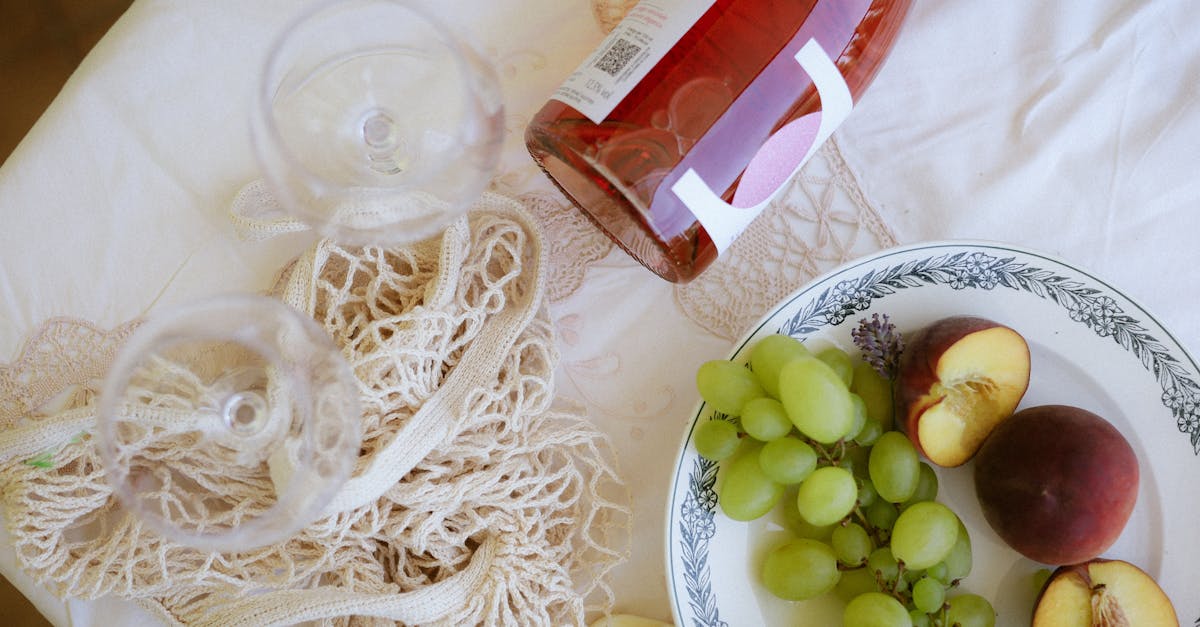
Another extremely important point: the diversity of grape varieties and styles in the Southwest is a real asset. The wines are not interchangeable, and each fine estate tells a unique story: at Domaine du Vieux Chêne, they dare to produce fresh, light whites or fruity reds. Château de Lascaux offers atypical wines that surprise and delight a curious audience. This is how the Southwest stands out, offering a sensory richness found nowhere else.
Finally, the rise of organic and natural wines also shows that the region isn’t standing still. As the first grassy wine-growing region in France, it focuses heavily on biodiversity and the preservation of rare grape varieties. The
more information on this topic
validates this trend to maintain the freshness and identity of its wines. 🔥 Adoption of low-alcohol wines to reach a wider audience 🍷🚫
🍃 Significant use of organic and natural practices to promote the terroir 🍇 Numerous little-known indigenous grape varieties full of character 📣 Communication focused on the personal stories of the winemakers and the estate
- 🌍 Adapting to international tastes with more accessible and fresh wines
- Type of wine 🍷
- Main characteristics ⭐
- Flagship estate 🌟
- International appeal 🌎
| Traditional red wines | Full-bodied, rich, tannic | Château Montus, Château Bouscassé | Moderate, especially for connoisseurs |
|---|---|---|---|
| Fresh & light white wines | Fruity, floral | Domaine du Vieux Chêne | Strongly growing |
| Organic & natural wines | Respect for the terroir, balanced | Domaine Alain Brumont | Very good image |
| Low-alcohol wines Alcohol | Preserved Flavors, Lightness | Gers Estate | Booming |
| https://www.youtube.com/watch?v=FuPTxVdGvIU | How are Southwest French wineries sharpening their international competitiveness? | As you know, blending tradition and modernity is the key to staying ahead of the global market. The Southwest is no exception. The best part is that here, we don’t play at standardization. Winegrowers maintain their individuality, while adopting digital tools and automation to facilitate vineyard management, or even refocusing their grape varieties. | For example, the Domaine de Lagrezette combines high technology with meticulous work to produce distinctive wines that sell well abroad. The efforts invested in quality are reflected in the bottles and appeal to markets such as the United States, Asia, and Northern Europe. The Mas de Daumas Gassac is also very active in terms of communication and developing a chic, yet unpretentious, image, a stance that greatly facilitates exports. Southwest wine also benefits from interprofessional support that clearly understands the strategic challenges: sustainable development, digitalization of services, and promotion of appellations. This regional alliance of expertise boosts international visibility compared to competitors such as Languedoc and the Rhône Valley. |
Examples of Estates 🚜
Expected Benefits 🌟
Target Markets 🌎 Digitalization and Modern Marketing Domaine de Lagrezette, Château de Lascaux Enhanced Visibility, Increased Attractiveness USA, Asia, Northern Europe
Promotion of Native Grape Varieties Château Montus, Domaine Alain Brumont Differentiation and Authenticity
| Fine Wine Lovers, Connoisseurs | Agroecological Innovation | Domaine du Vieux Chêne, Mas de Daumas Gassac | Sustainability, Eco-Friendly Image |
|---|---|---|---|
| European & Nordic Markets | This local yet ambitious cohesion allows Southwest wines to not only endure competition, but also capitalize on it. These wineries demonstrate their ability to adapt their ranges to what international consumers want: a more ecological approach, unique stories, and, above all, taste. This expertise is also found in regions like the Rhône Valley or Bordeaux. To discover these models, there’s nothing like a good tasting at these producers’ wineries. | https://www.youtube.com/watch?v=_cz3qaLeHvU | The role of appellations and cooperatives in the rise to international prominence |
| The appellations of the Southwest are no small feat. With 16 AOPs and 12 IGPs, the diversity is so vast that it can be confusing for consumers. Yet, this richness is a real strength. The key is to offer clear benchmarks while highlighting this variety as a point of authenticity. The Château de Gaudou and the Vignobles de France cooperative are good examples of these efforts, with their increasing number of labels and quality initiatives. These organizations play a major role in promoting the terroir, especially for exports. Local cooperatives, with 28 wineries, ensure a fairly consistent volume and allow smaller producers to benefit from a solid network. This prevents fragmentation and encourages international promotional campaigns, often supported by regional tourism offices and European wine forums, such as the recent one in Toulouse. Another important asset is the educational approach aimed at restaurateurs. There are nearly 60 ambassador restaurants promoting Southwest wines, particularly around Toulouse but also in Tarn-et-Garonne and Gers. This strengthens the presence of local wine in high-end consumption channels, a springboard for export. | 🍷 A multitude of appellations rich in history | 🤝 Strong regional cooperation thanks to cooperative wineries | 🌐 Targeted international marketing efforts |
| 🍽️ Networks of restaurant ambassadors to promote the region | AOP/IGP appellation 🗺️ | Main estates/wineries 🏰 | Product positioning 🎯 |
Export impact 🌍 Cahors (AOP) Château Montus, Château Bouscassé
Strong, among amateurs and connoisseurs
Gaillac (AOP) Château de Gaudou Varied white and red wines Moderate, growing Southwest IGP
Les Vignobles de France, Domaine du Vieux Chêne
Diverse, accessible wines
- Stable growth
- More information on the promotion of the Southwest here:
- Wine price factors of Southwest
| Discover the world of wines from the southwest of France, where tradition and expertise blend to offer unique and authentic flavors. Explore our selection of refined vintages, immerse yourself in the sun-drenched terroirs, and enjoy an unforgettable sensory experience. | Ecological challenges and future prospects for Southwest wines exported | Ecology is clearly the number one challenge. When you consider the work being done on grassing, preserving groves, and agroforestry, the Southwest is a pioneer. These techniques improve biodiversity and limit erosion, but they also require greater vigilance and innovation. | We’re not talking about genetic engineering here, but rather natural crossbreeding to create disease-resistant grape varieties, such as some projects underway in the Gers region. These advances are not just a whim, but a necessity to meet global demand for responsible products, while ensuring the economic viability of farms. |
|---|---|---|---|
| The region is also demonstrating a capacity to integrate robotization and digitalization, alongside this transition to more sustainable viticulture. Of course, not all farms are at the same stage yet, but this collective movement is creating a solid foundation for the future of Southwest wine, which must seduce palates around the world while preserving its unique identity. 🌱 Implementation of innovative agroecological practices | 🤖 Robotization to optimize vine care | 🔬 Development of resistant, non-GMO grape varieties | 📈 Objective: balance between sustainability and global competitiveness |
| Ecological innovation 🌳 | Practical examples 🚜 | Key objectives 🎯 | Expected benefits 🌿 |
| Grass cover and agroforestry | Domaine Alain Brumont, Château Montus | Preserve biodiversity and soils | Better grape quality, green image |
Robotization Domaine du Vieux Chêne, Mas de Daumas GassacOptimize labor and costs

Resistant grape varieties
Gers farms
Limit treatments, ensure resilience
Meet consumer expectations
- FAQ: Your common questions about Southwest wine internationally
- Are Southwest wines suited to international tastes? Absolutely! Their diversity of grape varieties allows them to reach a diverse audience, from lovers of classic wines to younger consumers seeking lighter, more organic options.
- What is the position of Cahors Malbec on the global market?
- Very strong, especially among connoisseurs who appreciate its powerful and profound character. Estates like Château Montus ensure remarkable international visibility.
| Do cooperatives play a major role in exports? | Yes, they help consolidate volumes and support small producers, ensuring a regular presence on international markets. | How does climate change affect production? | It requires rapid innovation: adoption of resistant grape varieties, more sustainable agrosystems, lower alcohol content… a whole range of strategies to maintain competitiveness. |
|---|---|---|---|
| Does organic wine have a real impact on exports? | Yes, the rise of organic and natural wines is a real lever for conquering new markets, especially among environmentally conscious consumers. | ||